

 เครื่องทำความเย็นแบบพกพา
 ชิลเลอร์ระบายความร้อนด้วยอากาศ
 ชิลเลอร์ระบายความร้อนด้วยน้ำ
 เครื่องทำความเย็นอุณหภูมิต่ำ
 เครื่องทำความเย็นอุตสาหกรรมแบบกำหนดเอง


การสร้างแบตเตอรี่ถือเป็นขั้นตอนหนึ่งที่ต้องใช้ความร้อนมากที่สุดในการผลิตแบตเตอรี่ลิเธียมไอออน ซึ่งแตกต่างจากการทำความเย็นด้านสิ่งแวดล้อมแบบธรรมดา การทำความเย็นของชั้นหินจะทำปฏิกิริยาโดยตรงกับปฏิกิริยาเคมีไฟฟ้าที่เกิดขึ้นภายในเซลล์ในระหว่างรอบการชาร์จและคายประจุครั้งแรก
ในขั้นตอนนี้ เซลล์แบตเตอรี่ทำงานด้วยระบบไฟฟ้า ไม่เสถียรทางเคมี และมีความไวสูงต่อความผันผวนของความร้อน แม้แต่ความเบี่ยงเบนของอุณหภูมิเพียงเล็กน้อยก็สามารถส่งผลต่อการก่อตัวของชั้น SEI การกระจายความต้านทานภายใน พฤติกรรมการชุบลิเธียม และความเสถียรของวงจรในระยะยาว
สำหรับโรงงาน EV Gigafactory สมัยใหม่ที่ผลิตเซลล์หลายล้านเซลล์ต่อปี การระบายความร้อนของชั้นหินไม่ได้เป็นเพียงระบบสาธารณูปโภคอีกต่อไป แต่ยังเป็นส่วนหนึ่งของวิศวกรรมกระบวนการอีกด้วย
เกิดอะไรขึ้นจริงระหว่างการก่อตัวของแบตเตอรี่?
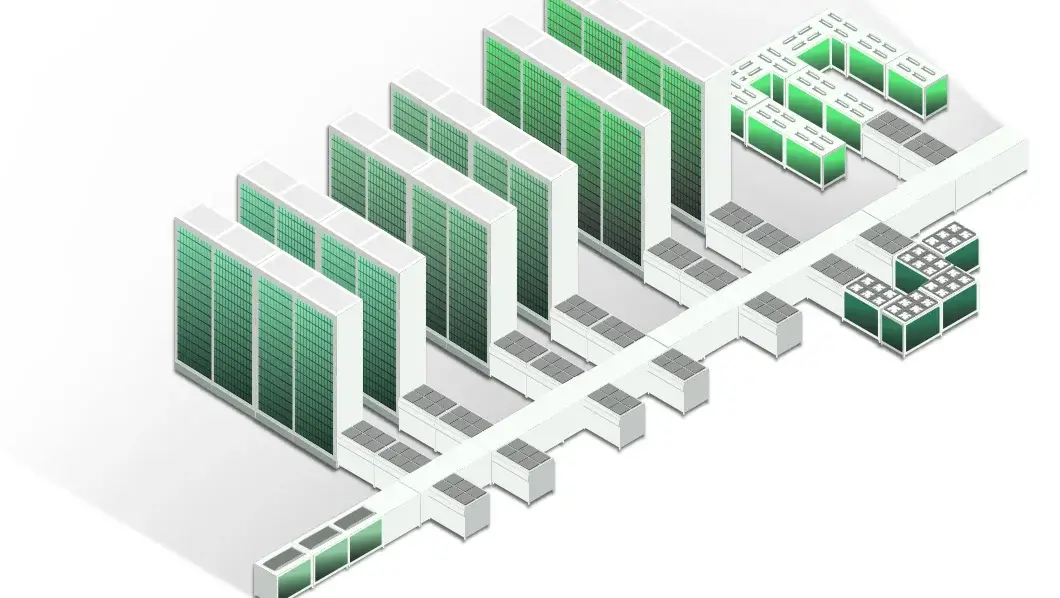
หลังจากการฉีดและการปิดผนึกอิเล็กโทรไลต์ เซลล์ลิเธียมไอออนจะเข้าสู่ระยะก่อตัว ซึ่งเซลล์เหล่านั้นจะได้รับการควบคุมการชาร์จและการคายประจุเป็นครั้งแรก
กระบวนการนี้ทำให้เกิดชั้น SEI (Solid Electrolyte Interphase) บนพื้นผิวแอโนด
ชั้น SEI มีความสำคัญอย่างยิ่งเนื่องจาก:
- ป้องกันการสลายตัวของอิเล็กโทรไลต์อย่างต่อเนื่อง
- ช่วยให้สามารถขนส่งลิเธียมไอออนได้
- ทำให้ปฏิกิริยาเคมีไฟฟ้าคงตัว
- กำหนดอายุการใช้งานของวงจรในระยะยาว
อย่างไรก็ตาม การก่อตัวของ SEI ขึ้นอยู่กับอุณหภูมิที่สูง
หากอุณหภูมิสูงขึ้นเร็วเกินไปหรือไม่สม่ำเสมอทั่วทั้งเซลล์ ชั้น SEI อาจพัฒนาไม่สอดคล้องกัน ซึ่งนำไปสู่:
- ความต้านทานที่สูงขึ้น
- ความจุไม่สอดคล้องกัน
- การชุบลิเธียม
- การสร้างก๊าซ
- เร่งการย่อยสลาย
นี่คือเหตุผลว่าทำไมการทำความเย็นแบบก่อตัวจึงแตกต่างโดยพื้นฐานจากการทำความเย็น HVAC ทั่วไปในโรงงาน เป้าหมายไม่ใช่แค่การกำจัดความร้อนเท่านั้น แต่ยังทำให้กระบวนการเคมีไฟฟ้าเสถียรอีกด้วย
เหตุใดการก่อตัวจึงสร้างความร้อนได้มาก
หลายๆ คนดูถูกดูแคลนภาระความร้อนที่เกิดขึ้นระหว่างการก่อตัว
การสร้างความร้อนส่วนใหญ่มาจากสามแหล่ง:
เครื่องทำความร้อนจูล
เมื่อกระแสไหลผ่านความต้านทานของเซลล์ภายใน ความร้อนจะถูกสร้างขึ้น:
Q = ฉัน^2 R เสื้อ
ที่ไหน:
- (I) = กระแสไฟชาร์จ
- (R) = ความต้านทานภายใน
- (t) = ระยะเวลาการชาร์จ
ในเซลล์ EV ขนาดใหญ่ที่มีกระแสการก่อตัวสูง การสะสมความร้อนนี้จะกลายเป็นเรื่องสำคัญ
ความร้อนจากปฏิกิริยาเคมีไฟฟ้า
การก่อตัวไม่ใช่กระบวนการทางไฟฟ้าเพียงอย่างเดียว
ปฏิกิริยาข้างเคียงเกิดขึ้นอย่างต่อเนื่องระหว่างการชาร์จครั้งแรก:
- การสลายตัวของอิเล็กโทรไลต์
- พ.ศ. รุ่น
- วิวัฒนาการของแก๊ส
- การแทรกแซงลิเธียม
ปฏิกิริยาเหล่านี้จะปล่อยความร้อนเพิ่มเติมนอกเหนือจากการให้ความร้อนแบบต้านทาน
การสะสมความร้อนของอุปกรณ์หนาแน่น
การประชุมเชิงปฏิบัติการการก่อตัวสมัยใหม่อาจประกอบด้วย:
- ช่องทางการก่อตัวนับหมื่น
- ชั้นวางแบบหลายชั้น
- ตู้แบตเตอรี่ความหนาแน่นสูง
- ระบบการปั่นจักรยานต่อเนื่องทุกวันตลอด 24 ชั่วโมง
ความท้าทายไม่เพียงแต่การกำจัดความร้อนเซลล์เดียวเท่านั้น แต่ยังขจัดภาระความร้อนที่สะสมจำนวนมากออกจากสภาพแวดล้อมที่อัดแน่นด้วย
เวิร์คช็อปการก่อตัวขนาดใหญ่อาจต้องการความสามารถในการทำความเย็นได้อย่างง่ายดายตั้งแต่:
- 300 กิโลวัตต์
- 500 กิโลวัตต์
- 1 เมกะวัตต์+
- ระบบรวมศูนย์หลายเมกะวัตต์
เหตุใดความสม่ำเสมอของอุณหภูมิจึงมีความสำคัญมากกว่าอุณหภูมิสัมบูรณ์
ความเข้าใจผิดที่ใหญ่ที่สุดประการหนึ่งเกี่ยวกับการระบายความร้อนของแบตเตอรี่คือการมุ่งเน้นไปที่อุณหภูมิเป้าหมายเท่านั้น
ในความเป็นจริง ความสม่ำเสมอของอุณหภูมิมักมีความสำคัญมากกว่าอุณหภูมิเอง
ตัวอย่างเช่น:
- เส้นก่อตัวที่ทำงานสม่ำเสมอที่อุณหภูมิ 30°C อาจทำงานได้ดีกว่าเส้นที่มีความผันผวนระหว่าง 25–28°C
- เดลต้าระหว่างเซลล์ต่อเซลล์ที่ 0.8°C อาจทำให้เกิดความเบี่ยงเบนของกำลังการผลิตที่วัดได้อยู่แล้ว
เนื่องจากอัตราปฏิกิริยาเคมีไฟฟ้าขึ้นอยู่กับอุณหภูมิ
ความแตกต่างแม้เพียงเล็กน้อยก็อาจทำให้:
- อัตราการเติบโตของ SEI ที่แตกต่างกัน
- การแพร่กระจายของลิเธียมไม่สม่ำเสมอ
- ความแปรผันของความต้านทานภายใน
- พฤติกรรมการแก่ชราที่ไม่สอดคล้องกัน
นี่คือสาเหตุที่ระบบการก่อตัวขั้นสูงมักต้องการ:
| แอปพลิเคชัน | ความเสถียรของอุณหภูมิ |
|---|---|
| เซลล์ EV มาตรฐาน | ±0.5°ซ |
| เซลล์ที่มีความหนาแน่นพลังงานสูง | ±0.3°ซ |
| แบตเตอรี่พรีเมี่ยม/อัตรา C สูง | ±0.1–0.2°ซ |
การบรรลุความเสถียรในระดับนี้ภายใต้ภาระความร้อนทางอุตสาหกรรมที่ผันผวนนั้นเป็นเรื่องยากอย่างยิ่งหากไม่มีสถาปัตยกรรมการระบายความร้อนที่มีความแม่นยำ
ระบายความร้อนด้วยน้ำและระบายความร้อนด้วยอากาศในการหล่อเย็นแบบก่อตัว
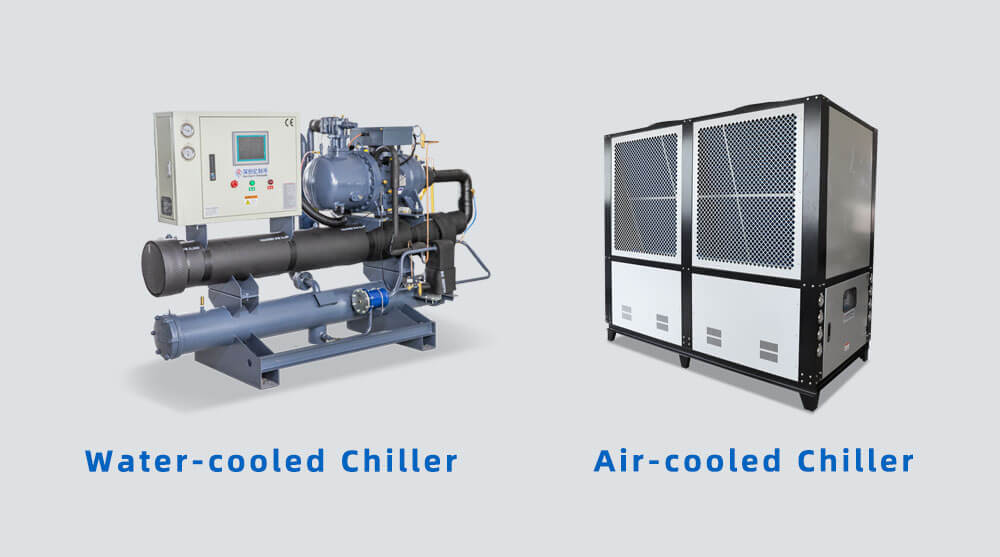
นี่เป็นหนึ่งในการตัดสินใจทางวิศวกรรมที่สำคัญที่สุดในการออกแบบโรงงานแบตเตอรี่
ทางเลือกไม่เพียงแต่เกี่ยวกับ “สิ่งไหนดีกว่า” แต่เกี่ยวกับ:
- ระดับภาระการทำความเย็น
- ประสิทธิภาพการใช้พลังงาน
- เงื่อนไขการติดตั้ง
- ต้นทุนการดำเนินงาน
- เค้าโครงโรงงาน
- สภาพภูมิอากาศ
- กลยุทธ์ความซ้ำซ้อน
ชิลเลอร์ระบายความร้อนด้วยน้ำ: ทำไม Gigafactory ถึงชอบมัน
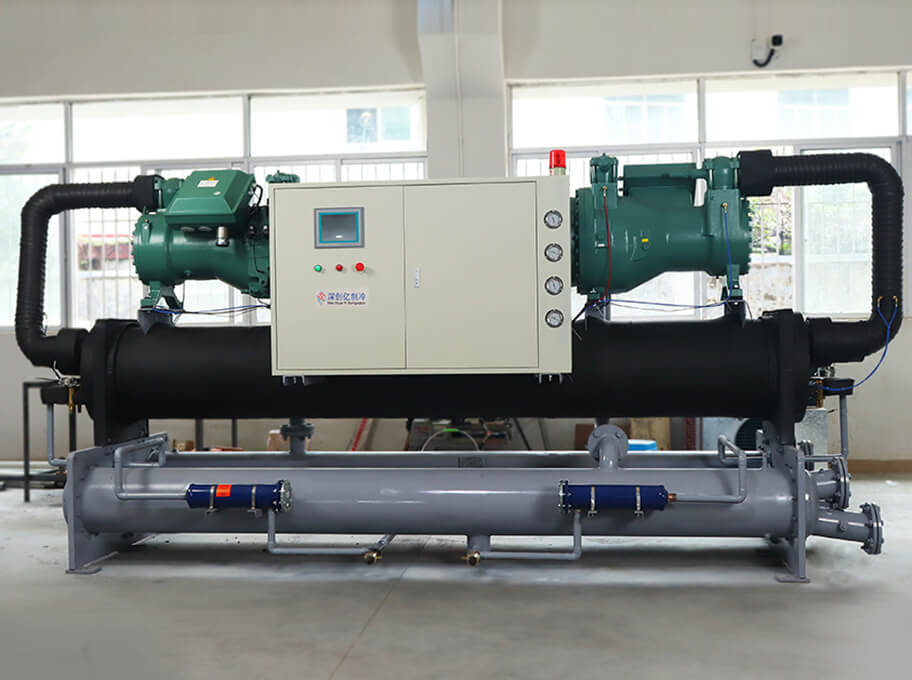
ชิลเลอร์ระบายความร้อนด้วยน้ำครองโรงงานแบตเตอรี่ขนาดใหญ่ เนื่องจากน้ำมีประสิทธิภาพการถ่ายเทความร้อนสูงกว่าอากาศอย่างมาก
ในทางเทคนิค:
- ค่าการนำความร้อนของน้ำสูงกว่าอากาศประมาณ 25 เท่า
- ความจุความร้อนตามปริมาตรของน้ำสูงกว่าอากาศประมาณ 3,500 เท่า
ช่วยให้ระบบระบายความร้อนด้วยน้ำสามารถขจัดภาระความร้อนขนาดใหญ่ได้อย่างมีประสิทธิภาพมากขึ้น
สถาปัตยกรรมระบบระบายความร้อนด้วยน้ำทั่วไป
ระบบระบายความร้อนด้วยน้ำของเวิร์กช็อปการก่อตัวมักจะประกอบด้วย:
- โรงงานเครื่องทำความเย็นส่วนกลาง
- หอทำความเย็น
- ปั้มน้ำเย็น
- ลูปกระบวนการรอง
- แผ่นแลกเปลี่ยนความร้อน
- วงจรระบายความร้อนของตู้ก่อตัว
โรงงานขนาดใหญ่ส่วนใหญ่ใช้ระบบรองแบบวงปิดเพื่อแยกน้ำในกระบวนการผลิตออกจากวงจรเครื่องทำความเย็นหลัก
ช่วงความสามารถในการทำความเย็นที่ประหยัดที่สุด
ชิลเลอร์ระบายความร้อนด้วยน้ำมีความเหนือกว่าในเชิงเศรษฐกิจเมื่อภาระการทำความเย็นเกินประมาณ:
| โหลดความเย็น | โซลูชั่นที่แนะนำ |
|---|---|
| <100 กิโลวัตต์ | มักจะระบายความร้อนด้วยอากาศ |
| 100–300 กิโลวัตต์ | ขึ้นอยู่กับสภาพอากาศและรันไทม์ |
| 300 กิโลวัตต์-1 เมกะวัตต์ | ระบายความร้อนด้วยน้ำได้เปรียบมากขึ้น |
| >1 เมกะวัตต์ | ระบายความร้อนด้วยน้ำเป็นที่ต้องการอย่างมาก |
ทำไม
เนื่องจากการใช้พลังงานของคอมเพรสเซอร์เพิ่มขึ้นอย่างมากในระบบระบายความร้อนด้วยอากาศภายใต้อุณหภูมิแวดล้อมที่สูง
ระบบระบายความร้อนด้วยน้ำจะรักษาอุณหภูมิการควบแน่นที่ต่ำลง โดยปรับปรุง:
- COP (สัมประสิทธิ์การปฏิบัติงาน)
- EER (อัตราส่วนประสิทธิภาพพลังงาน)
- อายุการใช้งานของคอมเพรสเซอร์
- ต้นทุนการดำเนินงานระยะยาว
ข้อดีทางเทคนิคของระบบระบายความร้อนด้วยน้ำ
อุณหภูมิควบแน่นต่ำลง
คอนเดนเซอร์ระบายความร้อนด้วยอากาศขึ้นอยู่กับอากาศภายนอกภายนอกโดยตรง
ในฤดูร้อน:
- อุณหภูมิโดยรอบอาจสูงถึง 35–45°C
- อุณหภูมิควบแน่นอาจเกิน 50°C
ระบบระบายความร้อนด้วยน้ำโดยใช้หอทำความเย็นอาจรักษาอุณหภูมิการควบแน่นให้ใกล้กับ:
- 28–32°ซ
สิ่งนี้ช่วยปรับปรุงประสิทธิภาพของคอมเพรสเซอร์ได้อย่างมาก
เสถียรภาพทางความร้อนที่ดีขึ้น
ระบบน้ำมีความเฉื่อยทางความร้อนที่ใหญ่กว่า
ซึ่งจะช่วยระงับความผันผวนของโหลดอย่างกะทันหันที่เกิดจาก:
- รอบการชาร์จพร้อมกัน
- การสลับระยะการก่อตัว
- โหลดการปลดปล่อยสูงสุด
สิ่งนี้มีความสำคัญอย่างยิ่งต่อการรักษาความแม่นยำ ±0.1–0.3°C
ความเหมาะสมที่ดีกว่าสำหรับความซ้ำซ้อน N+1
Gigafactory ขนาดใหญ่มักจะใช้งาน:
- ความซ้ำซ้อนของเครื่องทำความเย็น N+1
- ความซ้ำซ้อนของปั๊มคู่
- ระบบจ่ายไฟแบบคู่
โรงงานส่วนกลางที่ระบายความร้อนด้วยน้ำสามารถขยายขนาดซ้ำซ้อนได้ง่ายกว่า โดยไม่เกิดรอยเท้ามากเกินไป
ชิลเลอร์ระบายความร้อนด้วยอากาศ: จุดที่สมเหตุสมผลจริงๆ

ชิลเลอร์ระบายความร้อนด้วยอากาศมักถูกเข้าใจผิด
ไม่ใช่ระบบที่ "ด้อยกว่า" - ได้รับการปรับให้เหมาะสมกับสภาวะการทำงานที่แตกต่างกัน
กรณีการใช้งานที่ดีที่สุดสำหรับระบบระบายความร้อนด้วยอากาศ
ชิลเลอร์ระบายความร้อนด้วยอากาศจะประหยัดที่สุดเมื่อ:
- โหลดการทำความเย็นค่อนข้างน้อย
- ความเรียบง่ายในการติดตั้งมีความสำคัญ
- ไม่มีโครงสร้างพื้นฐานของคูลลิ่งทาวเวอร์
- ทรัพยากรน้ำมีจำกัด
- จำเป็นต้องมีการปรับใช้อย่างรวดเร็ว
การใช้งานทั่วไป ได้แก่:
- สายการผลิตนำร่อง
- ระบบการสร้างห้องปฏิบัติการ
- โรงงานแบตเตอรี่ขนาดเล็ก
- อุปกรณ์ทดสอบอิสระ
ช่วงความจุที่ประหยัดที่สุด
โดยทั่วไประบบระบายความร้อนด้วยอากาศจะคุ้มค่าที่สุดภายใน:
| โหลดความเย็น | ความเหมาะสมทางเศรษฐกิจ |
|---|---|
| <50 กิโลวัตต์ | ยอดเยี่ยม |
| 50–150 กิโลวัตต์ | มีการแข่งขันสูง |
| 150–300 กิโลวัตต์ | มีเงื่อนไข |
| >300 กิโลวัตต์ | มักจะประหยัดน้อยกว่า |
นอกเหนือจากช่วงนี้ ยังมีปัญหาหลายประการเกิดขึ้น:
- ต้องการพื้นที่คอนเดนเซอร์ที่ใหญ่ขึ้น
- การใช้พลังงานของพัดลมสูงขึ้น
- ประสิทธิภาพลดลงในสภาพอากาศร้อน
- เพิ่มแรงดันหัวคอมเพรสเซอร์
ข้อจำกัดทางเทคนิคของระบบระบายความร้อนด้วยอากาศ
การพึ่งพาอุณหภูมิโดยรอบ
ระบบระบายความร้อนด้วยอากาศขึ้นอยู่กับอุณหภูมิภายนอกโดยตรง
ในสภาพอากาศที่มีอุณหภูมิสูง:
- แรงดันควบแน่นเพิ่มขึ้น
- กำลังของคอมเพรสเซอร์เพิ่มขึ้น
- ความสามารถในการทำความเย็นลดลง
สิ่งนี้จะสร้างความไม่มั่นคงระหว่างการดำเนินการที่มีช่วงพีคในฤดูร้อน
ความเสถียรในการรับน้ำหนักส่วนล่าง
ภาระความร้อนของการก่อตัวจะผันผวนอย่างต่อเนื่อง
ระบบระบายความร้อนด้วยอากาศตอบสนองช้ากว่าเนื่องจากอากาศมีความเฉื่อยความร้อนต่ำกว่าน้ำ
ทำให้การควบคุมที่มีความแม่นยำสูงพิเศษทำได้ยากขึ้น
ข้อควรพิจารณาด้านเสียงและพื้นที่
ระบบระบายความร้อนด้วยอากาศขนาดใหญ่ต้องการ:
- พื้นผิวคอยล์คอนเดนเซอร์ขนาดใหญ่
- แฟน EC หลายคน
- พื้นที่บนชั้นดาดฟ้าหรือกลางแจ้งที่สำคัญ
การจัดการเรื่องเสียงยังกลายเป็นข้อกังวลในโรงงานในเมืองอีกด้วย
เหตุใดการระบายความร้อนที่แม่นยำในชั้นหินจึงกลายเป็นเรื่องยากมากขึ้น
แนวโน้มของแบตเตอรี่กำลังเพิ่มความซับซ้อนในการระบายความร้อน
ความหนาแน่นของพลังงานที่สูงขึ้น
แบตเตอรี่สมัยใหม่บรรจุพลังงานมากขึ้นในปริมาณที่น้อยลง
สิ่งนี้เพิ่มขึ้น:
- ความหนาแน่นของการเกิดความร้อน
- ความเสี่ยงจากความร้อนหนีไม่พ้น
- ข้อกำหนดความแม่นยำในการทำความเย็น
เทคโนโลยีการชาร์จที่เร็วขึ้น
การชาร์จด้วยอัตรา C สูงจะช่วยเพิ่มการสร้างความร้อนได้อย่างมาก
สิ่งนี้บังคับให้ระบบระบายความร้อนตอบสนองต่อโหลดความร้อนแบบไดนามิกได้เร็วขึ้น
รูปแบบเซลล์ที่ใหญ่ขึ้น
เซลล์ทรงกระบอก 4680 เซลล์และเซลล์กระเป๋าขนาดใหญ่ทำให้เกิดการสะสมความร้อนภายในมากกว่าเซลล์ขนาดเล็ก
การระบายความร้อนที่สม่ำเสมอจะยากขึ้นเนื่องจากการไล่ระดับความร้อนเพิ่มขึ้น
แนวโน้มสารทำความเย็น: R32 และ R290
กฎระเบียบด้านสิ่งแวดล้อมกำลังเปลี่ยนรูปแบบการออกแบบเครื่องทำความเย็นอุตสาหกรรม
สารทำความเย็นแบบเดิมที่มีค่า GWP สูง (ศักยภาพในการทำให้เกิดภาวะโลกร้อน) จะค่อยๆ ถูกแทนที่
ระบบระบายความร้อนแบตเตอรี่สมัยใหม่นำมาใช้มากขึ้น:
| สารทำความเย็น | ข้อได้เปรียบที่สำคัญ |
|---|---|
| R32 | ประสิทธิภาพสูงขึ้น GWP ที่ต่ำกว่า |
| R290 | GWP ต่ำเป็นพิเศษ เป็นมิตรกับสิ่งแวดล้อม |
อย่างไรก็ตาม การเลือกสารทำความเย็นยังส่งผลต่อ:
- มาตรฐานความปลอดภัย
- การออกแบบคอมเพรสเซอร์
- กฎเกณฑ์การจำกัดค่าธรรมเนียม
- ข้อกำหนดการปฏิบัติตามโรงงาน
นี่กำลังกลายเป็นข้อพิจารณาทางวิศวกรรมที่สำคัญในการออกแบบ Gigafactory ในอนาคต
บทสรุป
การระบายความร้อนด้วยการก่อตัวของแบตเตอรี่มีความซับซ้อนมากกว่าการระบายความร้อนด้วยกระบวนการทางอุตสาหกรรมแบบเดิมๆ
ความท้าทายไม่ได้เป็นเพียงการขจัดความร้อนเท่านั้น แต่ยังรักษาความเสถียรทางไฟฟ้าเคมีในเซลล์นับล้านที่ทำงานอย่างต่อเนื่องภายใต้สภาวะความร้อนที่มีไดนามิกสูง
ชิลเลอร์ระบายความร้อนด้วยน้ำครองการใช้งาน Gigafactory ขนาดใหญ่ เนื่องจากมีประสิทธิภาพที่เหนือกว่า มีเสถียรภาพทางความร้อน และความสามารถในการขยายขนาดที่สูงกว่าโหลด 300 kW-1 MW
ระบบระบายความร้อนด้วยอากาศยังคงมีประสิทธิภาพสูงสำหรับการผลิตขนาดเล็ก ห้องปฏิบัติการ และการทำความเย็นอุปกรณ์แบบกระจายอำนาจ โดยที่ความยืดหยุ่นในการติดตั้งและต้นทุนโครงสร้างพื้นฐานที่ต่ำกว่าเป็นสิ่งสำคัญ
เนื่องจากความหนาแน่นของพลังงานแบตเตอรี่ ความเร็วในการชาร์จ และขนาดการผลิตเพิ่มขึ้นอย่างต่อเนื่อง ระบบระบายความร้อนที่มีความแม่นยำจึงมีความสำคัญอย่างยิ่งต่อคุณภาพแบตเตอรี่ ความปลอดภัย และเศรษฐศาสตร์การผลิต
