

 مبرد محمول
 مبرد بالهواء
 مبرد مبرد بالماء
 مبرد درجة حرارة منخفضة
 مبرد صناعي مخصص


يعتبر تشكيل البطارية على نطاق واسع أحد أكثر المراحل التي تتطلب حرارة في تصنيع بطاريات الليثيوم أيون. على عكس التبريد البيئي البسيط، يتفاعل تبريد التكوين بشكل مباشر مع التفاعلات الكهروكيميائية التي تحدث داخل الخلية أثناء دورات الشحن والتفريغ الأولى.
في هذه المرحلة، تكون خلية البطارية نشطة كهربائيًا، وغير مستقرة كيميائيًا، وحساسة للغاية للتقلبات الحرارية. حتى الانحرافات الصغيرة في درجات الحرارة يمكن أن تؤثر على تكوين طبقة SEI، وتوزيع المقاومة الداخلية، وسلوك طلاء الليثيوم، واستقرار الدورة على المدى الطويل.
بالنسبة لمصانع EV Gigafactory الحديثة التي تنتج ملايين الخلايا سنويًا، لم يعد تبريد التكوين مجرد نظام مرافق - بل أصبح جزءًا من هندسة العملية نفسها.
ما الذي يحدث فعليًا أثناء تكوين البطارية؟
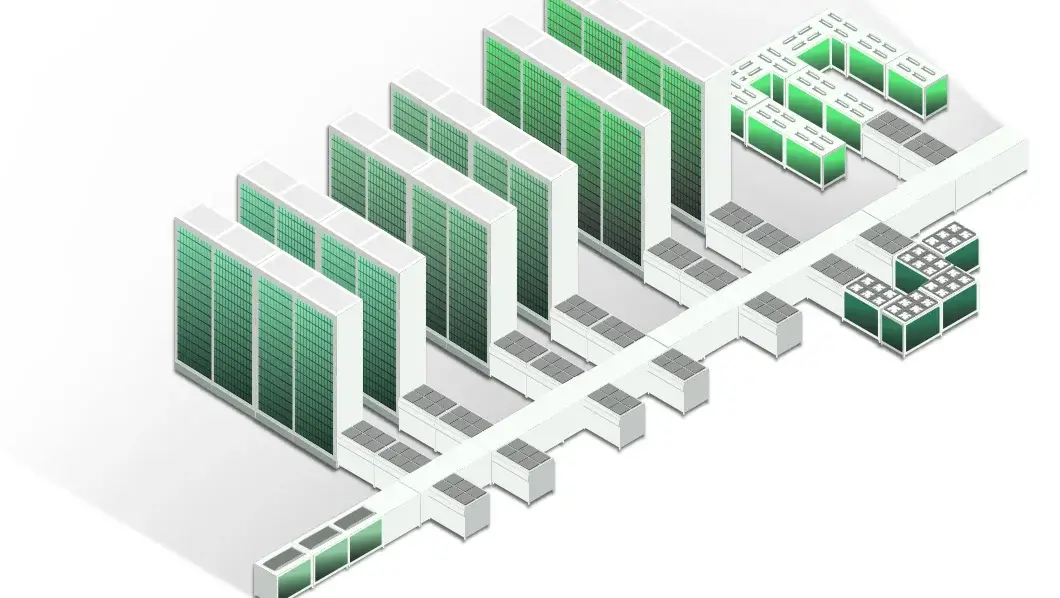
بعد حقن الإلكتروليت وختمه، تدخل خلايا أيونات الليثيوم مرحلة التكوين، حيث تخضع للشحن والتفريغ الخاضعين للرقابة لأول مرة.
تتيح هذه العملية تكوين طبقة SEI (الطور البيني للإلكتروليت الصلب) على سطح الأنود.
تعتبر طبقة SEI ذات أهمية بالغة لأنها:
- يمنع تحلل المنحل بالكهرباء المستمر
- يسمح بنقل أيونات الليثيوم
- يستقر التفاعلات الكهروكيميائية
- يحدد دورة حياة طويلة الأجل
ومع ذلك، تشكيل SEI يعتمد بشكل كبير على درجة الحرارة.
إذا ارتفعت درجة الحرارة بسرعة كبيرة جدًا أو أصبحت غير متساوية عبر الخلايا، فقد تتطور طبقة SEI بشكل غير متسق، مما يؤدي إلى:
- مقاومة أعلى
- عدم تناسق القدرات
- طلاء الليثيوم
- توليد الغاز
- تسارع التدهور
هذا هو السبب في أن تبريد التكوين يختلف اختلافًا جوهريًا عن تبريد HVAC العام في المصنع. الهدف ليس فقط إزالة الحرارة، ولكن أيضًا تثبيت العملية الكهروكيميائية.
لماذا يولد التكوين الكثير من الحرارة؟
كثير من الناس يقللون من شأن الحمل الحراري الناتج أثناء التكوين.
يأتي توليد الحرارة بشكل رئيسي من ثلاثة مصادر:
جول للتدفئة
عندما يمر التيار عبر مقاومة الخلايا الداخلية، يتم توليد الحرارة:
س = أنا^2 ر
أين:
- (I) = تيار الشحن
- (R) = المقاومة الداخلية
- (ر) = مدة الشحن
في خلايا EV كبيرة الحجم ذات تيارات تكوين عالية، يصبح تراكم الحرارة كبيرًا.
حرارة التفاعل الكهروكيميائي
التكوين ليس عملية كهربائية بحتة.
تحدث التفاعلات الجانبية بشكل مستمر أثناء الشحن الأولي:
- تحلل المنحل بالكهرباء
- جيل BE
- تطور الغاز
- إقحام الليثيوم
تطلق هذه التفاعلات حرارة إضافية تتجاوز التسخين المقاوم.
المعدات الكثيفة التراكم الحراري
قد تحتوي ورش التكوين الحديثة على:
- عشرات الآلاف من قنوات التشكيل
- رفوف تشكيل متعددة الطبقات
- خزائن البطارية عالية الكثافة
- أنظمة ركوب الدراجات المستمرة 24/7
ولا يتمثل التحدي في إزالة الحرارة من خلية واحدة فحسب، بل في إزالة الأحمال الحرارية الهائلة المتراكمة من البيئات المكتظة بإحكام.
قد تتطلب ورشة التشكيل الكبيرة بسهولة قدرات تبريد تتراوح من:
- 300 كيلوواط
- 500 كيلوواط
- 1 ميغاواط+
- أنظمة مركزية متعددة الميجاوات
لماذا يعد توحيد درجة الحرارة أكثر أهمية من درجة الحرارة المطلقة؟
أحد أكبر المفاهيم الخاطئة في تبريد البطارية هو التركيز فقط على درجة الحرارة المستهدفة.
في الواقع، غالبًا ما يكون توحيد درجة الحرارة أكثر أهمية من درجة الحرارة نفسها.
على سبيل المثال:
- قد يكون أداء خط التكوين الذي يعمل بشكل موحد عند 30 درجة مئوية أفضل من الخط الذي يتقلب بين 25-28 درجة مئوية.
- قد تؤدي دلتا خلية إلى خلية البالغة 0.8 درجة مئوية بالفعل إلى إنشاء انحراف قابل للقياس في القدرة.
وذلك لأن معدلات التفاعل الكهروكيميائي تعتمد على درجة الحرارة.
حتى الاختلافات الصغيرة قد تسبب:
- معدلات نمو مختلفة لـ SEI
- انتشار غير متساو للليثيوم
- اختلاف المقاومة الداخلية
- سلوك الشيخوخة غير المتناسق
ولهذا السبب تتطلب أنظمة التكوين المتقدمة في كثير من الأحيان ما يلي:
| طلب | استقرار درجة الحرارة |
|---|---|
| خلايا EV القياسية | ± 0.5 درجة مئوية |
| خلايا ذات كثافة عالية من الطاقة | ±0.3 درجة مئوية |
| بطاريات ممتازة/عالية معدل C | ±0.1–0.2 درجة مئوية |
يعد تحقيق هذا المستوى من الاستقرار في ظل الأحمال الحرارية الصناعية المتقلبة أمرًا صعبًا للغاية بدون بنية تبريد دقيقة.
المبردات المبردة بالماء مقابل المبردات المبردة بالهواء في تبريد التكوين
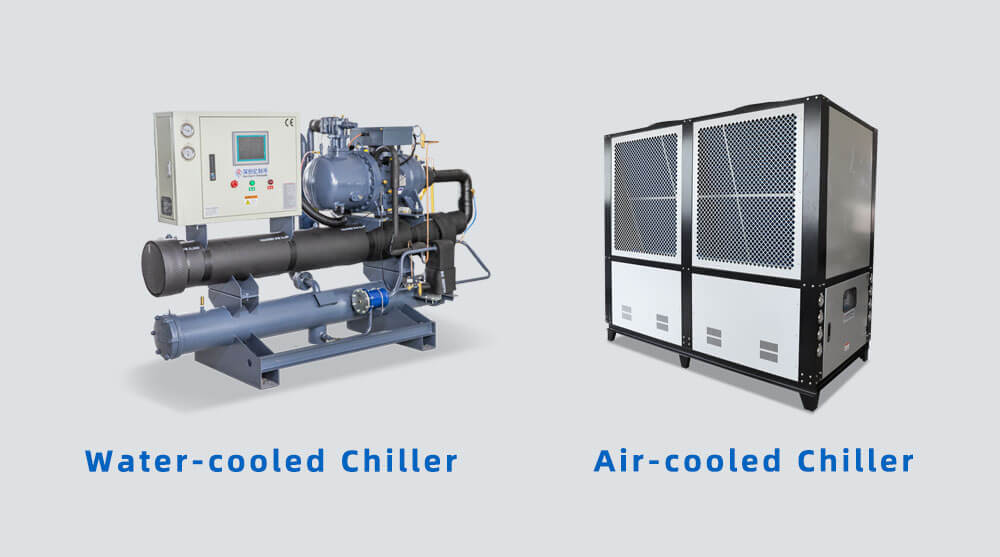
يعد هذا أحد أهم القرارات الهندسية في تصميم مصنع البطاريات.
لا يقتصر الاختيار على "أيهما أفضل"، بل يتعلق بما يلي:
- مقياس حمل التبريد
- كفاءة الطاقة
- شروط التثبيت
- التكلفة التشغيلية
- تخطيط المصنع
- الظروف المناخية
- استراتيجية التكرار
المبردات المبردة بالماء: لماذا تفضلها المصانع العملاقة؟
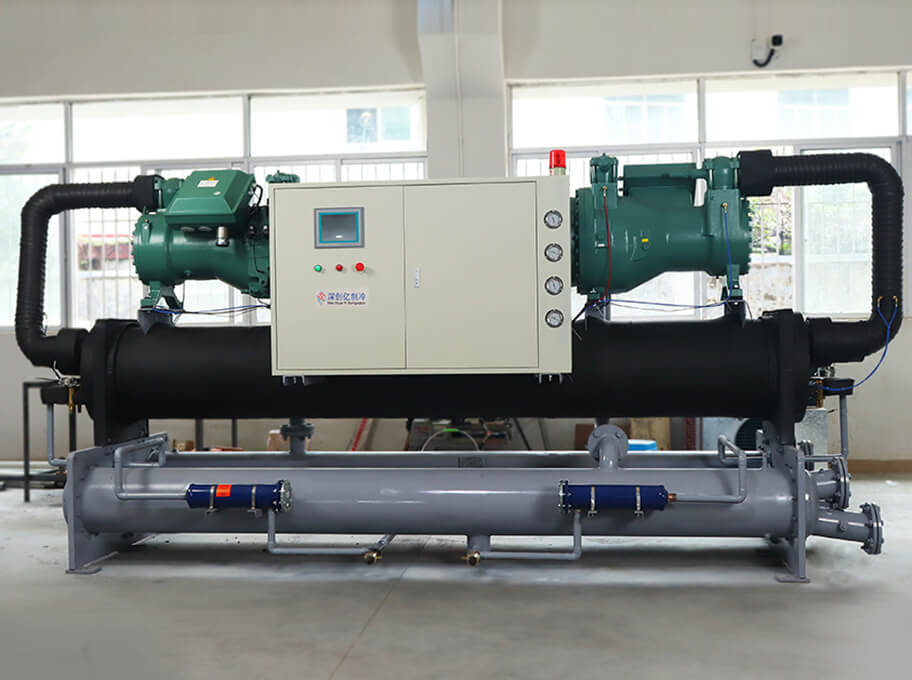
تهيمن المبردات المبردة بالماء على مصانع البطاريات واسعة النطاق لأن الماء يتمتع بكفاءة أعلى بكثير في نقل الحرارة مقارنة بالهواء.
من الناحية الفنية:
- الموصلية الحرارية للماء أعلى بحوالي 25 مرة من الهواء
- السعة الحرارية الحجمية للمياه أعلى بحوالي 3500 مرة من الهواء
وهذا يسمح للأنظمة المبردة بالمياه بإزالة الأحمال الحرارية الكبيرة بكفاءة أكبر.
البنية النموذجية لنظام تبريد المياه
يتضمن نظام التبريد المائي في ورشة التشكيل عادة ما يلي:
- مصنع التبريد المركزي
- أبراج التبريد
- مضخات المياه المبردة
- حلقة العملية الثانوية
- لوحة المبادلات الحرارية
- دوائر تبريد خزانة التشكيل
تستخدم معظم المصانع الكبيرة أنظمة ثانوية مغلقة لعزل المياه المعالجة عن حلقة التبريد الرئيسية.
نطاق سعة التبريد الأكثر اقتصادية
تصبح المبردات المبردة بالماء متفوقة اقتصاديًا عندما تتجاوز أحمال التبريد تقريبًا:
| تحميل التبريد | الحل الموصى به |
|---|---|
| <100 كيلوواط | عادة ما يتم تبريده بالهواء |
| 100-300 كيلو واط | يعتمد على المناخ ووقت التشغيل |
| 300 كيلوواط – 1 ميغاواط | المياه المبردة مفيدة على نحو متزايد |
| > 1 ميغاواط | يفضل تبريده بالماء بشدة |
لماذا؟
لأن استهلاك طاقة الضاغط يرتفع بشكل كبير في أنظمة تبريد الهواء تحت درجات الحرارة المحيطة المرتفعة.
تحافظ الأنظمة المبردة بالمياه على درجات حرارة تكثيف منخفضة، مما يؤدي إلى تحسين:
- COP (معامل الأداء)
- EER (نسبة كفاءة الطاقة)
- عمر الضاغط
- التكلفة التشغيلية طويلة المدى
المزايا التقنية للأنظمة المبردة بالمياه
انخفاض درجة حرارة التكثيف
تعتمد المكثفات المبردة بالهواء بشكل مباشر على الهواء المحيط الخارجي.
في الصيف:
- قد تصل درجة الحرارة المحيطة إلى 35-45 درجة مئوية
- قد تتجاوز درجة حرارة التكثيف 50 درجة مئوية
قد تحافظ أنظمة تبريد المياه التي تستخدم أبراج التبريد على درجات حرارة التكثيف أقرب إلى:
- 28-32 درجة مئوية
يؤدي هذا إلى تحسين كفاءة الضاغط بشكل كبير.
استقرار حراري أفضل
أنظمة المياه لديها الجمود الحراري أكبر.
يساعد هذا في منع تقلبات التحميل المفاجئة الناتجة عن:
- دورات الشحن المتزامنة
- تبديل مرحلة التشكيل
- أحمال التفريغ الذروة
وهذا أمر بالغ الأهمية للحفاظ على دقة ±0.1–0.3 درجة مئوية.
ملاءمة أفضل لتكرار N+1
غالبًا ما تنشر المصانع الضخمة ما يلي:
- N+1 تكرار المبرد
- تكرار المضخة المزدوجة
- أنظمة إمداد الطاقة المزدوجة
من السهل توسيع نطاق المحطات المركزية المبردة بالماء بشكل متكرر دون زيادة كبيرة في البصمة.
المبردات المبردة بالهواء: حيث تكون منطقية بالفعل

غالبًا ما يُساء فهم المبردات المبردة بالهواء.
إنها ليست أنظمة "أدنى" - فهي مُحسّنة لظروف التشغيل المختلفة.
أفضل حالات الاستخدام لأنظمة تبريد الهواء
تعتبر المبردات المبردة بالهواء أكثر اقتصادية عندما:
- حمل التبريد صغير نسبيا
- بساطة التثبيت مهمة
- لا توجد بنية تحتية لبرج التبريد
- الموارد المائية محدودة
- مطلوب النشر السريع
تشمل التطبيقات النموذجية ما يلي:
- خطوط الإنتاج التجريبية
- أنظمة التكوين المعملية
- مصانع البطاريات الصغيرة
- معدات الاختبار المستقلة
نطاق القدرة الأكثر اقتصادا
عادةً ما تكون أنظمة تبريد الهواء أكثر فعالية من حيث التكلفة في:
| تحميل التبريد | الملاءمة الاقتصادية |
|---|---|
| <50 كيلوواط | ممتاز |
| 50-150 كيلو واط | تنافسية للغاية |
| 150-300 كيلو واط | شرطي |
| > 300 كيلوواط | عادة أقل اقتصادا |
وخارج هذا النطاق تظهر عدة مسائل:
- مطلوب مساحة مكثف أكبر
- ارتفاع استهلاك طاقة المروحة
- انخفاض الكفاءة في المناخات الحارة
- زيادة ضغط رأس الضاغط
القيود الفنية لأنظمة تبريد الهواء
الاعتماد على درجة الحرارة المحيطة
تعتمد أنظمة تبريد الهواء بشكل مباشر على درجة الحرارة الخارجية.
في المناخات ذات درجات الحرارة المرتفعة:
- يرتفع ضغط التكثيف
- تزداد قوة الضاغط
- تنخفض قدرة التبريد
وهذا يخلق عدم الاستقرار أثناء ذروة التشغيل في الصيف.
انخفاض استقرار التحميل الجزئي
تتقلب الأحمال الحرارية للتكوين بشكل مستمر.
تستجيب أنظمة تبريد الهواء بشكل أبطأ لأن الهواء لديه قصور ذاتي حراري أقل من الماء.
وهذا يجعل التحكم الدقيق للغاية أكثر صعوبة.
اعتبارات الضوضاء والفضاء
تتطلب أنظمة تبريد الهواء الكبيرة ما يلي:
- أسطح لفائف المكثف الكبيرة
- مراوح EC متعددة
- مساحة كبيرة على السطح أو في الهواء الطلق
أصبحت إدارة الضوضاء أيضًا مصدر قلق في المصانع الحضرية.
لماذا أصبح التبريد الدقيق للتكوين أكثر صعوبة
تعمل اتجاهات البطارية على زيادة تعقيد التبريد.
كثافة طاقة أعلى
تقوم البطاريات الحديثة بتعبئة المزيد من الطاقة بكميات أصغر.
وهذا يزيد:
- كثافة توليد الحرارة
- خطر الهروب الحراري
- متطلبات دقة التبريد
تقنية شحن أسرع
يؤدي الشحن بمعدل C المرتفع إلى زيادة توليد الحرارة بشكل كبير.
وهذا يجبر أنظمة التبريد على الاستجابة بشكل أسرع للأحمال الحرارية الديناميكية.
تنسيقات الخلايا الأكبر
تخلق 4680 خلية أسطوانية وخلايا كيسية كبيرة تراكمًا للحرارة الداخلية أكثر من الخلايا الأصغر.
يصبح التبريد الموحد أكثر صعوبة مع زيادة التدرجات الحرارية.
اتجاهات المبردات: R32 وR290
تعمل اللوائح البيئية على إعادة تشكيل تصميم المبردات الصناعية.
يتم تدريجياً استبدال المبردات التقليدية ذات القدرة العالية على الاحتباس الحراري (GWP).
تعتمد أنظمة تبريد البطاريات الحديثة بشكل متزايد على ما يلي:
| المبرد | الميزة الرئيسية |
|---|---|
| R32 | كفاءة أعلى، وانخفاض القدرة على إحداث الاحترار العالمي |
| R290 | قدرة منخفضة للغاية على إحداث الاحترار العالمي، وصديقة للبيئة |
ومع ذلك، فإن اختيار مادة التبريد يؤثر أيضًا على:
- معايير السلامة
- تصميم الضاغط
- لوائح تقييد الرسوم
- متطلبات الامتثال للمصنع
لقد أصبح هذا أحد الاعتبارات الهندسية المهمة في تصميم Gigafactory المستقبلي.
استنتاج
يعد تبريد تكوين البطارية أكثر تعقيدًا بكثير من تبريد العمليات الصناعية التقليدية.
ولا يتمثل التحدي في إزالة الحرارة فحسب، بل في الحفاظ على الاستقرار الكهروكيميائي عبر ملايين الخلايا التي تعمل بشكل مستمر في ظل ظروف حرارية عالية الديناميكية.
تهيمن المبردات المبردة بالماء على تطبيقات Gigafactory الكبيرة نظرًا لكفاءتها الفائقة واستقرارها الحراري وقابليتها للتوسع فوق أحمال تتراوح بين 300 كيلووات و1 ميجاوات.
تظل أنظمة تبريد الهواء فعالة للغاية بالنسبة للإنتاج على نطاق أصغر، والمختبرات، وتبريد المعدات اللامركزية حيث تكون مرونة التركيب وانخفاض تكاليف البنية التحتية من الأولويات.
مع استمرار زيادة كثافة طاقة البطارية وسرعة الشحن وحجم الإنتاج، ستصبح أنظمة التبريد الدقيقة أكثر أهمية لجودة البطارية والسلامة واقتصاديات التصنيع.
