

 Máy làm lạnh di động
 Máy làm lạnh làm mát bằng không khí
 Máy làm lạnh làm mát bằng nước
 Máy làm lạnh nhiệt độ thấp
 Máy làm lạnh công nghiệp tùy chỉnh


Xử lý wafer là một trong những môi trường sản xuất nhạy cảm với nhiệt nhất trong ngành công nghiệp hiện đại. Không giống như làm mát công nghiệp thông thường, điều khiển nhiệt độ bán dẫn hoạt động ở quy mô độ trung thực của mẫu ở cấp độ nanomet, khắc tính đồng nhất, Và độ chính xác lắng đọng đều có thể bị ảnh hưởng bởi sự dao động nhiệt độ nhỏ như ±0,05°C.
Trong bối cảnh này, máy làm lạnh vòng kín không chỉ đơn giản là một “máy làm mát”. Nó là một hệ thống điều khiển nhiệt chính xác được tích hợp vào kiến trúc quy trình của thiết bị chế tạo tấm bán dẫn. Vai trò của nó là duy trì các điều kiện nhiệt cực kỳ ổn định trên các công cụ như hệ thống in thạch bản, buồng khắc, lò phản ứng lắng đọng và nền tảng đo lường.
Thách thức về kiểm soát nhiệt trong sản xuất chất bán dẫn được đặc trưng bởi:
- Yêu cầu độ chính xác cực cao: Độ ổn định nhiệt độ thường nằm trong khoảng ±0,05–0,1°C đối với các quy trình quan trọng
- Hồ sơ tải động: Chu kỳ nhiệt nhanh với hằng số thời gian từ giây đến phút
- Quản lý nhiệt đa vùng: Kiểm soát độc lập nhiều vùng nhiệt độ trong một công cụ duy nhất
- Yêu cầu độ tinh khiết cực cao: Điện trở suất của nước DI >18 MΩ·cm, số lượng hạt <1 trên mL ở mức 0,05 μm
Để hiểu tại sao hệ thống vòng kín lại cần thiết, cần phải phân tích cả kiến trúc hệ thống và tính chất vật lý nhiệt đằng sau quá trình xử lý tấm bán dẫn.
Tại sao kiểm soát nhiệt lại quan trọng trong xử lý wafer
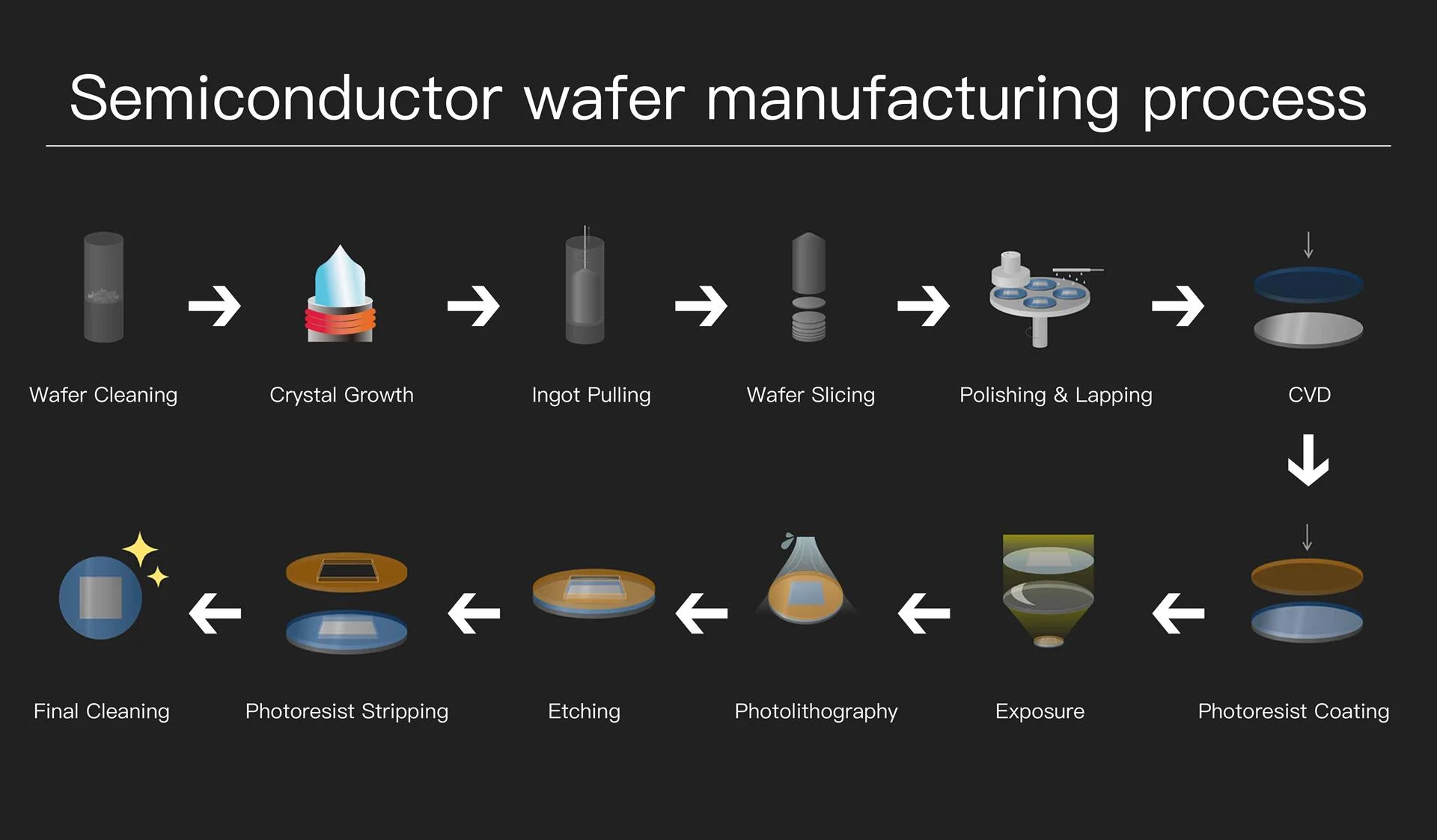
Tấm bán dẫn được sản xuất ở độ chính xác ở quy mô nanomet. Ở mức độ này, ngay cả những sai lệch nhiệt cực nhỏ cũng có thể dẫn đến sự biến đổi có thể đo lường được của quy trình thông qua nhiều cơ chế:
Hiệu ứng nhiệt trên các thông số quy trình
| Quá trình | Cơ chế hiệu ứng nhiệt | Độ nhạy nhiệt độ | Tác động của độ lệch ± 0,1°C |
|---|---|---|---|
| Quang khắc (DUV/EUV) | Độ nhớt của chất quang điện, sự giãn nở của wafer | ±0,02 nm/°C (biến thể CD) | Dịch chuyển CD: 0,2–0,5 nm |
| khắc plasma | Tốc độ ăn mòn, độ chọn lọc, hồ sơ | ±1–3%/°C (tốc độ ăn mòn) | Sự thay đổi độ sâu khắc: 2–5 nm |
| Lắng đọng CVD | Động học phản ứng, ứng suất màng | ±2–5%/°C (tốc độ lắng đọng) | Độ dày không đồng đều: 0,5–1% |
| Chế biến ướt | Tốc độ phản ứng hóa học, khuếch tán | ±5–10%/°C (tốc độ phản ứng) | Biến đổi tỷ lệ ăn mòn: 5–10% |
| Cấy ion | Độ ổn định của chùm tia, sạc wafer | ±0,5%/°C (độ đồng đều về liều lượng) | Sự thay đổi liều lượng: 0,1–0,3% |
Nhiệt độ ảnh hưởng trực tiếp đến:
- Hành vi quang điện trong quá trình in thạch bản: Sự thay đổi độ nhớt ở mức 2–3% trên mỗi °C ảnh hưởng đến tính đồng nhất của lớp phủ kéo sợi; sự giãn nở nhiệt của silicon (α = 2,6×10⁻⁶/°C) gây ra lỗi lớp phủ
- Tính nhất quán của tốc độ khắc: Mối quan hệ Arrhenius chi phối tốc độ phản ứng hóa học; năng lượng kích hoạt điển hình là 0,3–0,8 eV mang lại độ nhạy 2–5%/°C
- Tính đồng nhất lắng đọng màng mỏng: Động học phản ứng bề mặt và hóa học pha khí đều phụ thuộc vào nhiệt độ
- Độ ổn định phản ứng hóa học trong quy trình ướt: Độ chọn lọc ăn mòn và độ nhám bề mặt bị ảnh hưởng bởi nhiệt độ
- Độ chính xác kích thước ở quy mô micro và nano: Sự giãn nở nhiệt của wafer và mâm cặp ảnh hưởng đến việc đăng ký
Yêu cầu về độ ổn định nhiệt độ theo nút quy trình
| Nút công nghệ | Kích thước tính năng | Ổn định nhiệt độ | Ngân sách nhiệt | Ứng dụng điển hình |
| 28nm trở lên | ≥28nm | ±0,2–0,5°C | Ít quan trọng hơn | Logic chung, tương tự |
| 14–20nm | 14–20nm | ±0,1–0,2°C | Vừa phải | FinFET, logic nâng cao |
| 7–10nm | 7–10nm | ±0,05–0,1°C | Phê bình | FinFET nâng cao |
| 5nm trở xuống | 5nm | ±0,02–0,05°C | Cực kỳ quan trọng | GAA, nút nâng cao |
| Kỹ thuật in thạch bản EUV | 7nm trở xuống | ±0,01–0,02°C | Cực kỳ quan trọng | Máy quét quang học, mặt kẻ ô |
Ở mức độ chính xác này, hệ thống làm mát thông thường là không đủ và hệ thống làm lạnh vòng kín trở nên cần thiết.
Nhiệt động lực học làm lạnh nén hơi
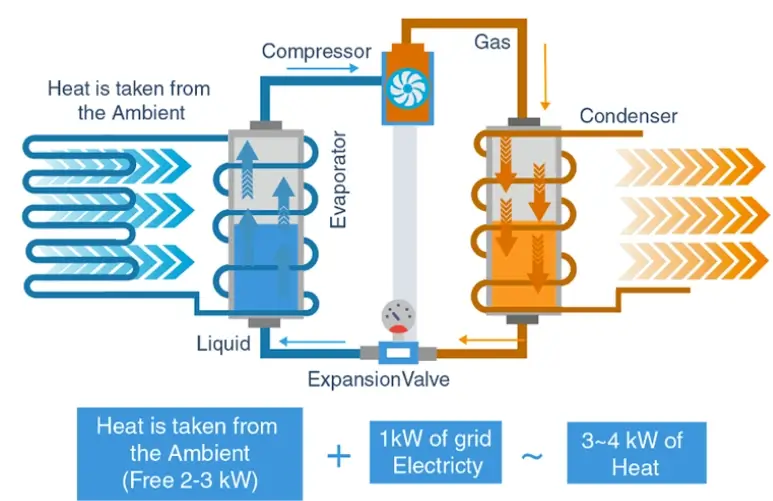
Hiểu cơ sở nhiệt động lực học của thiết bị làm lạnh vòng kín là điều cần thiết để có thông số kỹ thuật và tối ưu hóa hệ thống phù hợp.
Phân tích chu trình áp suất-Entanpy (P-h)
Chu trình làm lạnh nén hơi có thể được phân tích trên sơ đồ P-h, hiển thị bốn quy trình riêng biệt:
Chu trình nén hơi lý tưởng (Điều kiện đánh giá tiêu chuẩn):
Quá trình 1→2 (Nén đẳng entropy):
Wmáy tính = ṁ × (h2 – h1)
Quy trình 2→3 (Ngưng tụ đẳng áp):
Q.điều kiện = ṁ × (h2 – h3)
Quy trình 3→4 (Mở rộng Isenthalpic):
h3 = h4 (thắt ga, không có việc gì)
Quy trình 4→1 (bay hơi đẳng áp):
Q.trốn tránh = ṁ × (h1 – h4)
Hệ số hiệu suất:
COP = Qtrốn tránh / Wmáy tính = (h1 – h4) / (giờ2 – h1)
Lựa chọn chất làm lạnh cho thiết bị làm lạnh bán dẫn
| Môi chất lạnh | GWP | ODP | Tchí mạng | Ptrốn tránh @ -10°C | Pđiều kiện @ 40°C | Ứng dụng |
| R-134a | 1430 | 0 | 101,1°C | thanh 2.0 | 10,2 thanh | Độ chính xác tiêu chuẩn |
| R-410A | 2088 | 0 | 71,4°C | 6,2 thanh | 24,2 thanh | Công suất cao |
| R-407C | 1774 | 0 | 86,2°C | 3,5 thanh | 16,5 thanh | Ứng dụng trang bị thêm |
| R-1234ze | 1 | 0 | 109,4°C | 1,4 thanh | 7,4 thanh | GWP thấp, thiết kế mới |
| R-513A | 573 | 0 | 96,5°C | 1,8 thanh | 9,5 thanh | thay thế R-134a |
Đối với các ứng dụng bán dẫn, việc lựa chọn chất làm lạnh cần xem xét:
- Trượt nhiệt độ: Hỗn hợp Zeotropic (R-407C) có nhiệt độ trượt trong quá trình thay đổi pha, ảnh hưởng đến độ chính xác của điều khiển
- Tỷ lệ áp suất: Tỷ lệ áp suất thấp hơn làm giảm công việc của máy nén và nâng cao hiệu quả
- Tuân thủ môi trường: Các quy định về F-Gas của EU và các yêu cầu của chương trình EPA SNAP
- Khả năng tương thích vật liệu: Dầu POE cho chất làm lạnh HFC, tương thích với các vòng đệm và miếng đệm
Kiến trúc hệ thống làm lạnh vòng kín
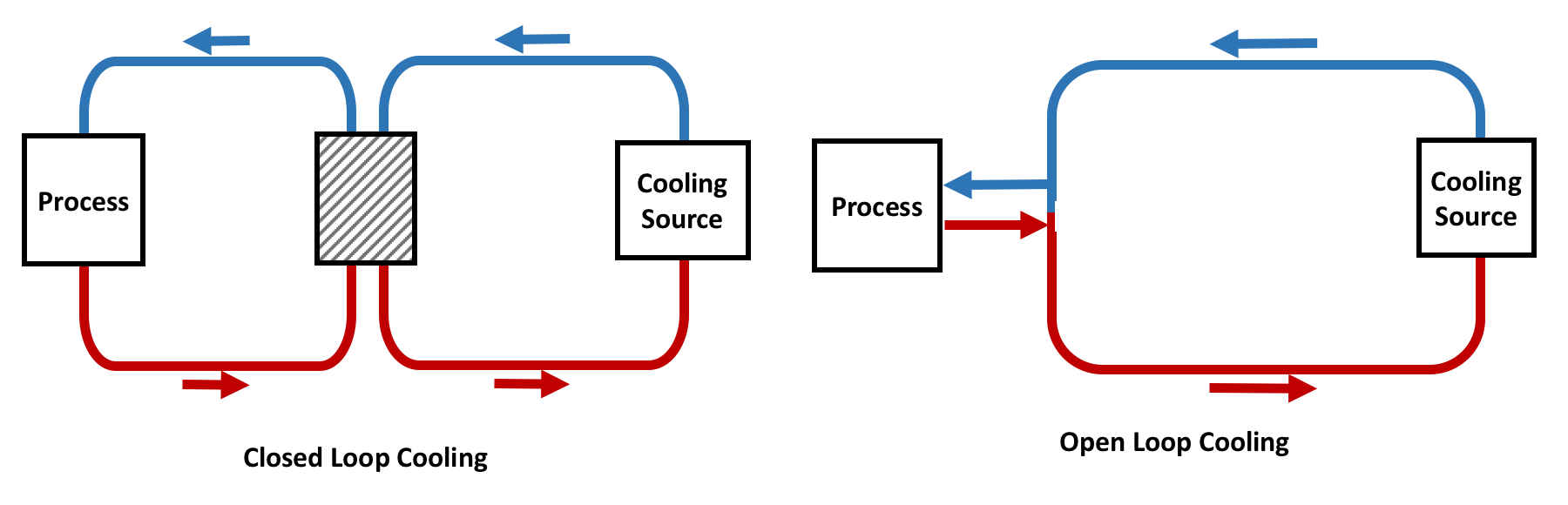
Máy làm lạnh vòng kín cấp bán dẫn bao gồm nhiều hệ thống con phụ thuộc lẫn nhau. Mỗi cái đóng một vai trò riêng biệt trong việc đạt được độ chính xác nhiệt.
Hệ thống máy nén (Trình điều khiển năng lượng nhiệt)
Máy nén là thành phần chuyển đổi năng lượng cốt lõi của máy làm lạnh. Nó chuyển đổi hơi môi chất lạnh áp suất thấp thành hơi áp suất cao, nhiệt độ cao, cho phép loại bỏ nhiệt ở giai đoạn ngưng tụ.
| Kiểu | Phạm vi công suất | điều chế | Hiệu quả tải một phần | Ổn định nhiệt độ | Ứng dụng tốt nhất |
| Cuộn (Đã sửa) | 3–50 kW | Bật/Tắt | Kém ở mức <50% | ±0,5–1,0°C | Phụ trợ không quan trọng |
| Cuộn (Biến tần) | 3–70 kW | 15–100% | Xuất sắc | ±0,1–0,3°C | Máy làm lạnh chính xác nhất |
| Vít (Cố định) | 50–500 kW | Bước (25/50/75/100%) | Vừa phải | ±0,3–0,5°C | Nhà máy trung tâm lớn |
| Vít (VFD) | 50–500 kW | 25–100% | Xuất sắc | ±0,1–0,3°C | Hệ thống chính xác lớn |
| Ly tâm | 200–2000 kW | Cánh gạt + VFD | Tốt | ±0,2–0,4°C | Làm mát cơ sở trung tâm |
Trong thiết bị làm lạnh xử lý tấm bán dẫn, yêu cầu kỹ thuật quan trọng không chỉ là công suất mà còn là độ ổn định điều chế. Các hệ thống hiện đại sử dụng bộ truyền động tần số thay đổi (VFD) để duy trì:
- Áp suất hút ổn định: Thường được duy trì trong phạm vi ±0,1 bar của điểm đặt
- Giảm hiện tượng quá nhiệt: <0,3°C vượt mức khi thay đổi tải so với 2–5°C đối với điều khiển bật/tắt
- Thích ứng tải mượt mà: Thời gian đáp ứng <10 giây khi thay đổi bước tải 50%
- Đạp xe tối thiểu: Giảm thời gian bắt đầu từ 10–20/giờ xuống 2–4/giờ
Công suất máy nén so với tần số (Bộ biến tần):
Pmáy tính ∝ (f/fđánh giá)³ × Pđánh giá
Ở đâu:
• f = Tần số hoạt động (Hz)
• fđánh giá = Tần số định mức (thường là 50 hoặc 60 Hz)
• Pđánh giá = Công suất định mức ở tốc độ tối đa
Ứng dụng luật quan hệ: Tốc độ 50% → ~12,5% công suất (lý thuyết)
Nếu không có sự điều biến này, dao động nhiệt độ sẽ truyền trực tiếp vào sự mất ổn định trong quá trình xử lý tấm bán dẫn, có khả năng gây ra:
- Sự thay đổi kích thước quan trọng (CD) trong in thạch bản
- Độ sâu khắc không đồng đều trên wafer
- Sự thay đổi độ dày màng trong quá trình lắng đọng
Hệ thống ngưng tụ (Giao diện loại bỏ nhiệt)
Bình ngưng có nhiệm vụ truyền nhiệt từ môi chất lạnh ra môi trường bên ngoài. Công suất bình ngưng phải có kích thước phù hợp để loại bỏ cả tải nhiệt của thiết bị bay hơi và máy nén:
Loại bỏ nhiệt ngưng tụ:
Q.điều kiện = Qtrốn tránh + Wmáy tính
Đối với thiết bị làm lạnh bán dẫn điển hình:
Q.điều kiện ≈ 1,2–1,4 × Qtrốn tránh (tùy thuộc vào COP)
Bình ngưng làm mát bằng không khí
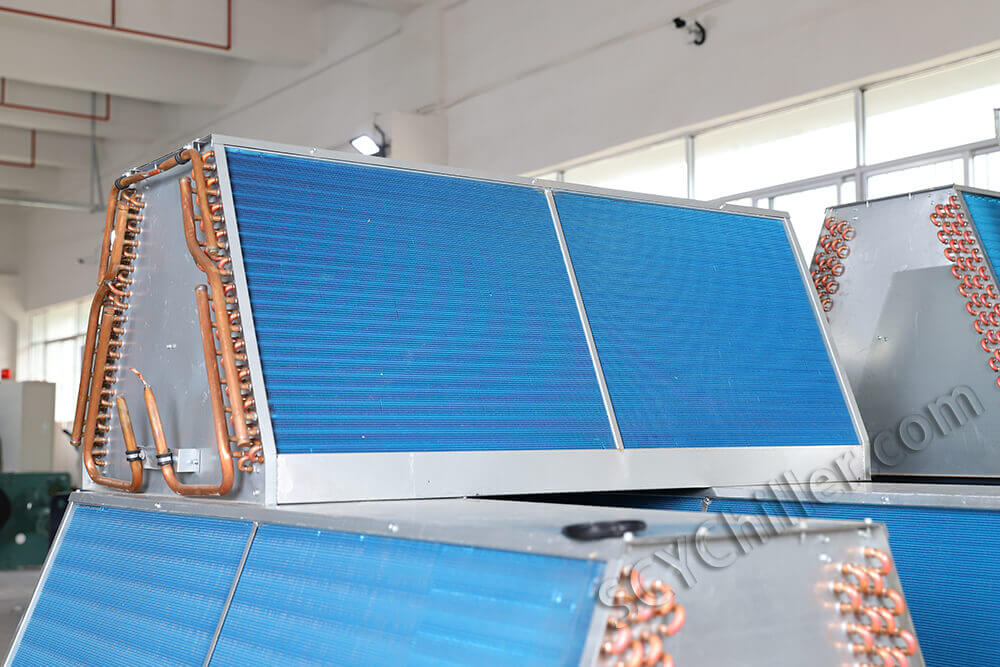
Nhiệt được truyền đến không khí xung quanh thông qua các cuộn dây có vây và quạt hướng trục hiệu suất cao. Hệ số truyền nhiệt cho thiết bị ngưng tụ làm mát bằng không khí thường là 30–100 W/m2·K.
| tham số | Giá trị điển hình | Xem xét thiết kế |
| Hệ số truyền nhiệt phía không khí | 30–100 W/m2·K | Hình dạng vây, tốc độ luồng khí |
| Vận tốc mặt | 2–4 m/s | Cân bằng truyền nhiệt và tiếng ồn |
| Phương pháp tiếp cận nhiệt độ | 8–15°C | Nhiệt độ ngưng tụ - nhiệt độ môi trường |
| Công suất giảm ở môi trường xung quanh cao | 3–5%/°C trên 35°C | Quan trọng đối với khí hậu nóng |
| Tiêu thụ điện năng của quạt | 0Làm mát 0,02–0,05 kW/kW | Đáng kể khi tải một phần |
Trong môi trường bán dẫn, hệ thống làm mát bằng không khí bị hạn chế bởi:
- Biến động nhiệt độ môi trường xung quanh: Sự dao động hàng ngày từ 10–20°C có thể ảnh hưởng đến áp suất ngưng tụ
- Hệ số truyền nhiệt thấp hơn: Yêu cầu diện tích bề mặt lớn hơn và công suất quạt cao hơn
- Nhạy cảm với tắc nghẽn luồng không khí: Bụi bẩn tích tụ làm giảm công suất 5–15% mỗi năm
- Tạo tiếng ồn: Tiếng ồn của quạt thường là 65–80 dB(A) ở 1 mét
Bình ngưng làm mát bằng nước
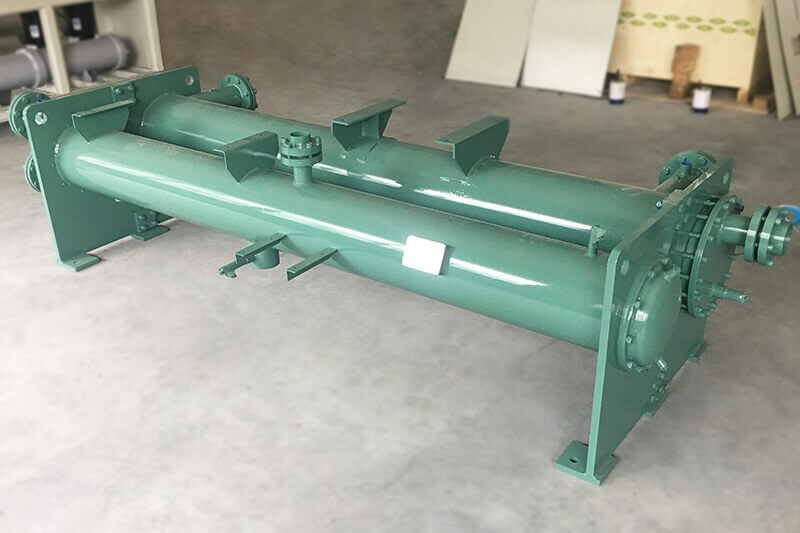
Hệ thống làm mát bằng nước sử dụng vòng nước thứ cấp để thải nhiệt qua tháp giải nhiệt hoặc bộ làm mát khô. Hệ số truyền nhiệt cho thiết bị ngưng tụ làm mát bằng nước thường là 1000–6000 W/m2·K, khoảng Cao hơn không khí 25–50×.
| tham số | Giá trị điển hình | Lợi thế so với làm mát bằng không khí |
| Hệ số truyền nhiệt phía nước | 3000–6000 W/m2·K | Cao hơn không khí 50–100× |
| Giá trị U tổng thể | 1000–2500 W/m2·K | Có thể thiết kế nhỏ gọn |
| Phương pháp tiếp cận nhiệt độ | 3–8°C | Nhiệt độ ngưng tụ thấp hơn |
| Nhiệt độ ngưng tụ (điển hình) | 32–38°C | Thấp hơn 8–12°C so với làm mát bằng không khí |
| cải thiện COP | 15–25% | Tỷ lệ nén thấp hơn |
| Lượng nước tiêu thụ (tháp giải nhiệt) | 1,5–2,0 L/h mỗi kW | Yêu cầu xử lý nước |
Về mặt kỹ thuật, hệ thống làm mát bằng nước cung cấp:
- Độ dẫn nhiệt cao hơn của nước: ~0,6 W/m·K so với ~0,026 W/m·K đối với không khí
- Nhiệt độ ngưng tụ ổn định hơn: Nước trong tháp thường thay đổi ±2–3°C so với ±10–20°C đối với không khí xung quanh
- COP tốt hơn: 4,5–6,5 so với 3,0–4,5 đối với làm mát bằng không khí ở điều kiện tương đương
- Tách rời khỏi sự biến đổi của môi trường xung quanh: Hiệu suất không phụ thuộc vào điều kiện ngoài trời
Trong các nhà máy tiên tiến, cấu hình làm mát bằng nước chiếm ưu thế cho các ứng dụng làm mát chính xác.
Thiết bị bay hơi (Lõi trao đổi nhiệt sơ cấp)
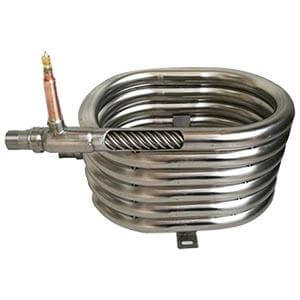
Thiết bị bay hơi là nơi nhiệt được hấp thụ từ vòng lặp quy trình. Trong thiết bị làm lạnh vòng kín bán dẫn, bộ trao đổi nhiệt tấm hàn (BPHE) thường được sử dụng do:
- Tỷ lệ diện tích bề mặt trên thể tích cao: 200–500 m2/m³, cao hơn 3–5× so với vỏ và ống
- Thiết kế tản nhiệt nhỏ gọn: Dấu chân 20–30% vỏ và ống tương đương
- Hiệu suất truyền nhiệt cao: Giá trị U 3000–7000 W/m2·K
- Phí làm lạnh thấp: Ít hơn 30–50% so với loại vỏ và ống, giảm tác động đến môi trường
Phân tích truyền nhiệt bay hơi:
Q.trốn tránh = U × A × LMTD
Ở đâu:
• U = Hệ số truyền nhiệt tổng thể (W/m2·K)
• A = Diện tích truyền nhiệt (m2)
• LMTD = Nhật ký chênh lệch nhiệt độ trung bình (°C)
LMTD cho dòng chảy ngược:
LMTD = (ΔT1 – ΔT2) / ln(ΔT1 / ΔT2)
| tham số | Đặc điểm kỹ thuật | Tác động đến hiệu suất |
| Hệ số phía môi chất lạnh | 5000–10000 W/m2·K | Điện trở truyền nhiệt sơ cấp |
| Hệ số phía chất lỏng xử lý | 4000–8000 W/m2·K | Phụ thuộc vào tốc độ dòng chảy và độ nhớt |
| Giá trị U tổng thể | 3000–7000 W/m2·K | Khả năng chịu nhiệt kết hợp |
| Tiếp cận nhiệt độ | 1–3°C | Thấp hơn = hiệu quả cao hơn nhưng diện tích lớn hơn |
| Giảm áp suất (phía quá trình) | 20–80 kPa | Ảnh hưởng đến kích thước máy bơm |
| Quá nhiệt (thoát) | 5–8°C | Đảm bảo bay hơi hoàn toàn |
Bên trong thiết bị bay hơi:
- Chất làm lạnh hấp thụ nhiệt và bay hơi: Chuyển pha từ hỗn hợp lỏng-hơi sang hơi bão hòa/quá nhiệt
- Chất lỏng xử lý (hỗn hợp nước DI hoặc glycol) được làm mát gián tiếp: Không có tiếp xúc trực tiếp giữa chất làm lạnh và chất lỏng xử lý
- Tách nhiệt đảm bảo hoạt động không bị nhiễm bẩn: Quan trọng đối với các yêu cầu về độ tinh khiết của chất bán dẫn
Thiết bị bay hơi rất quan trọng vì ngay cả sự tắc nghẽn nhỏ hoặc mất cân bằng dòng chảy cũng có thể gây ra sự chênh lệch nhiệt độ. Đối với thiết bị bay hơi 100 kW với cách tiếp cận 5°C:
Tác động bám bẩn lên quá trình truyền nhiệt:
1/Ubị phạm lỗi = 1/Ulau dọn + Rf
Ở đâu Rf = hệ số bám bẩn (m2·K/W)
Ví dụ: rf = 0,0001 m2·K/W (điển hình cho nước DI)
bạnlau dọn = 5000 W/m2·K → Ubị phạm lỗi = 3333 W/m2·K
Kết quả: giảm 33% khả năng truyền nhiệt
Hệ thống bơm (Kiểm soát ổn định dòng chảy)
Hệ thống bơm xác định cách vận chuyển năng lượng nhiệt giữa máy làm lạnh và thiết bị bán dẫn. Không giống như các hệ thống công nghiệp tiêu chuẩn, làm mát chất bán dẫn yêu cầu:
- Kiểm soát dòng chảy ổn định cao: Độ ổn định tốc độ dòng chảy trong phạm vi ±1–2%
- Nhịp đập tối thiểu: <2% xung áp suất để tránh truyền rung
- Kết hợp dòng chảy chính xác với nhu cầu công cụ: Phản ứng động đối với những thay đổi của tải trong vòng vài giây
- Khả năng tương thích độ tinh khiết cực cao: Không gây ô nhiễm cho chất lỏng xử lý
Phương trình truyền nhiệt:
Q = ṁ × CP × ΔT
Ở đâu:
• Q = Tải nhiệt (kW)
• ṁ = Tốc độ dòng chảy lớn (kg/s)
• CP = Nhiệt dung riêng (kJ/kg·K)
• ΔT = Chênh lệch nhiệt độ (°C)
Đối với nước DI: CP ≈ 4,18 kJ/kg·K
Độ nhạy tốc độ dòng chảy: Biến đổi dòng chảy 10% → biến đổi truyền nhiệt ~8%
(ở mức không đổi ΔT, giả sử dòng chảy rối)
| Loại máy bơm | Phạm vi dòng chảy | Cái đầu | Nhịp đập | Loại con dấu | Ứng dụng |
| Ly tâm (Ổ đĩa từ) | 10–500 L/phút | 10–50 m | <2% | không bịt kín | Độ chính xác tiêu chuẩn |
| Ly tâm (Động cơ đóng hộp) | 10–300 L/phút | 10–40 m | <1% | không bịt kín | Độ tinh khiết cực cao |
| Ly tâm nhiều tầng | 50–1000 L/phút | 30–100 m | <3% | Cơ khí/Mag | Hệ thống áp suất cao |
| Tốc độ thay đổi (VFD) | Phạm vi 5–100% | Biến | <2% | Nhiều | Kết hợp tải động |
Hầu hết các hệ thống tiên tiến đều sử dụng:
- Bơm dẫn động từ: Thiết kế không bịt kín giúp loại bỏ nguy cơ ô nhiễm do rò rỉ phốt; MTBF điển hình >50.000 giờ
- Bơm tần số thay đổi: Phạm vi điều chỉnh lưu lượng từ 5–100% với thời gian phản hồi <5 giây
- Cấu hình bơm dự phòng: N+1 hoặc 2N cho các ứng dụng quan trọng
Độ ổn định dòng chảy liên quan trực tiếp đến độ ổn định nhiệt độ vì:
Ổn định nhiệt độ so với ổn định dòng chảy:
ΔTsự ổn định = f(Δṁ, ΔTmáy làm lạnh, khối lượng nhiệt)
Đối với một công cụ bán dẫn điển hình có tải 50 kW và 5°C ΔT:
• Lưu lượng yêu cầu: ṁ = Q / (CP × ΔT) = 50 / (4,18 × 5) = 2,4 kg/s ≈ 144 L/phút
• Biến đổi dòng chảy ±1% → Biến đổi nhiệt độ ±0,05°C tại dụng cụ
• Biến đổi dòng chảy ±2% → Biến đổi nhiệt độ ±0,1°C tại dụng cụ
Van giãn nở (Điều chỉnh môi chất lạnh chính xác)
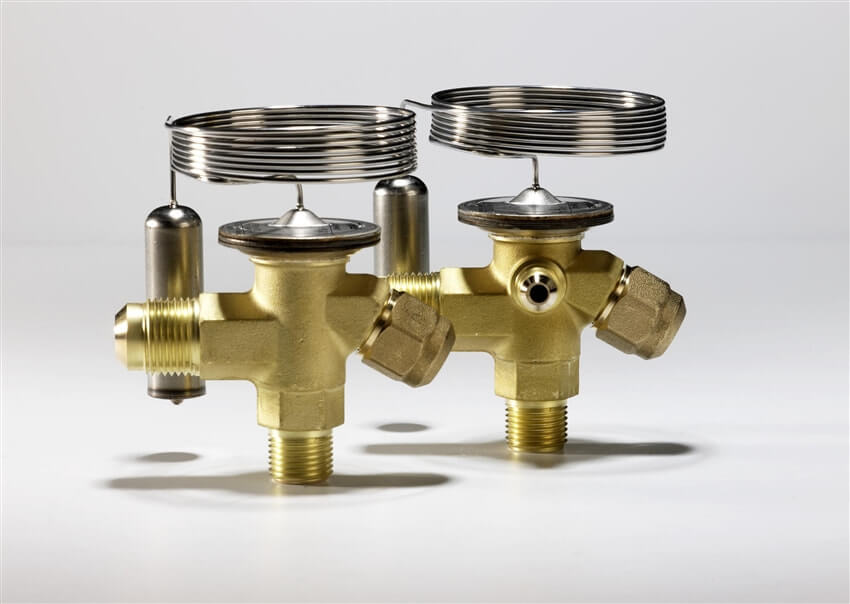
Van giãn nở kiểm soát dòng chất làm lạnh vào thiết bị bay hơi, duy trì quá nhiệt thích hợp và tối ưu hóa việc sử dụng thiết bị bay hơi.
| Kiểu | Kiểm soát độ phân giải | Thời gian đáp ứng | Kiểm soát quá nhiệt | Ứng dụng |
| Ổn nhiệt (TXV) | Liên tục (cơ khí) | 30–60 giây | ±2–4°C | Tiêu chuẩn công nghiệp |
| Điện tử (EEV) | 1–5% bước | 5–15 giây | ±0,5–1,0°C | Máy làm lạnh chính xác |
| Điện tử (Bước) | 00,5–2% bước | 2–5 giây | ±0,3–0,5°C | Siêu chính xác |
Trong các hệ thống cấp wafer, van giãn nở điện tử (EEV) là tiêu chuẩn. Không giống như van cơ học, EEV cho phép:
- Điều chỉnh lưu lượng vi mô: Độ phân giải 0,5–2% toàn bộ hành trình
- Phản ứng nhanh với những thay đổi tải: 2–15 giây so với 30–60 giây đối với TXV
- Kiểm soát quá nhiệt ổn định: ±0,3–1,0°C so với ±2–4°C đối với TXV
- Giảm dao động nhiệt độ: Tác động trực tiếp đến sự ổn định nhiệt độ của quá trình
- Thuật toán điều khiển thích ứng: Tích hợp với PLC máy làm lạnh để điều khiển dự đoán
Tầm quan trọng của việc kiểm soát quá nhiệt:
SH = Thút – Tđã ngồi(Phút)
Ở đâu:
• SH = Quá nhiệt (°C)
• Thút = Nhiệt độ hút thực tế
• Tđã ngồi = Nhiệt độ bão hòa ở áp suất hút
Phạm vi quá nhiệt tối ưu: 5–8°C
• Quá thấp: Nguy cơ chất làm lạnh dạng lỏng quay trở lại máy nén (hư hỏng)
• Quá cao: Giảm hiệu suất thiết bị bay hơi (mất 10–20% công suất khi SH vượt quá 5°C)
Hệ thống điều khiển (Lớp thông minh nhiệt)
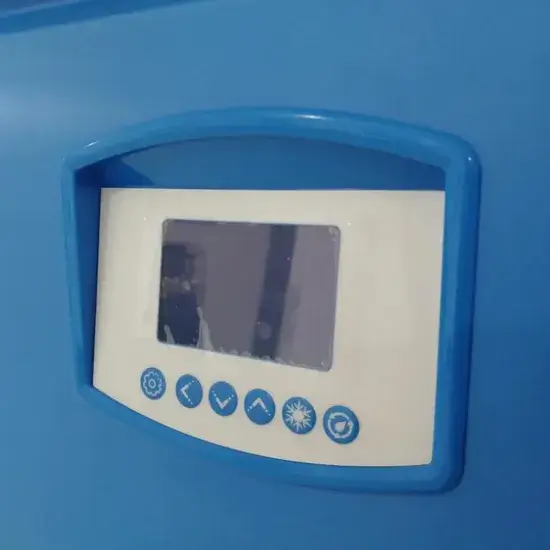
Hệ thống điều khiển là “bộ não” của máy làm lạnh vòng kín, điều phối tất cả các hệ thống con để đạt được khả năng kiểm soát nhiệt chính xác.
Kiến trúc điều khiển PID
Thuật toán điều khiển PID:
u(t) = KP × e(t) + KTôi × ∫e(t)dt + Kd × de(t)/dt
Ở đâu:
• u(t) = Đầu ra điều khiển (tần số máy nén, vị trí van)
• e(t) = Lỗi = Điểm đặt – Biến quy trình
• KP = Mức tăng tỷ lệ
• KTôi = Độ lợi tích phân
• Kd = Lãi phái sinh
| tham số | Phạm vi điển hình | Tác dụng | Hướng dẫn điều chỉnh |
| Dải tỷ lệ | 00,2–1,0°C | Tốc độ phản hồi | Nhỏ hơn = nhanh hơn nhưng có nguy cơ dao động |
| Thời gian tích phân (TTôi) | 20–120 giây | Loại bỏ phần bù | Ngắn hơn = loại bỏ bù đắp nhanh hơn |
| Thời gian đạo hàm (Td) | 0–30 giây | Dao động giảm chấn | Cao hơn = giảm xóc nhiều hơn |
| Thời gian mẫu | 00,1–1,0 giây | Tần số điều khiển | Nhanh hơn cho các ứng dụng chính xác |
| Giới hạn đầu ra | 15–100% (máy nén) | Ngăn ngừa bão hòa | Dựa trên tốc độ tối thiểu của máy nén |
Tính năng điều khiển nâng cao
Máy làm lạnh bán dẫn hiện đại sử dụng hệ thống vi điều khiển nhúng hoặc dựa trên PLC có khả năng:
- Kiểm soát nhiệt độ PID: Vòng điều khiển chính có điều chỉnh thích ứng
- Vòng phản hồi đa cảm biến: Cảm biến PT100 hoặc PT1000 dự phòng có logic biểu quyết
- Dự đoán tải thời gian thực: Điều khiển tiến tiến dựa trên tín hiệu quá trình
- Điều chế tần số máy nén: Điều khiển biến tần với dải công suất 15–100%
- Cân bằng dòng chảy qua nhiều vòng: Kiểm soát độc lập nhiều vùng quy trình
- Kiểm soát tầng: Vòng sơ cấp (nhiệt độ xử lý) → Vòng thứ cấp (nhiệt độ bay hơi)
- Cảm biến nhiệt độ dự phòng: PT100/PT1000 với cấu hình 4 dây, độ chính xác ±0,1°C
- Mô hình nhiệt đôi kỹ thuật số: Mô phỏng thời gian thực để điều khiển dự đoán
- Thuật toán dự đoán lỗi: Phát hiện bất thường dựa trên máy học
- Giao diện GIÂY/GEM: Tiêu chuẩn truyền thông thiết bị bán dẫn để tích hợp fab
- Giám sát và chẩn đoán từ xa: Kết nối IoT để bảo trì dự đoán
Mục tiêu không chỉ là kiểm soát mà còn là dự đoán ổn định hoạt động nhiệt, dự đoán những thay đổi của tải trước khi chúng ảnh hưởng đến nhiệt độ quy trình.
Đặc tính tải nhiệt trong thiết bị wafer
Thiết bị xử lý wafer tạo ra nhiệt theo những cách rất năng động và cục bộ. Hiểu những đặc điểm này là điều cần thiết để thiết kế hệ thống điều khiển và định cỡ máy làm lạnh thích hợp.
Cấu hình tải động
Không giống như các hệ thống công nghiệp truyền thống, các công cụ bán dẫn thường có:
- Chu kỳ nhiệt nhanh: Tải các thay đổi 50–100% trong vòng 1–10 giây
- Vùng nhiệt cục bộ: Nhiều vùng nhiệt độc lập trong một dụng cụ
- Tải nhiệt xung: RF plasma, xung laser với thời lượng từ mili giây đến giây
- Độ nhạy cao với nhiệt độ trở lại: Độ ổn định của quá trình phụ thuộc vào nhiệt độ đầu vào
| Thiết bị | Tải nhiệt điển hình | Tải hồ sơ | Thời gian đáp ứng cần thiết | Ổn định nhiệt độ |
| Buồng khắc (RF Plasma) | 5–30 kW | Xung (Bật/tắt RF) | <5 giây | ±0,1–0,2°C |
| Lò phản ứng CVD | 10–50 kW | Bước thay đổi (công thức) | <10 giây | ±0,1–0,3°C |
| Máy quét thạch bản | 20–100 kW | Ổn định + quá độ | <2 giây | ±0,01–0,05°C |
| Máy cấy ion | 10–40 kW | Xung (bật/tắt chùm tia) | <5 giây | ±0,1–0,2°C |
| Hệ thống laze | 2–15 kW | Xung (ms đến s) | <1 giây | ±0,05–0,1°C |
| Đầu kẹp tĩnh điện (ESC) | 1–5 kW | Biến (quy trình) | <10 giây | ±0,05–0,1°C |
| Bơm chân không | 1–10 kW | Trạng thái ổn định | <30 giây | ±0,5–1,0°C |
Phân tích nguồn nhiệt
Các nguồn nhiệt điển hình trong thiết bị xử lý wafer bao gồm:
| Nguồn nhiệt | Cơ chế | Mật độ năng lượng điển hình | Phương pháp làm mát |
|---|---|---|---|
| Máy phát điện plasma RF | Bắn phá ion, đốt nóng joule | 00,5–5 W/cm2 | Làm mát trực tiếp, ESC |
| Hệ thống Laser (excimer, trạng thái rắn) | Hấp thụ quang học, nhiệt thải | 1–10 W/cm² (bản địa hóa) | Làm mát quang học, đầu laser |
| Máy bơm chân không (turbo, khô) | Nhiệt ma sát, nén | 00,1–0,5 W/cm2 | Làm mát áo khoác |
| Đầu cặp tĩnh điện (ESC) | Khớp nối RF, mặt sau heli | 00,1–2 W/cm2 | Kênh nội bộ |
| Buồng phản ứng hóa học | Phản ứng tỏa nhiệt, plasma | 00,5–3 W/cm2 | Tường buồng, vòi hoa sen |
| Yếu tố làm nóng | Sưởi ấm bằng điện trở | 5–50 W/cm2 | Kiểm soát nhiệt độ quá trình |
Do tính thay đổi này, thiết bị làm lạnh vòng kín phải đáp ứng nhanh chóng và duy trì đầu ra ổn định dưới tải dao động. Những cân nhắc thiết kế chính bao gồm:
- Khối lượng nhiệt: Bể đệm để làm giảm sự dao động nhiệt độ
- Kiểm soát phản ứng nhanh: Máy nén EEV và VFD để điều chỉnh công suất nhanh chóng
- Khả năng đa vùng: Kiểm soát nhiệt độ độc lập cho các vùng quy trình khác nhau
Yêu cầu về độ chính xác trong làm mát chất bán dẫn
Các công cụ xử lý wafer yêu cầu độ chính xác cao hơn đáng kể so với hầu hết các ứng dụng công nghiệp. Yêu cầu về độ ổn định nhiệt độ được quyết định bởi hệ số giãn nở nhiệt của silicon và kích thước tính năng được sản xuất.
Tác động giãn nở nhiệt đối với lỗi lớp phủ:
ΔL = α × L × ΔT
Ở đâu:
• ΔL = Thay đổi độ dài (nm)
• α = Hệ số giãn nở nhiệt (2,6×10⁻⁶/°C đối với Si)
• L = Đường kính wafer (mm)
• ΔT = Thay đổi nhiệt độ (°C)
Ví dụ cho wafer 300 mm:
ΔT = 0,1°C → ΔL = 2,6×10⁻⁶ × 300 × 0,1 = 78 nm
Đối với nút 7 nm có ngân sách lớp phủ 3 nm:
Yêu cầu ΔT < 0,01°C để duy trì trong phạm vi dung sai lớp phủ
Yêu cầu về độ ổn định nhiệt độ theo ứng dụng
| Ứng dụng | Ổn định nhiệt độ | Phạm vi điểm đặt | Kiểm soát độ phân giải | Độ chính xác của cảm biến |
|---|---|---|---|---|
| Làm mát công nghiệp nói chung | ±1,0°C | 5–35°C | 00,1°C | ± 0,5°C |
| Công cụ sản xuất tiên tiến | ± 0,5°C | 10–30°C | 00,05°C | ±0,2°C |
| Xử lý wafer bán dẫn | ±0,1–0,2°C | 15–25°C | 00,01°C | ±0,05°C |
| Hệ thống in thạch bản quan trọng | ±0,01–0,05°C | 20–23°C | 00,001°C | ±0,01°C |
| Quang học máy quét EUV | ±0,005–0,01°C | 22–24°C | 00,0005°C | ±0,005°C |
Yêu cầu thiết kế hệ thống để làm mát chính xác
Để đạt được độ ổn định nhiệt độ dưới 0,1°C đòi hỏi:
- Cảm biến nhiệt độ độ phân giải cao: PT100 hoặc PT1000 với cấu hình 4 dây, độ phân giải 0,001–0,01°C
- PID hoặc điều khiển dự đoán nâng cao: Điều chỉnh thích ứng, bù tiếp tiếp
- Điều khiển máy nén tần số thay đổi: Điều chế công suất 15–100% với độ phân giải tốc độ <1%
- Điều chỉnh dòng chảy chính xác: Máy bơm VFD có độ ổn định dòng chảy <1%
- Thiết kế hệ thống quán tính nhiệt thấp: Thể tích chất lỏng tối thiểu để đáp ứng nhanh
- Bể đệm nhiệt: Tách rời động lực học của máy làm lạnh khỏi quá trình chuyển tiếp
- Kiến trúc làm mát nhiều tầng: Vòng lặp chính xác sơ cấp + thứ cấp cho các ứng dụng quan trọng
Tại sao máy làm lạnh vòng kín hoạt động tốt hơn hệ thống mở
Lợi thế ổn định nhiệt
Hệ thống vòng kín có dao động nhiệt thấp hơn đáng kể vì:
- Không tiếp xúc trực tiếp với môi trường: Chất lỏng xử lý được cách ly với điều kiện môi trường xung quanh
- Kiểm soát lượng chất lỏng bên trong: Khối lượng nhiệt đã biết để có phản ứng có thể dự đoán được
- Giao diện trao đổi nhiệt ổn định: Hệ số truyền nhiệt ổn định
- Kiểm soát chất lượng nước chính xác: Điện trở suất của nước DI >18 MΩ·cm được duy trì
| tham số | vòng kín | Vòng lặp mở | Sự cải tiến |
| Ổn định nhiệt độ | ±0,05–0,2°C | ±0,5–2,0°C | tốt hơn 5–10× |
| Thời gian đáp ứng | 5–30 giây | 30–120 giây | nhanh hơn 2–4× |
| Kiểm soát chất lượng nước | nước DI, >18 MΩ·cm | Tháp nước, biến đổi | Siêu tinh khiết |
| Nguy cơ ô nhiễm | Rất thấp | Cao (trong không khí, sinh học) | Có ý nghĩa |
| Biến đổi theo mùa | Tối thiểu | Có ý nghĩa | Tách khỏi môi trường xung quanh |
Hiệu quả năng lượng ở mức tải ổn định
Trong các nhà máy bán dẫn, tải tương đối ổn định so với môi trường công nghiệp, cho phép tối ưu hóa để đạt hiệu quả ở trạng thái ổn định.
Số liệu hiệu quả năng lượng:
COP (Hệ số hiệu suất):
COP = Qlàm mát / Pđầu vào
IPLV (Giá trị tải phần tích hợp):
IPLV = 0,01A + 0,42B + 0,45C + 0,12D
Trong đó A, B, C, D = COP ở mức tải 100%, 75%, 50%, 25%
Máy làm lạnh bán dẫn điển hình:
• COP: 4,0–6,0 (làm mát bằng nước), 3,0–4,5 (làm mát bằng không khí)
• IPLV: 5,0–7,0 (làm mát bằng nước), 3,5–5,0 (làm mát bằng không khí)
Tối ưu hóa thiết bị làm lạnh vòng kín:
- Hiệu suất đạp xe của máy nén: VFD giảm tổn thất khi đạp xe từ 20–40%
- Hiệu suất tải một phần: IPLV thường tốt hơn 20–30% so với COP đầy tải
- Tiềm năng thu hồi nhiệt: 60–80% công việc của máy nén có thể được phục hồi để sưởi ấm cơ sở
Giảm độ phức tạp bảo trì
Bởi vì hệ thống được niêm phong:
- Không cần bảo trì tháp giải nhiệt: Loại bỏ việc làm sạch bồn chứa, loại bỏ trôi dạt, thay thế chất độn
- Không kiểm soát ô nhiễm nước: Không có nguy cơ phát triển sinh học, tảo hoặc Legionella
- Giảm nguy cơ ăn mòn: Hệ thống khép kín với tính chất hóa học của nước được kiểm soát
- Tuổi thọ hệ thống dài hơn: Thông thường 15–20 năm so với 10–15 năm đối với hệ thống mở
- Chi phí xử lý nước thấp hơn: Tiêu thụ hóa chất tối thiểu
Điều này đặc biệt quan trọng trong các nhà máy bán dẫn hoạt động 24/7, nơi thời gian bảo trì bị hạn chế.
Tích hợp với thiết bị xử lý wafer
Máy làm lạnh vòng kín thường được tích hợp với:
| Loại thiết bị | Yêu cầu làm mát | Cấu hình điển hình | Tiêu chuẩn giao diện |
|---|---|---|---|
| Hệ thống in thạch bản (DUV/EUV) | Quang học, kẻ ô, giai đoạn wafer, chiếu sáng | Đa vùng, siêu chính xác | GIÂY/GEM, OPC-UA |
| Dụng cụ khắc (RIE, ICP, DRIE) | ESC, vách buồng, máy phát RF | Đa vòng lặp, phản hồi nhanh | GIÂY/GEM |
| Lắng đọng (CVD, PVD, ALD) | Buồng, vòi hoa sen, máy sưởi | Đa vùng, công suất cao | GIÂY/GEM |
| Cấy ion | Đường truyền tia, mục tiêu, máy phân tích | Đa vòng lặp, độ chính xác | GIÂY/GEM |
| Đo lường (CD-SEM, AFM) | Sân khấu, quang học, điện tử | Đơn/đa vùng | Khác nhau |
| Xử lý chân không | Máy bơm, buồng, đồng hồ đo | Vòng lặp đơn, độ chính xác vừa phải | Khác nhau |
Mỗi hệ thống có thể yêu cầu các vùng kiểm soát nhiệt độc lập tùy thuộc vào độ nhạy của quy trình. Các fab nâng cao thường được triển khai kiến trúc máy làm lạnh nhiều vòng để hỗ trợ các vùng nhiệt độ khác nhau trong cùng một dây chuyền sản xuất.
Kiến trúc nhiệt đa vùng
| Vùng | Tải nhiệt | Nhiệt độ | Sự ổn định | Dịch |
| Đầu kẹp tĩnh điện (ESC) | 2–5 kW | -20 đến +80°C | ±0,1°C | nước DI/glycol |
| Tường buồng | 3–8 kW | 20–40°C | ± 0,5°C | TRONG nước |
| Máy phát RF | 1–3 kW | 20–30°C | ±1,0°C | TRONG nước |
| Bơm chân không | 1–2 kW | 20–40°C | ±2,0°C | TRONG nước |
| Tổng cộng | 7–18 kW | — | — | — |
Dự phòng trong hệ thống làm mát bán dẫn
Trong sản xuất chất bán dẫn, thời gian ngừng hoạt động cực kỳ tốn kém. Một sự gián đoạn nhiệt duy nhất có thể dẫn đến:
- Mất mẻ wafer: $50.000–$500.000+ mỗi lô tùy thuộc vào sản phẩm
- Quá trình không ổn định: Số giờ đến ngày xác nhận lại
- Yêu cầu hiệu chỉnh lại công cụ: 4–24 giờ ngừng sản xuất
- Sự chậm trễ sản xuất: Hiệu ứng gợn sóng thông qua lịch trình hợp lý
Tùy chọn kiến trúc dự phòng
| Cấu hình | Sự miêu tả | sẵn có | Chi phí cao cấp | Ứng dụng |
| N+1 | Một đơn vị dự phòng cho N đơn vị vận hành | 99,5–99,9% | +15–25% | Sản xuất tiêu chuẩn |
| 2N | Dự phòng hoàn toàn (sao lưu 100%) | 99,9–99,99% | +80–100% | Công cụ quan trọng |
| 2N+1 | Hoàn toàn dự phòng với phụ tùng | 99,99%+ | +100–120% | Cực kỳ tới hạn (EUV) |
| Vòng lặp kép | Hai vòng làm mát độc lập cho mỗi công cụ | 99,9%+ | +50–70% | Công cụ đa vùng |
Hệ thống làm lạnh vòng kín thường được thiết kế với:
- Dự phòng N+1: Một máy làm lạnh dự phòng cho mỗi N máy làm lạnh đang vận hành
- Hệ thống bơm kép: Tự động chuyển đổi khi máy bơm bị hỏng
- Mô-đun máy nén dự phòng: Hộp mực máy nén thay đổi nhanh
- Vòng làm mát song song: Vòng lặp độc lập cho các vùng quan trọng
- UPS cho hệ thống điều khiển: Nguồn điện liên tục cho bộ điều khiển và cảm biến
Hệ thống chuyển mạch tự động
Các hệ thống dự phòng hiện đại bao gồm khả năng chuyển đổi tự động:
- Kích hoạt độ lệch nhiệt độ: Chuyển đổi khi nhiệt độ vượt quá ±0,2°C so với điểm cài đặt
- Kích hoạt độ lệch dòng chảy: Chuyển đổi khi lưu lượng giảm xuống dưới 90% điểm đặt
- Trình báo lỗi thiết bị: Chuyển mạch do lỗi máy nén, máy bơm hoặc cảm biến
- Thời gian chuyển đổi: <30 giây để duy trì tính liên tục của quá trình
Phần kết luận
Máy làm lạnh vòng kín đóng vai trò nền tảng trong thiết bị xử lý tấm bán dẫn hiện đại bằng cách cung cấp khả năng kiểm soát nhiệt độ cực kỳ ổn định, không nhiễm bẩn và có độ chính xác cao.
Ưu điểm kỹ thuật chính của hệ thống vòng kín cho sản xuất chất bán dẫn:
- Độ ổn định nhiệt: Có thể đạt được ±0,05–0,2°C, tốt hơn 5–10× so với hệ thống mở
- Kiểm soát ô nhiễm: Chất lượng nước DI >18 MΩ·cm được duy trì trên toàn hệ thống
- Độ lặp lại của quy trình: Điều kiện nhiệt ổn định cho phép sản xuất năng suất cao
- Hiệu suất năng lượng: COP từ 4,0–6,0 với máy nén VFD và điều khiển tối ưu
- độ tin cậy: Tuổi thọ hệ thống 15–20 năm nếu được bảo trì thích hợp
Cân nhắc thiết kế quan trọng đối với thiết bị làm lạnh bán dẫn:
- Lựa chọn máy nén: Cuộn hoặc vít điều khiển bằng biến tần để ổn định điều chế
- Thiết kế thiết bị bay hơi: Tấm hàn đồng cho hiệu suất cao và lượng môi chất lạnh thấp
- Hệ thống điều khiển: PID với khả năng điều chỉnh thích ứng, chuyển tiếp và dự đoán
- Dự phòng: Cấu hình N+1 hoặc 2N cho các ứng dụng quan trọng
- Tích hợp: Giao diện SECS/GEM dành cho tự động hóa nhà máy
Khi công nghệ bán dẫn tiếp tục phát triển theo hướng các nút nhỏ hơn (<5 nm) và kiến trúc mới (GAA, chiplets), hệ thống làm mát vòng kín sẽ càng trở nên quan trọng hơn trong việc hỗ trợ chế tạo tấm bán dẫn thế hệ tiếp theo. Các yêu cầu về độ chính xác nhiệt sẽ được thắt chặt đến mức ±0,01°C hoặc tốt hơn cho các quy trình quan trọng, đòi hỏi sự đổi mới liên tục trong:
- Thuật toán kiểm soát nhiệt độ siêu chính xác
- Thiết kế hệ thống quán tính nhiệt thấp
- Quản lý nhiệt độc lập đa vùng
- Kiểm soát nhiệt dự đoán dựa trên AI
- Công nghệ năng lượng và chất làm lạnh bền vững
Cuối cùng, độ chính xác về nhiệt quyết định trực tiếp đến năng suất, hiệu suất thiết bị và thành công trong sản xuất trong chế tạo chất bán dẫn tiên tiến.
