

 เครื่องทำความเย็นแบบพกพา
 ชิลเลอร์ระบายความร้อนด้วยอากาศ
 ชิลเลอร์ระบายความร้อนด้วยน้ำ
 เครื่องทำความเย็นอุณหภูมิต่ำ
 เครื่องทำความเย็นอุตสาหกรรมแบบกำหนดเอง


ตอบด่วน
ในการขึ้นรูปพลาสติก ตัวควบคุมอุณหภูมิแม่พิมพ์ (MTC) จะใช้ปั๊มเพื่อหมุนเวียนของเหลวร้อนผ่านแม่พิมพ์ โดยรักษาอุณหภูมิที่สูงขึ้นให้คงที่ได้อย่างแม่นยำจนถึงประมาณ 180°C เครื่องทำความเย็นแบบกระบวนการจะขจัดความร้อนออกไป โดยหมุนเวียนของไหลเย็นที่อาจต่ำถึง -30°C หรือต่ำกว่าสำหรับการใช้งานที่อุณหภูมิต่ำ ตัวเลือกขึ้นอยู่กับความต้องการของพลาสติก: MTC ป้องกันการแข็งตัวก่อนเวลาอันควรและควบคุมการตกแต่งพื้นผิวสำหรับเรซินที่ระบายความร้อนช้ากว่า ในขณะที่เครื่องทำความเย็นสำหรับกระบวนการจะดึงความร้อนออกอย่างจริงจังเพื่อลดระยะเวลาการทำงานสำหรับชิ้นส่วนที่มีปริมาณมากและทำงานเร็ว สำหรับการใช้งานที่มีความต้องการสูงจำนวนมาก วิธีการที่เหมาะสมที่สุดจะรวมทั้งสองอย่างไว้ในที่เดียว โซลูชันการระบายความร้อนแบบกำหนดเอง.
ประเด็นสำคัญ
- วัตถุประสงค์กำหนดอุปกรณ์: ใช้ตัวควบคุมอุณหภูมิเมื่อเป้าหมายกำลังทำความร้อนและถือแม่พิมพ์ไว้เหนืออุณหภูมิของน้ำโดยรอบ ใช้เครื่องทำความเย็นเมื่อการกำจัดความร้อนอย่างรวดเร็วเป็นสิ่งสำคัญที่สุด
- ช่วงอุณหภูมิของของไหลเป็นปัจจัยในการตัดสินใจหลัก: โดยทั่วไป MTC จะทำงานโดยใช้น้ำที่มีอุณหภูมิสูงถึง 180°C (หรือน้ำมันมีอุณหภูมิสูงถึง 300°C) ในขณะที่เครื่องทำความเย็นขนาดกะทัดรัดจะส่งของเหลวที่มีอุณหภูมิตั้งแต่ 20°C ลงไปถึง -30°C
- การรวมระบบเป็นเรื่องปกติ: การฉีดพลาสติก การเป่าขึ้นรูป และสายการผลิตอัดรีดจำนวนมากต้องใช้ทั้ง MTC สำหรับพื้นผิวแม่พิมพ์ที่มีอุณหภูมิสูง และเครื่องทำความเย็นเพื่อระบายความร้อนให้กับน้ำมันไฮดรอลิก คอป้อน หรือครึ่งแม่พิมพ์รอง
- โซลูชันการระบายความร้อนแบบกำหนดเองป้องกันความไม่ตรงกัน: หน่วยที่วางจำหน่ายมักจะล้มเหลวเมื่อความต้องการด้านกำลังการผลิต ช่วงอุณหภูมิ หรือความต้านทานการกัดกร่อนที่ต้องการนั้นมีลักษณะเฉพาะสำหรับกระบวนการหรือวัสดุ
- ขอบเขตการปฏิบัติงานมีความสำคัญ: แต่ละเทคโนโลยีมีข้อจำกัดทางกายภาพที่ชัดเจน การใช้ MTC เพื่อพยายาม "ทำให้เย็น" แม่พิมพ์ที่อยู่โดยรอบนั้นไม่สามารถทำงานได้ ในขณะที่เครื่องทำความเย็นมาตรฐานไม่สามารถให้ความร้อนที่แม่นยำซึ่งจำเป็นสำหรับเรซินเชิงวิศวกรรม
การแนะนำ
กลยุทธ์ด้านอุณหภูมิที่มีข้อบกพร่องในโรงงานพลาสติกมักไม่ค่อยประกาศออกมาดังๆ โดยจะปรากฏอย่างเงียบๆ เมื่อมีอัตราการปฏิเสธเพิ่มขึ้น รอบเวลาที่ยาวนานขึ้น และแบทช์ที่ถูกปฏิเสธเนื่องจากการบิดเบี้ยวหรือคุณภาพพื้นผิวที่ไม่ดี วิศวกรค้นพบอย่างรวดเร็วว่าวิธีการทำความเย็นแบบครอบคลุมไม่ได้ผล ไนลอนที่ใช้แม่พิมพ์แบบเดียวกันนั้นต้องการการควบคุมความร้อนที่แตกต่างไปจากเดิมอย่างสิ้นเชิงเมื่อใช้งานโพลีโพรพีลีน
คำถามพื้นฐานไม่ใช่ว่าอุปกรณ์ใด "ดีกว่า" เป็นการทำความเข้าใจงานระบายความร้อนที่แตกต่างกันสองงาน: การกักเก็บความร้อนในแม่พิมพ์ที่อุณหภูมิสูงขึ้นโดยเฉพาะ เทียบกับการเอาความร้อนออกอย่างรวดเร็วและสม่ำเสมอ เมื่อโปรเซสเซอร์สร้างความสับสนให้กับงานเหล่านี้ พวกเขาอาจติดตั้งเครื่องทำความเย็นพื้นฐานในบริเวณที่จำเป็นต้องใช้ตัวควบคุมอุณหภูมิของแม่พิมพ์ หรืออาจพยายามบังคับให้ตัวควบคุมอุณหภูมิดึงความร้อนออกจากเครื่องมือที่มีความร้อนสูงเกินไป โดยให้ผลลัพธ์ที่คาดเดาได้
บทความนี้จะอธิบายตรรกะทางเทคนิคเบื้องหลังแต่ละระบบให้กระจ่าง ช่วยให้คุณระบุเครื่องมือที่เหมาะสมสำหรับวัตถุประสงค์ในการระบายความร้อนของคุณ และอธิบายเมื่อรวมเข้าด้วยกัน โซลูชันการระบายความร้อนแบบกำหนดเอง กลายเป็นเส้นทางเดียวที่เชื่อถือได้ในการผลิตที่สม่ำเสมอ
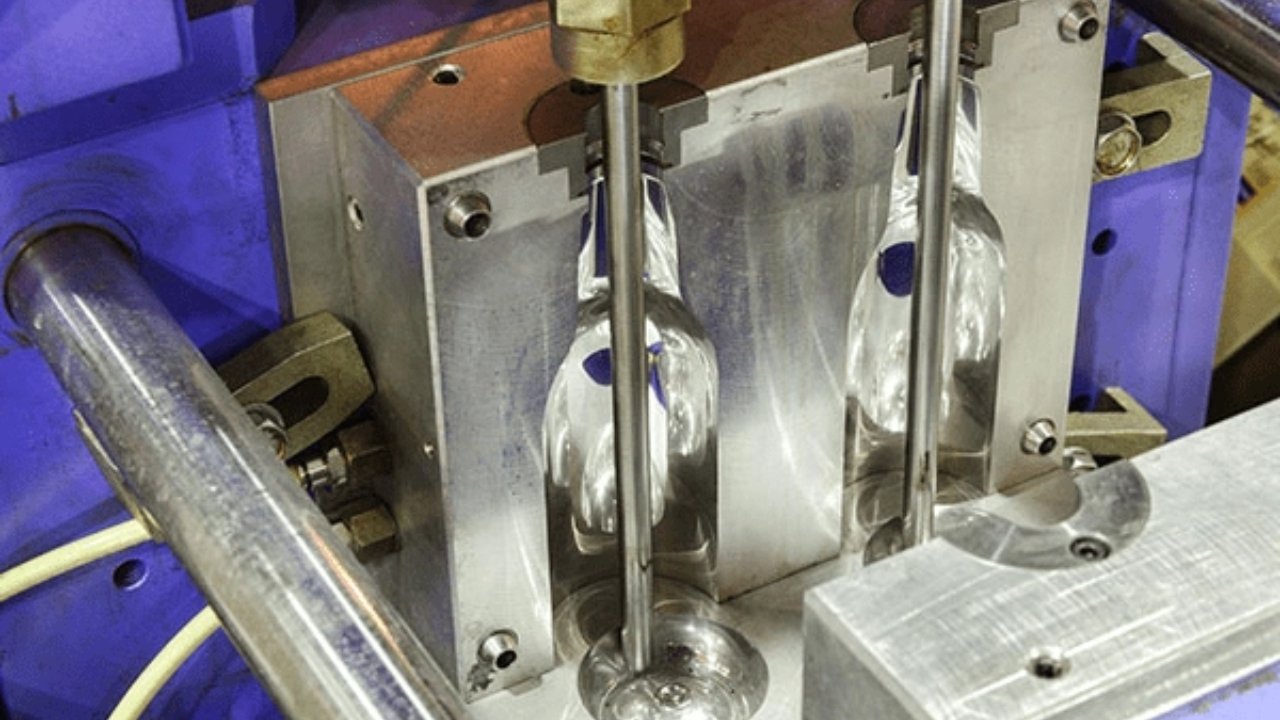
เหตุใดกระบวนการฉีดพลาสติกจึงต้องการกลยุทธ์ด้านความร้อนที่แตกต่างกัน
ความสับสนระหว่างตัวควบคุมอุณหภูมิและชิลเลอร์มักเริ่มต้นจากความเข้าใจผิดเกี่ยวกับตัวพลาสติก เรซินทุกชิ้นมีขั้นตอนการประมวลผลเฉพาะ
พิจารณาสถานการณ์ทั่วไปสองสถานการณ์:
- เรซินกึ่งผลึก เช่น ไนลอน (PA) หรือ POM ต้องใช้อุณหภูมิพื้นผิวแม่พิมพ์สูง ซึ่งมักจะอยู่ที่ 80–120°C เพื่อควบคุมการตกผลึก แม่พิมพ์เย็นทำให้เกิดการสร้างผิวหนังอย่างรวดเร็วและเกิดความเครียดภายในซึ่งนำไปสู่การบิดเบี้ยว ในที่นี้ งานด้านความร้อนคือการ รักษาความร้อน. MTC ให้ความร้อนของเหลวอย่างแข็งขันด้วยเครื่องทำความร้อนไฟฟ้า และควบคุมอุณหภูมินั้นอย่างแม่นยำ เพื่อป้องกันไม่ให้แม่พิมพ์ดึงความร้อนออกไปเร็วเกินไป
- เรซินอสัณฐาน เช่น โพลีสไตรีนหรือโพลีโพรพีลีนที่ทำงานในเครื่องมือที่มีโพรงอากาศสูง เช่น แม่พิมพ์ที่มีฝาปิด 32 ช่องในรอบ 3 วินาที จะสร้างความร้อนมหาศาลที่ต้องกำจัดออกทันที เครื่องทำความเย็นสำหรับกระบวนการได้รับการออกแบบมาเพื่องานนี้: วงจรทำความเย็น (คอมเพรสเซอร์ คอนเดนเซอร์ วาล์วขยายตัว เครื่องระเหย) จะดึงพลังงานความร้อนจากของไหลส่งคืน และจ่ายของเหลวที่ระบายความร้อนด้วยความเสถียร ±1°C หรือเข้มงวดกว่า
ปัญหาที่เกิดขึ้นเมื่อโปรเซสเซอร์ปฏิบัติต่อแม่พิมพ์ทั้งหมดในลักษณะเดียวกัน เครื่องทำความเย็นที่ตั้งอุณหภูมิไว้ที่ 20°C โดยส่งของเหลว "เย็น" ไปยังแม่พิมพ์ขั้วต่อไนลอนจะทำให้ชิ้นส่วนเปราะและเกิดความเครียด MTC ที่พยายามควบคุมแม่พิมพ์บรรจุภัณฑ์ที่มีผนังบางที่มีความร้อนสูงเกินไป จะมองเห็นวงจรการทำความร้อนอย่างไม่มีที่สิ้นสุด ในขณะที่อุณหภูมิของแม่พิมพ์ลอยสูงขึ้น การจับคู่กลยุทธ์ด้านความร้อนกับพฤติกรรมของโพลีเมอร์ไม่ใช่ทางเลือก แต่เป็นรากฐานของคุณภาพที่สม่ำเสมอ
ตัวอย่างเชิงปฏิบัติของความไม่ตรงกันทางความร้อน
โปรเซสเซอร์ที่ใช้พรีฟอร์ม PET ที่เติมแก้วรายงานว่ามีเศษสูงเนื่องจากความหนาของผนังไม่เท่ากัน การตรวจสอบพบว่าพวกเขากำลังใช้วงจรทำความเย็นเดี่ยวที่อุณหภูมิ 12°C สำหรับแม่พิมพ์ทั้งหมด ในขณะที่ด้านแกนกลางต้องการการระบายความร้อนเชิงรุก ด้านช่องสำหรับเกรดเฉพาะนี้ต้องการอุณหภูมิพื้นผิว 140°C เพื่อป้องกันการแข็งตัวที่ประตูก่อนเวลาอันควร การแก้ไขไม่ใช่ปั๊มที่ใหญ่กว่าหรืออุณหภูมิต่ำกว่า แต่เป็นการแยกลูปความร้อนและรวม MTC ไว้ที่ด้านช่อง เศษเหล็กลดลงจาก 8% เหลือต่ำกว่า 1.5%
ข้อกำหนดทางเทคนิคที่สำคัญในการควบคุมความร้อนของแม่พิมพ์
ก่อนที่จะเลือกอุปกรณ์ใดๆ แอปพลิเคชันจะกำหนดประสิทธิภาพที่ต้องการ ข้อกำหนดทางเทคนิคด้านล่างมีผลโดยตรงว่า MTC หรือเครื่องทำความเย็นเหมาะสมหรือไม่ และตามข้อกำหนดจำเพาะใด
| ความต้องการ | ช่วงค่าทั่วไป | ผลกระทบต่อการเลือกอุปกรณ์ |
|---|---|---|
| อุณหภูมิทางออกของของไหล | -30°ซ ถึง 180°ซ | อุณหภูมิที่สูงกว่า 90°C (น้ำ) ต้องใช้ MTC ที่มีแรงดัน ไม่ใช่เครื่องทำความเย็น อุณหภูมิต่ำกว่า 20°C ต้องใช้เครื่องทำความเย็นที่มีวงจรคอมเพรสเซอร์ |
| โหลดความร้อนที่จะลบออก | ความเย็น 1–200+ ตัน | กำหนดแรงม้าของคอมเพรสเซอร์สำหรับเครื่องทำความเย็น ไม่เกี่ยวข้องกับ MTC ซึ่งให้ความสามารถในการทำความร้อนเป็นกิโลวัตต์ |
| ความเสถียรของอุณหภูมิที่ต้องการ | ±0.5°C ถึง ±2°C | ทั้ง MTC และเครื่องทำความเย็นที่ออกแบบมาอย่างดีสามารถบรรลุ ±1°C; การบรรลุถึง ±0.5°C ที่ประตูแม่พิมพ์อาจต้องใช้การตรวจจับท่อร่วมโดยตรงและการควบคุม PID |
| แรงดันปั๊มและอัตราการไหล | 20–100 PSI / 20–200 ลิตรต่อนาที | ระบบจะต้องเอาชนะแรงดันตกของแม่พิมพ์ เครื่องทำความเย็นที่มีปั๊มขนาดเล็กจากถังสู่กระบวนการอาจหยุดทำงานบนแม่พิมพ์ที่มีข้อจำกัด MTC มักมีปั๊มกังหันไหลสูงที่ได้รับการจัดอันดับสำหรับการใช้งานที่อุณหภูมิสูง |
| ประเภทของเหลว | น้ำ ส่วนผสมไกลคอล-น้ำ น้ำมัน | ไกลคอลลดความจุเครื่องทำความเย็นลงประมาณ 15–20% เมื่อเทียบกับน้ำบริสุทธิ์ MTC ที่ใช้น้ำมันสำหรับอุณหภูมิสูงกว่า 150°C ต้องใช้ซีลและท่อที่มีระดับน้ำมัน |
ข้อกำหนดเหล่านี้ไม่สามารถใช้แทนกันได้ ข้อผิดพลาดทั่วไปคือการเลือกเครื่องทำความเย็นโดยพิจารณาจาก "ปริมาณความเย็น" เพียงอย่างเดียว โดยไม่ยืนยันว่ากระบวนการนี้จำเป็นต้องใช้วงจรทำความร้อนจริงหรือไม่ ที่สุด โซลูชันการระบายความร้อนแบบกำหนดเอง เริ่มต้นด้วยการคำนวณภาระความร้อนที่แยกความแตกต่างระหว่างโซนทำความร้อนและโซนทำความเย็นซึ่งมักจะอยู่ในแม่พิมพ์เดียวกัน
วิธีแก้ปัญหาที่เหมาะสมและวิธีการทำงานในทางปฏิบัติ
ตัวควบคุมอุณหภูมิแม่พิมพ์: ควบคุมความร้อนและการไหลเวียน
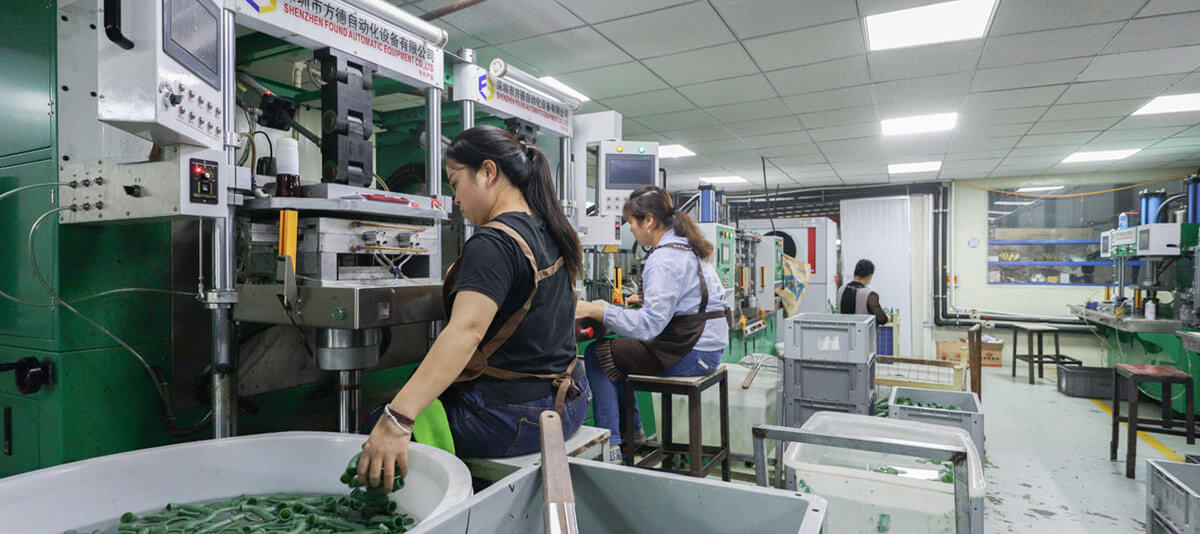
MTC ทำหน้าที่เป็นเครื่องทำความร้อนที่แม่นยำและระบบหมุนเวียนของเหลวร้อน ตรรกะการทำงานของมันตรงไปตรงมา: องค์ประกอบความร้อนไฟฟ้าจะเพิ่มของเหลวในถังจนถึงจุดที่ตั้งไว้ และปั๊มจะดันของเหลวผ่านช่องแม่พิมพ์ก่อนที่จะกลับสู่ถังเพื่อให้ความร้อนอีกครั้ง วงจรควบคุมจะปรับเครื่องทำความร้อนตามอุณหภูมิของไหลย้อนกลับหรืออุณหภูมิพื้นผิวแม่พิมพ์
ตัวอย่างการกำหนดค่าเฉพาะเกี่ยวข้องกับ MTC ที่ทำงานด้วยน้ำพร้อมระบบแรงดัน ที่อุณหภูมิ 120°C น้ำจะอยู่เหนือจุดเดือดในบรรยากาศ ดังนั้นจึงต้องปิดผนึกวงจรและเพิ่มแรงดันด้วยตัวแลกเปลี่ยนความร้อนที่สามารถรองรับการขยายตัวได้ โดยทั่วไปหน่วยที่มีอุณหภูมิ 160–180°C จะใช้คอยล์ภายในเพื่อระบายความร้อน ซึ่งไม่ได้ใช้สำหรับการหล่อเย็นแม่พิมพ์ แต่สำหรับการระบายความร้อนวงจรของ MTC อย่างรวดเร็วเมื่อสลับระหว่างงาน ไม่ควรสับสนระหว่างฟังก์ชันการทำความเย็นแบบไล่อากาศกับความสามารถในการทำความเย็นของกระบวนการ
ในทางปฏิบัติ ผู้ผลิตเกียร์ไนลอนที่ใช้ท่อร่วมแบบวิ่งร้อนที่อุณหภูมิ 160°C ไม่สามารถใช้เครื่องทำความเย็นเพื่อจุดประสงค์นี้ได้ MTC หมุนเวียนน้ำมันที่ให้ความร้อนผ่านท่อร่วมไอดี โดยยึดประตูให้อยู่ในสภาพหลอมละลาย คอยล์ทำความเย็นทางอ้อมของ MTC ช่วยให้ผู้ปฏิบัติงานลดอุณหภูมิลงอย่างรวดเร็วระหว่างการเปลี่ยนแม่พิมพ์ เพื่อป้องกันความเสียหายจากความร้อน
กระบวนการชิลเลอร์: การกำจัดความร้อนแบบแอคทีฟ
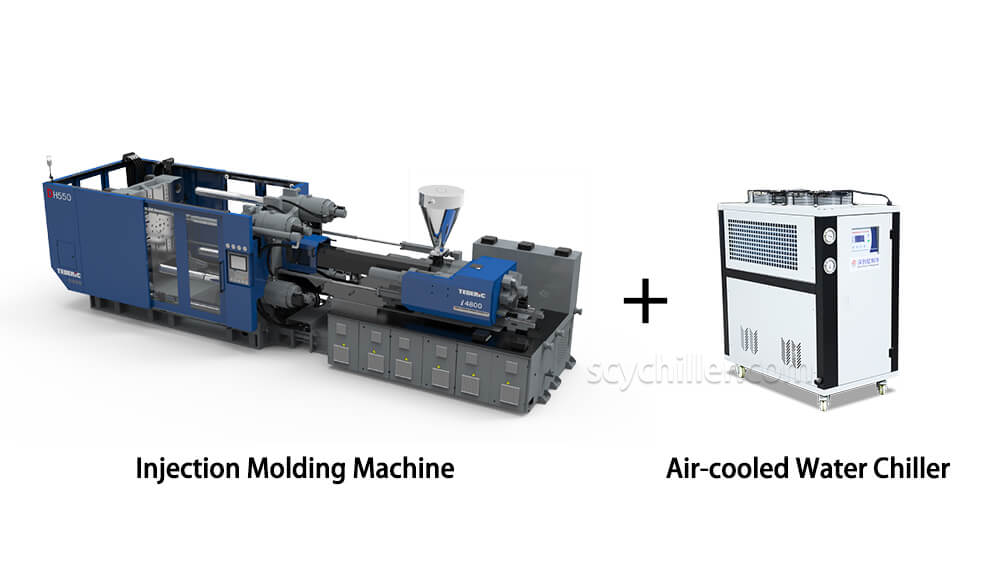
เครื่องทำความเย็นแบบกระบวนการเป็นระบบทำความเย็นขนาดกะทัดรัดโดยพื้นฐานแล้ว ของไหลจากกระบวนการจะกลับสู่เครื่องระเหยของเครื่องทำความเย็น (แบบแผ่นประสานหรือแบบเปลือกและท่อ) ซึ่งจะปล่อยความร้อนออกสู่วงจรสารทำความเย็น เฟสของสารทำความเย็นเปลี่ยนจากของเหลวเป็นแก๊สจะดูดซับพลังงานความร้อน ซึ่งจากนั้นจะถูกปฏิเสธไปยังอากาศโดยรอบ (ระบายความร้อนด้วยอากาศ) หรือวงจรน้ำของโรงงาน (ระบายความร้อนด้วยน้ำ) ของเหลวที่เย็นลงแล้วจะกลับคืนสู่แม่พิมพ์
เงื่อนไขขอบเขตในทางปฏิบัติ: เครื่องทำความเย็นแบบระบายความร้อนด้วยอากาศแบบพกพาขนาด 0.84 ถึง 40 ตันเป็นตัวเลือกทั่วไปสำหรับเครื่องขึ้นรูปแต่ละเครื่อง ในขณะที่ระบบระบายความร้อนด้วยน้ำหรือชุดสกรูกลางจะทำหน้าที่ในโถงการผลิตเต็มรูปแบบ สำหรับระบบ PET พรีฟอร์มความเร็วสูงที่ปฏิเสธความร้อนได้มากถึง 30 ตัน เครื่องทำความเย็นแบบระบายความร้อนด้วยน้ำพร้อมเครื่องระเหยแบบเปลือกและท่อ และหอทำความเย็นแบบระยะไกลให้ประสิทธิภาพการใช้พลังงานที่ดีกว่าเครื่องทำความเย็นแบบระบายความร้อนด้วยอากาศในโรงงานที่มีการควบคุมอุณหภูมิ
สำหรับการใช้งานที่อุณหภูมิต่ำกว่า 0°C เช่น กระบวนการฉีดขึ้นรูปปฏิกิริยาบางอย่าง หรือการทำความเย็นด้วยสารเคมีเฉพาะทาง จำเป็นต้องใช้เครื่องทำความเย็นไกลคอลที่มีถังเก็บของเหลวและแพ็คเกจคอมเพรสเซอร์อุณหภูมิต่ำ (เช่น คอมเพรสเซอร์แบบสกรู Bitzer หรือ Hanbell) เครื่องทำความเย็นแบบไกลคอลขนาด 2 ตันที่หมุนเวียนของเหลวที่มีอุณหภูมิ -30°C ไปยังช่องระบายความร้อนของแม่พิมพ์จำเป็นต้องเลือกส่วนประกอบอย่างระมัดระวัง เครื่องระเหยอาจเป็นแบบแผ่นประสานที่มีโครงสร้างเป็นสแตนเลสเพื่อทนต่อการกัดกร่อน และผู้ควบคุมจะต้องจัดการการเปลี่ยนแปลงความหนืดของของเหลว ข้อควรระวังที่สำคัญ: ระบบที่ออกแบบมาสำหรับอุณหภูมิ -30°C ไม่สามารถสลับระหว่างไกลคอลกับน้ำได้โดยไม่ต้องล้างและสอบเทียบตัวควบคุมการไหลใหม่อย่างละเอียด เนื่องจากคุณสมบัติทางความร้อนของของเหลวทั้งสองแตกต่างกันโดยพื้นฐาน
ตารางการปรับให้เหมาะสมกับการใช้งาน: การระบุอุปกรณ์ที่เหมาะสม
ตารางนี้เชื่อมโยงการสังเกตกระบวนการกับประเภทอุปกรณ์ที่เหมาะสมที่สุด
| กระบวนการสังเกต / เป้าหมาย | ทำไมมันถึงสำคัญ | อุปกรณ์ที่เหมาะสม | การยืนยันที่สำคัญ |
|---|---|---|---|
| ต้องการพื้นผิวแม่พิมพ์ที่สูงกว่า 90°C สำหรับการตกผลึกของเรซิน | แม่พิมพ์เย็นทำให้เกิดการลอกผิวก่อนวัยอันควรและการบิดเบี้ยวในชิ้นส่วนไนลอน, PBT, POM | น้ำอัดลม MTC หรือ น้ำมัน MTC | ยืนยันการลดลงของแรงดันแม่พิมพ์สูงสุด เลือกเส้นโค้งปั๊มที่ถูกต้อง |
| รอบเวลาเป็นเครื่องมือจำกัด ต้องขจัดความร้อนเร็วขึ้น | แม่พิมพ์บรรจุภัณฑ์ผนังบางที่มีโพรงอากาศสูงเข้าถึงความอิ่มตัวของความร้อนได้อย่างรวดเร็ว | เครื่องทำความเย็นแบบกระบวนการ (ระบายความร้อนด้วยอากาศหรือน้ำ) | คำนวณภาระความร้อน (ปริมาณงานของวัสดุ ปอนด์/ชม × ความร้อนจำเพาะ) |
| การใช้น้ำที่อุณหภูมิต่ำกว่า 20°C หรือไกลคอลผสมที่อุณหภูมิต่ำกว่า 0°C | ป้องกันการกัดกร่อนที่เกิดจากน้ำและรักษาเสถียรภาพที่อุณหภูมิต่ำ | เครื่องทำความเย็นไกลคอลอุณหภูมิต่ำพร้อมเครื่องระเหยสแตนเลส | กำหนดอุณหภูมิขั้นต่ำที่ต้องการ ตรวจสอบความเข้มข้นของไกลคอลและการลดอัตราการถ่ายเทความร้อน |
| ท่อร่วมแบบ Hot-runner ต้องใช้น้ำมันที่มีอุณหภูมิสูง | ท่อร่วมต้องการความร้อนที่มั่นคงเพื่อป้องกันไม่ให้ประตูแข็งตัว | MTC ชนิดน้ำมัน (สูงถึง 300°C) | ตรวจสอบให้แน่ใจว่าซีล ข้อต่อแบบหมุน และท่อทั้งหมดมีระดับน้ำมัน |
| แม่พิมพ์มีทั้งแบบครึ่งร้อนและเย็น | โปรเซสเซอร์เผชิญกับข้อกำหนด "ช่องอุ่น / แกนเย็น" แบบคลาสสิก | ระบบวงจรคู่ในตัว: MTC + Chiller | ทั้งสองลูปจะต้องแยกออกจากกันด้วยระบบไฮดรอลิก ท่อร่วมกลางควรกำหนดเส้นทางแต่ละวงจรอย่างอิสระ |
ข้อควรพิจารณาในการดำเนินการ
ก่อนที่จะรวมอุปกรณ์ควบคุมอุณหภูมิ วิศวกรโรงงานมักจะทดสอบและตรวจสอบความถูกต้องของสมมติฐานของตน นี่คือที่ โซลูชันการระบายความร้อนแบบกำหนดเอง แทนที่โมเดลแคตตาล็อกทั่วไป ขั้นตอนการปฏิบัติต่อไปนี้ช่วยหลีกเลี่ยงความล้มเหลวในการรวมระบบที่มีค่าใช้จ่ายสูง:
- ตรวจสอบความเข้ากันได้ของเส้นทางของของไหล: แม่พิมพ์ที่มีช่องระบายความร้อนขนาดเล็กและจำกัด (เช่น เส้นผ่านศูนย์กลาง 4 มม.) อาจทำให้แรงดันตกมากเกินไป เครื่องทำความเย็นที่มีปั๊มแรงเหวี่ยงแรงดันต่ำอาจหยุดทำงาน ระบุปั๊มแทนที่เชิงบวกหรือปั๊มกังหันแรงดันสูง หากแรงดันตกที่คำนวณได้เกินความสามารถโค้งกลางของปั๊มที่อัตราการไหลเป้าหมาย
- บัญชีสำหรับการลดอันดับของไหล: เมื่อใช้ส่วนผสมไกลคอล 35% ในเครื่องทำความเย็นสำหรับการใช้งานที่ -15°C ความสามารถในการทำความเย็นของเครื่องทำความเย็นจะอยู่ที่ประมาณ 80–85% ของระดับน้ำที่ระบุ ซัพพลายเออร์ควรจัดเตรียมกราฟความจุสำหรับความเข้มข้นและอุณหภูมิของไกลคอลที่จำเพาะ การไม่ตรงกันที่นี่นำไปสู่หน่วยที่ไม่สามารถรักษาค่าที่ตั้งไว้ได้ที่โหลดสูงสุด
- บูรณาการสิ่งอำนวยความสะดวก: ชิลเลอร์ระบายความร้อนด้วยอากาศจำเป็นต้องมีการระบายอากาศในโรงงานอย่างเพียงพอ เครื่องทำความเย็นขนาด 20 ตันจะปฏิเสธความร้อนประมาณ 70 กิโลวัตต์ออกสู่สิ่งแวดล้อม ยูนิตระบายความร้อนด้วยน้ำจำเป็นต้องมีทาวเวอร์หรือลูปส่วนกลาง ซึ่งแนะนำการบำบัดน้ำคอนเดนเซอร์และข้อกังวลเรื่องขนาด ในพื้นที่หรือโรงงานที่ขาดแคลนน้ำซึ่งไม่สามารถสร้างหอทำความเย็นได้ แนะนำให้ใช้รุ่นระบายความร้อนด้วยอากาศ แม้ว่าอุณหภูมิการควบแน่นจะสูงกว่าก็ตาม
- ความเข้ากันได้ของวัสดุ: สำหรับการใช้งานในการทำความเย็นที่เกี่ยวข้องกับน้ำเกลือหรือสารเคมีที่มีฤทธิ์รุนแรง ตัวแลกเปลี่ยนที่ประสานด้วยทองแดงมาตรฐานอาจทำงานล้มเหลว ตัวเลือกแบบกำหนดเอง — เครื่องระเหยไทเทเนียมหรือเปลือกสแตนเลส — ป้องกันการปนเปื้อนและรับประกันอายุการใช้งานที่ยาวนานในสภาพแวดล้อมการขึ้นรูปยาหรือสารเคมี
- การฝึกอบรมเชิงปฏิบัติการ: MTC ที่ทำงานที่อุณหภูมิสูงกว่า 120°C อาจทำให้เกิดอันตรายจากการเผาไหม้ได้ ผู้ปฏิบัติงานต้องเข้าใจว่าการระบายความร้อนวงจร MTC ด้วยน้ำจากพืชเย็นโดยตรงผ่านวาล์วไล่อากาศอาจทำให้เกิดการเปลี่ยนแปลงอุณหภูมิแบบฉับพลันและถังทำความร้อนแตกได้หากไม่ดำเนินการอย่างค่อยเป็นค่อยไป นี่เป็นสาเหตุที่พบบ่อยของความล้มเหลวของ MTC ก่อนเวลาอันควร
ข้อจำกัดและสถานการณ์เชิงลบ
ไม่มีอุปกรณ์ระบายความร้อนตัวเดียวที่เป็นสากล การรับรู้เมื่อแนวทางใดแนวทางหนึ่งไม่เหมาะสมจะช่วยป้องกันทั้งเหตุการณ์ด้านความปลอดภัยและความล้มเหลวของกระบวนการ
- อย่าใช้ MTC เมื่อคุณต้องการระบายความร้อนอย่างรวดเร็ว หากของเหลวที่ไหลย้อนกลับของแม่พิมพ์เกินค่าที่ตั้งไว้ของ MTC มากกว่า 5°C เครื่องทำความร้อนของ MTC จะปิดลง และแม่พิมพ์ที่ไม่สามารถควบคุมได้จะลอยขึ้นในอุณหภูมิ สิ่งนี้บ่งชี้ถึงภาระความร้อนที่ต้องใช้การทำความเย็นแบบแอคทีฟ ไม่ใช่การควบคุมความร้อน
- อย่าใช้เครื่องทำความเย็นมาตรฐานในการทำความร้อนที่อุณหภูมิสูง คอมเพรสเซอร์ของเครื่องทำความเย็นได้รับการออกแบบมาเพื่อจัดการอุณหภูมิส่งคืนของสารทำความเย็นภายในซองที่ปลอดภัย การให้เครื่องระเหยของเครื่องทำความเย็นสัมผัสกับน้ำไหลกลับ 100°C จะทำลายคอมเพรสเซอร์ การขึ้นรูปที่อุณหภูมิสูงต้องใช้วงจรทำความร้อนเฉพาะที่แยกจากกัน
- ชิลเลอร์ไกลคอลไม่ใช้น้ำแบบปลั๊กแอนด์เพลย์ การเปลี่ยนเครื่องทำความเย็นจากลูปไกลคอลที่มีอุณหภูมิ -20°C เป็นลูปน้ำที่มีอุณหภูมิ 15°C จำเป็นต้องระบายน้ำออกโดยสมบูรณ์ การชะล้างด้วยน้ำ ตรวจสอบความเข้ากันได้ของซีลปั๊ม (ไกลคอลแพ็คซีลเชิงกลบางประเภท) และอาจตั้งโปรแกรมควบคุมการตั้งค่าใหม่ได้ การไม่ชำระล้างอาจนำไปสู่การเจริญเติบโตของแบคทีเรียและการเกิดเจลของของเหลว
- การใช้งานที่อุณหภูมิต่ำมาก (-30°C และต่ำกว่า) จำเป็นต้องพิจารณาการออกแบบเฉพาะ ซึ่งรวมถึงคอนเดนเซอร์ขนาดใหญ่ เครื่องทำความร้อนเหวี่ยงบนคอมเพรสเซอร์ และฉนวนบนท่อกระบวนการแบบเปิดทั้งหมด เครื่องทำความเย็นแบบพกพามาตรฐานจะไม่สามารถเข้าถึงอุณหภูมิเหล่านี้ได้อย่างน่าเชื่อถือหากไม่มี โซลูชันการระบายความร้อนแบบกำหนดเอง กำหนดและสร้างไว้เพื่อปฏิบัติหน้าที่
รายการตรวจสอบการอภิปรายโครงการ
เตรียมรายการเหล่านี้ก่อนว่าจ้างซัพพลายเออร์สำหรับเครื่องควบคุมอุณหภูมิแม่พิมพ์หรือเครื่องทำความเย็นในกระบวนการ คำตอบที่ชัดเจนจะช่วยเร่งการเลือกระบบที่ได้รับการออกแบบทางวิศวกรรมอย่างเหมาะสม และเผยให้เห็นว่าเป็นอุปกรณ์ที่มีจำหน่ายทั่วไปหรือก โซลูชันการระบายความร้อนแบบกำหนดเอง เป็นสิ่งจำเป็น
- การใช้งานและเรซิน: คุณกำลังปั้นพลาสติกชนิดไหน? ช่วงอุณหภูมิพื้นผิวแม่พิมพ์ที่แนะนำคือเท่าใด?
- ข้อกำหนดแบบดูอัลลูป: แม่พิมพ์ของคุณมีโซนอุณหภูมิแยกกัน (เช่น ช่องร้อนและแกนเย็น) หรือไม่?
- โหลดความร้อน (สำหรับเครื่องทำความเย็น): ปริมาณงานพลาสติกทั้งหมด (ปอนด์/ชม หรือ กก./ชม) คือเท่าใด ระบุความร้อนจำเพาะของวัสดุหากทราบ
- ความจุความร้อน (สำหรับ MTC): เวลาเป้าหมายในการทำความร้อนเริ่มแรกของแม่พิมพ์และมวลของเหล็กกล้าเครื่องมือคือเท่าใด
- จุดตั้งค่าของของไหลและอุณหภูมิ: อุณหภูมิของเหลวที่ต้องการสูงกว่า 90°C (ต้องการ MTC ที่มีแรงดัน) หรือต่ำกว่า 20°C (ต้องการเครื่องทำความเย็น) คุณใช้น้ำ ไกลคอล หรือน้ำมันหรือไม่?
- การไหลและแรงดันตก: เส้นผ่านศูนย์กลางของช่องระบายความร้อนในแม่พิมพ์อยู่ที่เท่าไร และความยาววงจรทั้งหมดเป็นเท่าใด มีปั๊มแรงดันอะไรบ้าง?
- ข้อจำกัดด้านสิ่งแวดล้อมและสิ่งอำนวยความสะดวก: คุณมีน้ำหล่อเย็นจากโรงงานสำหรับคอนเดนเซอร์ระบายความร้อนด้วยน้ำ หรือระบายความร้อนด้วยอากาศเป็นทางเลือกเดียวของคุณ? อุณหภูมิอากาศโดยรอบในพื้นที่การผลิตในช่วงฤดูร้อนเป็นเท่าใด
- ข้อกังวลเกี่ยวกับการกัดกร่อนหรือวัสดุ: จำเป็นต้องมีวัสดุเปียกพิเศษใดๆ (สแตนเลส ไทเทเนียม) เนื่องจากของเหลวหรือสภาพแวดล้อมหรือไม่?
- รูปแบบการผลิต: คุณทำงานอย่างต่อเนื่องโดยที่ประสิทธิภาพการใช้พลังงานมีความสำคัญ หรือเป็นช่วงๆ ในกรณีที่คอมเพรสเซอร์เปิด/ปิดที่ง่ายกว่านั้นเป็นที่ยอมรับหรือไม่
คำถามที่พบบ่อย
ไตรมาสที่ 1 ตัวควบคุมอุณหภูมิแม่พิมพ์สามารถทำให้แม่พิมพ์ของฉันเย็นลงได้หรือไม่?
MTC ให้ความเย็นเฉพาะในแง่ของการส่งของไหลผ่านตัวแลกเปลี่ยนความร้อนทางอ้อมเท่านั้น เพื่อลดอุณหภูมิของของไหลเอง โดยทั่วไปเพื่อการไล่อากาศและความปลอดภัย ไม่สามารถขจัดความร้อนออกจากแม่พิมพ์ที่สร้างพลังงานความร้อนส่วนเกินจากการผลิตแบบหมุนเวียนเร็วได้ หากอุณหภูมิของไหลย้อนกลับของแม่พิมพ์ของคุณเพิ่มขึ้นเหนือค่าที่ตั้งไว้อย่างสม่ำเสมอ คุณจะต้องใช้การทำความเย็นแบบแอคทีฟจากเครื่องทำความเย็น
ไตรมาสที่ 2 ฉันควรใช้ของเหลวชนิดใดในเครื่องทำความเย็นสำหรับอุณหภูมิต่ำกว่าศูนย์
สำหรับอุณหภูมิที่ต่ำถึง -30°C จะมีส่วนผสมของน้ำและโพรพิลีนหรือเอทิลีนไกลคอลที่ถูกยับยั้งเป็นเรื่องปกติ ความเข้มข้นที่ต้องการจะเปลี่ยนค่าสัมประสิทธิ์การถ่ายเทความร้อนและความสามารถในการสูบของของไหล โดยทั่วไปจะมีส่วนผสมไกลคอล 35–50% ต่ำกว่าอุณหภูมิเหล่านี้ จำเป็นต้องใช้ของเหลวถ่ายเทความร้อนอุณหภูมิต่ำแบบพิเศษ ปั๊มของเครื่องทำความเย็นและเครื่องระเหยต้องมีขนาดตามความหนืดที่เพิ่มขึ้นและความจุความร้อนที่ลดลงของของเหลวไกลคอล แผนภูมิกำลังการผลิตจากผู้ผลิตควรยืนยันจุดปฏิบัติงาน
ไตรมาสที่ 3 เมื่อใดที่ฉันต้องใช้ระบบระบายความร้อนแบบกำหนดเองแทนยูนิตมาตรฐาน?
อุปกรณ์ที่มีจำหน่ายทั่วไปจะเหมาะสมเมื่อช่วงอุณหภูมิ ปริมาณความร้อน และประเภทของเหลวที่คุณต้องการอยู่ในตารางคะแนนมาตรฐานของผู้ผลิต คุณต้องมี โซลูชันการระบายความร้อนแบบกำหนดเอง เมื่อการใช้งานของคุณเกี่ยวข้องกับข้อกำหนดที่ผิดปกติ เช่น ลูปการทำความเย็นหลายรอบที่อุณหภูมิที่แตกต่างกันอย่างมากในระบบเดียว ของเหลวที่มีฤทธิ์กัดกร่อนหรือมีฤทธิ์กัดกร่อนที่ต้องใช้โครงสร้างไทเทเนียมหรือสแตนเลส สภาวะแวดล้อมที่รุนแรง (40°C+) หรือพิกัดความปลอดภัยเฉพาะทาง เช่น การจำแนกประเภทที่ป้องกันการระเบิด (ATEX/IECEx) สำหรับสภาพแวดล้อมที่ผันผวน
ไตรมาสที่ 4 MTC แบบน้ำมันดีกว่า MTC แบบน้ำสำหรับอุณหภูมิสูงหรือไม่
MTC แบบน้ำให้ประสิทธิภาพการถ่ายเทความร้อนที่ดีกว่า และเป็นที่ต้องการจนถึงขีดจำกัดแรงดันที่ประมาณ 180°C MTC น้ำมันใช้สำหรับการใช้งานที่มีอุณหภูมิสูงถึง 200°C ถึง 300°C โดยทั่วไปสำหรับพลาสติกวิศวกรรมที่มีอุณหภูมิสูงมากหรือระบบทางวิ่งร้อนที่อยู่ห่างไกลจากตัวควบคุม ความจุความร้อนจำเพาะที่ต่ำกว่าของน้ำมันหมายความว่าการถ่ายเทความร้อนช้าลง และระบบต้องการการบำรุงรักษามากขึ้น เนื่องจากอาจเกิดการโค้กและการเสื่อมสภาพของซีลที่อุณหภูมิสุดขั้ว ทางเลือกขึ้นอยู่กับอุณหภูมิที่ต้องการเท่านั้น
รายการตรวจสอบการคัดเลือก
ก่อนที่จะสรุปใบสั่งซื้อใดๆ รายการที่สามารถดำเนินการได้ต่อไปนี้จะป้องกันความล้มเหลวในฟิลด์ที่มีค่าใช้จ่ายสูง
- ยืนยันว่าค่าการปฏิเสธความร้อนรวมของแม่พิมพ์ (กิโลวัตต์/ตัน) ได้รับการคำนวณและทำเครื่องหมายไว้เทียบกับความจุของเครื่องทำความเย็นที่อุณหภูมิของเหลวที่ต้องการ
- ตรวจสอบแล้วว่ากราฟการไหลของแรงดันของปั๊มสามารถส่งกระแสปั่นป่วนขั้นต่ำที่ต้องการ (หมายเลข Reynolds > 5,000) ผ่านทางช่องระบายความร้อนของแม่พิมพ์
- สำหรับ MTC ที่สูงกว่า 120°C ยืนยันว่าวงจรมีแรงดัน และการเชื่อมต่อแม่พิมพ์และท่อทั้งหมดได้รับการจัดอันดับสำหรับการให้บริการที่อุณหภูมิสูงอย่างต่อเนื่อง
- สำหรับเครื่องทำความเย็นอุณหภูมิต่ำ ให้ทดสอบตัวอย่างของเหลวสำหรับความเข้มข้นไกลคอลเป้าหมาย และยืนยันการเลือกวัสดุเครื่องระเหย (เช่น เหล็กสเตนเลสชนิดแผ่นประสานสำหรับบริการไกลคอล)
- ตรวจสอบโครงสร้างพื้นฐานทางไฟฟ้าของสถานที่เพื่อจัดการกับแอมป์โหลดเต็ม (FLA) ของยูนิต เครื่องทำความเย็นแบบระบายความร้อนด้วยอากาศขนาด 40 ตันมักต้องมีการถอดสายเฉพาะและสายเคเบิลจำนวนมาก
- เดินลงไปตามพื้นที่การติดตั้งที่วางแผนไว้เพื่อยืนยันว่ามีพื้นที่ว่างเพียงพอ (โดยทั่วไปคืออย่างน้อย 1 เมตร) รอบๆ ช่องอากาศเข้าและช่องระบายอากาศของเครื่อง หรือการเข้าถึงท่อน้ำคอนเดนเซอร์
- หากสั่งซื้อระบบส่วนกลาง ให้ตรวจสอบการแยกไฮดรอลิกระหว่าง MTC และลูปเครื่องทำความเย็น เพื่อไม่ให้ลูปหนึ่งส่งผลกระทบถึงอีกลูปผ่านท่อร่วมทั่วไป
บทสรุป
การตัดสินใจระหว่างตัวควบคุมอุณหภูมิแม่พิมพ์และเครื่องทำความเย็นในกระบวนการนั้นไม่ใช่ความต้องการของแบรนด์ แต่เป็นภาระผูกพันทางอุณหพลศาสตร์ที่กำหนดโดยเรซิน การออกแบบแม่พิมพ์ และเป้าหมายของรอบเวลา เครื่องทำความเย็นแบบกระบวนการจะจัดการกับปัญหาความร้อนที่มากเกินไป ตัวควบคุมอุณหภูมิแม่พิมพ์แก้ปัญหาความร้อนไม่เพียงพอ การรู้ว่าปัญหาใดที่คุณกำลังแก้ไขในแต่ละครึ่งหนึ่งของแม่พิมพ์ จะนำคุณไปสู่อุปกรณ์ที่ถูกต้อง
สำหรับการใช้งานที่ไม่ซับซ้อน อุปกรณ์มาตรฐานจะทำงานได้อย่างน่าเชื่อถือ แต่ทันทีที่กระบวนการเกี่ยวข้องกับการผสมผสานระหว่างการทำความเย็นเชิงรุกบนลูปหนึ่งและการทำความร้อนที่แม่นยำบนอีกลูปหนึ่ง ของไหลที่มีอุณหภูมิต่ำหรือสภาพแวดล้อมที่มีฤทธิ์กัดกร่อน โซลูชันการระบายความร้อนแบบกำหนดเอง เป็นวิธีเดียวที่เชื่อถือได้ในการจับคู่เอาท์พุตความร้อนของเครื่องกับความต้องการที่แท้จริงของแม่พิมพ์ ก่อนที่คุณจะปฏิบัติตามข้อกำหนด ให้รวบรวมข้อมูลภาระความร้อน กำหนดเส้นทางของเหลว และท้าทายซัพพลายเออร์ด้วยสภาพการทำงานที่แท้จริงซึ่งไม่เหมาะ ระบบผลลัพธ์ที่ได้จะคุ้มค่ากับตัวเองไม่ใช่ในทางทฤษฎี แต่เป็นการลดของเสียและรอบเวลาที่สามารถวัดได้
