

 Портативный чиллер
 Чиллер с воздушным охлаждением
 Чиллер с водяным охлаждением
 Низкотемпературный чиллер
 Промышленный чиллер на заказ


Быстрый ответ
При литье пластмасс контроллер температуры формы (MTC) использует насос для циркуляции нагретой жидкости через форму, точно поддерживая стабильную повышенную температуру примерно до 180°C. Технологический охладитель активно отводит тепло, обеспечивая циркуляцию охлажденной жидкости, температура которой может достигать -30°C или ниже для низкотемпературных применений. Выбор зависит от того, что нужно пластику: MTC предотвращают преждевременное затвердевание и контролируют качество поверхности для медленно остывающих смол, а технологические охладители активно отводят тепло, чтобы сократить время цикла для крупногабаритных и быстроходных деталей. Для многих требовательных приложений оптимальным подходом является объединение обоих в одном индивидуальное решение для охлаждения.
Ключевые выводы
- Цель определяет оборудование: Используйте регулятор температуры, если целью является нагрев и поддержание формы выше температуры окружающей воды; используйте охладитель, когда приоритетом является быстрое отвод тепла.
- Диапазон температур жидкости является основным фактором принятия решения: MTC обычно работают с водой до 180°C (или маслом до 300°C), тогда как компактные чиллеры подают жидкость при температуре от 20°C до -30°C.
- Системная интеграция является общей: Многие линии литья пластмасс под давлением, выдувного формования и экструзии требуют как MTC для высокотемпературных поверхностей формы, так и охладитель для охлаждения гидравлического масла, подающего горловины или вторичной половины формы.
- Индивидуальные решения по охлаждению предотвращают несоответствия: Готовые устройства часто выходят из строя, когда требования к производительности, температурному диапазону или устойчивости к коррозии уникальны для процесса или материала.
- Оперативные границы имеют значение: Каждая технология имеет четкие физические ограничения; использование MTC для «охлаждения» формы за пределами окружающей среды просто не сработает, в то время как стандартный охладитель не может обеспечить точный нагрев, необходимый для специальных смол.
Введение
Неправильная температурная стратегия на заводе по производству пластмасс редко громко заявляет о себе — она незаметно проявляется в росте количества брака, увеличении продолжительности цикла и браковании партий из-за коробления или плохого качества поверхности. Инженеры быстро обнаруживают, что общий подход к охлаждению пресс-формы не работает. Одна и та же форма для изготовления нейлона требует совершенно другого терморегулирования, чем для полипропилена.
Фундаментальный вопрос не в том, какое устройство «лучше». Речь идет о понимании двух различных термических задач: удержание тепла в форме при определенной повышенной температуре и его быстрое и последовательное отведение. Когда процессор путает эти задачи, он может установить базовый охладитель там, где требуется регулятор температуры пресс-формы, или попытаться заставить регулятор температуры отводить тепло от перегревающегося инструмента — с предсказуемыми результатами.
Эта статья разъясняет техническую логику каждой системы, помогает вам выбрать правильный инструмент для вашей тепловой цели и объясняет, когда интегрированный индивидуальное решение для охлаждения становится единственным надежным путем к стабильному производству.
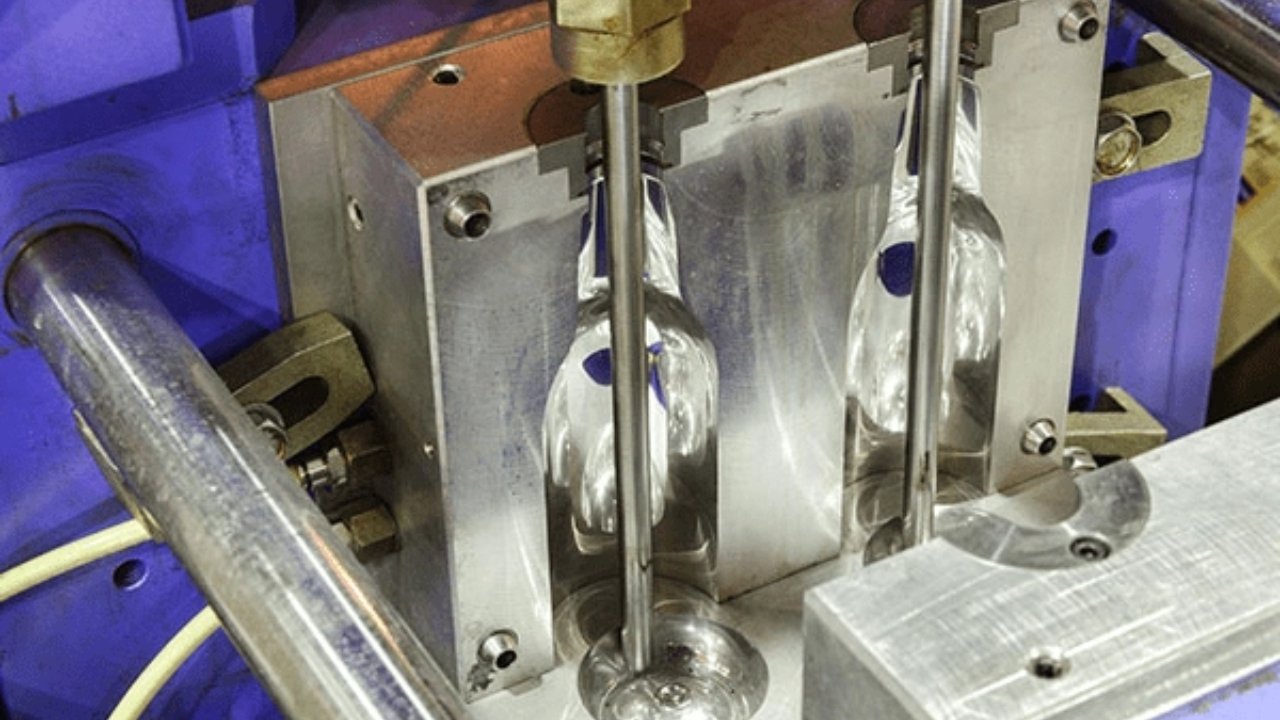
Почему процессы формования пластмасс требуют различных термических стратегий
Путаница между терморегуляторами и чиллерами часто начинается с непонимания сути самих пластиков. Каждая смола имеет определенное окно обработки.
Рассмотрим два распространенных сценария:
- Полукристаллические смолы такие как нейлон (PA) или ПОМ, требуют высокой температуры поверхности формы — часто 80–120 ° C — для контроля кристаллизации. Холодная плесень вызывает быстрое образование корки и внутренние напряжения, которые приводят к короблению. Здесь тепловая задача состоит в том, чтобы поддерживать тепло. MTC активно нагревает жидкость с помощью электрического нагревателя и точно контролирует эту температуру, не позволяя форме слишком быстро отводить тепло.
- Аморфные смолы Подобно полистиролу или полипропилену, работающему в инструменте с высокой кавитацией (скажем, в форме крышки с 32 гнездами в течение 3-секундного цикла), выделяется огромное количество тепла, которое необходимо мгновенно удалять. Для этой задачи предназначен технологический охладитель: его холодильный контур (компрессор, конденсатор, расширительный клапан, испаритель) извлекает тепловую энергию из возвратной жидкости и подает охлажденную жидкость со стабильностью ±1°C или выше.
Проблема возникает, когда процессор обрабатывает все формы одинаково. Охладитель, настроенный на температуру 20°C, подающий «холодную» жидкость в форму нейлонового соединителя, приведет к получению хрупких, напряженных деталей. MTC, пытающийся контролировать перегрев тонкостенной упаковочной формы, будет наблюдать бесконечный цикл нагрева, в то время как температура формы будет повышаться. Согласование термической стратегии с поведением полимера не является обязательным — это основа стабильного качества.
Практический пример температурного несоответствия
Переработчик, производящий ПЭТ-преформы, наполненные стеклом, сообщил о большом количестве брака из-за неравномерной толщины стенок. Расследование показало, что они использовали один контур охлаждения при температуре 12°C для всей формы. В то время как внутренняя сторона требовала агрессивного охлаждения, сторона полости для этой конкретной марки требовала температуры поверхности 140°C, чтобы предотвратить преждевременное замерзание литника. Исправление заключалось не в увеличении насоса или понижении температуры, а в разделении тепловых контуров и интеграции MTC со стороны полости. Доля лома упала с 8% до менее 1,5%.
Ключевые технические требования к термоконтролю пресс-формы
Прежде чем выбрать какое-либо оборудование, приложение определяет требуемую производительность. Приведенные ниже технические требования напрямую влияют на то, подходит ли MTC или чиллер и в какой спецификации.
| Требование | Типичный диапазон значений | Влияние на выбор оборудования |
|---|---|---|
| Температура жидкости на выходе | от -30°С до 180°С | При температуре выше 90°C (вода) требуется MTC под давлением, а не охладитель. При температуре ниже 20°C требуется охладитель с компрессорным контуром. |
| Тепловая нагрузка, которую необходимо снять | 1–200+ тонн охлаждения | Определяет мощность компрессора чиллера; не имеет значения для МТК, который обеспечивает тепловую мощность в кВт. |
| Требуемая температурная стабильность | от ±0,5°C до ±2°C | Как хорошо спроектированные MTC, так и охладители могут достигать ±1°C; Для достижения ±0,5°C на воротах формы может потребоваться прямое измерение коллектора и ПИД-регулирование. |
| Давление насоса и расход | 20–100 фунтов на квадратный дюйм / 20–200 л/мин | Система должна преодолевать перепад давления в пресс-форме. Чиллер с небольшим насосом, подающим резервуар в процесс, может заглохнуть из-за ограничительной формы. В MTC часто используются высокопроизводительные турбинные насосы, рассчитанные на работу при высоких температурах. |
| Тип жидкости | Вода, гликолевая смесь, масло | Гликоль снижает производительность чиллера примерно на 15–20% по сравнению с чистой водой. Для MTC, использующих масло при температуре выше 150°C, требуются уплотнения и шланги, рассчитанные на масло. |
Эти требования не являются взаимозаменяемыми. Распространенной ошибкой является выбор чиллера исключительно на основе «тонн охлаждения» без подтверждения того, действительно ли процессу нужен контур нагрева. Лучшее индивидуальные решения по охлаждению начните с расчета тепловой нагрузки, который различает зоны нагрева и зоны охлаждения, которые часто присутствуют в одной и той же форме.
Подходящее решение и как оно работает на практике
Контроллер температуры пресс-формы: контролируемый нагрев и циркуляция
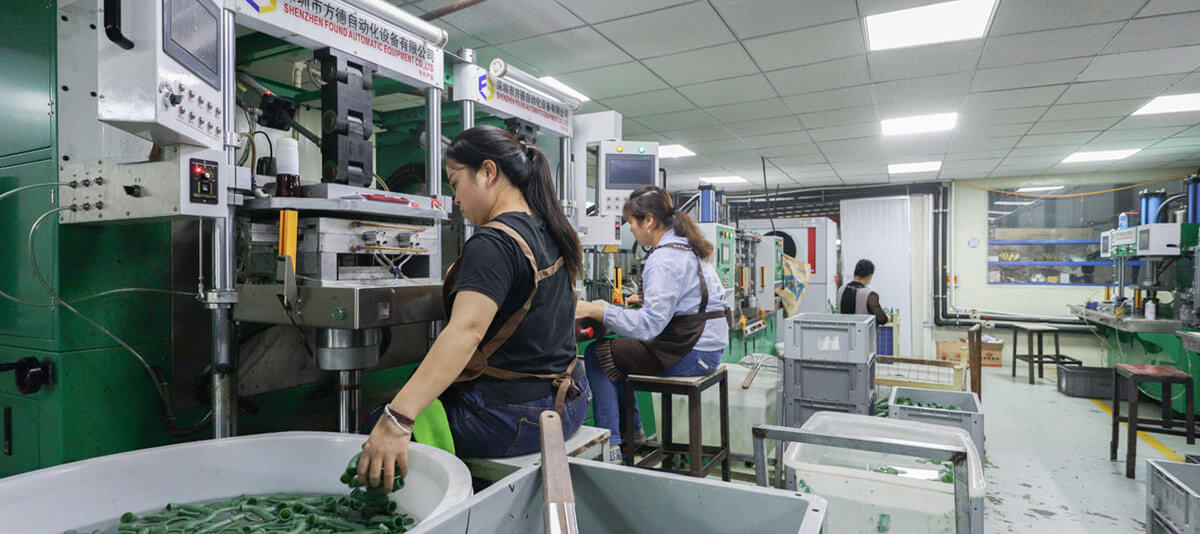
MTC функционирует как прецизионный нагреватель и циркулятор горячей жидкости. Логика его работы проста: электрический нагревательный элемент поднимает жидкость в резервуаре до заданного значения, а насос проталкивает ее через каналы формы, прежде чем она возвращается в резервуар для повторного нагрева. Контур управления регулирует нагреватель в зависимости от температуры возвратной жидкости или поверхности формы.
Конкретный пример конфигурации включает в себя МТС с водяным приводом и системой под давлением. При температуре 120°C температура кипения воды выше атмосферной, поэтому контур необходимо герметизировать и создать давление с помощью теплообменника, способного выдержать расширение. В агрегатах, рассчитанных на температуру 160–180°C, для охлаждения обычно используется внутренний змеевик — он предназначен не для охлаждения формы, а для быстрого охлаждения собственного контура MTC при переключении между заданиями. Эту функцию продувочного охлаждения не следует путать с производительностью технологического охлаждения.
На практике производитель нейлоновых шестерен, эксплуатирующий горячеканальный коллектор при температуре 160°C, не может использовать для этой цели охладитель. MTC циркулирует нагретое масло через коллектор, удерживая затвор в расплавленном состоянии. Змеевик непрямого охлаждения MTC позволяет оператору быстро снизить температуру во время смены формы, предотвращая термическое повреждение.
Технологический охладитель: активное отвод тепла
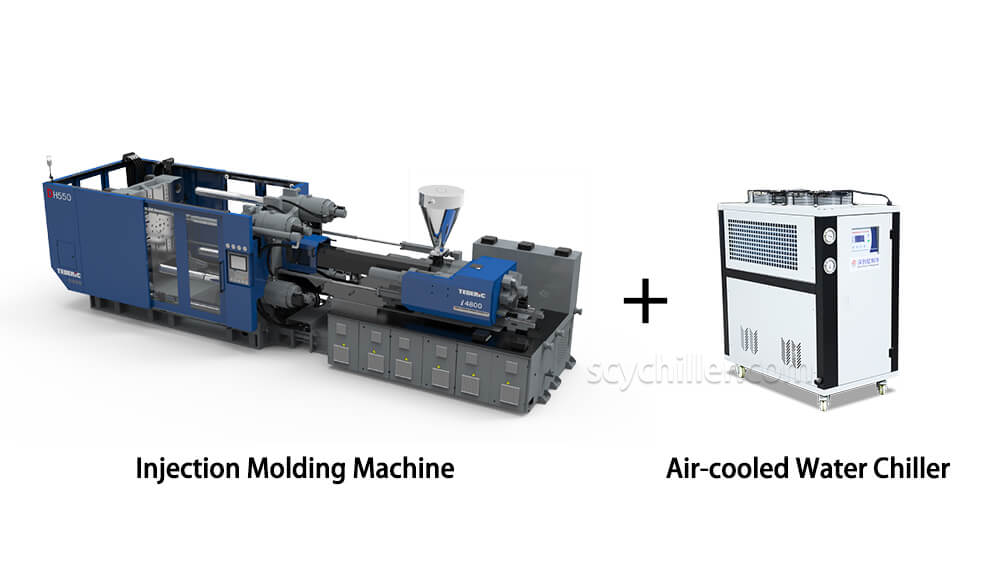
Технологический охладитель по сути представляет собой компактную холодильную систему. Жидкость из технологического процесса возвращается в испаритель чиллера (паяный или кожухотрубный), где отдает тепло в контур хладагента. Фазовый переход хладагента из жидкости в газ поглощает тепловую энергию, которая затем отводится в окружающий воздух (с воздушным охлаждением) или в водяной контур объекта (с водяным охлаждением). Остывшая жидкость возвращается в форму.
Практическое граничное условие: портативные охладители с воздушным охлаждением от 0,84 до 40 тонн являются обычным выбором для отдельных формовочных машин, тогда как агрегаты с водяным охлаждением или центральными шнеками обслуживают целые производственные цеха. Для высокоскоростной системы ПЭТ-преформ, отводящей до 30 тонн тепла, чиллер с водяным охлаждением, кожухотрубным испарителем и выносной градирней обеспечивает более высокую энергоэффективность, чем эквивалент с воздушным охлаждением на установке с климат-контролем.
Для применений при температуре ниже 0°C, таких как определенные процессы реакционного литья под давлением или специализированное химическое охлаждение, становится необходимым гликолевый охладитель с резервуаром для жидкости и низкотемпературный компрессорный агрегат (например, винтовой компрессор Bitzer или Hanbell). Двухтонный гликолевый охладитель, циркулирующий жидкость при температуре -30°C в охлаждающих каналах формы, требует тщательного выбора компонентов: испаритель может быть пластинчатого типа с конструкцией из нержавеющей стали, чтобы противостоять коррозии, а средства управления должны управлять изменениями вязкости жидкости. Важное предостережение: системы, рассчитанные на температуру -30°C, нельзя переключать с гликоля на воду без тщательной промывки и повторной калибровки регуляторов расхода, поскольку термические свойства двух жидкостей существенно различаются.
Таблица соответствия приложений: выбор подходящего оборудования
Эта таблица связывает наблюдения процесса с наиболее подходящим типом оборудования.
| Наблюдение за процессом/цель | Почему это важно | Подходящее оборудование | Важное подтверждение |
|---|---|---|---|
| Для кристаллизации смолы необходима поверхность формы выше 90°C. | Холодные формы вызывают преждевременное отслаивание пленки и коробление деталей из нейлона, ПБТ и ПОМ. | Вода под давлением MTC или масло MTC | Подтвердите максимальное падение давления в пресс-форме; выберите правильную кривую насоса |
| Время цикла ограничено инструментом; надо быстрее отводить тепло | Тонкостенные упаковочные формы с высокой кавитацией быстро достигают температурного насыщения. | Технологический охладитель (с воздушным или водяным охлаждением) | Выполните расчет тепловой нагрузки (пропускная способность материала в фунтах/час × удельная теплоемкость) |
| Использование воды температурой ниже 20°C или гликолевых смесей ниже 0°C. | Предотвращает образование коррозии, связанной с водой, и сохраняет стабильность при низких температурах. | Низкотемпературный гликолевый охладитель с испарителем из нержавеющей стали | Определить минимально необходимую температуру; проверьте концентрацию гликоля и снижение характеристик теплопередачи |
| Коллектор с горячими литниками требует высокотемпературного масла | Коллекторы требуют стабильного тепла, чтобы предотвратить замерзание ворот. | Масло типа МТС (до 300°С) | Убедитесь, что все уплотнения, вращающиеся соединения и шланги рассчитаны на работу с маслом. |
| Форма имеет как горячую, так и холодную половину. | Процессоры сталкиваются с классическим требованием «теплая полость/холодное ядро». | Интегрированная двухконтурная система: MTC + Чиллер | Оба контура должны быть гидравлически разделены; центральный коллектор должен прокладывать каждый контур независимо |
Рекомендации по реализации
Прежде чем интегрировать устройство контроля температуры, инженеры предприятия обычно проверяют и подтверждают свои предположения. Вот где индивидуальные решения по охлаждению заменить типовые каталожные модели. Следующие практические шаги помогут избежать дорогостоящих сбоев в интеграции:
- Проверьте совместимость жидкостного тракта: Пресс-форма с крошечными ограничительными каналами охлаждения (например, диаметром 4 мм) может вызвать чрезмерные перепады давления. Чиллер с центробежным насосом низкого давления может заглохнуть. Укажите объемный насос или турбинный насос высокого давления, если расчетное падение давления превышает производительность насоса в середине кривой при целевом расходе.
- Учет снижения номинальных характеристик жидкости: При использовании смеси гликоля с 35% содержанием в холодильной машине при температуре -15°C охлаждающая способность холодильной машины составляет примерно 80–85% от ее номинальной мощности по воде. Поставщики должны предоставить кривые производительности для конкретной концентрации гликоля и температуры. Несоответствие здесь приводит к тому, что агрегат не может удерживать заданное значение при максимальной нагрузке.
- Интеграция объекта: Чиллеры с воздушным охлаждением требуют адекватной вентиляции предприятия; 20-тонный чиллер отбрасывает в окружающую среду около 70 кВт тепла. Для агрегатов с водяным охлаждением требуется башня или центральный контур, что приводит к проблемам очистки воды в конденсаторе и образования накипи. В регионах или на заводах с дефицитом воды, где установка градирни невозможна, предпочтительны модели с воздушным охлаждением, несмотря на более высокую температуру конденсации.
- Совместимость материалов: Для любого применения охлаждения, включающего рассол или агрессивные химикаты, стандартные меднопаяные теплообменники могут выйти из строя. Специальные опции — титановые испарители или корпуса из нержавеющей стали — предотвращают загрязнение и обеспечивают долговечность в фармацевтических или химических средах формования.
- Оперативная подготовка: МТС, работающие при температуре выше 120°C, представляют опасность ожога. Операторы должны понимать, что охлаждение контура MTC непосредственно холодной заводской водой через продувочный клапан может вызвать термический шок и растрескивание бака нагревателя, если не делать это постепенно. Это частая причина преждевременного выхода из строя МТС.
Ограничения и сценарии отрицательного соответствия
Ни одно тепловое устройство не является универсальным. Осознание того, что тот или иной подход не подходит, предотвращает как инциденты, связанные с безопасностью, так и сбои в процессах.
- Не используйте MTC, если вам необходимо быстро отвести тепло. Если возвратная жидкость формы постоянно превышает заданное значение MTC более чем на 5°C, нагреватель MTC просто выключится, и температура неконтролируемой формы будет повышаться. Это указывает на тепловую нагрузку, которая требует активного охлаждения, а не управления отоплением.
- Не используйте стандартный чиллер для высокотемпературного нагрева. Компрессор чиллера предназначен для регулирования температуры возвратного хладагента в пределах безопасного диапазона. Воздействие на испаритель чиллера воздействия возвратной воды температурой 100°C приведет к разрушению компрессора. Высокотемпературное формование требует отдельных, выделенных контуров нагрева.
- Гликолевые чиллеры не поддерживают работу с водой по принципу «подключай и работай». Переключение чиллера с гликолевого контура с температурой -20°C на водяной контур с температурой 15°C требует полного слива воды, промывки водой, проверки совместимости уплотнений насоса (гликолевые пакеты входят в состав определенных типов механических уплотнений) и, возможно, перепрограммирования уставок управления. Невыполнение промывки может привести к росту бактерий и загущению жидкости.
- Применение в условиях экстремально низких температур (-30°C и ниже) требует особого подхода к проектированию. Сюда входят конденсаторы увеличенного размера, нагреватели картера компрессора и изоляция всех открытых технологических трубопроводов. Стандартный портативный охладитель не сможет надежно достичь этих температур без индивидуальное решение для охлаждения определены и построены для выполнения своих функций.
Контрольный список для обсуждения проекта
Подготовьте эти элементы, прежде чем обращаться к поставщику регулятора температуры пресс-формы или технологического охладителя. Четкие ответы ускоряют выбор правильно спроектированной системы и позволяют определить, является ли это стандартное устройство или индивидуальное решение для охлаждения необходимо.
- Применение и смола: Из какого пластика вы лепите? Каков рекомендуемый диапазон температур поверхности формы?
- Требование к двухконтурному режиму: Есть ли в вашей форме отдельные температурные зоны (например, горячая полость и холодная сердцевина)?
- Тепловая нагрузка (для чиллера): Какова общая пропускная способность пластика (фунт/час или кг/час)? Укажите удельную теплоемкость материала, если она известна.
- Теплопроизводительность (для МТК): Каково заданное время начального нагрева формы и масса инструментальной стали?
- Заданное значение жидкости и температуры: Требуемая температура жидкости выше 90°C (требуется MTC под давлением) или ниже 20°C (требуется охладитель)? Вы используете воду, гликоль или масло?
- Расход и падение давления: Какой диаметр охлаждающего канала в форме и какова общая длина контура? Какое давление насоса доступно?
- Ограничения окружающей среды и оборудования: Есть ли у вас охлаждающая вода для конденсатора с водяным охлаждением или воздушное охлаждение — ваш единственный вариант? Какова температура окружающего воздуха в производственном помещении летом?
- Проблемы, связанные с коррозией или материалами: Требуются ли какие-либо специальные материалы, контактирующие с рабочей средой (нержавеющая сталь, титан) в зависимости от жидкости или окружающей среды?
- Модель производства: Вы работаете постоянно, когда важна энергоэффективность, или периодически, когда допустим более простой компрессор с включением и выключением?
Часто задаваемые вопросы
Вопрос 1. Может ли регулятор температуры формы охладить мою форму?
MTC обеспечивает охлаждение только в смысле прохождения жидкости через теплообменник косвенного действия для снижения собственной температуры жидкости, обычно в целях продувки и безопасности. Он не может активно отводить тепло от формы, которая генерирует избыточную тепловую энергию в результате быстрого цикла производства. Если температура возвратной жидкости вашей формы постоянно поднимается выше заданного значения, вам необходимо активное охлаждение с помощью чиллера.
В2. Какую жидкость следует использовать в чиллере при минусовых температурах?
Для температур до -30°C обычно используется смесь воды и ингибированного пропилена или этиленгликоля. Требуемая концентрация меняет коэффициент теплопередачи и прокачиваемость жидкости. Типична смесь гликоля с содержанием 35–50%. Ниже этих температур требуются специализированные низкотемпературные теплоносители. Насос и испаритель чиллера должны быть подобраны в соответствии с повышенной вязкостью и пониженной теплоемкостью гликолевой жидкости; диаграммы мощности от производителя должны подтверждать рабочую точку.
Вопрос 3. Когда мне нужно индивидуальное решение для охлаждения вместо стандартного устройства?
Готовое устройство подходит, если требуемый температурный диапазон, тепловая нагрузка и тип жидкости соответствуют стандартной номинальной таблице производителя. Вам нужен индивидуальное решение для охлаждения когда ваше приложение предполагает необычные требования, такие как несколько контуров охлаждения с совершенно разными температурами в одной системе, агрессивные или коррозионно-активные жидкости, требующие конструкции из титана или нержавеющей стали, экстремальные условия окружающей среды (40°C+) или специальные уровни безопасности, такие как классификация взрывозащиты (ATEX/IECEx) для нестабильных сред.
Вопрос 4. Является ли МТС масляного типа лучше МТС водяного типа для высоких температур?
МТС водяного типа обеспечивают более высокую эффективность теплопередачи и являются предпочтительными до предела давления около 180°C. Масляные MTC используются в приложениях, температура которых достигает 200–300 °C, обычно для очень высокотемпературных конструкционных пластиков или систем с горячими литниками вдали от контроллера. Более низкая удельная теплоемкость масла означает, что передача тепла происходит медленнее, и система требует большего обслуживания из-за потенциального закоксования и разрушения уплотнений при экстремальных температурах. Выбор зависит исключительно от необходимой температуры.
Контрольный список выбора
Прежде чем завершить какой-либо заказ на поставку, выполните следующие действия, чтобы предотвратить дорогостоящие сбои на местах.
- Подтверждено, что общее теплоотведение формы (кВт/тонна) было рассчитано и сопоставлено с производительностью потенциального охладителя при требуемой температуре жидкости на выходе.
- Проверено, что кривая давления и расхода насоса может обеспечить необходимый минимальный турбулентный поток (число Рейнольдса > 5000) через каналы охлаждения формы.
- Для MTC выше 120°C необходимо подтвердить, что контур находится под давлением, а все соединения формы и шланги рассчитаны на непрерывную эксплуатацию при высоких температурах.
- Для низкотемпературных чиллеров протестируйте образец жидкости на целевую концентрацию гликоля и подтвердите выбор материала испарителя (например, паяные пластины из нержавеющей стали для работы с гликолем).
- Проинспектирована электрическая инфраструктура объекта на предмет обеспечения полной нагрузки агрегата (FLA); Для чиллера с воздушным охлаждением массой 40 тонн часто требуется специальный разъем и прочный кабель.
- Прогулялись по запланированному месту установки, чтобы убедиться в наличии достаточного зазора (обычно минимум 1 метр) вокруг впускных и выпускных отверстий для воздуха агрегата или доступа к водяным трубам конденсатора.
- При заказе центральной системы обратите внимание на гидравлическое разделение между контурами MTC и чиллера, чтобы один не влиял на другой через общий коллектор.
Заключение
Выбор между контроллером температуры пресс-формы и технологическим охладителем не является предпочтением бренда — это термодинамическое обязательство, продиктованное смолой, конструкцией пресс-формы и целевым временем цикла. Технологический охладитель решает проблему чрезмерного нагрева; регулятор температуры пресс-формы решает проблему недостаточного тепла. Понимание того, какую проблему вы решаете на каждой половине формы, поможет вам выбрать подходящее оборудование.
Для простых задач стандартное оборудование работает надежно. Но как только процесс предполагает сочетание агрессивного охлаждения в одном контуре и точного нагрева в другом, низкотемпературных жидкостей или агрессивных сред, индивидуальное решение для охлаждения Это единственный надежный способ привести тепловую мощность машины в соответствие с фактическими потребностями пресс-формы. Прежде чем приступить к составлению спецификации, соберите данные о тепловой нагрузке, определите путь прохождения жидкости и бросьте вызов поставщику о ваших реальных, а не идеальных условиях эксплуатации. Полученная система окупится не теоретически, а за счет измеримого сокращения брака и времени цикла.
