

 پورٹ ایبل چلر
 ایئر ٹھنڈا ہوا چلر
 پانی سے ٹھنڈا ہوا چلر
 کم درجہ حرارت چلر
 کسٹم انڈسٹریل چلر


لیبارٹری ری سرکولیٹنگ چلرز ضروری تھرمل مینجمنٹ سسٹم ہیں جو سائنسی تحقیق، تجزیاتی لیبارٹریز، بائیو ٹیکنالوجی کی سہولیات، فارماسیوٹیکل ڈیولپمنٹ، سیمی کنڈکٹر ٹیسٹنگ، اور جدید صنعتی R&D ماحول میں استعمال ہوتے ہیں۔ روایتی صنعتی چلرز کے برعکس، لیبارٹری میں دوبارہ گردش کرنے والے چلرز کو مسلسل آپریٹنگ حالات میں انتہائی مستحکم، صاف اور درست درجہ حرارت کنٹرول کے لیے ڈیزائن کیا گیا ہے۔
لیبارٹری کے ماحول میں، درجہ حرارت صرف کولنگ پیرامیٹر نہیں ہے - یہ اکثر ایک کنٹرول شدہ تجرباتی متغیر ہوتا ہے۔ یہاں تک کہ معمولی تھرمل اتار چڑھاو بھی رد عمل کینیٹکس، پیمائش کی درستگی، نظری سیدھ، مادی خصوصیات، یا حیاتیاتی سرگرمی کو متاثر کر سکتا ہے۔ جیسے جیسے جدید تحقیق زیادہ درستگی اور آٹومیشن کی طرف بڑھ رہی ہے، چلرز کو دوبارہ گردش کرنے کا کردار تیزی سے اہم ہو گیا ہے۔
ایک لیبارٹری کو دوبارہ گردش کرنے والا چلر ایک بند لوپ کولنگ سسٹم کے طور پر کام کرتا ہے جو چلر اور لیبارٹری کے آلات کے درمیان درجہ حرارت پر قابو پانے والے کولنٹ کو مسلسل گردش کرتا ہے، طویل تجرباتی ادوار میں مستحکم آپریٹنگ حالات کو یقینی بناتا ہے۔
لیبارٹریوں میں درست درجہ حرارت کنٹرول کیوں اہمیت رکھتا ہے۔
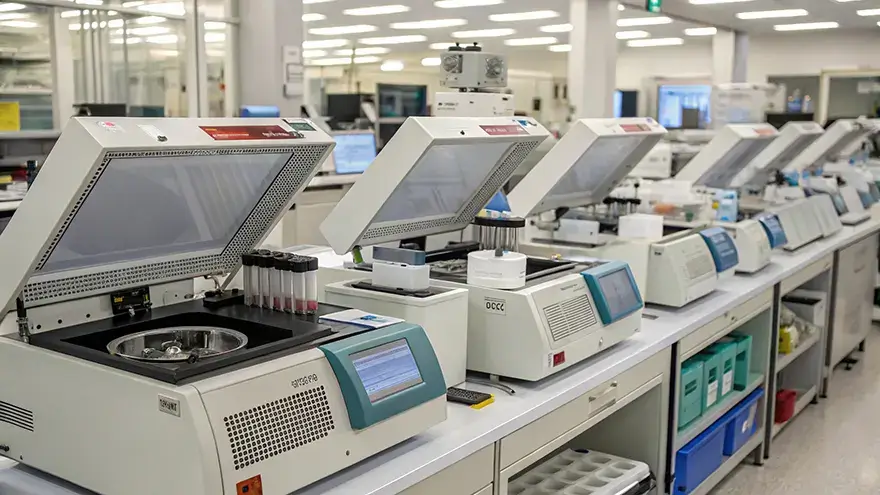
سائنسی اور تجزیاتی ایپلی کیشنز میں، درجہ حرارت براہ راست اثر انداز ہوتا ہے:
- کیمیائی رد عمل کی شرح
- حیاتیاتی سرگرمی
- آپٹیکل استحکام
- الیکٹرانک سگنل کی درستگی
- مادی سلوک
- آلہ کیلیبریشن
عام صنعتی کولنگ سسٹم کے برعکس جو بنیادی طور پر زیادہ گرمی کو روکتے ہیں، لیبارٹری چلرز کو درجہ حرارت کی بہت کم رواداری برقرار رکھنی چاہیے۔
مثال کے طور پر:
- کیمیائی ترکیب میں، درجہ حرارت کی چھوٹی تبدیلیاں رد عمل کے راستوں کو بدل سکتی ہیں۔
- پی سی آر سسٹمز میں، درجہ حرارت کے انحراف ڈی این اے پروردن کی درستگی کو متاثر کر سکتے ہیں۔
- سپیکٹروسکوپی میں، تھرمل ڈرفٹ ڈیٹیکٹر کی حساسیت کو متاثر کر سکتا ہے۔
- لیزر تحقیق میں، درجہ حرارت کی عدم استحکام طول موج کی مستقل مزاجی اور بیم کے معیار کو متاثر کرتا ہے۔
ان حساسیتوں کی وجہ سے، لیبارٹری چلرز کو عام طور پر درجہ حرارت میں استحکام کی ضرورت ہوتی ہے:
\pm0.1^\circ C \sim \pm0.5^\circ C
اعلی درجے کی تجزیاتی یا سیمی کنڈکٹر ایپلی کیشنز میں، سخت رواداری بھی ضروری ہو سکتی ہے۔
ایک لیبارٹری ری سرکولیٹنگ چلر کا کام کرنے کا اصول
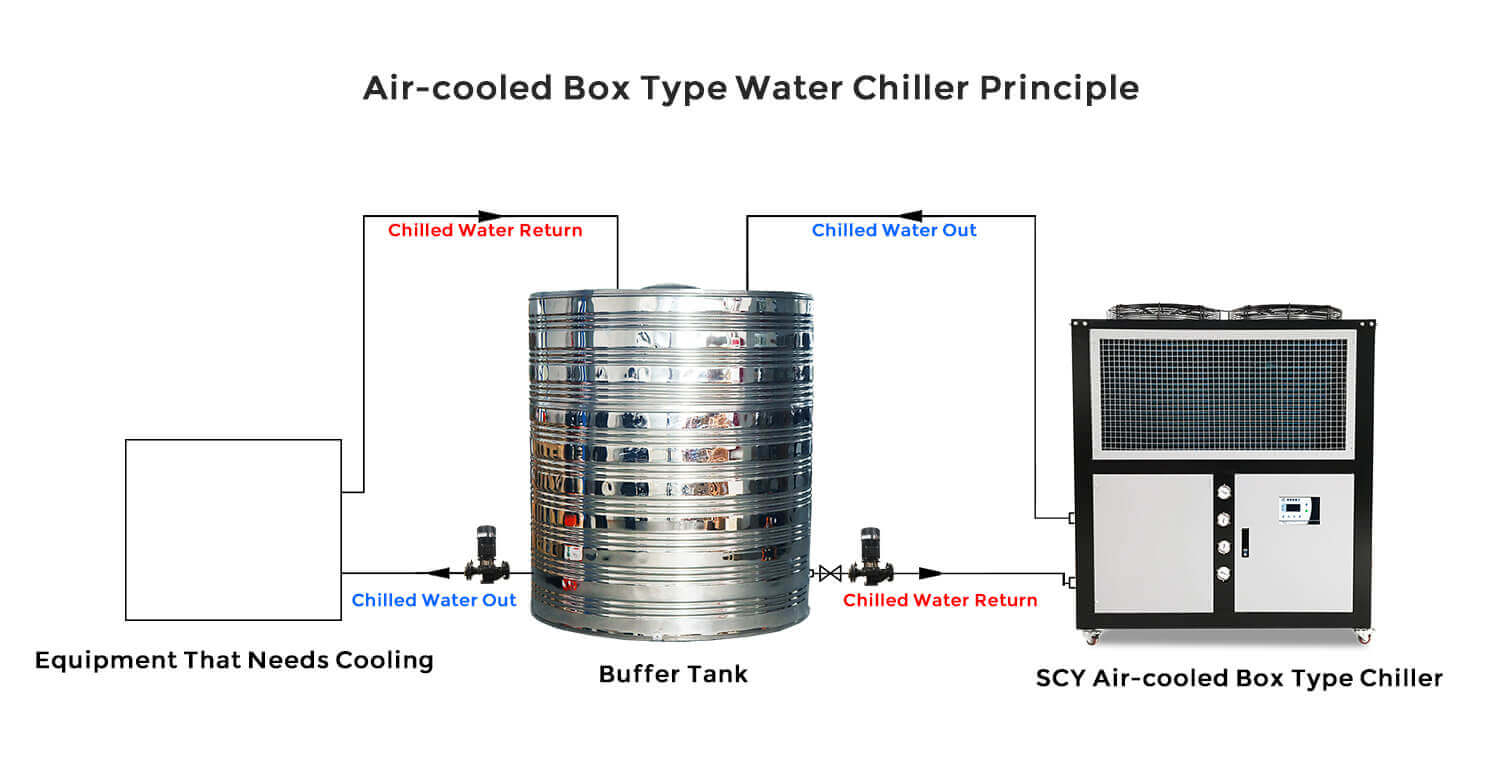
ایک لیبارٹری میں دوبارہ گردش کرنے والا چلر یکجا کرتا ہے:
- ایک ریفریجریشن سسٹم
- ایک کولنٹ سرکولیشن لوپ
- ایک درست درجہ حرارت کنٹرول سسٹم
ریفریجریشن سائیکل گردش کرنے والے کولنٹ سے گرمی کو ہٹاتا ہے، جبکہ پمپ کا نظام مسلسل درجہ حرارت پر قابو پانے والے سیال کو بیرونی لیبارٹری کے آلات تک پہنچاتا ہے۔
بنیادی ریفریجریشن سائیکل
ریفریجریشن سسٹم میں عام طور پر شامل ہیں:
- کمپریسر
- کنڈینسر
- توسیع والو
- بخارات
کمپریسر ریفریجرینٹ کو ہائی پریشر والی حالت میں کمپریس کرتا ہے، جس سے کنڈینسر میں گرمی کو مسترد کیا جا سکتا ہے۔ توسیعی والو کے ذریعے دباؤ میں کمی کے بعد، ریفریجرینٹ گردش کرنے والے عمل کے سیال سے بخارات کے اندر حرارت جذب کرتا ہے۔
ٹھنڈے ہوئے سیال کو پھر منسلک لیبارٹری کے آلات میں پمپ کیا جاتا ہے۔
لیبارٹری چلر کے اہم اجزاء
کمپریسر: مستحکم کولنگ کی صلاحیت
کمپریسر ریفریجریشن سسٹم کا بنیادی طاقت کا ذریعہ ہے۔
جدید لیبارٹری چلرز اکثر انورٹر سے چلنے والے کمپریسر استعمال کرتے ہیں کیونکہ وہ فراہم کرتے ہیں:
- بہتر درجہ حرارت استحکام
- کم کمپن
- توانائی کی کھپت میں کمی
- پارٹ لوڈ کی کارکردگی میں بہتری
کمپریسر کا موازنہ
| کمپریسر کی قسم | فوائد | عام لیبارٹری کا استعمال |
|---|---|---|
| فکسڈ اسپیڈ کمپریسر | کم ابتدائی لاگت | بنیادی کولنگ ایپلی کیشنز |
| انورٹر کمپریسر | عین مطابق درجہ حرارت کنٹرول | اعلی صحت سے متعلق لیبارٹریز |
| اسکرول کمپریسر | کم کمپن اور پرسکون آپریشن | تجزیاتی آلات |
| روٹری کمپریسر | کومپیکٹ ڈیزائن | چھوٹے بینچ ٹاپ چلرز |
چونکہ تجربات کے دوران لیبارٹری گرمی کے بوجھ میں اکثر اتار چڑھاؤ آتا ہے، مستحکم تھرمل حالات کو برقرار رکھنے کے لیے متغیر صلاحیت کا آپریشن اہم ہے۔
پمپ سسٹم: بہاؤ استحکام اور حرارت کی منتقلی۔
سرکولیشن پمپ چلر اور لیبارٹری کے آلات کے درمیان کولنٹ کی ترسیل کو کنٹرول کرتا ہے۔
بہاؤ استحکام براہ راست متاثر کرتا ہے:
- حرارت کی منتقلی کی مستقل مزاجی
- درجہ حرارت کی یکسانیت
- سسٹم کی ردعمل
- تجرباتی تکراری قابلیت
یہاں تک کہ اگر کولنٹ کا درجہ حرارت مستقل رہتا ہے، غیر مستحکم بہاؤ ایپلی کیشن آلات کے اندر مقامی تھرمل اتار چڑھاؤ کا سبب بن سکتا ہے۔
پمپ کے اہم پیرامیٹرز
| پیرامیٹر | اہمیت |
|---|---|
| بہاؤ کی شرح | گرمی کی منتقلی کی صلاحیت کا تعین کرتا ہے۔ |
| پمپ ہیڈ پریشر | طویل پائپنگ کے نظام کی حمایت کرتا ہے |
| بہاؤ استحکام | درجہ حرارت کے دوغلا پن کو روکتا ہے۔ |
| وائبریشن لیول | حساس آلات کی حفاظت کرتا ہے۔ |
اعلی درجے کی لیبارٹری چلر عام طور پر استعمال کرتے ہیں:
- متغیر رفتار پمپ
- مقناطیسی طور پر جوڑے ہوئے پمپ
- کم شور گردش کے نظام
- الیکٹرانک بہاؤ کی نگرانی
ایواپوریٹر: پریسجن ہیٹ ایکسچینج
بخارات عمل کے سیال سے گرمی کو ریفریجرینٹ میں منتقل کرتا ہے۔
زیادہ تر لیبارٹری چلر استعمال کرتے ہیں:
- بریزڈ پلیٹ ہیٹ ایکسچینجرز
- سٹینلیس سٹیل کے بخارات
- سنکنرن مزاحم مواد
بخارات کی کارکردگی بہت زیادہ متاثر کرتی ہے:
- درجہ حرارت کے ردعمل کی رفتار
- ٹھنڈک استحکام
- حرارت کی منتقلی کی کارکردگی
ایواپوریٹر ڈیزائن کے کلیدی عوامل
| ڈیزائن فیکٹر | اثر انداز ہونا |
|---|---|
| اندرونی بہاؤ کی تقسیم | یکساں کولنگ |
| حرارت کا تبادلہ سطح کا علاقہ | کولنگ کی کارکردگی |
| پریشر ڈراپ | ہائیڈرولک استحکام |
| تھرمل ردعمل کی رفتار | متحرک درجہ حرارت کنٹرول |
درست لیبارٹری کے ماحول میں، گرمی کی ناہموار منتقلی سے درجہ حرارت میں اضافہ ہو سکتا ہے جو تجرباتی مستقل مزاجی کو متاثر کرتا ہے۔
لیبارٹری ری سرکولیٹنگ چلرز کی مین ایپلی کیشنز
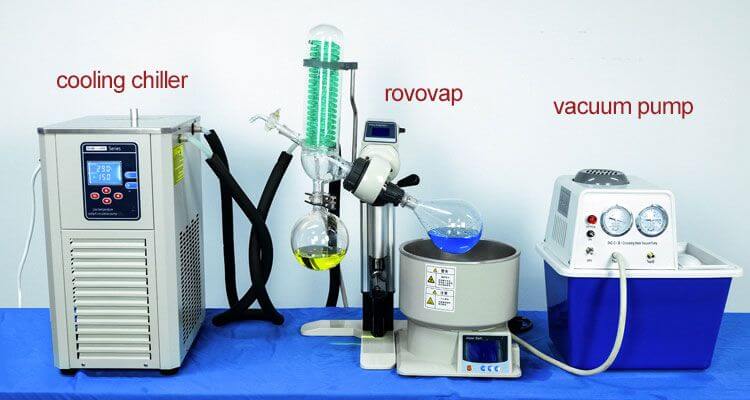
لیبارٹری چلرز سائنسی اور صنعتی تحقیقی شعبوں میں بڑے پیمانے پر استعمال ہوتے ہیں۔
تجزیاتی آلات
چلرز سپورٹ:
- ماس سپیکٹرو میٹر
- کرومیٹوگرافی سسٹمز
- سپیکٹرو میٹر
- الیکٹران خوردبین
یہ آلات آپریشن کے دوران حرارت پیدا کرتے ہیں، اور تھرمل بہاؤ کو متاثر کر سکتا ہے:
- ڈیٹیکٹر کی حساسیت
- آپٹیکل سیدھ
- سگنل کی درستگی
- پیمائش کی تکراری قابلیت
بائیو ٹیکنالوجی اور لائف سائنسز
حیاتیاتی نظام درجہ حرارت کے لیے انتہائی حساس ہوتے ہیں۔
عام ایپلی کیشنز میں شامل ہیں:
- بائیو ری ایکٹرز
- خمیر کرنے والے
- پی سی آر سسٹمز
- سیل کلچر کا سامان
ان ماحول میں، طویل مدتی تھرمل استحکام اکثر اعلی کولنگ کی صلاحیت سے زیادہ اہم ہوتا ہے۔
کیمیائی ترکیب اور رد عمل کا کنٹرول
کیمیکل لیبارٹریز کثرت سے چلرز کا استعمال کرتے ہیں:
- رد عمل کے درجہ حرارت کو مستحکم کریں۔
- Exothermic رد عمل کو کنٹرول کریں۔
- تھرمل بھگوڑے کو روکیں۔
- رد عمل کی انتخاب کو بہتر بنائیں
رد عمل کی شرح عام طور پر درجہ حرارت پر منحصر حرکیات کی پیروی کرتی ہے۔
بہت سے کیمیائی نظاموں کے لیے:
k = Ae^{-\frac{E_a}{RT}}
اس کا مطلب ہے کہ درجہ حرارت کی چھوٹی تبدیلیاں بھی رد عمل کی رفتار اور مصنوعات کی تقسیم کو نمایاں طور پر متاثر کر سکتی ہیں۔
میٹریل سائنس اور سیمی کنڈکٹر ریسرچ
لیبارٹری چلرز بڑے پیمانے پر استعمال ہوتے ہیں:
- تھرمل سائیکلنگ سسٹم
- سیمی کنڈکٹر ٹیسٹنگ
- پتلی فلم جمع
- مواد کی خصوصیت
درجہ حرارت براہ راست متاثر کرتا ہے:
- چالکتا
- کرسٹلائزیشن کا رویہ
- مکینیکل خصوصیات
- فیز ٹرانزیشنز
تولیدی ٹیسٹ کے نتائج کے لیے ہائی تھرمل استحکام ضروری ہے۔
لیزر اور فوٹوونکس ریسرچ
لیزر سسٹم کو مستحکم کولنگ کی ضرورت ہوتی ہے:
- لیزر ذرائع
- آپٹیکل اجزاء
- پاور الیکٹرانکس
- بیم اسٹیبلائزیشن سسٹم
درجہ حرارت کی عدم استحکام کا سبب بن سکتا ہے:
- طول موج کا بہاؤ
- بیم کی مسخ
- آپٹیکل غلط ترتیب
- لیزر کی کارکردگی میں کمی
ایئر کولڈ بمقابلہ واٹر کولڈ لیبارٹری چلرز
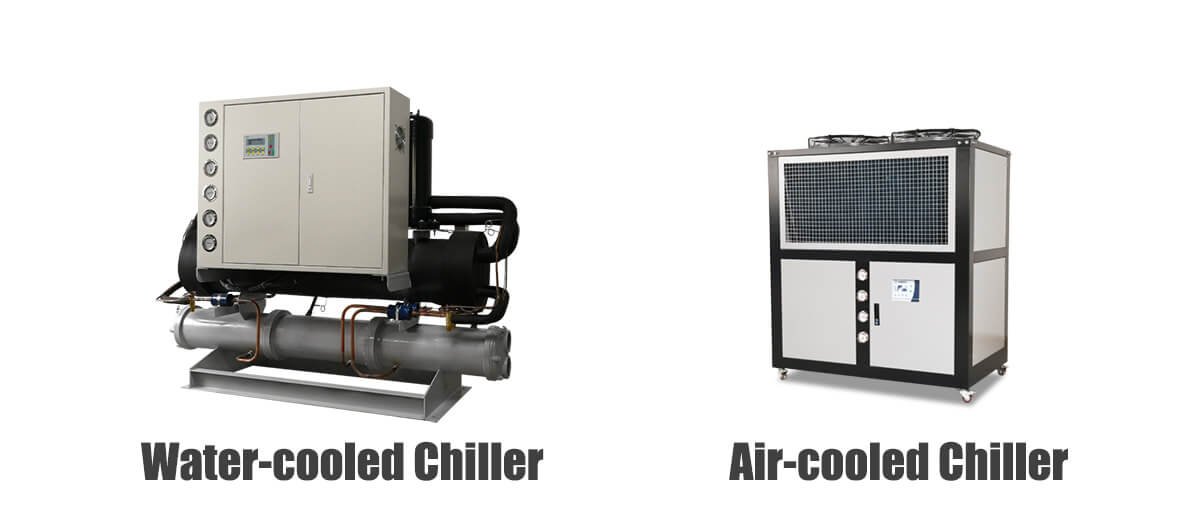
لیبارٹری میں دوبارہ گردش کرنے والے چلرز عام طور پر دو بڑے کنفیگریشنز میں دستیاب ہوتے ہیں۔
موازنہ ٹیبل
| آئٹم | ایئر ٹھنڈا ہوا چلر | پانی سے ٹھنڈا چلر |
|---|---|---|
| تنصیب کی پیچیدگی | زیریں | اعلی |
| انفراسٹرکچر کی ضرورت | کم سے کم | بیرونی واٹر لوپ کی ضرورت ہے۔ |
| توانائی کی کارکردگی | اعتدال پسند | اعلی |
| درجہ حرارت کا استحکام | اچھا | عمدہ |
| محیطی درجہ حرارت کی حساسیت | اعلی | کم |
| شور کی سطح | اعلی | زیریں |
| بحالی کی ضرورت | زیریں | اعتدال پسند |
| بہترین ایپلی کیشن | چھوٹی لیبارٹریز | بڑی تحقیقی سہولیات |
ایئر کولڈ لیبارٹری چلرز
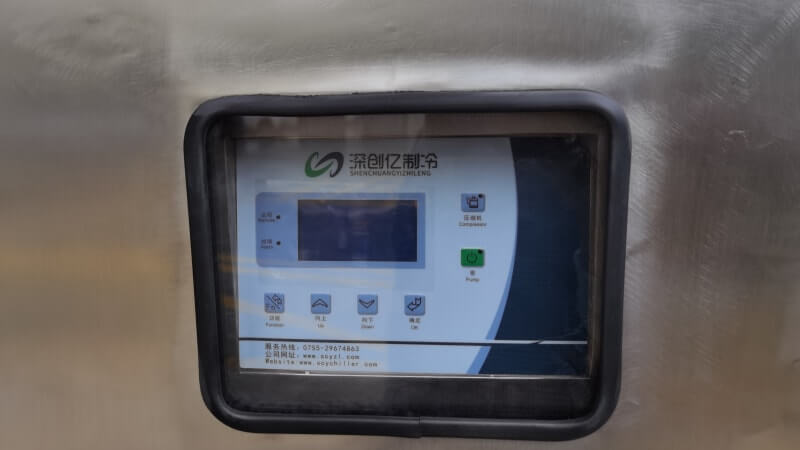
ایئر کولڈ سسٹم پنکھے کی مدد سے کنڈینسر کے ذریعے براہ راست محیطی ہوا میں گرمی کو مسترد کرتے ہیں۔
فوائد میں شامل ہیں:
- سادہ تنصیب
- کمپیکٹ ڈھانچہ
- کم انفراسٹرکچر لاگت
- لچکدار تعیناتی۔
وہ عام طور پر استعمال ہوتے ہیں:
- تحقیقی بینچ
- چھوٹی تجزیاتی لیبز
- وکندریقرت تجربات
- پورٹ ایبل کولنگ سسٹم
تاہم، ٹھنڈک کی کارکردگی بہت زیادہ محیطی درجہ حرارت پر منحصر ہے۔ گرم ماحول میں، گرمی کو مسترد کرنے کی کارکردگی کم ہو جاتی ہے، جو طویل مدتی آپریشن کے دوران درجہ حرارت کے استحکام کو کم کر سکتی ہے۔
واٹر کولڈ لیبارٹری چلرز
پانی کو ٹھنڈا کرنے والے نظام اس سے منسلک ثانوی واٹر سرکٹ کے ذریعے گرمی کو مسترد کرتے ہیں:
- کولنگ ٹاورز
- ٹھنڈے پانی کے نظام کی سہولت
- خشک کولر
چونکہ پانی میں ہوا سے زیادہ تھرمل چالکتا اور حرارت کی گنجائش ہوتی ہے، اس لیے پانی کو ٹھنڈا کرنے والے نظام فراہم کرتے ہیں:
- بہتر تھرمل استحکام
- اعلی توانائی کی کارکردگی
- کم کمپریسر خارج ہونے والے مادہ کا درجہ حرارت
- زیادہ مستحکم طویل مدتی آپریشن
واٹر کولڈ چلرز کو عام طور پر ترجیح دی جاتی ہے:
- مرکزی لیبارٹری کی سہولیات
- فارماسیوٹیکل آر اینڈ ڈی مراکز
- سیمی کنڈکٹر ریسرچ لیبز
- بڑے سائنسی ادارے
صحت سے متعلق درجہ حرارت کنٹرول ٹیکنالوجیز
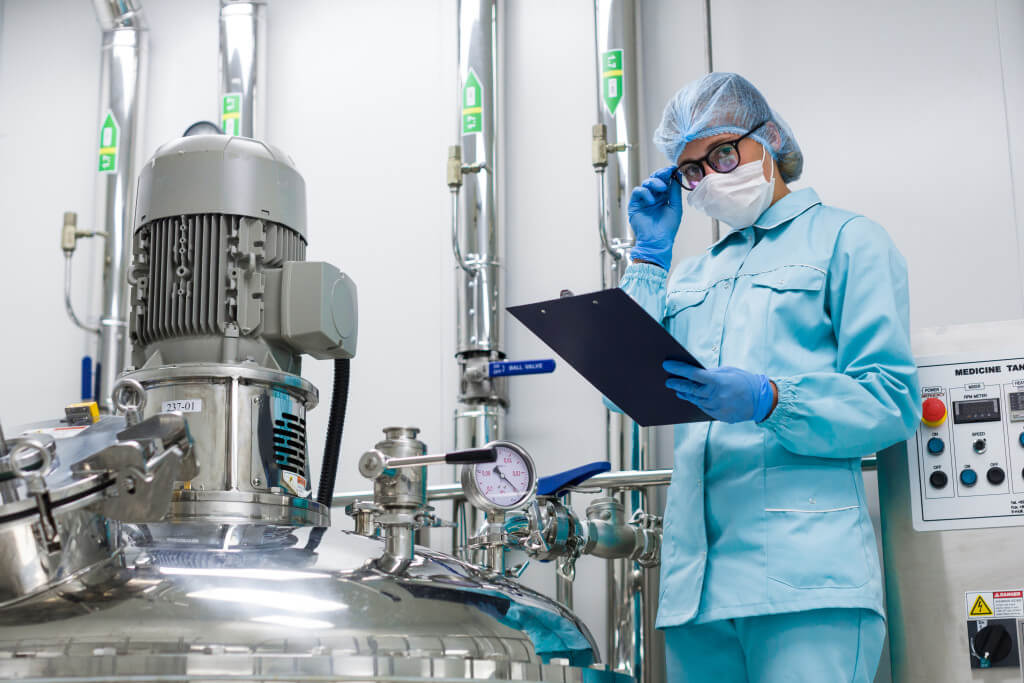
جدید لیبارٹری چلرز مستحکم آپریٹنگ حالات کو برقرار رکھنے کے لیے جدید کنٹرول سسٹمز پر انحصار کرتے ہیں۔
کلیدی کنٹرول ٹیکنالوجیز
| ٹیکنالوجی | مین فنکشن |
|---|---|
| پی آئی ڈی کنٹرول | مستحکم درجہ حرارت کا ضابطہ |
| انکولی الگورتھم | متحرک بوجھ کا معاوضہ |
| متغیر رفتار کمپریسرز | ہموار کولنگ ایڈجسٹمنٹ |
| الیکٹرانک ایکسپینشن والوز | عین مطابق ریفریجرینٹ کنٹرول |
| ملٹی سینسر فیڈ بیک | بہتر نظام کے استحکام |
درجہ حرارت کا استحکام نہ صرف کولنگ کی صلاحیت پر منحصر ہے، بلکہ اس پر بھی:
- سینسر کی درستگی
- ردعمل کی رفتار
- بہاؤ کی مستقل مزاجی
- تھرمل جڑتا کا انتظام
کم تھرمل جڑتا ڈیزائن خاص طور پر اہم ہے کیونکہ یہ سسٹم کو ضرورت سے زیادہ اوور شوٹ کے بغیر اچانک تجرباتی بوجھ کی تبدیلیوں کا فوری جواب دینے کی اجازت دیتا ہے۔
لیبارٹری ایپلی کیشنز میں کولنٹ کا انتخاب
کولنٹ کا انتخاب نمایاں طور پر سسٹم کی کارکردگی کو متاثر کرتا ہے۔
عام لیبارٹری کولنٹس
| کولینٹ قسم | فوائد | عام درخواست |
|---|---|---|
| ڈیونائزڈ پانی | گرمی کی منتقلی کی اعلی کارکردگی | جنرل لیبارٹری کولنگ |
| واٹر گلائکول مکسچر | منجمد تحفظ | کم درجہ حرارت کی ایپلی کیشنز |
| سلیکون سیال | درجہ حرارت کی وسیع رینج | صحت سے متعلق الیکٹرانکس |
| فلورینیٹڈ سیال | برقی موصلیت | خصوصی الیکٹرانکس کولنگ |
کولنٹ کا انتخاب اس پر منحصر ہے:
- آپریٹنگ درجہ حرارت کی حد
- سنکنرن مزاحمت
- برقی چالکتا
- حیاتیاتی مطابقت
- viscosity کی خصوصیات
نتیجہ اخذ کرنا
لیبارٹری کی دوبارہ گردش کرنے والے چلرز جدید سائنسی تحقیق اور درست تجزیاتی ماحول کے لیے اہم تھرمل مینجمنٹ سسٹم ہیں۔
ایئر کولڈ چلرز چھوٹی لیبارٹریوں اور وکندریقرت ایپلی کیشنز کے لیے لچکدار اور کم لاگت کے حل فراہم کرتے ہیں، جب کہ واٹر کولڈ سسٹم بڑی تحقیقی سہولیات اور اعلیٰ درستگی والے ماحول کے لیے اعلیٰ تھرمل استحکام اور کارکردگی پیش کرتے ہیں۔
تمام ایپلی کیشنز میں، بنیادی مقصد صرف گرمی کو ہٹانا نہیں ہے، بلکہ مستحکم اور دوبارہ قابل تھرمل حالات کو برقرار رکھنا ہے جو یقینی بناتے ہیں:
- تجرباتی درستگی
- آلے کی وشوسنییتا
- عمل کی مستقل مزاجی
- طویل مدتی آپریشنل استحکام
جیسا کہ سائنسی تحقیق اعلیٰ درستگی اور آٹومیشن کی طرف بڑھ رہی ہے، لیبارٹری کو دوبارہ گردش کرنے والے چلرز جدید لیبارٹری کے بنیادی ڈھانچے کا ایک لازمی حصہ رہیں گے۔
