

 Портативный чиллер
 Чиллер с воздушным охлаждением
 Чиллер с водяным охлаждением
 Низкотемпературный чиллер
 Промышленный чиллер на заказ


Лабораторные циркуляционные охладители — это важные системы управления температурным режимом, используемые в научных исследованиях, аналитических лабораториях, биотехнологических предприятиях, фармацевтических разработках, испытаниях полупроводников и в передовых промышленных средах исследований и разработок. В отличие от обычных промышленных чиллеров, лабораторные циркуляционные чиллеры предназначены для высокостабильного, чистого и точного контроля температуры в условиях непрерывной эксплуатации.
В лабораторных условиях температура — это не просто параметр охлаждения — часто это контролируемая экспериментальная переменная. Даже незначительные температурные колебания могут повлиять на кинетику реакции, точность измерений, оптическое выравнивание, свойства материала или биологическую активность. По мере того, как современные исследования движутся к повышению точности и автоматизации, роль рециркуляционных охладителей становится все более важной.
Лабораторный рециркуляционный охладитель работает как система охлаждения с замкнутым контуром, которая непрерывно циркулирует охлаждающую жидкость с контролируемой температурой между охладителем и лабораторным оборудованием, обеспечивая стабильные условия работы в течение длительных периодов экспериментов.
Почему точный контроль температуры важен в лабораториях
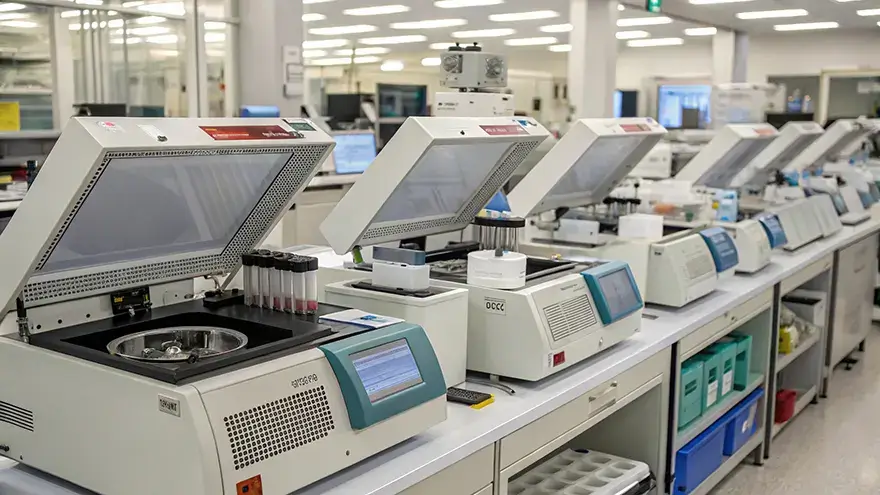
В научных и аналитических приложениях температура напрямую влияет на:
- Скорость химической реакции
- Биологическая активность
- Оптическая стабильность
- Точность электронного сигнала
- Материальное поведение
- Калибровка прибора
В отличие от обычных промышленных систем охлаждения, которые в основном предотвращают перегрев, лабораторные охладители должны поддерживать очень узкие температурные допуски.
Например:
- В химическом синтезе небольшие изменения температуры могут изменить пути реакции.
- В системах ПЦР отклонения температуры могут повлиять на точность амплификации ДНК.
- В спектроскопии тепловой дрейф может влиять на чувствительность детектора.
- В лазерных исследованиях нестабильность температуры влияет на постоянство длины волны и качество луча.
Из-за этой чувствительности лабораторным охладителям обычно требуется температурная стабильность в пределах:
\pm0.1^\circ C \sim \pm0.5^\circ C
В высокотехнологичных аналитических или полупроводниковых приложениях могут потребоваться еще более жесткие допуски.
Принцип работы лабораторного рециркуляционного охладителя
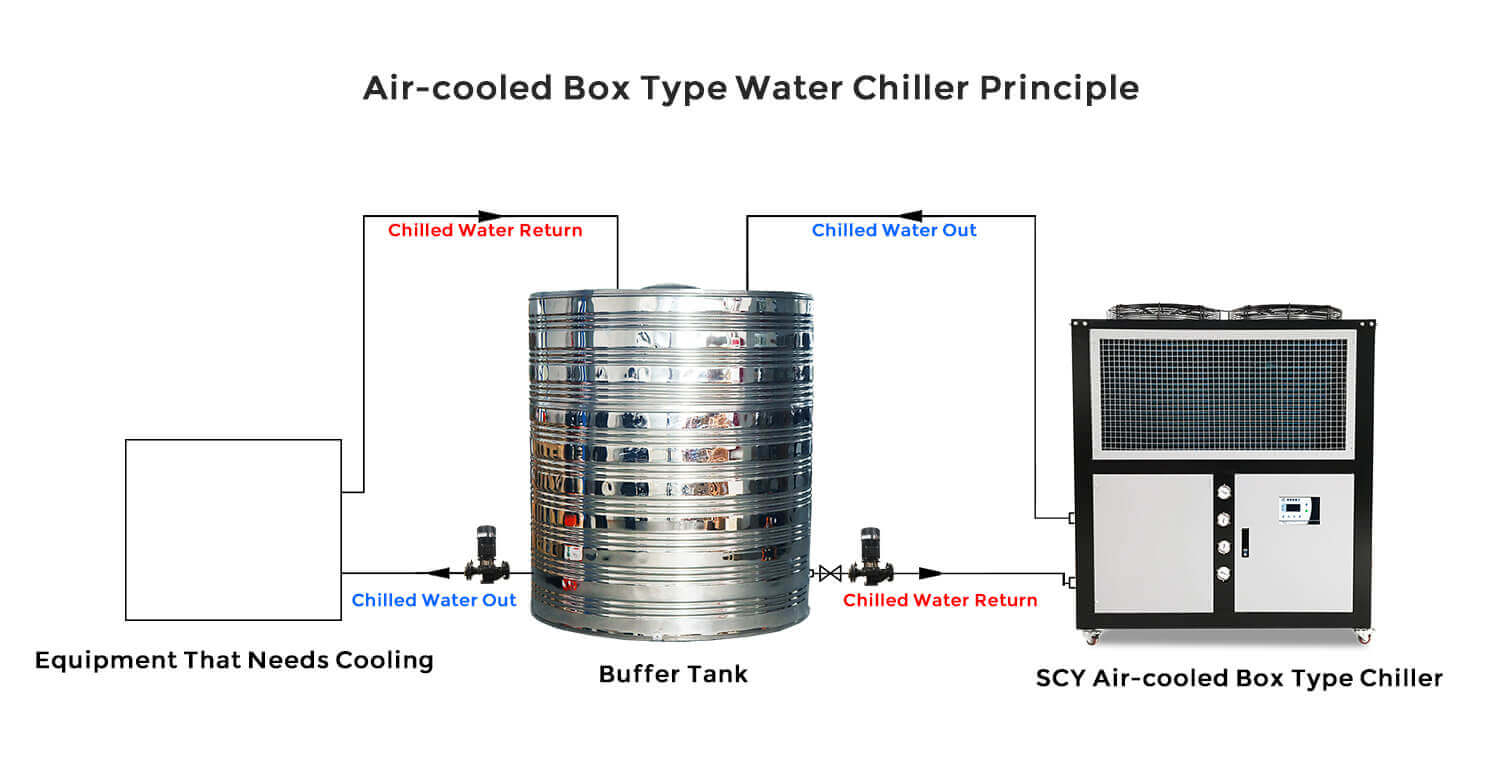
Лабораторный охладитель-циркулятор сочетает в себе:
- Система охлаждения
- Контур циркуляции теплоносителя
- Точная система контроля температуры.
Цикл охлаждения отводит тепло от циркулирующего хладагента, в то время как насосная система непрерывно подает жидкость с контролируемой температурой к внешнему лабораторному оборудованию.
Базовый цикл охлаждения
Холодильная система обычно включает в себя:
- компрессор
- Конденсатор
- Расширительный клапан
- Испаритель
Компрессор сжимает хладагент до состояния высокого давления, позволяя отводить тепло в конденсаторе. После снижения давления через расширительный клапан хладагент поглощает тепло внутри испарителя из циркулирующей технологической жидкости.
Охлажденная жидкость затем перекачивается обратно в подключенное лабораторное оборудование.
Основные компоненты лабораторного охладителя
Компрессор: стабильная охлаждающая способность
Компрессор является основным источником энергии холодильной системы.
В современных лабораторных охладителях часто используются компрессоры с инверторным приводом, поскольку они обеспечивают:
- Лучшая температурная стабильность
- Более низкая вибрация
- Снижение энергопотребления
- Повышенная эффективность при частичной нагрузке
Сравнение компрессоров
| Тип компрессора | Преимущества | Типичное лабораторное использование |
|---|---|---|
| Компрессор с фиксированной скоростью | Более низкая первоначальная стоимость | Основные области применения охлаждения |
| Инверторный компрессор | Точный контроль температуры | Высокоточные лаборатории |
| Спиральный компрессор | Низкая вибрация и тихая работа | Аналитические инструменты |
| Роторный компрессор | Компактный дизайн | Маленькие настольные чиллеры |
Поскольку лабораторные тепловые нагрузки часто колеблются во время экспериментов, работа с переменной производительностью важна для поддержания стабильных тепловых условий.
Насосная система: стабильность потока и теплопередача
Циркуляционный насос контролирует подачу охлаждающей жидкости между чиллером и лабораторным оборудованием.
Стабильность потока напрямую влияет на:
- Консистенция теплопередачи
- Равномерность температуры
- Отзывчивость системы
- Экспериментальная повторяемость
Даже если температура охлаждающей жидкости остается постоянной, нестабильный поток может вызвать локальные температурные колебания внутри оборудования для нанесения.
Важные параметры насоса
| Параметр | Важность |
|---|---|
| Скорость потока | Определяет способность теплопередачи |
| Давление напора насоса | Поддерживает длинные трубопроводные системы |
| Стабильность потока | Предотвращает колебания температуры |
| Уровень вибрации | Защищает чувствительные инструменты |
В высококлассных лабораторных охладителях обычно используются:
- Насосы с регулируемой скоростью
- Насосы с магнитной связью
- Малошумные циркуляционные системы
- Электронный контроль расхода
Испаритель: прецизионный теплообмен
Испаритель передает тепло от технологической жидкости хладагенту.
В большинстве лабораторных холодильных машин используются:
- Паяные пластинчатые теплообменники
- Испарители из нержавеющей стали
- Коррозионностойкие материалы
Производительность испарителя сильно влияет на:
- Скорость реакции на температуру
- Стабильность охлаждения
- Эффективность теплопередачи
Ключевые факторы конструкции испарителя
| Проектный фактор | Влияние |
|---|---|
| Внутреннее распределение потока | Равномерное охлаждение |
| Площадь поверхности теплообмена | Эффективность охлаждения |
| Падение давления | Гидравлическая устойчивость |
| Скорость термического реагирования | Динамический контроль температуры |
В прецизионных лабораторных условиях неравномерная теплопередача может создавать температурный дрейф, который влияет на последовательность экспериментов.
Основные области применения лабораторных циркуляционных охладителей
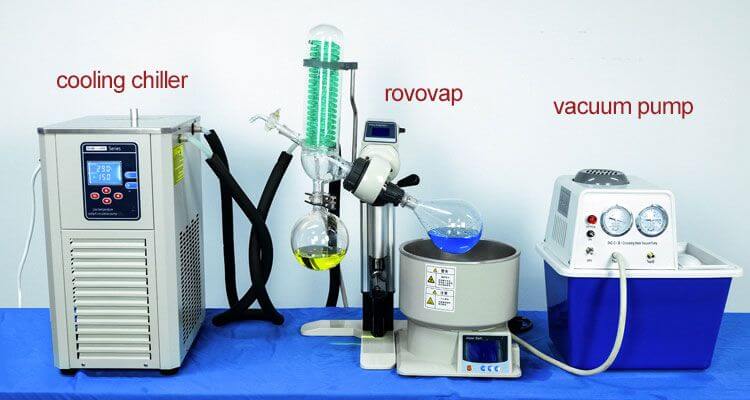
Лабораторные охладители широко используются в научных и промышленных областях исследований.
Аналитические инструменты
Поддержка чиллеров:
- Масс-спектрометры
- Хроматографические системы
- Спектрометры
- Электронные микроскопы
Эти приборы выделяют тепло во время работы, и тепловой дрейф может повлиять на:
- Чувствительность детектора
- Оптическое выравнивание
- Точность сигнала
- Повторяемость измерений
Биотехнология и науки о жизни
Биологические системы чрезвычайно чувствительны к температуре.
Типичные области применения включают в себя:
- Биореакторы
- Ферментеры
- ПЦР-системы
- Оборудование для клеточных культур
В таких условиях долговременная термическая стабильность зачастую важнее высокой охлаждающей способности.
Химический синтез и контроль реакций
Химические лаборатории часто используют охладители для:
- Стабилизировать температуру реакции
- Контролируйте экзотермические реакции
- Предотвратить тепловой разгон
- Улучшить селективность реакции
Скорость реакции обычно зависит от кинетики, зависящей от температуры.
Для многих химических систем:
k = Ae^{-\frac{E_a}{RT}}
Это означает, что даже небольшие изменения температуры могут существенно повлиять на скорость реакции и распределение продукта.
Материаловедение и исследования полупроводников
Лабораторные охладители широко используются в:
- Системы термоциклирования
- Тестирование полупроводников
- Тонкопленочное осаждение
- Характеристика материалов
Температура напрямую влияет:
- Проводимость
- Поведение кристаллизации
- Механические свойства
- Фазовые переходы
Высокая термическая стабильность необходима для воспроизводимости результатов испытаний.
Лазерные и фотонные исследования
Лазерные системы требуют стабильного охлаждения для:
- Лазерные источники
- Оптические компоненты
- Силовая электроника
- Системы стабилизации балки
Нестабильность температуры может вызвать:
- Дрейф длины волны
- Искажение луча
- Оптическое смещение
- Снижение эффективности лазера
Лабораторные чиллеры с воздушным и водяным охлаждением
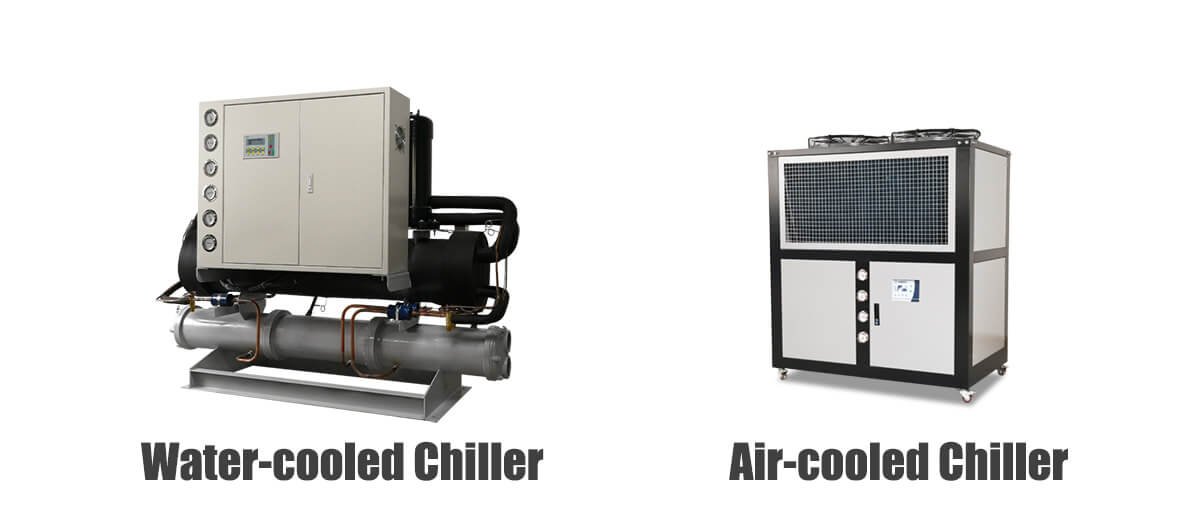
Лабораторные циркуляционные охладители обычно доступны в двух основных конфигурациях.
Сравнительная таблица
| Элемент | Чиллер с воздушным охлаждением | Чиллер с водяным охлаждением |
|---|---|---|
| Сложность установки | Ниже | Выше |
| Требования к инфраструктуре | Минимальный | Требуется внешний водяной контур. |
| Энергоэффективность | Умеренный | Выше |
| Температурная стабильность | Хороший | Отличный |
| Чувствительность к температуре окружающей среды | Высокий | Низкий |
| Уровень шума | Выше | Ниже |
| Требования к техническому обслуживанию | Ниже | Умеренный |
| Лучшее приложение | Маленькие лаборатории | Крупные исследовательские центры |
Лабораторные охладители с воздушным охлаждением
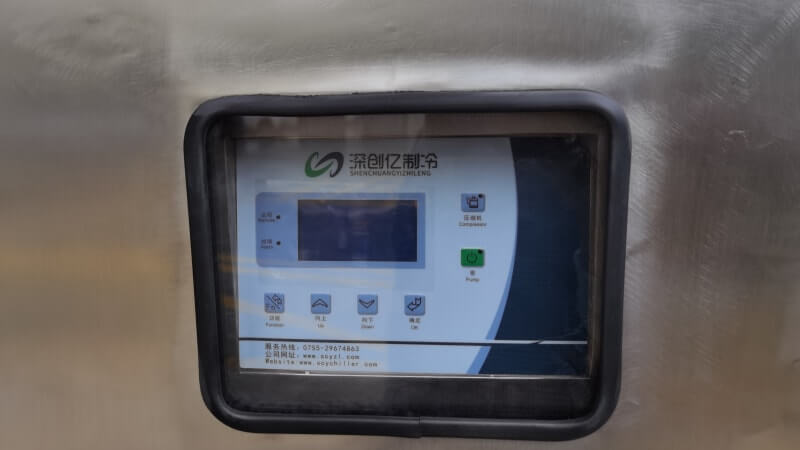
Системы с воздушным охлаждением отводят тепло непосредственно в окружающий воздух через конденсаторы с вентилятором.
Преимущества включают в себя:
- Простая установка
- Компактная структура
- Более низкая стоимость инфраструктуры
- Гибкое развертывание
Их обычно используют для:
- Исследовательские стенды
- Маленькие аналитические лаборатории
- Децентрализованные эксперименты
- Портативные системы охлаждения
Однако эффективность охлаждения сильно зависит от температуры окружающей среды. В жарких условиях эффективность отвода тепла снижается, что может снизить температурную стабильность при длительной эксплуатации.
Лабораторные охладители с водяным охлаждением
Системы с водяным охлаждением отводят тепло через вторичный водяной контур, подключенный к:
- Градирни
- Системы охлажденной воды на объектах
- Сухие охладители
Поскольку вода имеет более высокую теплопроводность и теплоемкость, чем воздух, системы с водяным охлаждением обеспечивают:
- Лучшая термическая стабильность
- Более высокая энергоэффективность
- Более низкая температура нагнетания компрессора
- Более стабильная долгосрочная работа
Чиллеры с водяным охлаждением обычно предпочтительнее в:
- Централизованное лабораторное оборудование
- Фармацевтические научно-исследовательские центры
- Лаборатории полупроводниковых исследований
- Крупные научные учреждения
Технологии прецизионного контроля температуры
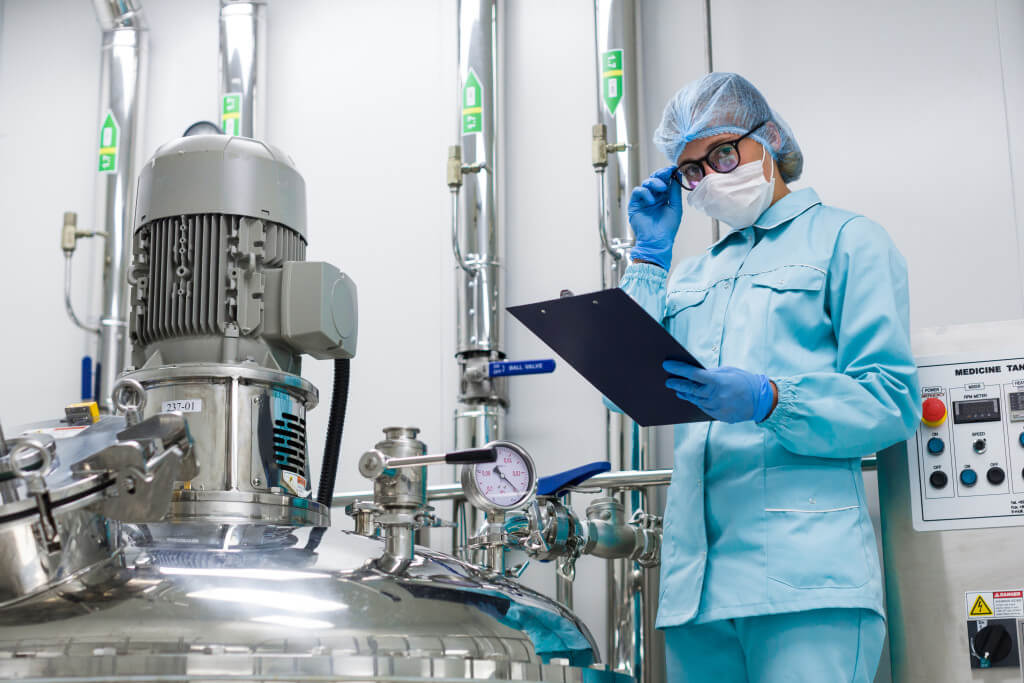
Современные лабораторные охладители полагаются на передовые системы управления для поддержания стабильных рабочих условий.
Ключевые технологии управления
| Технология | Основная функция |
|---|---|
| ПИД-регулятор | Стабильная регулировка температуры |
| Адаптивные алгоритмы | Динамическая компенсация нагрузки |
| Компрессоры с регулируемой скоростью | Плавная регулировка охлаждения. |
| Электронные расширительные клапаны | Точный контроль хладагента |
| Мультисенсорная обратная связь | Улучшена стабильность системы |
Температурная стабильность зависит не только от холодопроизводительности, но и от:
- Точность датчика
- Скорость ответа
- Консистенция потока
- Управление тепловой инерцией
Конструкция с низкой тепловой инерцией особенно важна, поскольку она позволяет системе быстро реагировать на внезапные изменения экспериментальной нагрузки без чрезмерного перерегулирования.
Выбор охлаждающей жидкости для лабораторных исследований
Выбор охлаждающей жидкости существенно влияет на производительность системы.
Общие лабораторные охлаждающие жидкости
| Тип охлаждающей жидкости | Преимущества | Типичное применение |
|---|---|---|
| Деионизированная вода | Высокая эффективность теплопередачи | Общее охлаждение лаборатории |
| Водно-гликолевая смесь | Защита от замерзания | Низкотемпературные применения |
| Силиконовые жидкости | Широкий температурный диапазон | Прецизионная электроника |
| Фторированные жидкости | Электрическая изоляция | Специализированное охлаждение электроники |
Выбор охлаждающей жидкости зависит от:
- Диапазон рабочих температур
- Коррозионная стойкость
- Электропроводность
- Биологическая совместимость
- Характеристики вязкости
Заключение
Лабораторные циркуляционные охладители являются критически важными системами управления температурным режимом для современных научных исследований и прецизионных аналитических сред.
Чиллеры с воздушным охлаждением обеспечивают гибкие и экономичные решения для небольших лабораторий и децентрализованных приложений, а системы с водяным охлаждением обеспечивают превосходную термическую стабильность и эффективность для более крупных исследовательских центров и высокоточных сред.
Во всех приложениях основной целью является не просто отвод тепла, а поддержание стабильных и повторяемых тепловых условий, которые обеспечивают:
- Экспериментальная точность
- Надежность прибора
- Согласованность процесса
- Долгосрочная стабильность работы
Поскольку научные исследования продолжают продвигаться к более высокой точности и автоматизации, лабораторные циркуляционные охладители останутся неотъемлемой частью современной лабораторной инфраструктуры.
