

 เครื่องทำความเย็นแบบพกพา
 ชิลเลอร์ระบายความร้อนด้วยอากาศ
 ชิลเลอร์ระบายความร้อนด้วยน้ำ
 เครื่องทำความเย็นอุณหภูมิต่ำ
 เครื่องทำความเย็นอุตสาหกรรมแบบกำหนดเอง


การเลือกระหว่างเครื่องทำความเย็นแบบสโครลและเครื่องทำความเย็นแบบสกรูเป็นหนึ่งในการตัดสินใจที่สามารถสร้างหรือทำลายโครงการทำความเย็นทางอุตสาหกรรมได้ เมื่อมองแวบแรก ทั้งสองระบบใช้เทคโนโลยีทำความเย็นแบบบีบอัดไอขั้นพื้นฐานที่เหมือนกัน แต่ภายใต้ประทุน ทั้งสองระบบเป็นเครื่องจักรที่แตกต่างกันโดยพื้นฐานซึ่งมีจุดแข็ง จุดอ่อน และกรณีการใช้งานในอุดมคติที่แตกต่างกัน
นี่คือสิ่งที่คนส่วนใหญ่พลาด: เมื่อวิศวกรเปรียบเทียบเครื่องทำความเย็นเหล่านี้ พวกเขาไม่ได้เปรียบเทียบ "เครื่องทำความเย็นสองเครื่อง" จริงๆ พวกเขากำลังเลือกระหว่างปรัชญาการทำความเย็นสองแบบที่แตกต่างกันอย่างสิ้นเชิง สถาปัตยกรรมของคอมเพรสเซอร์จะกำหนดว่าระบบทำงานอย่างไรภายใต้ภาระของชิ้นส่วน ประสิทธิภาพในการทำงานระหว่างการทำงานต่อเนื่อง ความคงตัวของเอาต์พุตการทำความเย็น และความสามารถในการรองรับการขยายตัวในอนาคตได้ดีเพียงใด
Scroll Chiller คืออะไร?

เครื่องทำความเย็นแบบสโครลใช้คอมเพรสเซอร์แบบสโครลตั้งแต่หนึ่งตัวขึ้นไปเป็นแกนในการทำความเย็น ภายในคอมเพรสเซอร์มีองค์ประกอบสกรอลล์รูปเกลียวสองชิ้น — ชิ้นหนึ่งอยู่กับที่ และชิ้นหนึ่งกำลังโคจร ในขณะที่สกรอลล์ที่หมุนอยู่เคลื่อนที่ สารทำความเย็นจะติดอยู่ในช่องเล็กๆ ที่เพิ่มขึ้นเรื่อยๆ และอัดแก๊สอย่างนุ่มนวลไปยังช่องระบายตรงกลาง
คอมเพรสเซอร์แบบสโครลต่างจากคอมเพรสเซอร์แบบลูกสูบตรงที่มีชิ้นส่วนที่เคลื่อนไหวน้อยมาก และไม่มีวาล์วดูดหรือวาล์วระบาย สิ่งนี้จะสร้างกระบวนการอัดที่ราบรื่นและเงียบ โดยมีการสั่นสะเทือนต่ำและการสึกหรอทางกลน้อยที่สุด
ชิลเลอร์แบบสโครลเป็นตัวเลือกที่เหมาะสมสำหรับ:
- ระบบทำความเย็นอุตสาหกรรมขนาดเล็กถึงขนาดกลาง
- การระบายความร้อนในห้องปฏิบัติการ
- อุปกรณ์เลเซอร์
- การแปรรูปพลาสติก
- อุปกรณ์ทางการแพทย์
- HVAC เชิงพาณิชย์
- ชิลเลอร์ระบายความร้อนด้วยอากาศแบบโมดูลาร์
สกรูชิลเลอร์คืออะไร?

เครื่องทำความเย็นแบบสกรูใช้คอมเพรสเซอร์แบบสกรูที่บีบอัดสารทำความเย็นผ่านโรเตอร์แบบเกลียวสองตัวที่เชื่อมต่อกัน โรเตอร์เหล่านี้จะดักจับและบีบอัดสารทำความเย็นอย่างต่อเนื่องในขณะที่เคลื่อนที่ไปตามความยาวของโรเตอร์ ซึ่งช่วยจัดการปริมาณการไหลของสารทำความเย็นที่มากกว่าคอมเพรสเซอร์แบบสโครล
สกรูชิลเลอร์ถูกสร้างขึ้นเพื่อการยกของหนัก:
- ปริมาณการไหลของสารทำความเย็นขนาดใหญ่
- โหลดการทำความเย็นสูง
- การดำเนินงานต่อเนื่อง
- ประสิทธิภาพทางอุตสาหกรรมที่มั่นคง
คุณจะพบเครื่องทำความเย็นแบบสกรูที่ครอบคลุมการใช้งานต่างๆ เช่น:
- การแปรรูปทางเคมี
- โรงงานเภสัชกรรม
- การผลิตแบตเตอรี่
- สิ่งอำนวยความสะดวกการฉีดขึ้นรูปขนาดใหญ่
- การแปรรูปอาหาร
- ศูนย์ข้อมูล
- ระบบทำความเย็นอุตสาหกรรมแบบรวมศูนย์
ความแตกต่างทางกลพื้นฐาน
ความแตกต่างหลักระหว่างเทคโนโลยีเหล่านี้อยู่ที่ว่าการบีบอัดสารทำความเย็นเกิดขึ้นจริงได้อย่างไร
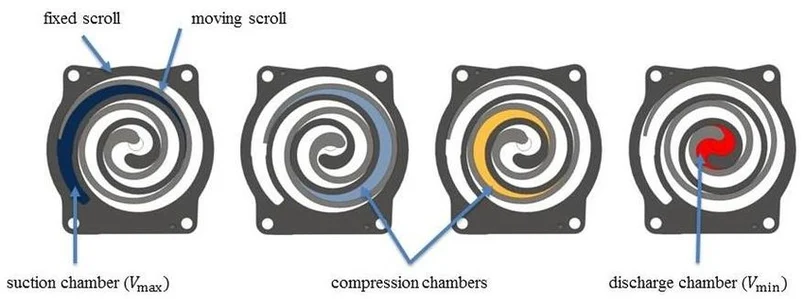
ก คอมเพรสเซอร์แบบเลื่อน ใช้การเคลื่อนที่ของวงโคจรในห้องปิดขนาดเล็ก กระบวนการนี้ราบรื่น กะทัดรัด และใช้กลไกง่าย ลองคิดดูว่าเป็นการบีบสารทำความเย็นผ่านเกลียวที่ค่อยๆ ขันให้แน่น
ก สกรูคอมเพรสเซอร์ ใช้โรเตอร์แบบขดลวดหมุนที่บีบอัดสารทำความเย็นอย่างต่อเนื่องด้วยความสามารถในการรับส่งข้อมูลที่มากขึ้น — เหมือนกับการผลักสารทำความเย็นผ่านอุโมงค์ที่แคบลงอย่างต่อเนื่อง
ความแตกต่างทางกลนี้ทำให้เกิดความแตกต่างที่สำคัญใน:
- ช่วงความจุ
- เส้นโค้งประสิทธิภาพ
- การจัดการน้ำมัน
- พฤติกรรมเสียงรบกวน
- การตอบสนองโหลดความร้อน
- ความทนทานในระยะยาว
ช่วงความจุ: จุดที่แต่ละเทคโนโลยีสมเหตุสมผล
ความแตกต่างที่ชัดเจนที่สุดประการหนึ่งคือความสามารถในการทำความเย็น ต่อไปนี้คือจุดที่แต่ละเทคโนโลยีได้รับความนิยม:
| เทคโนโลยี | ช่วงทั่วไป | จุดหวาน |
|---|---|---|
| สโครลชิลเลอร์ | สูงถึง ~150 RT (บางครั้งอาจถึง 200 RT ในการตั้งค่าโมดูลาร์) | ระบบขนาดเล็กถึงขนาดกลาง การกำหนดค่าแบบโมดูลาร์ |
| สกรูชิลเลอร์ | 80 RT ถึง 600+ RT (ระบบขนาดใหญ่สามารถเกิน 1,000 RT) | โหลดอุตสาหกรรมขนาดกลางถึงขนาดใหญ่ การทำงานต่อเนื่อง |
เมื่อเกินประมาณ 150 RT จำนวนคอมเพรสเซอร์แบบสโครลที่ต้องใช้จะไม่มีประสิทธิภาพและซับซ้อนทางกลไก นั่นคือจุดที่คอมเพรสเซอร์แบบสกรูเข้ามาแทนที่ โดยจะจัดการกับอัตราการไหลของมวลสารทำความเย็นที่ใหญ่กว่าได้อย่างมีประสิทธิภาพมากกว่าการวางซ้อนคอมเพรสเซอร์แบบสโครลขนาดเล็กหลายตัว
ประสิทธิภาพการโหลดชิ้นส่วน: ปัจจัยในโลกแห่งความเป็นจริง
ข้อมูลจำเพาะของแค็ตตาล็อกส่วนใหญ่ไม่ได้บอกคุณดังนี้: เครื่องทำความเย็นอุตสาหกรรมไม่ค่อยทำงานที่โหลด 100% อย่างต่อเนื่อง ระบบจริงจัดการกับการเปลี่ยนแปลงตามฤดูกาล ความผันผวนของการผลิต รอบการเริ่มต้น/การปิดระบบ และความต้องการของกระบวนการที่แปรผัน นี่คือจุดที่ประสิทธิภาพในการโหลดชิ้นส่วนกลายเป็นเรื่องสำคัญ
พฤติกรรมโหลดชิ้นส่วนของ Scroll Chiller
โดยทั่วไปแล้ว เครื่องทำความเย็นแบบสโครลจะใช้คอมเพรสเซอร์อิสระหลายตัวซ้อนกัน — ลองนึกถึงระบบโมดูลาร์แบบ 4 เลื่อน 6 เลื่อน หรือ 8 เลื่อน เมื่อความต้องการในการทำความเย็นเปลี่ยนแปลงไป คอมเพรสเซอร์จะเปิดหรือปิดทีละน้อย
สิ่งนี้ทำให้สโครลชิลเลอร์มีประสิทธิภาพในการโหลดชิ้นส่วนที่ยอดเยี่ยมในระบบขนาดเล็ก เนื่องจากคอมเพรสเซอร์ที่ไม่ได้ใช้งานจะใช้พลังงานเป็นศูนย์ ในสภาวะที่มีภาระน้อย พวกมันจะมีประสิทธิภาพอย่างน่าประหลาดใจ
พฤติกรรมการโหลดชิ้นส่วนของเครื่องทำความเย็นแบบสกรู
คอมเพรสเซอร์แบบสกรูควบคุมความจุต่างกัน แทนที่จะเปิดและปิดวงจรคอมเพรสเซอร์ พวกเขาใช้การควบคุมวาล์วแบบเลื่อนหรือไดรฟ์ความถี่แปรผัน (VFD) สำหรับการปรับความจุแบบไม่มีขั้นตอน ช่วยให้สามารถปรับได้อย่างราบรื่นและต่อเนื่องในช่วงโหลดที่กว้าง
ที่โหลดปานกลางและสูง สกรูชิลเลอร์มักจะมีประสิทธิภาพเหนือกว่าระบบสโครล เนื่องจากคอมเพรสเซอร์จะรักษาประสิทธิภาพการบีบอัดที่เสถียรโดยไม่ต้องหมุนเวียนซ้ำๆ ซึ่งสิ้นเปลืองพลังงานและสร้างความเครียดให้กับส่วนประกอบต่างๆ
ประสิทธิภาพการใช้พลังงาน: ขึ้นอยู่กับลักษณะการทำงานของคุณ
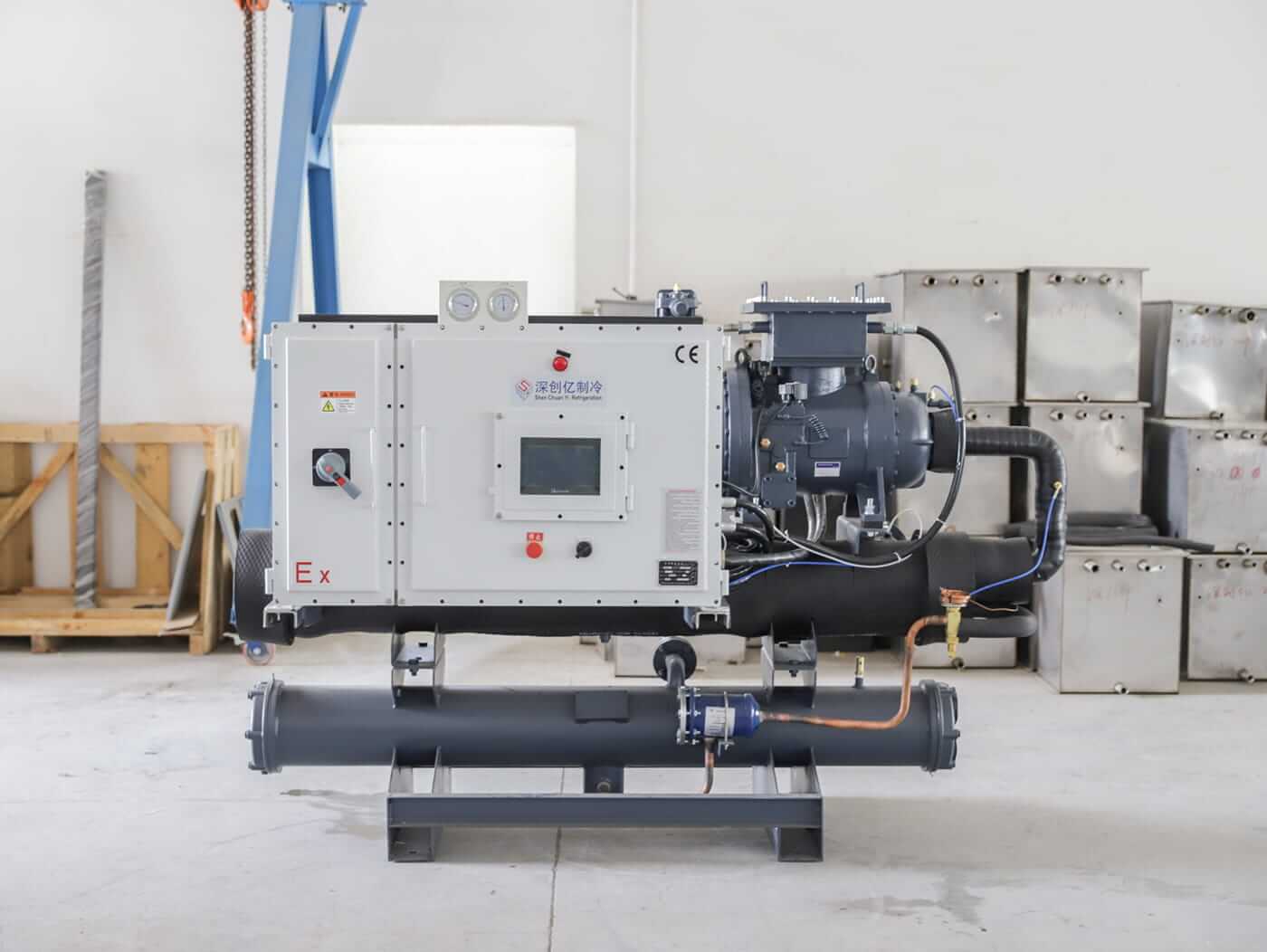
ไม่มีเทคโนโลยีที่ "ดีกว่า" ในระดับสากลในที่นี้ ประสิทธิภาพขึ้นอยู่กับวิธีดำเนินการของคุณทั้งหมด
Scroll Chillers จะส่องแสงเมื่อ:
- โหลดการทำความเย็นค่อนข้างน้อย
- โหลดมีความผันผวนบ่อยครั้ง
- รันไทม์ไม่ต่อเนื่องแทนที่จะต่อเนื่อง
- ความเรียบง่ายในการติดตั้งมีความสำคัญ
- สภาพแวดล้อมอยู่ในระดับปานกลาง
โครงสร้างทางกลที่เรียบง่ายช่วยลดการสูญเสียภายใน และชิ้นส่วนที่เคลื่อนไหวน้อยลงช่วยรักษาประสิทธิภาพที่ความจุน้อยลง
สกรูชิลเลอร์จะเหนือกว่าเมื่อ:
- โหลดการทำความเย็นมีขนาดใหญ่
- ระบบทำงานตลอด 24 ชั่วโมงทุกวัน
- ปริมาณความร้อนในกระบวนการมีความเสถียร
- จำเป็นต้องมีการปฏิบัติงานต่อเนื่อง
- ใช้ระบบระบายความร้อนแบบรวมศูนย์
โดยทั่วไปแล้วคอมเพรสเซอร์แบบสกรูจะให้ประสิทธิภาพการโหลดเต็มที่ดีกว่าและต้นทุนการดำเนินงานในระยะยาวที่ต่ำกว่า เมื่อมีน้ำหนักในการทำความเย็นสูง ชิลเลอร์แบบสกรูระบายความร้อนด้วยน้ำให้ประสิทธิภาพสูงเป็นพิเศษ เนื่องจากสามารถรักษาอุณหภูมิการควบแน่นที่ต่ำกว่าได้
การจัดการน้ำมัน: ความแตกต่างที่ซ่อนอยู่
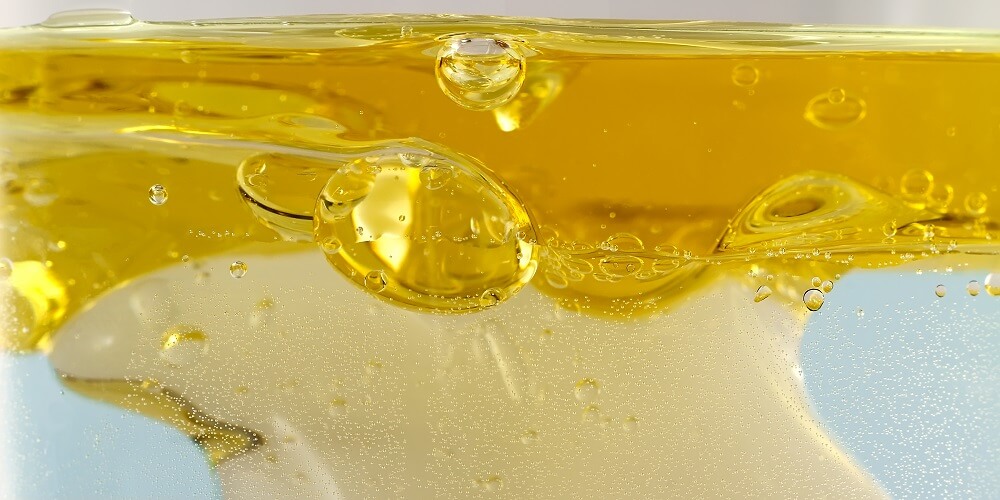
พฤติกรรมของน้ำมันเป็นหนึ่งในความแตกต่างที่ถูกมองข้ามมากที่สุดระหว่างเทคโนโลยีเหล่านี้ แต่มีความสำคัญอย่างมากต่อความน่าเชื่อถือในระยะยาว
สกรอลล์คอมเพรสเซอร์
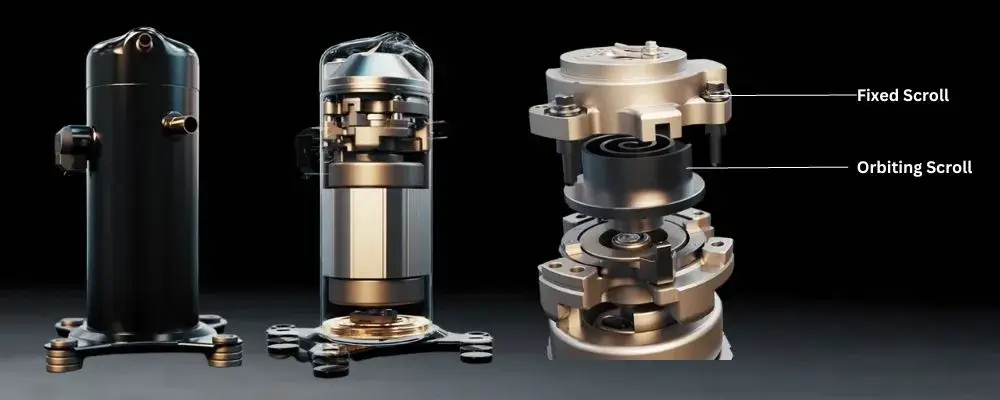
คอมเพรสเซอร์แบบสโครลมีปริมาณน้ำมันค่อนข้างน้อย และการไหลเวียนของน้ำมันทำได้ง่ายกว่าเนื่องจากการไหลของมวลสารทำความเย็นน้อยกว่า ข้อกำหนดในการบำรุงรักษาโดยทั่วไปจะต่ำกว่า
อย่างไรก็ตาม พวกเขามีความอ่อนไหวต่อ:
- สารทำความเย็นเหลวไหลย้อนกลับ
- ความอดอยากน้ำมัน
- การชาร์จสารทำความเย็นที่ไม่เหมาะสม
เนื่องจากระบบมีขนาดกะทัดรัด สภาพการทำงานที่ไม่เหมาะสมอาจทำให้คอมเพรสเซอร์เสียหายได้ค่อนข้างเร็ว
สกรูคอมเพรสเซอร์
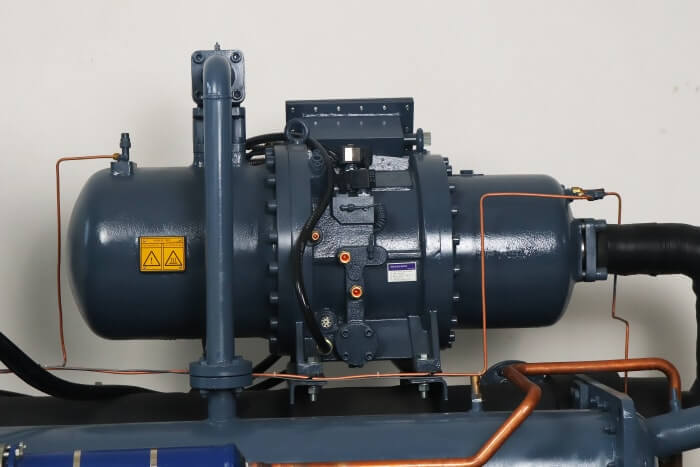
คอมเพรสเซอร์แบบสกรูอาศัยน้ำมันอย่างมากในการซีล โรเตอร์ การหล่อลื่น และการทำความเย็น สิ่งนี้จะสร้างระบบการจัดการน้ำมันที่ซับซ้อนมากขึ้นด้วยตัวแยกน้ำมัน ตัวกรอง ระบบส่งคืน และวงจรทำความเย็น
แม้ว่าจะซับซ้อนกว่า แต่การออกแบบนี้ช่วยให้คอมเพรสเซอร์แบบสกรูสามารถทำงานได้อย่างต่อเนื่องภายใต้ภาระทางอุตสาหกรรมหนัก การจัดการน้ำมันอย่างเหมาะสมเป็นสิ่งสำคัญสำหรับความน่าเชื่อถือในระยะยาว หากละเลยแล้วคุณจะประสบปัญหา บำรุงรักษาอย่างเหมาะสม และคอมเพรสเซอร์เหล่านี้สามารถทำงานได้นานหลายทศวรรษ
ข้อควรพิจารณาเกี่ยวกับเสียงรบกวนและการสั่นสะเทือน
โดยทั่วไปแล้ว ชิลเลอร์แบบสโครลจะเงียบกว่าเนื่องจากการบีบอัดแบบสโครลจะราบรื่นและต่อเนื่องโดยมีจังหวะน้อยที่สุด ทำให้เหมาะสำหรับ:
- โรงพยาบาล
- ห้องปฏิบัติการ
- สภาพแวดล้อมในสำนักงาน
- การติดตั้งภายในอาคารใกล้กับพื้นที่ว่าง
ชิลเลอร์แบบสกรูสร้างเสียงรบกวนทางกลมากขึ้นเนื่องจากมีโรเตอร์เมชและปริมาณสารทำความเย็นที่มากขึ้น อย่างไรก็ตาม สกรูชิลเลอร์อุตสาหกรรมมักจะชดเชยด้วยฉนวนกันเสียง การแยกการสั่นสะเทือน และการติดตั้งห้องเครื่องจักร ในโรงงานขนาดใหญ่ ความแตกต่างของเสียงมักจะมีความสำคัญน้อยกว่าความเสถียรและความสามารถในการทำความเย็น
การบำรุงรักษาและการแลกเปลี่ยนความน่าเชื่อถือ
สโครลชิลเลอร์
- ชิ้นส่วนที่เคลื่อนไหวน้อยลง
- โครงสร้างที่เรียบง่ายกว่า
- การบริการที่ง่ายขึ้น
- ลดต้นทุนการซ่อมแซมเริ่มต้น
สกรูชิลเลอร์
- สร้างขึ้นเพื่อความสามารถในการสร้างใหม่ทางอุตสาหกรรม
- อายุการใช้งานยาวนาน
- สามารถตรวจสอบโรเตอร์ได้
- ตัวเลือกการเปลี่ยนแบริ่ง
ชิลเลอร์แบบสโครลมักถูกมองว่าเป็นระบบ "การบำรุงรักษาต่ำ" และนั่นก็ยุติธรรมดี เมื่อคอมเพรสเซอร์แบบสโครลทำงานล้มเหลว การเปลี่ยนมักจะใช้งานได้ดีกว่าการสร้างใหม่ภายใน เป็นแนวทางแบบสลับแล้วไป
ในทางตรงกันข้าม คอมเพรสเซอร์แบบสกรูได้รับการออกแบบมาเพื่อการใช้งานระยะไกล สกรูชิลเลอร์อุตสาหกรรมหลักๆ ถูกสร้างขึ้นสำหรับการตรวจสอบโรเตอร์ การเปลี่ยนตลับลูกปืน และชั่วโมงการทำงานนับหมื่นชั่วโมง ในโรงงานขนาดใหญ่ที่ทำงานอย่างต่อเนื่อง สกรูชิลเลอร์มักจะให้ความทนทานในระยะยาวที่เหนือกว่า
การผสมผสานระหว่างระบายความร้อนด้วยอากาศและระบายความร้อนด้วยน้ำ
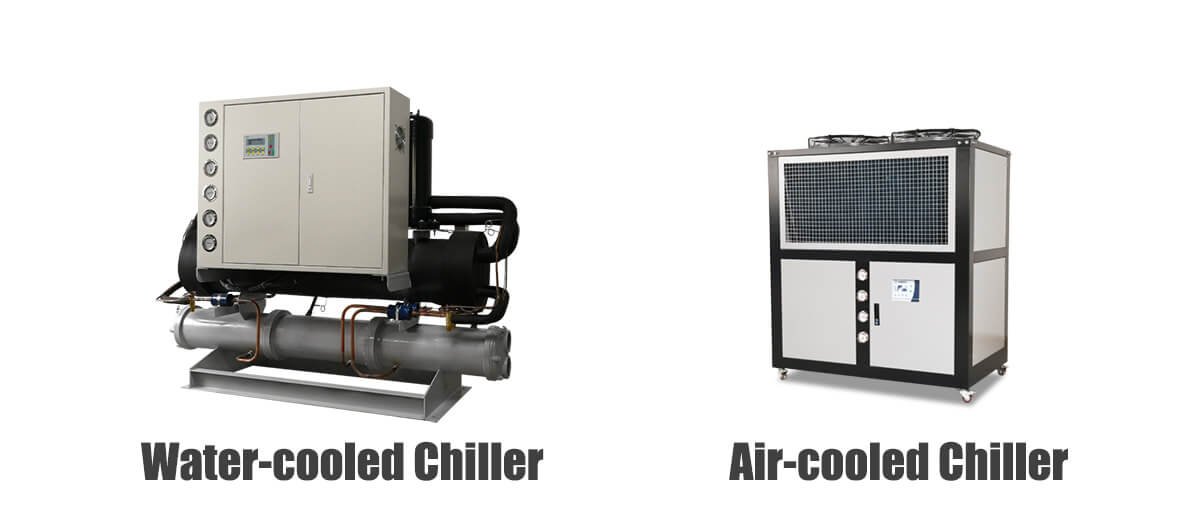
ชิลเลอร์ทั้งแบบสโครลและแบบสกรูสามารถระบายความร้อนด้วยอากาศหรือระบายความร้อนด้วยน้ำได้ แต่แนวโน้มทางอุตสาหกรรมจะแตกต่างกัน:
| การกำหนดค่า | การใช้งานทั่วไป | ทำไมมันถึงได้ผล |
|---|---|---|
| แอร์คูลสโครล | ระบบขนาดเล็กถึงขนาดกลาง การระบายความร้อนแบบกระจายอำนาจ | การติดตั้งที่ง่ายกว่า ต้นทุนโครงสร้างพื้นฐานที่ลดลง ความจุตรงกับประสิทธิภาพการระบายความร้อนด้วยอากาศ |
| สกรูระบายความร้อนด้วยน้ำ | โรงงานอุตสาหกรรมขนาดใหญ่ระบบรวมศูนย์ | ประสิทธิภาพที่ดีขึ้นที่โหลดสูง อุณหภูมิควบแน่นที่เสถียร ตรงกับโครงสร้างพื้นฐานด้านสาธารณูปโภคที่มีอยู่ |
ระบบเลื่อนส่วนใหญ่ระบายความร้อนด้วยอากาศเนื่องจากความจุน้อยกว่าและความเรียบง่ายในการติดตั้งมีความสำคัญ เครื่องทำน้ำเย็นแบบสกรูขนาดใหญ่มักใช้คอนเดนเซอร์ระบายความร้อนด้วยน้ำ เนื่องจากการระบายความร้อนด้วยน้ำช่วยเพิ่มประสิทธิภาพ โดยเฉพาะที่ภาระงานสูง และโรงงานขนาดใหญ่มักจะมีโครงสร้างพื้นฐานของหอทำความเย็นอยู่แล้ว
คำแนะนำเฉพาะอุตสาหกรรม
Scroll Chillers มักจะดีกว่าสำหรับ:
- การระบายความร้อนด้วยเลเซอร์
- เวิร์คช็อปการฉีดขึ้นรูปขนาดเล็ก
- ห้องปฏิบัติการ
- อุปกรณ์ทางการแพทย์
- สายการผลิตอาหารขนาดเล็ก
- ระบบ HVAC แบบแยกส่วน
สกรูชิลเลอร์มักจะดีกว่าสำหรับ:
- โรงงานเคมี
- การผลิตยา
- โรงงานแบตเตอรี่
- การผลิตพลาสติกขนาดใหญ่
- สิ่งอำนวยความสะดวกการหมัก
- กระบวนการทางอุตสาหกรรมอย่างต่อเนื่อง
- โรงงานทำความเย็นแบบรวมศูนย์
การเปรียบเทียบต้นทุน: จ่ายล่วงหน้าเทียบกับวงจรชีวิต
ต้นทุนเริ่มต้นและต้นทุนตลอดอายุการใช้งานมีความแตกต่างกันอย่างมาก และนี่คือจุดที่หลายโครงการผิดพลาด
| ปัจจัยด้านต้นทุน | สโครลชิลเลอร์ | สกรูชิลเลอร์ |
|---|---|---|
| ราคาซื้อ | ต่ำกว่า | สูงกว่า |
| ค่าติดตั้ง | ช่วงล่าง (โดยเฉพาะระบายความร้อนด้วยอากาศ) | สูงกว่า (โดยเฉพาะระบายความร้อนด้วยน้ำ) |
| ความซับซ้อนในการบำรุงรักษา | ต่ำกว่า | สูงกว่า |
| ประสิทธิภาพการใช้พลังงาน (โหลดขนาดใหญ่) | ดี | ดีกว่า |
| อายุการใช้งานทางอุตสาหกรรม | ดี | อีกต่อไป |
| ROI (การดำเนินงานต่อเนื่อง) | ยุติธรรม | ดีกว่า |
สำหรับโรงงานขนาดเล็กที่มีการทำงานไม่ต่อเนื่อง เครื่องทำความเย็นแบบสโครลมักจะประหยัดกว่า สำหรับโรงงานอุตสาหกรรมขนาดใหญ่ที่เปิดตลอด 24 ชั่วโมงทุกวัน เครื่องทำน้ำเย็นแบบสกรูมักจะราคาถูกลงในระยะยาวแม้จะมีต้นทุนการซื้อที่สูงขึ้นก็ตาม — ข้อดีของการประหยัดพลังงานและความทนทานจะเพิ่มขึ้นตลอดระยะเวลาหลายปีของการทำงานต่อเนื่อง
หลักการคัดเลือกที่สำคัญที่สุด
ต่อไปนี้เป็นคำถามที่ควรขับเคลื่อนการตัดสินใจของคุณ:
หากระบบของคุณประสบปัญหา:
- โหลดน้อย
- ปั่นจักรยานบ่อยๆ
- ขัดจังหวะรันไทม์
→ เทคโนโลยีเลื่อน มักจะใช้งานได้จริงมากกว่า
หากระบบของคุณต้องการ:
- ความจุขนาดใหญ่
- การดำเนินงานอย่างต่อเนื่อง
- กระบวนการทำความเย็นที่เสถียร
- ความสามารถในการขยายขนาดในระยะยาว
→ สกรูชิลเลอร์ มักจะเป็นวิธีแก้ปัญหาทางวิศวกรรมที่ดีกว่า
บทสรุป
เครื่องทำน้ำเย็นแบบสโครลและแบบสกรูไม่ใช่คู่แข่งกัน แต่เป็นเครื่องมือที่ออกแบบมาสำหรับงานที่แตกต่างกันโดยพื้นฐาน ชิลเลอร์แบบสโครลมีความเป็นเลิศในการใช้งานแบบโมดูลาร์ขนาดเล็กและมีการบำรุงรักษาน้อยกว่า โดยที่ประสิทธิภาพในการโหลดชิ้นส่วนและความเรียบง่ายในการติดตั้งมีความสำคัญมากที่สุด สกรูชิลเลอร์ครองระบบอุตสาหกรรมขนาดใหญ่ ซึ่งการทำงานต่อเนื่อง การควบคุมความร้อนที่เสถียร และความสามารถในการทำความเย็นสูงนั้นไม่สามารถต่อรองได้
ไม่มีเทคโนโลยีใดที่ดีกว่าในระดับสากล ตัวเลือกที่ดีที่สุดขึ้นอยู่กับสถานการณ์เฉพาะของคุณ: ขนาดภาระการทำความเย็น รูปแบบการทำงาน กลยุทธ์ด้านพลังงาน ข้อกำหนดด้านความเสถียรของกระบวนการ และเศรษฐศาสตร์การดำเนินงานในระยะยาว
การทำความเข้าใจความแตกต่างเหล่านี้ทำให้คุณสามารถเลือกระบบทำความเย็นที่ตรงกับพฤติกรรมการระบายความร้อนที่แท้จริงของการใช้งานของคุณ แทนที่จะเลือกตามความจุที่ระบุหรือราคาล่วงหน้าเพียงอย่างเดียว
