

 เครื่องทำความเย็นแบบพกพา
 ชิลเลอร์ระบายความร้อนด้วยอากาศ
 ชิลเลอร์ระบายความร้อนด้วยน้ำ
 เครื่องทำความเย็นอุณหภูมิต่ำ
 เครื่องทำความเย็นอุตสาหกรรมแบบกำหนดเอง


ในอุตสาหกรรมพลาสติก การควบคุมอุณหภูมิส่งผลโดยตรงต่อคุณภาพของผลิตภัณฑ์ ประสิทธิภาพการผลิต รอบเวลา และความน่าเชื่อถือของอุปกรณ์ ไม่ว่าจะเป็นในการฉีดขึ้นรูป การอัดขึ้นรูป เป่าขึ้นรูป เทอร์โมฟอร์ม หรือการรีไซเคิลพลาสติก เครื่องทำความเย็นอุตสาหกรรมถือเป็นสิ่งสำคัญในการขจัดความร้อนในกระบวนการและรักษาสภาพการทำงานที่มั่นคง
หนึ่งในการตัดสินใจทางวิศวกรรมที่พบบ่อยที่สุดในโรงงานแปรรูปพลาสติกคือการเลือกระหว่างเครื่องทำความเย็นแบบระบายความร้อนด้วยอากาศและระบายความร้อนด้วยน้ำ
เมื่อมองแวบแรก ทั้งสองระบบมีฟังก์ชันพื้นฐานที่เหมือนกัน นั่นคือ ขจัดความร้อนออกจากแม่พิมพ์ ระบบไฮดรอลิก บาร์เรล หรืออุปกรณ์ในกระบวนการผลิต อย่างไรก็ตาม หลักการทำงาน ประสิทธิภาพการใช้พลังงาน ข้อกำหนดในการติดตั้ง และต้นทุนการดำเนินงานระยะยาวแตกต่างกันอย่างมาก
ทางเลือกที่เหมาะสมขึ้นอยู่กับปัจจัยหลายประการ รวมถึงปริมาณการทำความเย็น โครงสร้างพื้นฐานของโรงงาน สภาพอากาศโดยรอบ ตารางการปฏิบัติงาน และขนาดการผลิต
บทความนี้จะอธิบายความแตกต่างทางเทคนิคระหว่างเครื่องทำความเย็นแบบระบายความร้อนด้วยอากาศและระบายความร้อนด้วยน้ำในการใช้งานในอุตสาหกรรมพลาสติก รวมถึงตำแหน่งที่แต่ละระบบทำงานได้ดีที่สุดและช่วงความสามารถในการทำความเย็นใดที่ประหยัดที่สุด
เหตุใดชิลเลอร์จึงมีความสำคัญอย่างยิ่งในการแปรรูปพลาสติก
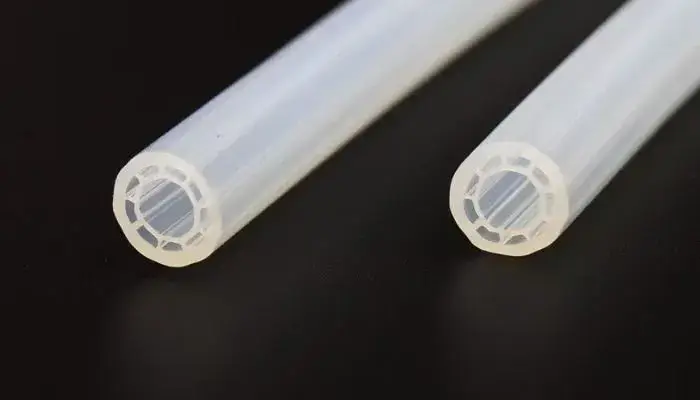
กระบวนการผลิตพลาสติกทำให้เกิดความร้อนปริมาณมากอย่างต่อเนื่อง
ตัวอย่างเช่น:
- การฉีดขึ้นรูปจะสร้างความร้อนในแม่พิมพ์ น้ำมันไฮดรอลิก และกระบอกสกรู
- สายการอัดรีดจะสร้างภาระความร้อนอย่างต่อเนื่องจากเครื่องทำความร้อนและแรงเสียดทาน
- ระบบการเป่าขึ้นรูปจำเป็นต้องทำให้แม่พิมพ์เย็นลงอย่างรวดเร็ว
- สายการรีไซเคิลพลาสติกจะสร้างความร้อนระหว่างการซักและการอัดเป็นก้อน
หากไม่มีการระบายความร้อนที่เสถียร ผู้ผลิตอาจประสบปัญหา:
- รอบเวลานานขึ้น
- การเสียรูปของผลิตภัณฑ์
- ปัญหาการบิดเบี้ยวและการหดตัว
- ความไม่แน่นอนของมิติ
- คุณภาพพื้นผิวลดลง
- อุปกรณ์มีความร้อนสูงเกินไป
ในสายการผลิตอัตโนมัติความเร็วสูง ประสิทธิภาพการทำความเย็นส่งผลโดยตรงต่อประสิทธิภาพการผลิตและความสามารถในการทำกำไร
สำหรับโรงงานพลาสติกหลายแห่ง การลดเวลาการหล่อเย็นของแม่พิมพ์ลงแม้แต่ 1-2 วินาทีจะช่วยเพิ่มผลผลิตต่อปีได้อย่างมาก
ชิลเลอร์อุตสาหกรรมขจัดความร้อนได้อย่างไร
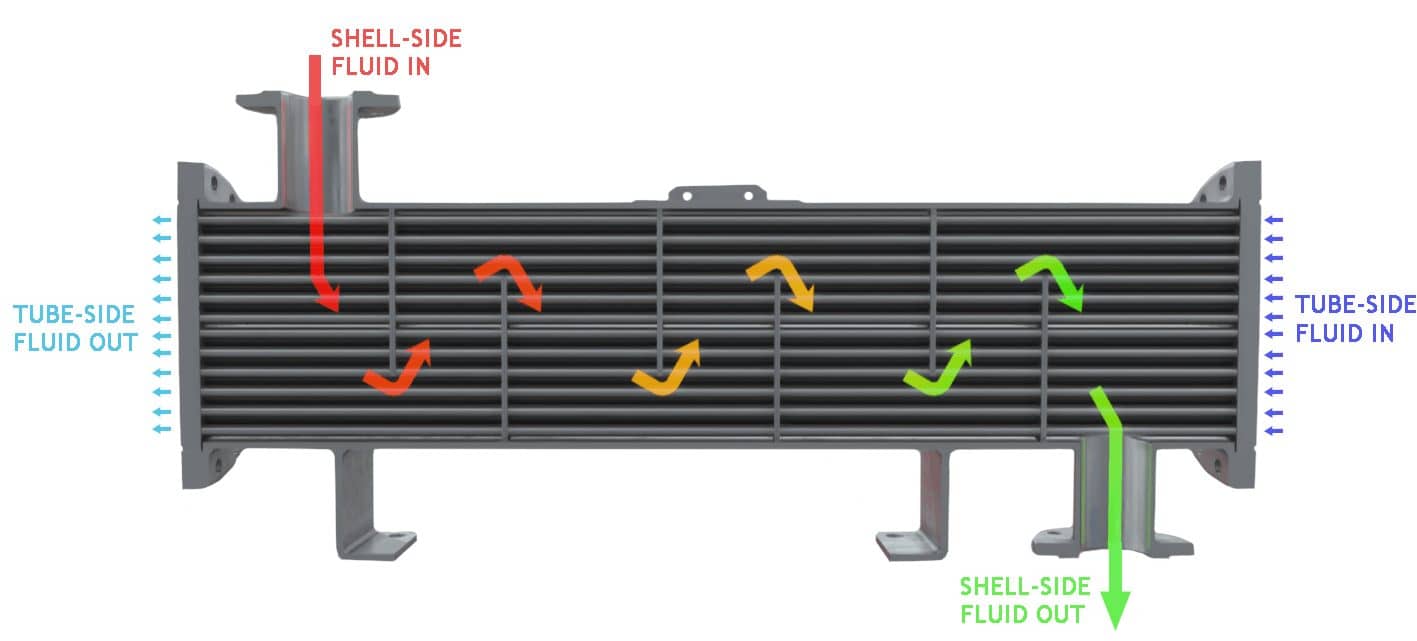
เครื่องทำความเย็นอุตสาหกรรมทำงานโดยการถ่ายเทความร้อนออกจากกระบวนการผ่านวงจรการทำความเย็น
หลักการทำความเย็นขั้นพื้นฐานคือ:
ถาม= มคดีต
ที่ไหน:
- (Q) = ความร้อนที่ถูกขจัดออกไป
- (m) = อัตราการไหลของมวลน้ำหล่อเย็น
- (c) = ความจุความร้อนจำเพาะ
- -ดีต) = ความแตกต่างของอุณหภูมิ
ความแตกต่างที่สำคัญระหว่างเครื่องทำความเย็นแบบระบายความร้อนด้วยอากาศและระบายความร้อนด้วยน้ำอยู่ที่วิธีที่เครื่องทำความเย็นระบายความร้อนจากด้านคอนเดนเซอร์ของระบบทำความเย็น
ชิลเลอร์ระบายความร้อนด้วยอากาศ: วิธีการทำงาน
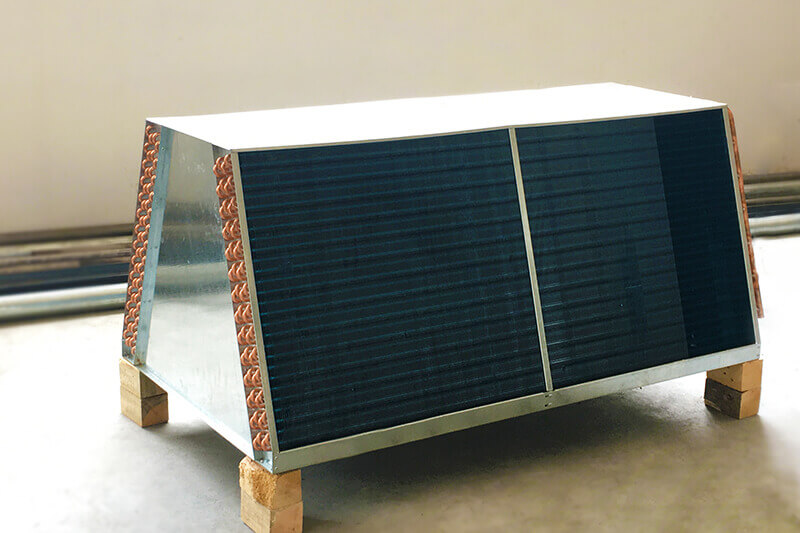
ชิลเลอร์ระบายความร้อนด้วยอากาศจะขจัดความร้อนโดยใช้อากาศโดยรอบ
สารทำความเย็นจะถ่ายเทความร้อนไปยังคอยล์คอนเดนเซอร์ ในขณะที่พัดลมตามแนวแกนจะบังคับอากาศภายนอกผ่านคอยล์เพื่อกระจายความร้อนสู่สิ่งแวดล้อม
โดยทั่วไประบบจะประกอบด้วย:
- คอมเพรสเซอร์
- คอนเดนเซอร์ระบายความร้อนด้วยอากาศ
- วาล์วขยายตัว
- เครื่องระเหย
- พัดลมคอนเดนเซอร์แบบแกน
เนื่องจากไม่จำเป็นต้องใช้คูลลิ่งทาวเวอร์ ระบบระบายความร้อนด้วยอากาศจึงติดตั้งได้ง่าย
ข้อดีของเครื่องทำความเย็นแบบระบายความร้อนด้วยอากาศในอุตสาหกรรมพลาสติก

การติดตั้งที่ง่ายขึ้น
ชิลเลอร์ระบายความร้อนด้วยอากาศไม่ต้องการ:
- หอทำความเย็น
- ปั๊มน้ำคอนเดนเซอร์
- ระบบบำบัดน้ำ
- เครือข่ายท่อที่ซับซ้อน
ซึ่งจะช่วยลดความซับซ้อนในการติดตั้งและต้นทุนโครงสร้างพื้นฐานเริ่มต้น
สำหรับโรงงานพลาสติกขนาดเล็กและขนาดกลาง สิ่งนี้มักเป็นข้อได้เปรียบที่สำคัญ
ข้อกำหนดการบำรุงรักษาที่ต่ำกว่า
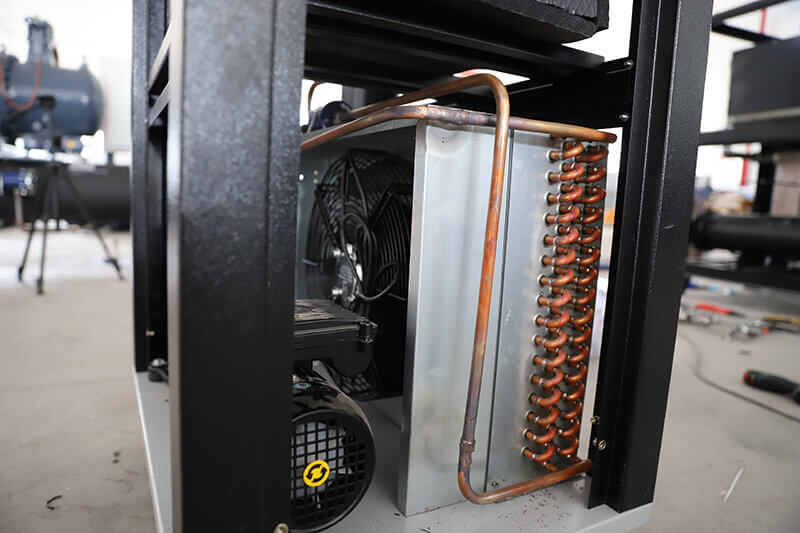
เนื่องจากไม่มีวงจรน้ำคอนเดนเซอร์ ระบบระบายความร้อนด้วยอากาศจึงหลีกเลี่ยงปัญหาต่างๆ เช่น:
- การสะสมขนาด
- การปนเปื้อนของคูลลิ่งทาวเวอร์
- การบำรุงรักษาบำบัดน้ำ
- ความเปรอะเปื้อนทางชีวภาพ
การบำรุงรักษาตามปกติโดยทั่วไปจะง่ายกว่าและใช้แรงงานน้อยกว่า
ดีกว่าสำหรับภาระการทำความเย็นที่น้อยลง
โดยทั่วไปแล้ว ชิลเลอร์ระบายความร้อนด้วยอากาศจะประหยัดที่สุดสำหรับ:
| โหลดความเย็น | ความเหมาะสมที่แนะนำ |
|---|---|
| <50 กิโลวัตต์ | ยอดเยี่ยม |
| 50–150 กิโลวัตต์ | เหมาะมาก |
| 150–300 กิโลวัตต์ | มีเงื่อนไข |
| >300 กิโลวัตต์ | มักจะประหยัดน้อยกว่า |
ทำให้เหมาะสำหรับ:
- เวิร์คช็อปการฉีดขึ้นรูปขนาดเล็ก
- เครื่องขึ้นรูปอิสระ
- ห้องปฏิบัติการพลาสติก
- ระบบระบายความร้อนแบบกระจายอำนาจ
เค้าโครงโรงงานที่ยืดหยุ่น
ชิลเลอร์ระบายความร้อนด้วยอากาศมักจะสามารถติดตั้งภายนอกอาคารได้โดยไม่ต้องมีโครงสร้างพื้นฐานด้านสาธารณูปโภคเพิ่มเติม
สิ่งนี้มีประโยชน์อย่างยิ่งสำหรับ:
- โรงงานให้เช่า
- การขยายการผลิตอย่างรวดเร็ว
- สิ่งอำนวยความสะดวกที่มีการเข้าถึงสาธารณูปโภคที่จำกัด
- พืชที่ไม่มีหอทำความเย็น
ข้อจำกัดทางเทคนิคของเครื่องทำความเย็นแบบระบายความร้อนด้วยอากาศ
การพึ่งพาอุณหภูมิโดยรอบ
ประสิทธิภาพของคอนเดนเซอร์ระบายความร้อนด้วยอากาศขึ้นอยู่กับอุณหภูมิอากาศภายนอกโดยตรง
ในสภาพอากาศในฤดูร้อน:
- อุณหภูมิแวดล้อมอาจเกิน 35–40°C
- อุณหภูมิควบแน่นจะสูงขึ้นอย่างรวดเร็ว
- แรงดันหัวคอมเพรสเซอร์เพิ่มขึ้น
- ประสิทธิภาพการทำความเย็นลดลง
สิ่งนี้นำไปสู่การใช้ไฟฟ้าที่สูงขึ้นในช่วงอุณหภูมิสูงสุด
ประสิทธิภาพการใช้พลังงานลดลงในขนาดใหญ่
อากาศมีความสามารถในการถ่ายเทความร้อนค่อนข้างต่ำเมื่อเปรียบเทียบกับน้ำ
ในทางเทคนิค:
- ค่าการนำความร้อนของน้ำสูงกว่าอากาศประมาณ 25 เท่า
- ความจุความร้อนตามปริมาตรของน้ำสูงกว่าอากาศประมาณ 3,500 เท่า
เมื่อภาระการทำความเย็นเพิ่มขึ้น ระบบระบายความร้อนด้วยอากาศจะมีประสิทธิภาพลดลงเรื่อยๆ
ระบบขนาดใหญ่ต้องการ:
- พื้นผิวคอนเดนเซอร์ที่ใหญ่ขึ้น
- พลังพัดลมมากขึ้น
- พื้นที่ติดตั้งที่ใหญ่ขึ้น
ความคงตัวของอุณหภูมิลดลง
กระบวนการพลาสติก เช่น การฉีดขึ้นรูปแบบแม่นยำอาจต้องการการระบายความร้อนที่เสถียรภายใน:
- ±1°C สำหรับการขึ้นรูปมาตรฐาน
- ±0.5°C สำหรับการขึ้นรูปที่แม่นยำ
- ±0.1–0.3°C สำหรับการใช้งานด้านแสงหรือพลาสติกทางการแพทย์
ระบบระบายความร้อนด้วยอากาศจะตอบสนองช้ากว่าต่อการเปลี่ยนแปลงโหลดที่รวดเร็ว เนื่องจากอากาศมีความเฉื่อยทางความร้อนต่ำ
สิ่งนี้สามารถสร้างความผันผวนของอุณหภูมิในระหว่างรอบการผลิตแบบไดนามิก
ชิลเลอร์ระบายความร้อนด้วยน้ำ: วิธีการทำงาน
ชิลเลอร์ระบายความร้อนด้วยน้ำใช้น้ำหล่อเย็นแทนอากาศโดยรอบเพื่อขจัดความร้อนของคอนเดนเซอร์
ความร้อนถูกถ่ายเทผ่าน:
- วงจรน้ำคอนเดนเซอร์
- หอทำความเย็น
- แผ่นแลกเปลี่ยนความร้อน
- ระบบหมุนเวียนน้ำเย็น
โรงงานพลาสติกขนาดใหญ่ส่วนใหญ่ใช้ระบบทำความเย็นด้วยน้ำแบบรวมศูนย์
ข้อดีของชิลเลอร์ระบายความร้อนด้วยน้ำในอุตสาหกรรมพลาสติก
ประสิทธิภาพการใช้พลังงานที่สูงขึ้น
ระบบระบายความร้อนด้วยน้ำรักษาอุณหภูมิควบแน่นต่ำกว่าระบบระบายความร้อนด้วยอากาศ
สภาพการทำงานทั่วไป:
| ประเภทของระบบ | อุณหภูมิควบแน่นทั่วไป |
|---|---|
| ระบายความร้อนด้วยอากาศ | 45–55°ซ |
| ระบายความร้อนด้วยน้ำ | 28–35°ซ |
อุณหภูมิควบแน่นที่ต่ำลงช่วยปรับปรุงได้อย่างมาก:
- ประสิทธิภาพของคอมเพรสเซอร์
- COP (สัมประสิทธิ์การปฏิบัติงาน)
- EER (อัตราส่วนประสิทธิภาพพลังงาน)
สำหรับโรงงานที่ดำเนินงานตลอด 24 ชั่วโมงทุกวัน การประหยัดพลังงานอาจเกิดขึ้นได้มาก
ดีกว่าสำหรับภาระการทำความเย็นขนาดใหญ่
ชิลเลอร์ระบายความร้อนด้วยน้ำมีความประหยัดมากขึ้นข้างต้น:
| โหลดความเย็น | ความได้เปรียบทางเศรษฐกิจ |
|---|---|
| <100 กิโลวัตต์ | มักจะนิยมระบายความร้อนด้วยอากาศ |
| 100–300 กิโลวัตต์ | ขึ้นอยู่กับรันไทม์และสภาพอากาศ |
| 300 กิโลวัตต์-1 เมกะวัตต์ | ระบายความร้อนด้วยน้ำได้เปรียบมากขึ้น |
| >1 เมกะวัตต์ | ระบายความร้อนด้วยน้ำเป็นที่ต้องการอย่างมาก |
นี่คือเหตุผลว่าทำไมโรงงานฉีดขึ้นรูปขนาดใหญ่จึงใช้ระบบระบายความร้อนด้วยน้ำแบบรวมศูนย์เกือบทุกครั้ง
กระบวนการทำความเย็นที่เสถียรยิ่งขึ้น
ระบบน้ำมีความเฉื่อยทางความร้อนมากกว่าระบบอากาศ
ซึ่งจะช่วยปรับปรุงเสถียรภาพในระหว่าง:
- รอบการฉีดขึ้นรูปอย่างรวดเร็ว
- ความผันผวนของภาระการอัดขึ้นรูป
- การทำงานพร้อมกันหลายเครื่อง
ระบบระบายความร้อนด้วยน้ำจึงเหมาะสมกว่าสำหรับการผลิตพลาสติกที่มีความแม่นยำ
รอยเท้าในร่มที่เล็กลง
เครื่องชิลเลอร์ระบายความร้อนด้วยอากาศขนาดใหญ่ต้องการพื้นที่ผิวคอนเดนเซอร์และพื้นที่ไหลเวียนของอากาศจำนวนมาก
ชิลเลอร์ระบายความร้อนด้วยน้ำมักจะมี:
- รอยเท้าเครื่องเล็กลง
- ความสามารถในการขยายขนาดที่ดีขึ้น
- การติดตั้งภายในอาคารที่ง่ายขึ้น
สิ่งนี้กลายเป็นสิ่งสำคัญในสภาพแวดล้อมการผลิตที่มีความหนาแน่นสูง
ความท้าทายทางเทคนิคของเครื่องทำความเย็นแบบระบายความร้อนด้วยน้ำ
ต้นทุนโครงสร้างพื้นฐานเริ่มต้นที่สูงขึ้น
ระบบระบายความร้อนด้วยน้ำต้องมีอุปกรณ์เพิ่มเติม:
- หอทำความเย็น
- ปั๊ม
- ท่อน้ำ
- ระบบบำบัดน้ำ
ต้นทุนการติดตั้งเบื้องต้นจึงสูงกว่า
การจัดการคุณภาพน้ำ
คุณภาพน้ำที่ไม่ดีอาจทำให้:
- การสะสมขนาด
- การกัดกร่อน
- ประสิทธิภาพการถ่ายเทความร้อนลดลง
- การอุดตันของคอนเดนเซอร์
การบำบัดน้ำเป็นประจำเป็นสิ่งจำเป็นสำหรับการรักษาประสิทธิภาพในระยะยาว
การบำรุงรักษาที่ซับซ้อนมากขึ้น
เมื่อเปรียบเทียบกับระบบระบายความร้อนด้วยอากาศ โรงงานระบายความร้อนด้วยน้ำจำเป็นต้องมีการบำรุงรักษาสำหรับ:
- หอทำความเย็น
- ปั๊มน้ำ
- วาล์ว
- เครื่องแลกเปลี่ยนความร้อน
- ระบบเคมีน้ำ
สิ่งนี้จะเพิ่มข้อกำหนดด้านการจัดการการปฏิบัติงาน
กระบวนการพลาสติกใดที่ต้องการน้ำหล่อเย็น?
ชิลเลอร์ระบายความร้อนด้วยน้ำเป็นที่นิยมโดยทั่วไปสำหรับ:
โรงงานฉีดขึ้นรูปขนาดใหญ่
โดยเฉพาะสิ่งอำนวยความสะดวกที่ดำเนินงาน:
- เครื่องปั้นมากกว่า 20 เครื่อง
- การผลิตตลอด 24/7
- แม่พิมพ์ที่มีโพรงอากาศสูง
- การผลิตพลาสติกยานยนต์
สายการอัดรีด
การอัดขึ้นรูปจะสร้างภาระความร้อนอย่างต่อเนื่อง ทำให้ระบบระบายความร้อนด้วยน้ำประหยัดพลังงานมากขึ้นในช่วงเวลาการทำงานที่ยาวนาน
การผลิตพลาสติกที่มีความแม่นยำ
การใช้งานเช่น:
- พลาสติกทางการแพทย์
- เลนส์สายตา
- ส่วนประกอบอิเล็กทรอนิกส์
- บรรจุภัณฑ์แบบผนังบาง
มักต้องการอุณหภูมิแม่พิมพ์ที่มีความเสถียรสูง
กระบวนการพลาสติกใดที่ต้องการการระบายความร้อนด้วยอากาศ
ชิลเลอร์ระบายความร้อนด้วยอากาศมักใช้สำหรับ:
การประชุมเชิงปฏิบัติการการฉีดขึ้นรูปขนาดเล็ก
โดยเฉพาะอย่างยิ่งที่:
- ขนาดการผลิตมีจำกัด
- โครงสร้างพื้นฐานด้านสาธารณูปโภคนั้นเรียบง่าย
- จำเป็นต้องติดตั้งอย่างรวดเร็ว
ระบบระบายความร้อนด้วยเครื่องจักรอิสระ
ระบบระบายความร้อนด้วยอากาศทำงานได้ดีสำหรับ:
- เครื่องปั้นแบบสแตนด์อโลน
- อุปกรณ์ห้องปฏิบัติการ
- สายการผลิตนำร่อง
โรงงานในพื้นที่จำกัดการใช้น้ำ
บางภูมิภาคเผชิญกับ:
- ค่าน้ำสูง
- การขาดแคลนน้ำ
- ข้อจำกัดในการปล่อยสิ่งแวดล้อม
ระบบระบายความร้อนด้วยอากาศจึงอาจใช้งานได้จริงมากกว่า
การเปรียบเทียบการใช้พลังงาน
ในการดำเนินงานของโรงงานจริง ความแตกต่างมีนัยสำคัญ
สำหรับการผลิตทางอุตสาหกรรมอย่างต่อเนื่อง:
| ด้าน | เครื่องทำความเย็นน้ำเย็น | ชิลเลอร์ระบายความร้อนด้วยอากาศ | หมายเหตุ |
|---|---|---|---|
| การผลิตภาคอุตสาหกรรมอย่างต่อเนื่อง | โดยปกติจะบริโภค ไฟฟ้าน้อยลง 15–30% | ปริมาณการใช้ไฟฟ้าที่สูงขึ้น | ช่องว่างด้านประสิทธิภาพจะกว้างขึ้นตามภาระการทำความเย็นที่มากขึ้น |
| ขนาดภาระการทำความเย็น | ประหยัดเพิ่มขึ้นเมื่อภาระการทำความเย็นเพิ่มขึ้น | พลังงานจะเพิ่มขึ้นเร็วขึ้นภายใต้ภาระหนัก | เหมาะกว่าสำหรับสายการผลิตขนาดใหญ่ที่มีปริมาณงานสูง |
| อากาศร้อน | มีการขยายความได้เปรียบด้านประสิทธิภาพ | ประสิทธิภาพลดลงอย่างมาก | ระบบระบายความร้อนด้วยน้ำได้รับผลกระทบจากอุณหภูมิแวดล้อมน้อยลง |
| สายการผลิตขนาดเล็ก/ไม่ต่อเนื่อง | ต้นทุนโครงสร้างพื้นฐานที่สูงขึ้นอาจชดเชยการประหยัดพลังงานได้ | ลงทุนเริ่มแรกน้อยกว่า เหมาะกับกรณีเช่นนี้มากกว่า | การตัดสินใจขึ้นอยู่กับความถี่ในการใช้งานและความประหยัดของวงจรการใช้งาน |
| คำแนะนำโดยรวม | ดำเนินการ การวิเคราะห์ต้นทุนตลอดอายุการใช้งาน – ไม่ใช่แค่ราคาอุปกรณ์ | คำแนะนำเดียวกัน | รวมถึงพลังงาน การบำรุงรักษา การติดตั้ง พื้นที่ และอายุการใช้งาน |
อย่างไรก็ตาม สำหรับสายการผลิตขนาดเล็กที่ไม่ต่อเนื่อง ต้นทุนโครงสร้างพื้นฐานของระบบระบายความร้อนด้วยน้ำอาจมีค่ามากกว่าการประหยัดพลังงาน
นี่คือสาเหตุที่การวิเคราะห์ต้นทุนตลอดอายุการใช้งานมีความสำคัญมากกว่าการเปรียบเทียบราคาอุปกรณ์เริ่มต้นเพียงอย่างเดียว
วิธีการเลือกเครื่องทำความเย็นที่เหมาะสม
เมื่อเลือกเครื่องทำความเย็นสำหรับการแปรรูปพลาสติก ผู้ผลิตควรประเมิน:
- โหลดการทำความเย็นทั้งหมด
- จำนวนเครื่อง
- ตารางการผลิต
- สภาพภูมิอากาศโดยรอบ
- ความแม่นยำของอุณหภูมิที่ต้องการ
- ความพร้อมของน้ำ
- แผนการขยายโรงงาน
- โครงสร้างต้นทุนพลังงาน
โดยทั่วไป:
- ระบบระบายความร้อนด้วยอากาศเหมาะสำหรับการใช้งานแบบกระจายศูนย์กลางขนาดเล็กถึงขนาดกลาง
- ระบบระบายความร้อนด้วยน้ำประหยัดกว่าสำหรับการผลิตต่อเนื่องขนาดใหญ่
ทางออกที่ดีที่สุดขึ้นอยู่กับสภาพการทำงานในระยะยาว มากกว่าราคาอุปกรณ์เพียงอย่างเดียว
บทสรุป
ทั้งเครื่องทำความเย็นแบบระบายความร้อนด้วยอากาศและระบายความร้อนด้วยน้ำมีบทบาทสำคัญในอุตสาหกรรมพลาสติก แต่ได้รับการปรับให้เหมาะกับสภาพแวดล้อมการทำงานที่แตกต่างกัน
เครื่องทำความเย็นแบบระบายความร้อนด้วยอากาศให้การติดตั้งที่ง่ายกว่า ความต้องการโครงสร้างพื้นฐานที่ต่ำกว่า และความยืดหยุ่นที่แข็งแกร่งสำหรับสิ่งอำนวยความสะดวกขนาดเล็กและอุปกรณ์แบบสแตนด์อโลน
ชิลเลอร์ระบายความร้อนด้วยน้ำให้ประสิทธิภาพการใช้พลังงานที่เหนือกว่า ความเสถียรทางความร้อน และความสามารถในการปรับขนาดสำหรับโรงงานผลิตพลาสติกขนาดใหญ่ที่ทำงานอย่างต่อเนื่องภายใต้ภาระความร้อนสูง
เนื่องจากการแปรรูปพลาสติกมุ่งไปสู่ระบบอัตโนมัติที่สูงขึ้น รอบเวลาเร็วขึ้น และประสิทธิภาพการใช้พลังงานที่มากขึ้น การเลือกระบบทำความเย็นทางอุตสาหกรรมที่เหมาะสมจึงมีความสำคัญมากขึ้นในการรักษาคุณภาพของผลิตภัณฑ์และการควบคุมต้นทุนการผลิต
