

 Портативный чиллер
 Чиллер с воздушным охлаждением
 Чиллер с водяным охлаждением
 Низкотемпературный чиллер
 Промышленный чиллер на заказ


В промышленности пластмасс контроль температуры напрямую влияет на качество продукции, эффективность производства, время цикла и надежность оборудования. Будь то литье под давлением, экструзия, выдувное формование, термоформование или переработка пластмасс, промышленные охладители необходимы для отвода технологического тепла и поддержания стабильных рабочих условий.
Одним из наиболее распространенных инженерных решений на заводах по переработке пластмасс является выбор между чиллерами с воздушным и водяным охлаждением.
На первый взгляд обе системы выполняют одну и ту же основную функцию: отводят тепло от форм, гидравлических систем, бочек или технологического оборудования. Однако их принципы работы, энергоэффективность, требования к установке и долгосрочные эксплуатационные расходы существенно различаются.
Правильный выбор зависит от множества факторов, включая охлаждающую нагрузку, заводскую инфраструктуру, окружающий климат, график работы и масштаб производства.
В этой статье объясняются технические различия между чиллерами с воздушным и водяным охлаждением в промышленности по производству пластмасс, в том числе о том, где каждая система работает лучше всего и какие диапазоны охлаждающей способности являются наиболее экономичными.
Почему чиллеры имеют решающее значение в переработке пластмасс

Процессы производства пластмасс постоянно выделяют большое количество тепла.
Например:
- Литье под давлением генерирует тепло в формах, гидравлическом масле и шнековых цилиндрах.
- Экструзионные линии создают постоянные тепловые нагрузки от нагревателей и трения.
- Системы выдувного формования требуют быстрого охлаждения формы.
- Линии по переработке пластика выделяют тепло во время мойки и гранулирования.
Без стабильного охлаждения производители могут столкнуться с:
- Более длительное время цикла
- Деформация продукта
- Проблемы коробления и усадки
- Нестабильность размеров
- Снижение качества поверхности
- Перегрев оборудования
На высокоскоростных автоматизированных производственных линиях эффективность охлаждения напрямую влияет на производительность и прибыльность.
Для многих заводов по производству пластмасс сокращение времени охлаждения формы даже на 1–2 секунды может значительно увеличить годовой объем производства.
Как промышленные чиллеры отводят тепло
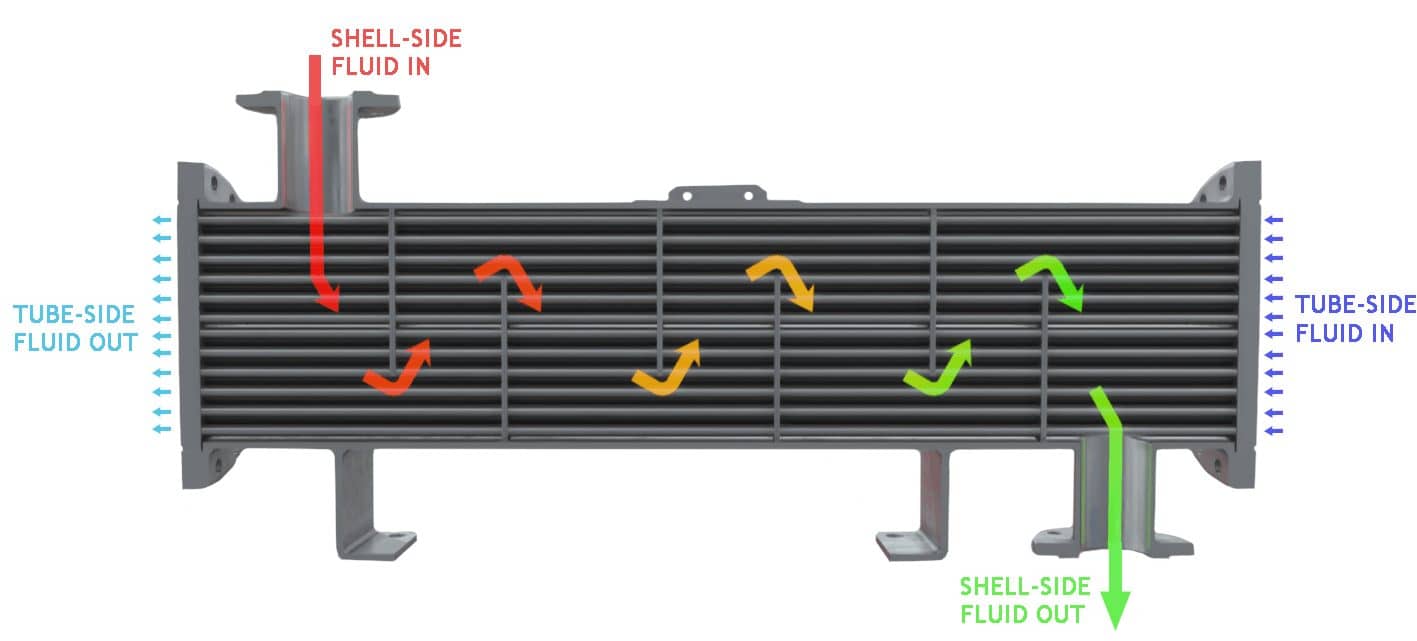
Промышленные охладители работают путем передачи тепла от процесса через цикл охлаждения.
Основной принцип охлаждения:
Q = мсДТ
Где:
- (Q) = тепло отведено
- (м) = массовый расход охлаждающей жидкости
- (c) = удельная теплоемкость
- (ДТ) = разница температур
Основное различие между чиллерами с воздушным и водяным охлаждением заключается в том, как они отводят тепло со стороны конденсатора холодильной системы.
Чиллеры с воздушным охлаждением: как они работают
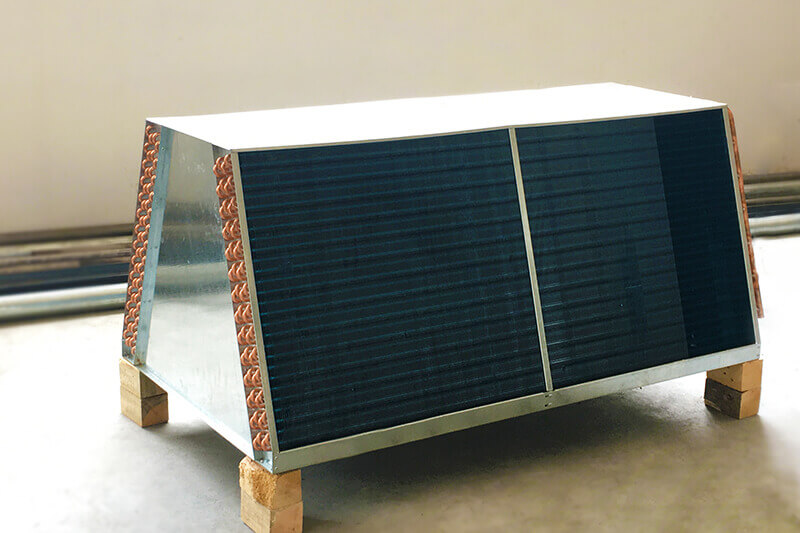
Чиллеры с воздушным охлаждением отводят тепло, используя окружающий воздух.
Хладагент передает тепло змеевикам конденсатора, а осевые вентиляторы прогоняют наружный воздух через змеевики, рассеивая тепло в окружающую среду.
Система обычно включает в себя:
- компрессор
- Конденсатор с воздушным охлаждением
- Расширительный клапан
- Испаритель
- Осевые конденсаторные вентиляторы
Поскольку градирня не требуется, системы с воздушным охлаждением относительно просты в установке.
Преимущества чиллеров с воздушным охлаждением в индустрии пластмасс

Более простая установка
Чиллеры с воздушным охлаждением не требуют:
- Градирни
- Конденсаторные водяные насосы
- Системы очистки воды
- Сложные трубопроводные сети
Это снижает сложность установки и первоначальные затраты на инфраструктуру.
Для малых и средних заводов по производству пластмасс это часто является большим преимуществом.
Более низкие требования к техническому обслуживанию
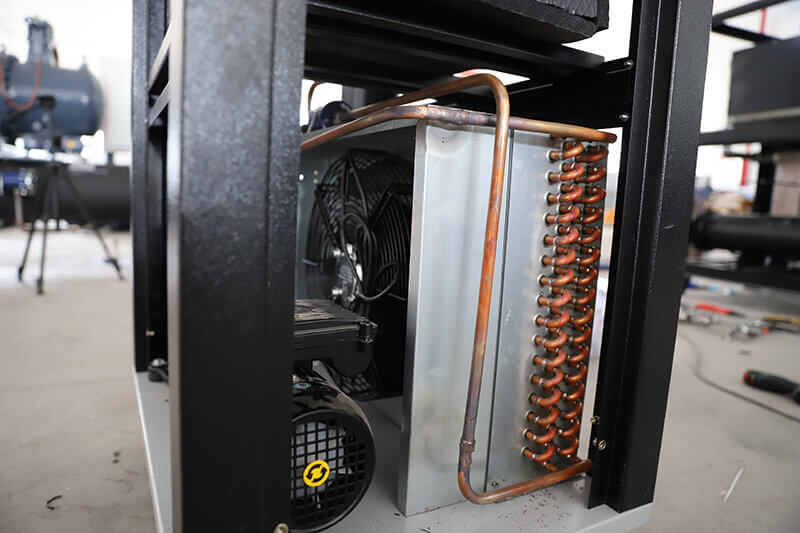
Поскольку водяной контур конденсатора отсутствует, системы с воздушным охлаждением позволяют избежать таких проблем, как:
- Наращивание масштаба
- Загрязнение градирни
- Обслуживание водоподготовки
- Биологическое загрязнение
Регулярное техническое обслуживание, как правило, проще и менее трудоемко.
Лучше для небольших холодильных нагрузок
Чиллеры с воздушным охлаждением обычно наиболее экономичны для:
| Охлаждающая нагрузка | Рекомендуемая пригодность |
|---|---|
| <50 кВт | Отличный |
| 50–150 кВт | Очень подходит |
| 150–300 кВт | Условный |
| >300 кВт | Обычно менее экономично |
Это делает их идеальными для:
- Небольшие литьевые цеха
- Независимые формовочные машины
- Пластиковые лаборатории
- Децентрализованные системы охлаждения
Гибкая планировка завода
Чиллеры с воздушным охлаждением часто можно устанавливать на открытом воздухе без дополнительной инженерной инфраструктуры.
Это особенно полезно для:
- Аренда заводов
- Быстрое расширение производства
- Объекты с ограниченным доступом к инженерным сетям
- Установки без градирен
Технические ограничения чиллеров с воздушным охлаждением
Зависимость от температуры окружающей среды
Производительность конденсатора с воздушным охлаждением напрямую зависит от температуры наружного воздуха.
В летних условиях:
- Температура окружающей среды может превышать 35–40°C.
- Температура конденсации резко возрастает
- Давление напора компрессора увеличивается
- Эффективность охлаждения падает
Это приводит к увеличению потребления электроэнергии во время пиковых температур.
Низкая энергоэффективность в больших масштабах
Воздух имеет относительно низкую способность к теплопередаче по сравнению с водой.
Технически:
- Теплопроводность воды примерно в 25 раз выше, чем у воздуха.
- Объемная теплоемкость воды примерно в 3500 раз выше, чем у воздуха.
По мере увеличения охлаждающей нагрузки системы с воздушным охлаждением становятся все менее эффективными.
Большие системы требуют:
- Большие поверхности конденсатора
- Больше мощности вентилятора
- Большая площадь установки
Пониженная температурная стабильность
Пластические процессы, такие как прецизионное литье под давлением, могут потребовать стабильного охлаждения внутри:
- ±1°C для стандартного формования
- ±0,5°C для точного формования
- ±0,1–0,3°C для оптических или медицинских пластиковых изделий.
Системы с воздушным охлаждением медленнее реагируют на быстрые изменения нагрузки, поскольку воздух имеет низкую тепловую инерцию.
Это может вызвать колебания температуры во время динамических производственных циклов.
Чиллеры с водяным охлаждением: как они работают
Чиллеры с водяным охлаждением используют охлаждающую воду вместо окружающего воздуха для отвода тепла из конденсатора.
Тепло передается через:
- Водяные контуры конденсатора
- Градирни
- Пластинчатые теплообменники
- Системы циркуляции охлажденной воды
Большинство крупных заводов по производству пластмасс используют централизованные системы охлаждения с водяным охлаждением.
Преимущества чиллеров с водяным охлаждением в индустрии пластмасс
Более высокая энергоэффективность
Системы с водяным охлаждением поддерживают более низкие температуры конденсации, чем системы с воздушным охлаждением.
Типичные условия эксплуатации:
| Тип системы | Типичная температура конденсации |
|---|---|
| с воздушным охлаждением | 45–55°С |
| С водяным охлаждением | 28–35°С |
Более низкая температура конденсации значительно улучшает:
- Эффективность компрессора
- COP (коэффициент производительности)
- EER (коэффициент энергоэффективности)
Для заводов, работающих круглосуточно и без выходных, экономия энергии может быть существенной.
Лучше для больших холодильных нагрузок
Чиллеры с водяным охлаждением становятся все более экономичными, если:
| Охлаждающая нагрузка | Экономическое преимущество |
|---|---|
| <100 кВт | Обычно предпочтительно воздушное охлаждение |
| 100–300 кВт | Зависит от времени работы и климата |
| 300 кВт–1 МВт | Водяное охлаждение становится все более выгодным |
| >1 МВт | Водяное охлаждение настоятельно предпочтительнее |
Вот почему крупные предприятия по литью под давлением почти всегда используют централизованные системы водяного охлаждения.
Более стабильное технологическое охлаждение
Водяные системы имеют большую тепловую инерцию, чем воздушные системы.
Это повышает стабильность во время:
- Быстрые циклы литья под давлением
- Колебания нагрузки экструзии
- Одновременная работа нескольких машин
Поэтому системы с водяным охлаждением лучше подходят для прецизионного производства пластмасс.
Меньшая занимаемая площадь в помещении
Большие чиллеры с воздушным охлаждением требуют значительной площади поверхности конденсатора и пространства для воздушного потока.
Чиллеры с водяным охлаждением часто имеют:
- Меньшая занимаемая площадь машины
- Лучшая масштабируемость
- Более простая установка внутри помещения
Это становится важным в производственных средах с высокой плотностью размещения.
Технические проблемы чиллеров с водяным охлаждением
Более высокие первоначальные затраты на инфраструктуру
Системы с водяным охлаждением требуют дополнительного оборудования:
- Градирни
- Насосы
- Водопровод
- Системы очистки воды
Поэтому первоначальная стоимость установки выше.
Управление качеством воды
Плохое качество воды может привести к:
- Наращивание масштаба
- Коррозия
- Снижение эффективности теплопередачи
- Засорение конденсатора
Регулярная очистка воды необходима для поддержания долгосрочной эффективности.
Более сложное обслуживание
По сравнению с системами с воздушным охлаждением, установки с водяным охлаждением требуют обслуживания для:
- Градирни
- Водяные насосы
- Клапаны
- Теплообменники
- Водно-химические системы
Это повышает требования к оперативному управлению.
Какие процессы пластика предпочитают водяное охлаждение?
Чиллеры с водяным охлаждением обычно предпочтительнее для:
Крупные литьевые установки
Особенно объекты, работающие:
- 20+ формовочных машин
- Производство 24/7
- Формы с высокой кавитацией
- Производство автомобильного пластика
Экструзионные линии
Экструзия создает постоянные тепловые нагрузки, что делает системы с водяным охлаждением более энергоэффективными в течение длительного времени работы.
Прецизионное производство пластмасс
Такие приложения, как:
- Медицинские пластмассы
- Оптические линзы
- Электронные компоненты
- Тонкостенная упаковка
часто требуют очень стабильной температуры формы.
Какие процессы пластмассы предпочитают воздушное охлаждение?
Чиллеры с воздушным охлаждением обычно используются для:
Небольшие мастерские по литью под давлением
Особенно где:
- Масштаб производства ограничен
- Коммунальная инфраструктура проста
- Нужна быстрая установка
Независимое охлаждение машины
Агрегаты с воздушным охлаждением хорошо подходят для:
- Автономные формовочные машины
- Лабораторное оборудование
- Пилотные производственные линии
Заводы в зонах с ограниченным доступом воды
Некоторые регионы сталкиваются с:
- Высокая стоимость воды
- Дефицит воды
- Ограничения на выбросы в окружающую среду
Поэтому системы с воздушным охлаждением могут быть более практичными.
Сравнение энергопотребления
В условиях реальной заводской эксплуатации разница существенна.
Для непрерывного промышленного производства:
| Аспект | Чиллер с водяным охлаждением | Чиллер с воздушным охлаждением | Примечания |
|---|---|---|---|
| Непрерывное промышленное производство | Обычно потребляет На 15–30 % меньше электроэнергии | Повышенное потребление электроэнергии | Разрыв в эффективности увеличивается с увеличением охлаждающей нагрузки |
| Размер охлаждающей нагрузки | Экономия увеличивается по мере роста холодильной нагрузки | Энергия возрастает быстрее при больших нагрузках | Лучше подходит для крупномасштабных производственных линий с высокой нагрузкой. |
| Жаркий климат | Преимущество в эффективности усиливается | Производительность значительно падает | Системы с водяным охлаждением менее подвержены влиянию температуры окружающей среды. |
| Небольшие/прерывистые производственные линии | Более высокая стоимость инфраструктуры может свести на нет экономию энергии | Меньшие первоначальные инвестиции, больше подходят для таких случаев | Решение зависит от частоты использования и экономики жизненного цикла. |
| Общая рекомендация | Выполнять анализ затрат жизненного цикла – не только цена оборудования | Та же рекомендация | Включает энергию, обслуживание, установку, пространство и срок службы. |
Однако для небольших производственных линий периодического действия стоимость инфраструктуры систем с водяным охлаждением может перевесить экономию энергии.
Вот почему анализ стоимости жизненного цикла более важен, чем сравнение только начальной цены оборудования.
Как выбрать правильный чиллер
При выборе чиллера для переработки пластмасс производители должны оценить:
- Общая охлаждающая нагрузка
- Количество машин
- График производства
- Окружающий климат
- Требуемая точность температуры
- Наличие воды
- Планы расширения завода
- Структура затрат на электроэнергию
В общем:
- Системы с воздушным охлаждением больше подходят для децентрализованных приложений малого и среднего бизнеса.
- Системы с водяным охлаждением более экономичны для крупномасштабного непрерывного производства.
Лучшее решение зависит от долгосрочных условий эксплуатации, а не только от цены оборудования.
Заключение
Чиллеры как с воздушным, так и с водяным охлаждением играют важную роль в индустрии пластмасс, но они оптимизированы для различных условий эксплуатации.
Чиллеры с воздушным охлаждением обеспечивают более простую установку, меньшие требования к инфраструктуре и высокую гибкость для небольших предприятий и автономного оборудования.
Чиллеры с водяным охлаждением обеспечивают превосходную энергоэффективность, термическую стабильность и масштабируемость для крупных заводов по производству пластмасс, работающих непрерывно при высоких тепловых нагрузках.
Поскольку обработка пластмасс движется в сторону более высокой автоматизации, сокращения времени цикла и повышения энергоэффективности, выбор правильной промышленной системы охлаждения становится все более важным для поддержания качества продукции и контроля производственных затрат.
