

 Портативный чиллер
 Чиллер с воздушным охлаждением
 Чиллер с водяным охлаждением
 Низкотемпературный чиллер
 Промышленный чиллер на заказ


При производстве печатных плат контроль температуры напрямую влияет на качество продукции, стабильность процесса и эффективность производства. В отличие от обычных промышленных систем охлаждения, производство печатных плат включает в себя несколько термочувствительных процессов, выполняемых одновременно, включая сверление с ЧПУ, гальваническое покрытие, травление, ламинирование, экспонирование и контроль AOI. Каждый процесс имеет разные тепловые характеристики, колебания нагрузки и требования к температурной стабильности.
Проблема управления температурным режимом при изготовлении печатных плат характеризуется многоточечная термомуфта, где соседнее технологическое оборудование может взаимно влиять на тепловую среду друг друга. Такое пространственное тепловое взаимодействие требует тщательного проектирования на уровне системы, а не изолированных решений по охлаждению на уровне оборудования.
По этой причине системы охлаждения печатных плат предназначены не только для отвода тепла. Их настоящая цель — поддерживать стабильную тепловую среду на протяжении всего производственного процесса, компенсируя как установившиеся тепловые нагрузки а также переходные тепловые возмущения.
В современном производстве печатных плат высокой плотности и HDI даже небольшие колебания температуры могут привести к отклонению размеров (обычно допуск ±0,02 мм для плат HDI), неравномерному нанесению меди, проблемам с целостностью сигнала или ошибкам многослойного выравнивания. Поскольку плотность плат и частота сигналов продолжают расти, системы охлаждения становятся частью самого технологического процесса, а не вспомогательного заводского оборудования.
Тепловые характеристики процессов производства печатных плат
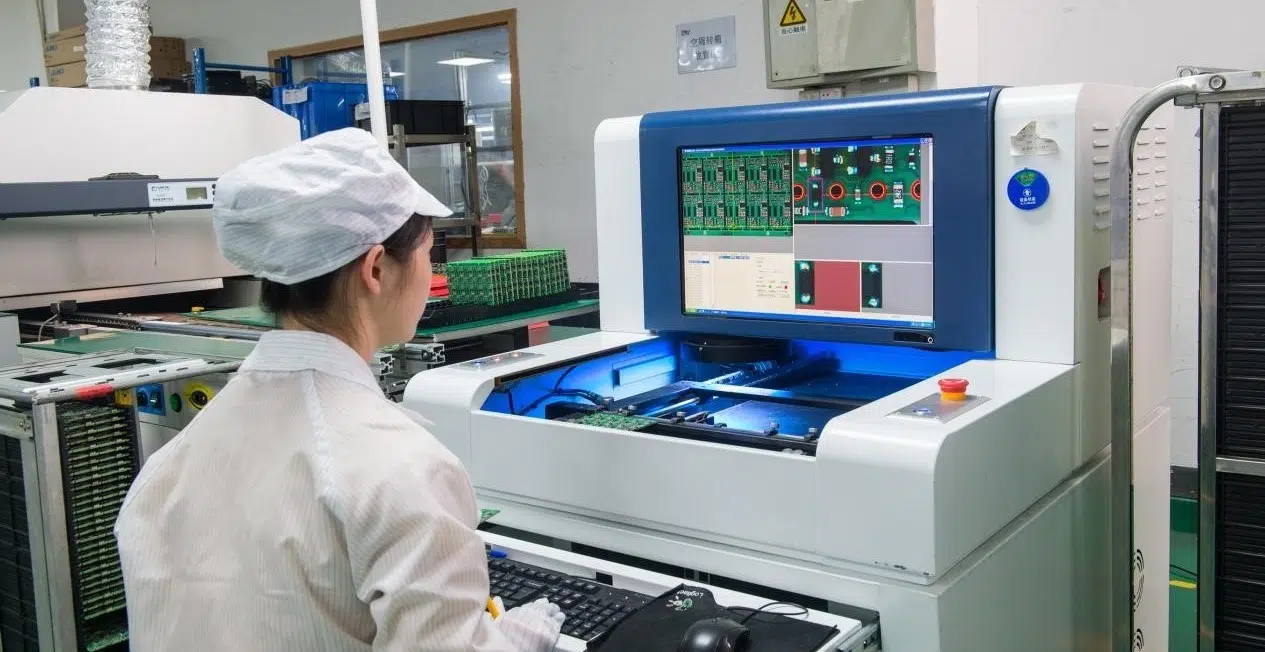
На разных этапах производства печатных плат тепло выделяется по-разному. Понимание этого теплового поведения, включая механизмы тепловыделения, тепловые постоянные времени и допустимые температурные диапазоны, является основой выбора правильного решения для охлаждения.
| Процесс печатной платы | Основной источник тепла | Цель охлаждения | Типичная тепловая нагрузка | Чувствительность к температуре | Допустимое изменение |
|---|---|---|---|---|---|
| Сверление с ЧПУ | Трение шпинделя, интерфейс бит-подложка | Уменьшить тепловое расширение | 1,5–4,0 кВт на шпиндель | Очень высокий | ±0,5°С |
| Гальваника | Фарадеевское сопротивление, джоулевой нагрев | Стабилизировать толщину покрытия | 8–25 кВт на бак (в зависимости от размера бака) | Чрезвычайно высокий | ±0,2–0,5°С |
| Офорт | Экзотермические химические реакции, воздействие распыления | Поддерживайте последовательность реакций | 3–12 кВт на секцию линии | Высокий | ±1,0°С |
| Ламинирование | Пресс-плиты, отверждение экзотермы | Предотвращение коробления платы, контроль профиля отверждения | 15–50 кВт на пресс | Высокий | ±2,0°C (однородность зоны) |
| Лазерное сверление (CO₂/УФ) | Отходящее тепло лазерного источника, аблированный материал | Защитите оптику, предотвратите переплавку смолы | 2–8 кВт на лазерный блок | Очень высокий | ±0,3°С |
| АОИ / Инспекция | Системы освещения, камеры, процессоры | Поддерживать стабильность оптического пути | 00,5–2,0 кВт на систему | Середина | ±2,0°С |
Термическая динамика в механическом бурении
В процессах механического сверления скорость шпинделя часто превышает 100 000 об/мин (обычно 120 000–200 000 об/мин для микросверления). Трение между сверлами и подложками печатных плат приводит к локализованному нагреву на границе сверл. Плотность теплового потока может достигать 10–50 Вт/мм² во время агрессивных циклов бурения.
Это локализованное тепловое воздействие создает две основные проблемы:
-
- Термомеханическое напряжение: Дифференциальное тепловое расширение между сверлом (обычно карбидом вольфрама с α ≈ 4,9×10⁻⁶/°C) и подложкой печатной платы (FR-4 с α ≈ 12–18×10⁻⁶/°C) вызывает микротрещины на стенках отверстия.
- Размазывание смолы**: повышенные температуры (обычно >150°C на кончике сверла) размягчают и оплавляют эпоксидную смолу, которая затем размазывается по стволу и стенкам отверстия, нарушая целостность стенок ствола.
Это становится особенно важным для плат HDI, где допуски на микроотверстия обычно невелики. ±0,020 мм (20 мкм), что требует температурной стабильности ниже 0,5°C в зоне сверления.
Термическая электрохимия в гальванике и травлении
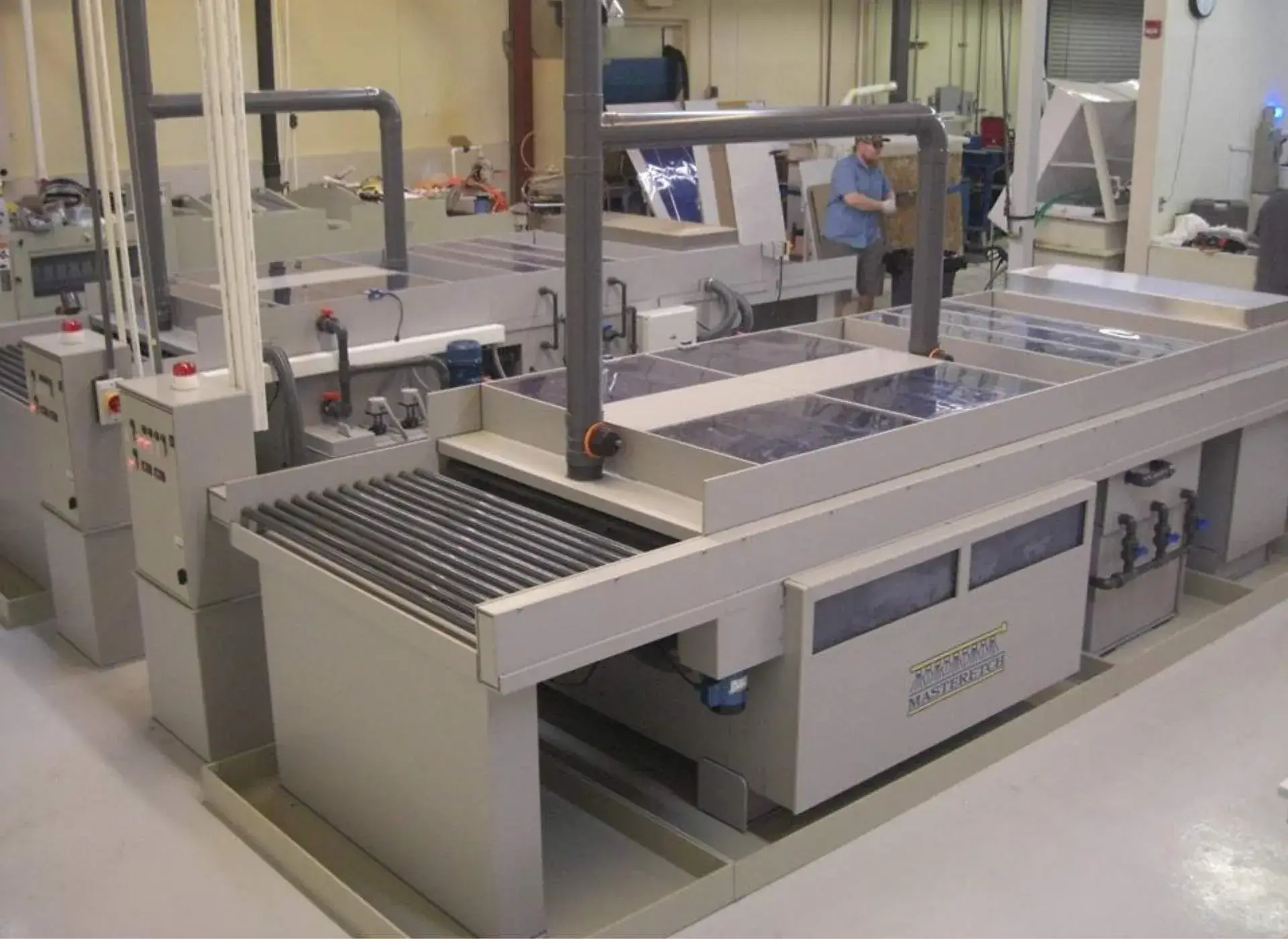
В линиях гальваники и травления термическое поведение в большей степени обусловлено химическими факторами. Температура напрямую влияет:
- Плотность тока обмена: Согласно уравнению Батлера-Фольмера, кинетика реакции экспоненциально зависит от температуры (обычно 2–3% на каждый градус Цельсия при осаждении меди).
- Проводимость электролита: Ионная проводимость увеличивается примерно на 2% при повышении температуры.
- Коэффициент диффузии: Скорость массового переноса увеличивается с температурой, что влияет на бросающую способность и однородность.
Чрезмерно высокие температуры могут временно повысить скорость реакции, но часто ухудшают консистенцию покрытия и стабильность процесса. Для кислотного меднения оптимальный температурный диапазон обычно составляет 22–28°С, с чувствительностью к скорости осаждения примерно ±0,05 мкм/мин на отклонение °C.
Термомеханические проблемы при ламинировании
Ламинирование создает еще один тип термической проблемы, связанной с температура стеклования (Tg) материала ламината. Во время нажатия:
- Ламинат нагревается выше температуры Tg (обычно 130–180°C для материалов с высокой Tg).
- Течение смолы и отверждение B-стадии происходят в узком температурном диапазоне.
- Неравномерное охлаждение после прессования создает температурные градиенты по толщине.
Остаточная термическая нагрузка из-за неравномерного охлаждения (обычно разница температур 5–15°C по всей панели) может привести к значения изгиба и скручивания превышают 0,5%, что приводит к проблемам с последующей регистрацией в процессах бурения и построения изображений.
Термодинамика системы охлаждения с замкнутым контуром
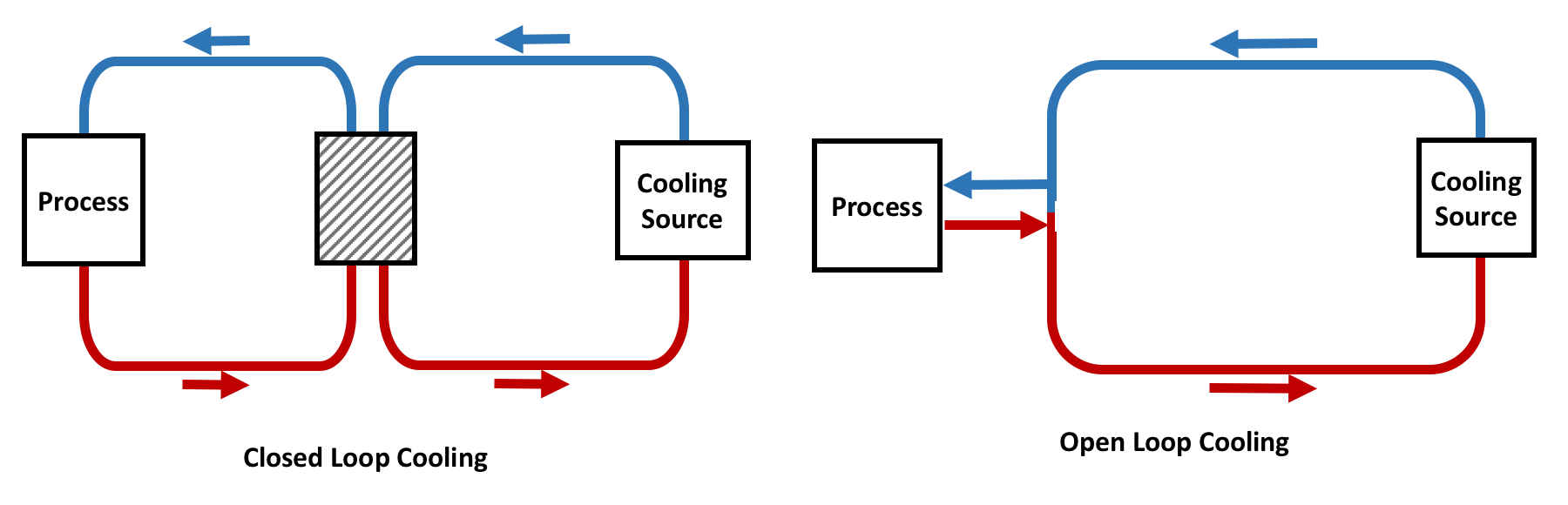
Большинство современных заводов по производству печатных плат используют промышленные охладители с замкнутым контуром, поскольку они обеспечивают стабильный и изолированный тепловой контроль. Понимание холодильного цикла с компрессией пара необходимо для правильной спецификации системы.
КС = Qиспариться / Вткомп = час1 – ч4 / ч2 – ч1Для типичных охладителей печатных плат COP колеблется в пределах 3,0–6,5 в зависимости от условий эксплуатации.
Анализ цикла сжатия пара
В стандартном парокомпрессионном холодильном цикле, используемом в чиллерах для печатных плат:
- Сжатие (1→2): Пары хладагента низкого давления сжимаются до высокого давления. Для систем R-410A это обычно повышает давление с ~9 бар (насыщенный пар при 0°C) до ~26 бар (насыщенный пар при 45°C).
- Конденсат (2→3): Пар под высоким давлением и высокой температурой выделяет тепло и конденсируется. Обычно поддерживается температура переохлаждения 3–8°C, чтобы гарантировать отсутствие попадания пара в расширительное устройство.
- Расширение (3→4): Жидкий хладагент проходит через дросселирующее устройство (термостатический расширительный клапан или электронный расширительный клапан), падая до низкого давления.
- Испарение (4→1): Жидкостно-паровая смесь низкого давления поглощает тепло технологической воды, испаряясь до насыщенного пара.
| холодильный | ПГП | Типичное рабочее давление (бар) | Объемная холодопроизводительность |
| R-410A | 2088 | 9–26 (испарение/кондиционирование) | Высокий (предпочтителен для средних и больших систем) |
| Р-134а | 1430 | 3–12 | Умеренный (меньшие системы) |
| Р-513А | 573 | 4–14 | Умеренный (альтернатива с более низким ПГП) |
| Р-1234зе | 1 | 4–13 | Нижний (будущий вариант с низким ПГП) |
Преимущества системы с замкнутым контуром
В замкнутой системе:
- Технологическая вода циркулирует независимо от внешней среды, предотвращая загрязнение переносимыми по воздуху частицами и микроорганизмами.
- Теплообмен происходит через пластинчатые теплообменники с типичной эффективностью 85–95%
- Риск загрязнения воды снижается за счет фильтрации и очистки воды.
- Регулирование температуры становится более предсказуемым благодаря постоянному массовому расходу воды и известным термическим свойствам.
- Конструкция с замкнутым контуром обеспечивает точный контроль качества воды (обычно поддерживается при удельном сопротивлении > 1 МОм·см для прецизионных применений).
По сравнению с открытыми системами охлаждения конструкции с замкнутым контуром обеспечивают:
- Лучшая температурная стабильность (обычно ±0,1–0,5°C по сравнению с ±1,0–3,0°C для открытых систем)
- Меньшая частота технического обслуживания (без образования накипи в дрейфующей башне и роста водорослей)
- Уменьшение образования накипи и загрязнения в технологических теплообменниках.
- Увеличенный срок службы оборудования благодаря контролируемому химическому составу воды
Основные компоненты системы охлаждения печатной платы
Компрессор: динамическое управление холодопроизводительностью
Компрессор является основным источником энергии холодильной системы, обычно потребляя 25–40 % от общей мощности чиллера.

| Тип компрессора | Диапазон мощности | Эффективность при частичной нагрузке | Уровень шума | Лучшее приложение |
| Прокрутка (фиксированная скорость) | 5–50 кВт | Плохо при загрузке <50% | Низкий | Постоянная нагрузка, небольшие системы |
| Прокрутка (Инвертор) | 5–70 кВт | Отлично (20–100 % емкости) | Умеренный | Переменная нагрузка, большинство чиллеров для печатных плат |
| Винт (фиксированная скорость) | 50–300 кВт | Умеренный | Высокий | Большие системы с постоянной нагрузкой |
| Винт (инвертор/ЧРП) | 50–500 кВт | Отличный | Высокий | Большие системы переменной нагрузки |
| Центробежный | >300 кВт | Хороший | Умеренный | Очень крупные центральные растения |
В современных приложениях для печатных плат широко используются инверторные компрессоры (приводы с регулируемой частотой), поскольку производственные нагрузки постоянно меняются. Машины часто запускаются и останавливаются, нагрузка на химическую ванну колеблется, а буровые системы работают с перерывами, рабочий цикл обычно варьируется от 30–80%.
Компрессоры с переменной частотой позволяют системе охлаждения:
- Уменьшите превышение температуры (обычно 00,5°С по сравнению с 2–3°C для управления включением/выключением)
- Повышение энергоэффективности (обычно Экономия энергии 20–35 % в условиях частичной нагрузки)
- Поддерживайте стабильную температуру воды на выходе (обычно ±0,1–0,3°С стабильность)
- Снижение нагрузки на компрессор при циклическом включении (снижение частоты запуска на 60–80%)
Традиционные системы с фиксированной скоростью и циклическими включениями и выключениями испытывают трудности при нестабильной нагрузке на производство печатных плат, что приводит к:
- Колебания температуры с амплитудой 2–5°С.
- Пусковой ток двигателя компрессора 5–7× номинальный ток
- Повышенный механический износ (типичное сокращение срока службы подшипников на 30–50 %).
Испаритель: стабильность теплообмена
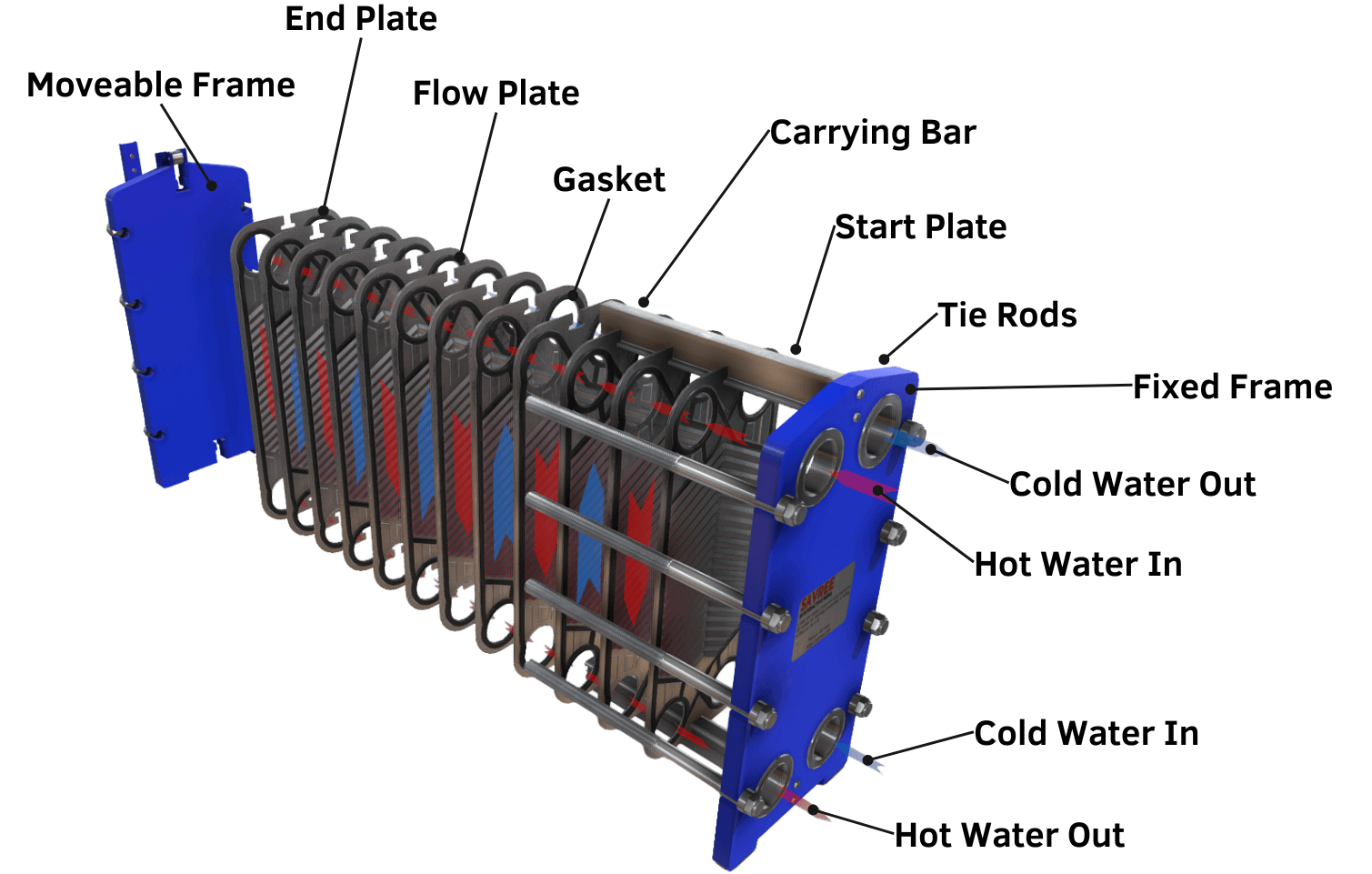
Испаритель передает тепло от технологической воды хладагенту. Скорость теплопередачи регулируется:
Q = U × A × LMTDГде:
• Q = Скорость теплопередачи (кВт)
• U = общий коэффициент теплопередачи (кВт/м²·К)
• A = площадь поверхности теплопередачи (м²)
• LMTD = средняя логарифмическая разница температур (°C).
В системах охлаждения печатных плат обычно используются паяные пластинчатые испарители, поскольку они обеспечивают:
- Высокая эффективность теплопередачи (значения U 3–6 кВт/м²·К для испарителей R-410А)
- Компактный дизайн (обычно 00,1–0,3 м² на кВт емкости)
- Быстрый тепловой отклик (обычно тепловая постоянная времени) 30–60 секунд)
- Стабильное распределение потока при правильной конструкции
Однако качество конструкции испарителя существенно влияет на стабильность системы:
| Расчетный коэффициент испарителя | Влияние на охлаждение печатной платы | Инженерная спецификация |
|---|---|---|
| Неравномерное распределение потока | Локальные колебания температуры (колебание ±0,5–2,0°C) | Коэффициент падения давления между портами: 1,0–1,3. |
| Плохая конструкция турбулентности | Более низкая эффективность теплопередачи (снижение на 10–30 %) | Число Рейнольдса: Re > 4000 (турбулентный) |
| Высокое падение давления | Снижение стабильности системы, увеличение мощности накачки | Типичное: 30–100 кПа за проход. |
| Медленный тепловой отклик | Задержка температуры процесса (дополнительная задержка 5–15 секунд) | Минимизируйте объем жидкости (<0,5 л на 10 кВт) |
Для прецизионного производства печатных плат критически важно поддерживать равномерную теплопередачу по всем каналам. Для этого необходимо:
- Правильный дизайн заголовка с сопла или распределители потока
- Конфигурация противотока для максимизации LMTD
- Поддержание переохлаждения 3–5°С на выходе из испарителя
- Контроль перегрева 5–8°С на всасывании компрессора
Насосная система: критическая динамика потока
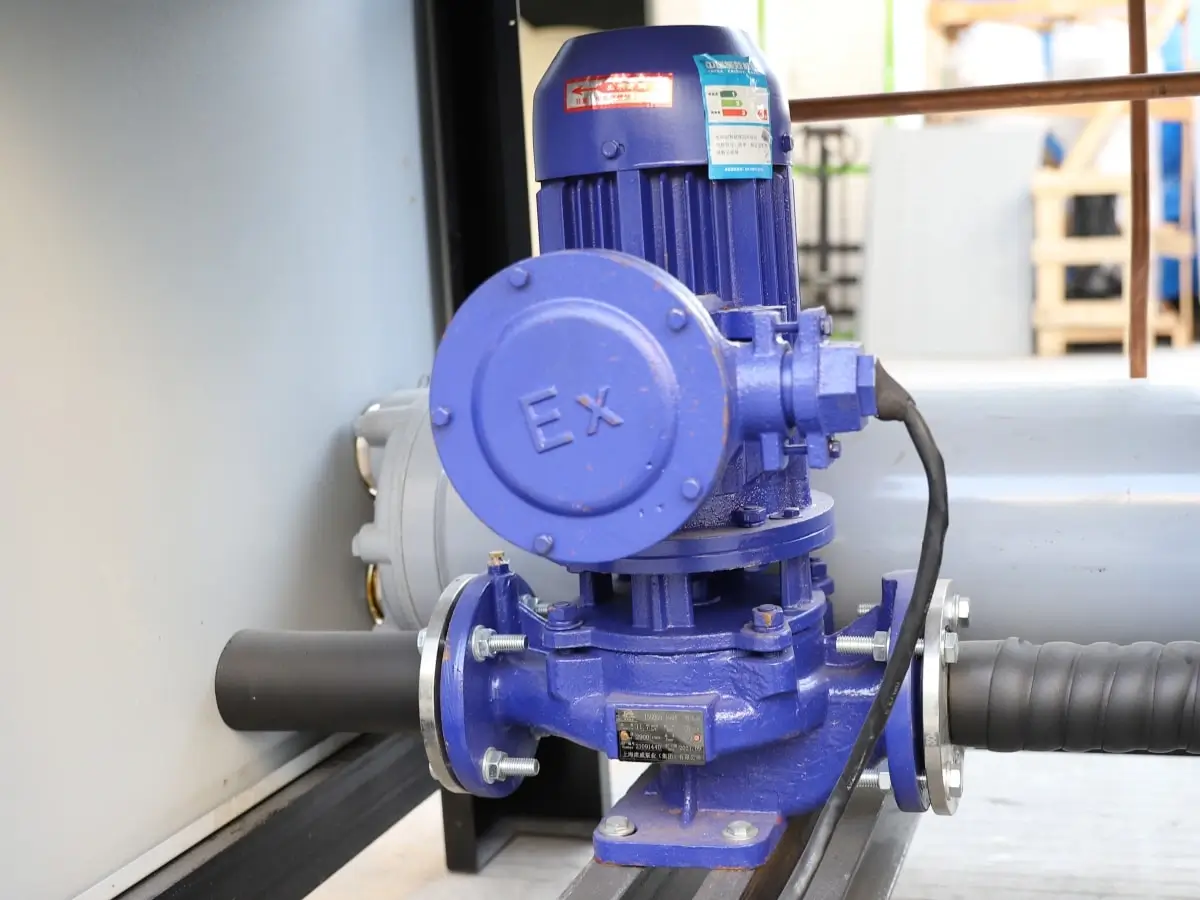
При производстве печатных плат стабильный поток почти так же важен, как и стабильная температура. Коэффициент теплопередачи в технологическом оборудовании сильно зависит от скорости потока:
h = Nu × k / D = C × Reм × Прн × k/D Для турбулентного течения воды: h ∝ Re0.8 (примерно)
Это означает, что изменение расхода на 10 % может повлиять на теплообмен примерно на 8 %.
Даже если температура воды на выходе остается постоянной, нестабильный поток может изменить локальные коэффициенты теплопередачи внутри оборудования, что приведет к тепловым колебаниям на уровне процесса. Это особенно проблематично в:
- Гальванические резервуары: Неравномерность потока приводит к изменению плотности тока, что напрямую влияет на однородность толщины меди (обычно отклонение от заданного значения составляет ±5–15%).
- Каналы лазерного охлаждения: Изменения потока вызывают появление локальных горячих точек, которые могут повредить дорогую лазерную оптику.
- Рубашки охлаждения шпинделя: Нестабильный поток приводит к перепаду температур в держателе инструмента, что влияет на точность сверления.
Поэтому в современных чиллерах для печатных плат обычно используются:
- Частотно-регулируемые приводы (ЧРП) на первичных циркуляционных насосах: экономия энергии 30–50 % при частичной нагрузке.
- Контроль постоянного давления: Поддерживает заданное давление на входе оборудования независимо от колебаний нагрузки.
- Системы мониторинга потока: Магнитные или ультразвуковые расходомеры с точностью ±1 %.
- Многозонная гидравлическая балансировка: Независимые от давления регулирующие клапаны для каждой технологической зоны
| Приложение | Типичный расход | Требуемое давление | Температурная стабильность |
| Малый шпиндель с ЧПУ (одиночный) | 3–6 л/мин | 2–4 бар | ±0,5°С |
| Большой шпиндель с ЧПУ | 10–20 л/мин | 3–5 бар | ±0,3°С |
| Гальванический бак (маленький) | 50–150 л/мин | 1–3 бар | ±0,2°С |
| Гальванический бак (большой) | 200–500 л/мин | 2–4 бар | ±0,1°С |
| Лазерная система | 5–15 л/мин | 4–6 бар | ±0,2°С |
Чиллеры с водяным и воздушным охлаждением для заводов по производству печатных плат
Выбор между чиллерами с водяным и воздушным охлаждением во многом зависит от масштаба предприятия, графика работы, требований к стабильности тепловой нагрузки и доступной коммунальной инфраструктуры.
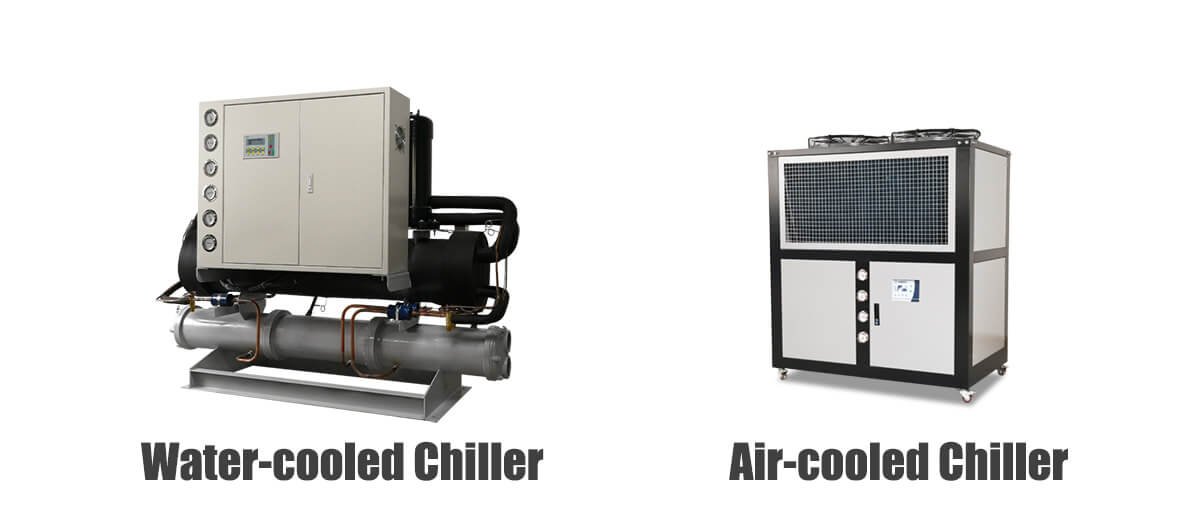
Термодинамическое сравнение
Принципиальное отличие заключается в теплоотводящей среде. Системы с воздушным охлаждением отводят тепло в окружающий воздух (удельная теплоемкость: 1,005 кДж/кг·К), а системы с водяным охлаждением отдают тепло воде градирни (удельная теплоемкость: 4,186 кДж/кг·К), примерно В 4 раза эффективнее теплопередача.
| Элемент | Чиллер с водяным охлаждением | Чиллер с воздушным охлаждением |
|---|---|---|
| Стабильность охлаждения (выход ΔT) | ±0,1–0,3°C (отлично) | ±0,5–1,5°C (умеренный) |
| Энергоэффективность (КПД) | 4,5–6,5 (в больших системах выше) | 3,0–4,5 (ухудшается при высоких температурах окружающей среды) |
| Сложность установки | Высшее (башня, насосы, трубопроводы) | Нижний (прямое размещение) |
| Первоначальные инвестиции | на 20–40% выше | Более низкая базовая стоимость |
| Требования к техническому обслуживанию | Очистка градирни, управление водными ресурсами | Чистка конденсатора, замена фильтра. |
| Подходящий диапазон мощности | >50 кВт (оптимально >150 кВт) | <50 кВт (оптимально <150 кВт) |
| Влияние температуры окружающей среды | Низкая (2–3% на 10°C) | Высокая (5–8% на каждые 10°C повышения) |
| Потребление воды | Значительные (потери на испарение) | Минимальный |
| Лучшее приложение | Массовое производство 24/7, точные процессы | Гибкое/децентрализованное производство, лаборатории |
Чиллеры с водяным охлаждением при крупном производстве печатных плат
Крупные заводы по производству печатных плат обычно отдают предпочтение чиллерам с водяным охлаждением из-за их термической стабильности и энергоэффективности при непрерывной работе.
Вместо того, чтобы отводить тепло непосредственно в воздух, системы с водяным охлаждением передают тепло через вторичный водяной контур, подключенный к градирням или сухим градирням. Это создает двухступенчатый путь отвода тепла:
- Первичный цикл: Технологическая вода → Испаритель → Компрессор → Конденсатор → Вторичная вода
- Вторичный контур: Вторичная вода → Градирня (испарительная) или сухой охладитель (разумная) → Атмосфера
| Параметр | Типичное значение | Влияние на систему |
| Температура воды на подаче конденсатора | 25–32°С | Определяет давление конденсации |
| Температура приближения (башня-вода) | 3–5°С | Определяет эффективность башни |
| Температура конденсации (R-410A) | 35–42°С | Влияет на работу компрессора |
| Давление конденсации (R-410A) | 18–26 бар | Выше = больше работы компрессора |
| Улучшение КПД системы | 15–25% по сравнению с воздушным охлаждением | В типичных условиях окружающей среды |
Потому что вода передает тепло гораздо эффективнее, чем воздух:
- Температура конденсации остается ниже (обычно 35–42 °C по сравнению с 45–55 °C для систем с воздушным охлаждением).
- Давление нагнетания компрессора снижается (более низкая степень сжатия = меньше работы)
- КПД системы улучшается (обычно 4,5–6,5 против. 3,0–4,5)
- Колебания температуры уменьшаются (тепловая масса башенного бассейна обеспечивает буферизацию)
- Фактором загрязнения конденсатора можно управлять путем очистки воды.
Это особенно ценно для линий гальваники и травления, где большие объемы химических ванн (обычно 500–2000 литров) требуют чрезвычайно стабильных тепловых условий. Термическая постоянная времени больших резервуаров может превышать 30 минутЭто означает, что важно медленное, но стабильное охлаждение.
На заводах по производству печатных плат, работающих непрерывно, особенно при потребности в охлаждении свыше 150 кВт, системы с водяным охлаждением обычно обеспечивают более высокую долгосрочную эксплуатационную эффективность с типичным сроком окупаемости 2–4 года по сравнению с альтернативами с воздушным охлаждением.
Чиллеры с воздушным охлаждением для производства гибких печатных плат
Чиллеры с воздушным охлаждением обычно используются в:
- Производство прототипов печатных плат
- Небольшие производственные линии (тепловая нагрузка <50 кВт)
- Автономные сверлильные станки с ЧПУ
- Лаборатория и среда исследований и разработок
- Децентрализованные зоны охлаждения
- Объекты без централизованной инженерной инфраструктуры
Их главное преимущество – упрощенная установка:
- Не требуется градирня или водяной контур конденсатора.
- Затраты на инфраструктуру сокращены на 30–50%
- Время установки сокращено на 40–60%
- Планировка завода становится более гибкой
- Никаких химикатов или оборудования для очистки воды не требуется.
Однако на системы с воздушным охлаждением сильно влияет температура окружающей среды. Соотношение холодопроизводительности примерно равно:
Емкостьдействительный = Емкостьрейтинг × (1 – k × (Тс – Тссылка)) Где k ≈ 0,03–0,05 на градус Цельсия выше эталонной температуры (обычно 35°С)
Если температура наружного воздуха превышает расчетные условия:
- Разница температур змеевика конденсатора (ΔT) уменьшается, что снижает отвод тепла.
- Давление нагнетания компрессора повышается (при экстремальных температурах может превышать безопасные пределы)
- Холодопроизводительность падает (обычно 10–15% при 40°С, 20–30% при 45°С)
- Стабильность температуры ухудшается из-за переменной производительности компрессора.
- Короткое включение компрессора может произойти при высоких тепловых нагрузках.
Вот почему системы с воздушным охлаждением обычно рекомендуются для небольших тепловых нагрузок (<50 кВт), объектов с достаточной вентиляцией или климатических условий с умеренными летними температурами (обычно температура окружающей среды <35°C).
Прецизионное охлаждение для HDI и производства высокочастотных печатных плат
По мере того, как технология печатных плат движется к более совершенным приложениям, требования к температурной стабильности становятся значительно ужесточены:
- Структуры ИЧР: Плотность микроотверстий превышает 100 отверстий/см².
- Платы высокочастотной связи: Рабочие частоты >28 ГГц
- Автомобильная электроника: Требования к надежности от -40°C до +125°C
- Подложки для серверов искусственного интеллекта: Тепловая плотность >50 Вт/см²
- Полупроводниковые упаковочные платы: Допуски регистрации менее 10 мкм.
Для высокочастотных материалов печатных плат (например, Rogers RO4003C, Panasonic Megtron 6) диэлектрические свойства чувствительны к температуре:
| Материальная собственность | Температурный коэффициент | Воздействие при отклонении ±1°C |
| Диэлектрическая проницаемость (Дк) | от ±30 до ±50 частей на миллион/°C | Изменение импеданса: 0,03–0,05% |
| Коэффициент рассеивания (Df) | Переменная | Изменение потерь сигнала: 2–5% |
| CTE (плоскость XY) | 12–18 частей на миллион/°C | Изменение размеров: 0,0012–0,0018% |
Даже небольшие температурные изменения могут повлиять на:
- Импеданс сигнала: Допуск на целевой импеданс ±5% требует стабильности ±0,5°C.
- Потери при передаче: Изменение Df влияет на вносимые потери на высоких частотах.
- Выравнивание слоев: Термическое расширение способствует ошибкам регистрации слоев.
- Размерная стабильность материала: Изменение длины составляет 2–5 мкм на метр на °C.
В современном производстве печатных плат требования к температурной стабильности достигают:
ΔТстабильность = от ±0,1°C до ±0,3°C (для HDI/полупроводниковой упаковки)
ΔТпространственный = <1,0°C на рабочей поверхности оборудования
ΔТответ = <5 секунд до 90% изменения уставки
Достижение такого уровня точности требует многоуровневой архитектуры управления температурным режимом:
| Системный уровень | Функция | Контроль температуры | Время ответа |
|---|---|---|---|
| Первичный охладитель | Базовая холодопроизводительность | ±1,0°C (промышленный стандарт) | 60–120 секунд |
| Вторичный прецизионный контур | Точная регулировка температуры | ±0,1°С | 10–30 секунд |
| Охлаждение локального оборудования | Окончательная термостабилизация | ±0,05°С | <5 секунд |
| Интеллектуальная система управления | Динамическая компенсация в реальном времени | Обратная связь + обратная связь | Непрерывный |
Высокопроизводительные системы также подчеркивают низкую тепловую инерцию, а это означает, что система охлаждения должна быстро реагировать на внезапные изменения технологической нагрузки. Ключевые особенности конструкции включают в себя:
- Минимальная заправка хладагента: Уменьшает задержки изменения фазы
- Электронные расширительные клапаны: Точное дозирование хладагента (±0,5% точность)
- ПИД-регулятор температуры: Производное действие для прогнозирования изменений нагрузки
- Архитектура каскадного управления: Уставка первичного контура корректируется в зависимости от потребности вторичного контура.
Системы управления и динамическое управление температурным режимом
Современные системы охлаждения печатных плат опираются на сложную архитектуру управления для поддержания термической стабильности при различных нагрузках.
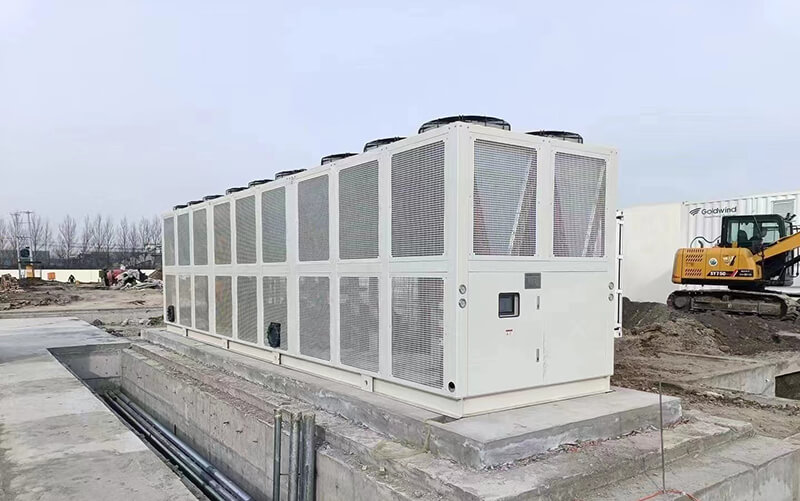
Основы ПИД-регулирования
Стандартный алгоритм ПИД-регулирования (пропорционально-интегрально-дифференциальный) для регулирования температуры:
и(т) = Кп × е(т) + Кя × ∫e(t)dt + Kд × de(t)/dtГде:
• Кп = Пропорциональное усиление (определяет скорость реакции)
• Кя = Интегральный коэффициент усиления (устраняет установившуюся ошибку)
• Кд = Производный коэффициент усиления (гасит колебания)
• e(t) = Ошибка = Уставка – Измеренное значение
Типичные параметры настройки для управления чиллером на печатной плате:
| Параметр | Типичный диапазон | Цель |
|---|---|---|
| Пропорциональный диапазон | 00,5–2,0°С | Определяет чувствительность управления |
| Интегральное время | 30–120 секунд | Устраняет смещение, влияет на время восстановления |
| Производное время | 0–30 секунд | Уменьшает перерегулирование, гасит колебания |
| Время цикла | 2–10 секунд | Для переключения цифрового выхода |
Расширенные стратегии управления
- Адаптивное управление: Автоматически регулирует параметры ПИД в зависимости от условий эксплуатации и изменений нагрузки.
- Упреждающее управление: Использует измеренные сигналы нагрузки (например, мощность лазера, скорость шпинделя) для прогнозирования тепловой нагрузки.
- Каскадное управление: Первичный контур контролирует давление конденсации; вторичный контур контролирует температуру процесса
- Нечеткое логическое управление: Устраняет нелинейности и обеспечивает надежную работу во всем рабочем диапазоне.
- Оптимизация машинного обучения: Анализирует исторические данные для прогнозирования оптимальных уставок и прогнозирования нарушений.
Вопросы энергоэффективности при охлаждении печатных плат
Системы охлаждения часто являются причиной 15–30% от общего энергопотребления на заводах по производству печатных плат, что делает оптимизацию эффективности экономически значимой.
Технологии оптимизации энергетики
| Технология | Механизм | Типичная экономия энергии | Период окупаемости инвестиций |
|---|---|---|---|
| Частотно-регулируемый привод (ЧРП) | Согласовывает скорость компрессора с потребностью в охлаждении | 20–40 % при частичной нагрузке | 2–3 года |
| Плавающее давление конденсации | Регулирует уставку конденсации в зависимости от окружающей среды. | 5–15% сезонно | 1–2 года |
| Интеллектуальное согласование нагрузки | Прогнозируемое распределение мощности между чиллерами | 10–25% | 2–4 года |
| Насос с переменным расходом | Согласовывает скорость насоса с потребностями системы | 30–50 % при частичной нагрузке | 2–3 года |
| Рекуперация тепла | Улавливает отходящее тепло для использования на предприятии | 10–30 % тепловой нагрузки | 3–5 лет |
| Многоступенчатый контроль | Оптимизирует каскадирование компрессора | 5–10% | 1–2 года |
Показатели энергоэффективности
| КПЭ | Определение | Типичное значение |
| COP (коэффициент производительности) | Холодопроизводительность / Мощность компрессора | 3,5–6,0 |
| IPLV (интегрированное значение частичной нагрузки) | Средневзвешенная эффективность при различных нагрузках | 4,0–6,5 кВт/тонна |
| Соотношение кВт/тонна | Потребляемая мощность на тонну охлаждения | 00,5–0,9 кВт/тонну |
| Эффективность чиллера (EER) | Британские тепловые единицы на ватт-час | 12–20 БТЕ/Втч |
На крупных заводах по производству печатных плат, работающих круглосуточно и без выходных, оптимизация эффективности охлаждения с помощью вышеуказанных мер может снизить эксплуатационные расходы за счет 50 000–200 000 долларов США в год. на 100 кВт холодопроизводительности.
Стратегия охлаждения на уровне системы на современных заводах по производству печатных плат
Современные заводы по производству печатных плат редко полагаются на единую систему охлаждения. Вместо этого они используют многоуровневую архитектуру управления температурным режимом, которая учитывает разнообразные требования к температуре на всем объекте.
Централизованная и распределенная архитектура
| Архитектура | Преимущества | Недостатки | Лучшее для |
|---|---|---|---|
| Централизованный (Большой центральный завод) | Более высокая эффективность, простота обслуживания, лучшее резервирование | Более высокая первоначальная стоимость, сложная трубопроводная система, риск единичного отказа | Большие объекты (>50 000 м²) |
| Распределенный (несколько охладителей) | Более простая установка, более легкое расширение, изоляция неисправностей | Более высокая нагрузка на техническое обслуживание, менее эффективная в целом | Малые и средние объекты, гибкие планировки |
| Гибрид (центральный + выделенный) | Оптимальный баланс эффективности и гибкости | Более сложная интеграция управления | Самые современные заводы по производству печатных плат |
Типичная конфигурация системы
- Централизованные охлаждающие станции: Обеспечить базовую заводскую загрузку (50–70 % от общей мощности) при оптимизированных настройках.
- Специализированные прецизионные охладители: Обслуживание критического оборудования (гальваника, лазерное сверление) с более строгим контролем температуры.
- Отдельные температурные зоны: Независимые контуры для мокрых процессов (гальваника, травление) и сухих процессов (сверление, АОИ)
- Резервные системы резервирования: резервирование N+1 или 2N для критически важных производственных линий (обычно 10–20 % избыточной мощности)
- Контуры рекуперации тепла: Улавливание отходящего тепла для отопления зданий или горячего водоснабжения.
Специализированные стратегии охлаждения
- Гальванические линии: Приоритет отдается химической температурной стабильности (±0,2°C). Большая тепловая масса требует медленного, устойчивого управления с минимальной цикличностью. Управление рециркуляционным насосом имеет решающее значение для равномерного распределения потока.
- Сверление с ЧПУ: Сосредоточьтесь на контроле размеров на кончике сверла. Индивидуальное охлаждение шпинделя с выделенными контурами потока. Мониторинг температуры в режиме реального времени на интерфейсе инструмент-заготовка.
- системы АОИ: Требуется оптическая стабильность. Температура освещения влияет на колориметрию и контрастность. Управление климатической камерой может дополнять охлаждение чиллера.
- Системы лазерного сверления: Требуется локальное высокоточное охлаждение оптики (часто <±0,1°C). Отдельные контуры охлаждения лазерного источника и оптической системы. Быстродействующие теплообменники для предотвращения теплового линзирования.
- Прессы для ламинирования: Контроль температуры зоны по всей поверхности стола. Несколько независимо управляемых зон нагрева/охлаждения. Встроенные термостатические смесительные клапаны.
Поскольку разные процессы ведут себя по-разному с точки зрения термического воздействия, к проектированию охлаждения печатной платы необходимо подходить с осторожностью. перспектива системной инженерии а не простой выбор оборудования. Это включает в себя:
- Картирование тепловой нагрузки по всему объекту
- Анализ гидравлической сети для распределения потока
- Динамическое моделирование тепловых взаимодействий
- Интеграция стратегии управления во всех подсистемах
Рекомендации по техническому обслуживанию и эксплуатации
Устойчивая работа системы охлаждения требует превентивного технического обслуживания:
| Задача обслуживания | Частота | Влияние пренебрежения |
|---|---|---|
| Тестирование и очистка качества воды | Ежемесячно | Накипь, микробиологический рост, коррозия |
| Очистка змеевика конденсатора (с воздушным охлаждением) | Ежеквартальный | Потеря мощности 5–15% в год |
| Очистка воды градирни | Непрерывный + ежемесячный анализ | Накипь, коррозия, риск легионеллы |
| Проверка утечки хладагента | Ежеквартальный | Потеря мощности, воздействие на окружающую среду |
| Анализ компрессорного масла | 6–12 месяцев | Раннее обнаружение износа |
| Калибровка системы управления | Ежегодный | Температурный дрейф, нестабильность |
| Проверка насоса и клапана | 6 месяцев | Нестабильность потока, дисбаланс системы |
Заключение
Лучшее решение для охлаждения при производстве печатных плат зависит от характеристик процесса, масштаба производства и требований к точности.
Чиллеры с водяным охлаждением обеспечивают превосходную термическую стабильность (обычно ±0,1–0,3°С) и превосходную энергоэффективность (COP 4,5–6,5) для крупных заводов по производству печатных плат с непрерывным производством. Они оптимальны для объектов с Потребность в охлаждении >150 кВт работающие круглосуточно и без выходных, особенно те, которые занимаются прецизионной гальванотехникой и производством HDI.
Чиллеры с воздушным охлаждением предлагают гибкую установку, более низкие затраты на инфраструктуру и более простое обслуживание для небольших или децентрализованных приложений. Они лучше всего подходят для объектов с Тепловая нагрузка <50 кВт, мягкие климатические условия или необходимость частой смены планировки.
Прецизионные системы охлаждения необходимы для HDI, высокочастотных и полупроводниковых корпусов печатных плат, где тепловые колебания напрямую влияют на электрические характеристики и точность размеров. Для этого требуются многоступенчатые архитектуры управления, обеспечивающие ±0,1°C или ближе температурная стабильность.
В конечном счете, охлаждение печатной платы — это не просто отвод тепла. Речь идет о поддержании долгосрочной термической стабильности в сложных и постоянно меняющихся производственных условиях посредством:
- Правильная архитектура системы соответствие требованиям процесса
- Выбор компонентов приоритет надежности и эффективности
- Расширенные стратегии управления для динамического управления нагрузкой
- Проактивное обслуживание для поддержания производительности с течением времени
Правильно спроектированная система охлаждения улучшает:
- Консистенция продукта: Уменьшение размеров и электрических отклонений.
- Доходность: Меньше дефектов, связанных с температурой.
- Срок службы оборудования: Снижение термической нагрузки на компоненты.
- Эффективность производства: Сокращение доработок и времени простоя.
- Энергетическая эффективность: Снижение эксплуатационных расходов
Поскольку технология печатных плат продолжает развиваться в сторону более высокой точности (менее 10 мкм), более высокой плотности (>20 слоев, >500 входов/выходов) и более высоких частот (>70 ГГц), промышленные системы охлаждения будут играть все более важную роль в стабильности производства и надежности продукции. Систему управления температурным режимом следует рассматривать как средство обеспечения основного процесса, а не просто вспомогательную инфраструктуру.
