

 Máy làm lạnh di động
 Máy làm lạnh làm mát bằng không khí
 Máy làm lạnh làm mát bằng nước
 Máy làm lạnh nhiệt độ thấp
 Máy làm lạnh công nghiệp tùy chỉnh


Bài học chính
- Tính toán tải làm mát chính xác là nền tảng của việc lựa chọn máy làm lạnh; nó ảnh hưởng trực tiếp đến sự ổn định của quy trình, mức tiêu thụ năng lượng và tuổi thọ của thiết bị.
- Làm mát bằng nước máy làm lạnh trục vít thường phù hợp nhất cho các quy trình hóa học từ trung bình đến lớn chạy liên tục nhờ hiệu quả khi tải một phần và kết cấu chắc chắn.
- Luôn thêm biên độ 20% vào công suất làm mát được tính toán để xử lý tải cao điểm, tắc nghẽn và mở rộng trong tương lai mà không cần tăng kích thước quá mức một cách lãng phí.
- Môi trường hóa chất đòi hỏi phải chú ý cẩn thận đến vật liệu (thiết bị bay hơi bằng thép không gỉ), chất làm lạnh và các tính năng an toàn như kết cấu chống cháy nổ.
- Trước khi liên hệ với nhà cung cấp, hãy chuẩn bị hồ sơ vận hành đầy đủ: tốc độ dòng chảy, nhiệt độ, các tiện ích sẵn có và bất kỳ rủi ro ô nhiễm hoặc ăn mòn nào theo quy trình cụ thể.
Giới thiệu
Các nhà máy hóa chất phụ thuộc vào việc kiểm soát nhiệt độ chính xác cho vỏ lò phản ứng, thiết bị ngưng tụ, bộ trao đổi nhiệt và nhiều quy trình theo mẻ hoặc liên tục. Máy làm lạnh có kích thước nhỏ dẫn đến phản ứng không hoàn chỉnh, các vấn đề về chất lượng sản phẩm và thời gian ngừng hoạt động ngoài dự kiến. Kích thước quá lớn gây lãng phí vốn và tăng chi phí vận hành do hiệu quả tải từng phần kém. Hướng dẫn này hướng dẫn bạn phương pháp từng bước thực tế để xác định kích thước máy làm lạnh làm mát bằng nước cho nhà máy hóa chất của bạn—tập trung vào thời điểm máy làm lạnh trục vít có ý nghĩa, cách xử lý các con số và những yếu tố tiềm ẩn nào có thể tạo nên hoặc phá vỡ một dự án. Bạn sẽ ra đi với một khung tính toán rõ ràng, một danh sách kiểm tra lựa chọn và sự tự tin để thảo luận về các yêu cầu của bạn với nhà sản xuất.
1. Tại sao độ chính xác của tải làm mát quyết định sự thành công của dự án
Mọi bài tập định cỡ đều bắt đầu với tải làm mát. Nếu con số này sai, không có gì khác quan trọng. Trong các quá trình hóa học, nhiệt đến từ các phản ứng tỏa nhiệt, công việc bơm và thu được từ môi trường xung quanh. Tải hiếm khi tĩnh; nó có thể tăng đột biến trong các giai đoạn nhất định của một đợt hoặc thay đổi theo thông lượng.
Công thức tính kích thước phổ quát rất đơn giản:
Tấn = Tốc độ dòng chảy (m³/h) × ΔT (°C) 0,86 3,517
ΔT là chênh lệch giữa nhiệt độ nước vào máy làm lạnh và nhiệt độ nước ra mong muốn. Ví dụ: nếu quy trình của bạn trả lại nước ở 25°C và bạn cần làm lạnh nó xuống 15°C, ΔT = 10°C.
Kịch bản trong thế giới thực: Một nhà máy hóa chất đặc biệt tuần hoàn 40 m³/h nước áo để điều khiển lò phản ứng liên tục. Nước trở lại ở nhiệt độ 28°C và phải rời khỏi máy làm lạnh ở nhiệt độ 12°C. Áp dụng công thức: 40 × 16 0,86 3,517 ≈ 211,2 tấn. Sau khi áp dụng giới hạn an toàn 20% được khuyến nghị, kích thước mục tiêu sẽ trở thành khoảng 253 tấn. Tải trọng này nằm trong phạm vi mà máy làm lạnh trục vít làm mát bằng nước mang lại hiệu quả và tuổi thọ cao.
Đừng bỏ qua tải một phần. Nhiều cơ sở hóa chất hoạt động với tốc độ giảm trong nhiều giờ hoặc nhiều ngày. MỘT máy nén khí trục vít có thể điều chỉnh công suất một cách trơn tru (thường giảm xuống 25% hoặc thấp hơn) mà không bị tổn thất theo chu kỳ như các máy nén cuộn tốc độ cố định. Nếu nhà máy của bạn có sự thay đổi tải lớn, hiệu suất tải từng phần của máy làm lạnh trục vít có thể tiết kiệm nhiều năng lượng hơn so với chính loại máy nén.
2. Lựa chọn giữa làm mát bằng nước và làm mát bằng không khí—và nơi nào phù hợp với máy làm lạnh trục vít
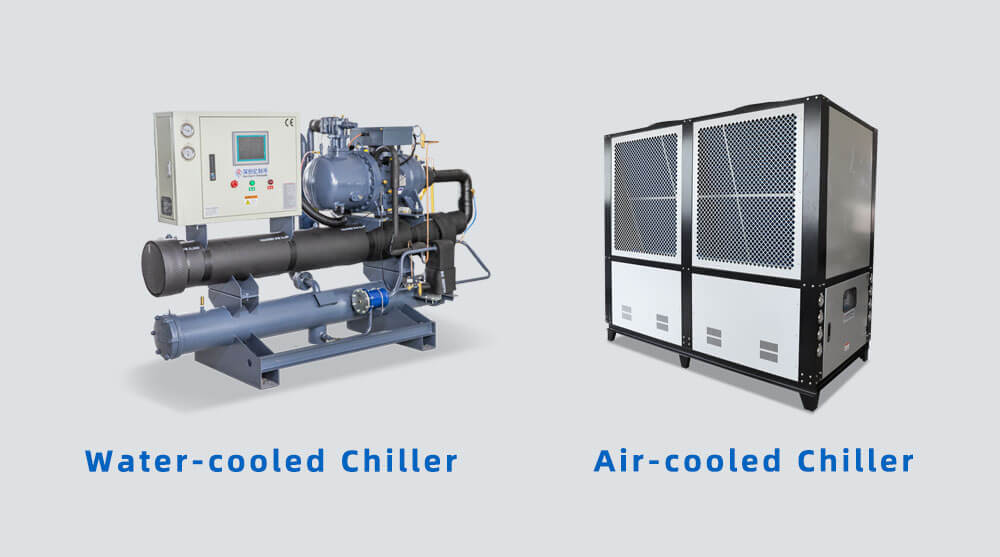
Máy làm lạnh làm mát bằng nước thải nhiệt vào tháp giải nhiệt, trong khi thiết bị làm mát bằng không khí thải nhiệt ra không khí xung quanh. Trong các nhà máy hóa chất có cơ sở hạ tầng tháp giải nhiệt hiện có và nguồn cung cấp nước đầy đủ, hệ thống làm mát bằng nước thường mang lại hiệu quả cao hơn, đặc biệt là trong môi trường khí hậu nóng hoặc phòng sạch, nơi việc thải khí nóng là điều không mong muốn. Họ cũng giữ dấu chân máy làm lạnh trong nhà, tránh xa các điều kiện khí quyển ăn mòn thường thấy trong các khu phức hợp hóa học.
Tại sao lại là máy làm lạnh trục vít? Máy nén cuộn chiếm ưu thế trên thị trường công suất nhỏ (thường lên tới 100 tấn mỗi mạch). Đối với công suất trên 150–200 tấn, máy nén trục vít bán kín trở thành thiết bị chính. Chúng xử lý các tỷ lệ áp suất cao hơn, chịu được hiện tượng trượt chất lỏng tốt hơn so với dạng cuộn và mang lại thời gian bảo trì dài—một lợi thế quan trọng khi quy trình không thể dừng lại để bảo trì thường xuyên. Làm mát bằng nước máy làm lạnh trục vít trong phạm vi 200–500 tấn là một thiết kế hoàn thiện, đáng tin cậy, phù hợp với phần lớn nhu cầu làm mát quy trình hóa học. Nếu tải trọng của nhà máy của bạn vượt quá 600–800 tấn, máy làm lạnh ly tâm có thể trở nên hiệu quả hơn, nhưng đó là một đánh giá riêng.
Những cân nhắc thực tế:
- Trang web của bạn có tháp giải nhiệt không? Nếu có, chi phí cơ sở hạ tầng cho hệ thống làm mát bằng nước đã được chi trả một phần.
- Chất lượng nước có được quản lý không? Xử lý nước tháp giải nhiệt kém sẽ làm hỏng thiết bị ngưng tụ và làm giảm hiệu suất nhanh chóng.
- Máy làm lạnh có chạy 24/7 không? Máy nén trục vít được chế tạo để hoạt động liên tục, trong khi nhiều bộ phận cuộn được thiết kế cho các chu kỳ bật hoặc hoạt động giới hạn.
Khi không có tháp giải nhiệt và nguồn cung cấp nước khan hiếm, máy làm lạnh trục vít làm mát bằng không khí có thể là một giải pháp thay thế, nhưng hướng dẫn này tập trung vào các hệ thống làm mát bằng nước điển hình của các cơ sở lắp đặt hóa chất lớn hơn.
3. Tính toán kích thước từng bước với các điều chỉnh liên quan đến hóa chất
Hãy thực hiện phép tính theo cách bạn có thể sao chép bằng dữ liệu của riêng mình. Giả sử một nhà máy cần làm mát hỗn hợp nước-glycol (30% glycol) để làm vỏ lò phản ứng nhiệt độ thấp. Nhiệt độ rời yêu cầu là 0°C, nhiệt độ quay về 8°C, tốc độ dòng chảy 15 m³/h.
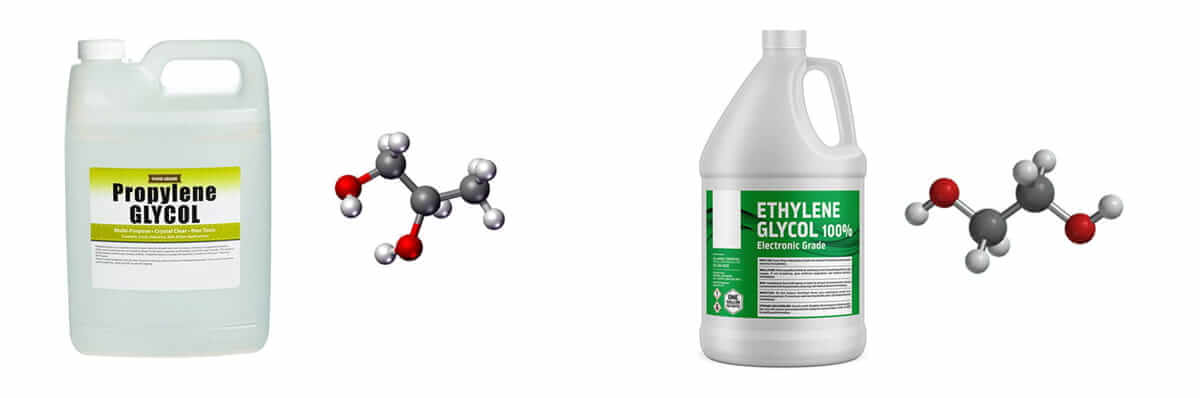
- Xác nhận tính chất chất lỏng. Nước thẳng hoạt động như công thức mong đợi. Với glycol, nhiệt dung riêng giảm và độ nhớt tăng. Ở giai đoạn này, sử dụng công thức gốc nước để có được trọng tải ban đầu, sau đó áp dụng hệ số hiệu chỉnh bổ sung (thường là 1,05–1,15) sau khi tham khảo ý kiến của nhà sản xuất máy làm lạnh. Luôn thông báo cho nhà cung cấp về loại và nồng độ glycol.
- Tính ∆T. 8°C – 0°C = 8°C.
- Áp dụng công thức. 15 × 8 0,86 3,517 ≈ 39,7 tấn.
- Thêm biên độ an toàn 20%. 39,7 × 1,2 ≈ 47,6 tấn. Với việc hiệu chỉnh glycol, công suất yêu cầu có thể đạt tới 50–55 tấn.
- Kiểm tra phương pháp tiếp cận nhiệt độ. Ở nhiệt độ 0°C để lại chất lỏng, thiết bị bay hơi của máy làm lạnh phải hoạt động ở nhiệt độ môi chất lạnh dưới mức đóng băng. Điều này loại trừ nhiều thiết bị làm lạnh cuộn tiêu chuẩn và yêu cầu máy làm lạnh trục vít được thiết kế để vận hành ở nhiệt độ thấp, thường sử dụng R404A hoặc R407C với mạch tiết kiệm. Một số nhà sản xuất cung cấp máy làm lạnh trục vít dành riêng cho glycol với thiết bị bay hơi bằng thép không gỉ để xử lý nguy cơ co nhiệt và ăn mòn.
- Nguồn điện. Các nhà máy hóa chất thường có điện 3 pha 380‑420V/50Hz hoặc 440‑480V/60Hz. Xác minh máy làm lạnh có thể được cấu hình cho điện áp của trang web của bạn. Đây là một lựa chọn tiêu chuẩn từ hầu hết các nhà cung cấp công nghiệp.
Điều kiện biên quan trọng: Nếu nhiệt độ chất lỏng mục tiêu giảm xuống dưới 5°C, bạn đang bước vào vùng làm mát ở nhiệt độ thấp. Đừng dựa vào phần mềm lựa chọn chung chung—hãy liên hệ với nhà sản xuất kèm theo bảng dữ liệu đầy đủ. Các biện pháp đặc biệt như bộ sưởi cacte, làm mát bằng phun chất lỏng và quản lý dầu thích hợp trở nên cần thiết để máy nén trục vít có thể hoạt động lâu dài.
4. Khả năng tương thích vật liệu và độ cứng môi trường
Nhà máy hóa chất là môi trường không thể tha thứ. Ngoài hiệu suất làm mát tiêu chuẩn, các vật liệu bên trong máy làm lạnh phải chịu được chất lỏng xử lý ở một bên và mặt khác là không khí xung quanh.
Lựa chọn thiết bị bay hơi:
- Ống đồng cho khả năng truyền nhiệt tốt nhất nhưng không tương thích với amoniac, một số axit và một số hóa chất nước dễ bị ăn mòn.
- Ống thép không gỉ (304 hoặc 316) là loại dùng cho thực phẩm và chống lại nhiều chất lỏng xử lý mạnh, tránh ô nhiễm. Để làm mát lò phản ứng mà ngay cả vết đồng cũng có thể xúc tác cho các phản ứng không mong muốn, thép không gỉ thường là bắt buộc.
- Thiết bị bay hơi vỏ và ống yêu cầu bình đệm bên ngoài, trong khi thiết kế bình và cuộn dây có bình tích hợp. Nếu không gian sàn chật hẹp và tải trọng không đổi, bể tích hợp sẽ đơn giản hóa việc lắp đặt.
Ý nghĩa của chất làm lạnh: R22 phần lớn bị cấm; R410A thân thiện với môi trường nhưng chạy ở áp suất cao hơn, điều này phù hợp với máy nén trục vít được thiết kế vốn có cho phạm vi áp suất mạnh mẽ. R407C hoạt động tốt khi thay thế R22 trực tiếp trong nhiều khung máy làm lạnh trục vít. R134a được chọn khi nhiệt độ nước lạnh ra khỏi cao hơn (ví dụ: 15–20°C) là đủ vì đường cong áp suất của nó thấp hơn. Phạm vi nhiệt độ quy trình của nhà máy hóa chất sẽ thúc đẩy sự lựa chọn này.
Yêu cầu chống cháy nổ: Nếu máy làm lạnh sẽ được lắp đặt ở khu vực nguy hiểm Vùng 1 hoặc Vùng 2, việc xây dựng chống cháy nổ là không thể thương lượng. Một số nhà sản xuất, chẳng hạn như SCY Chiller, cung cấp máy làm lạnh trục vít làm mát bằng nước chống cháy nổ tùy chỉnh đáp ứng ATEX hoặc các tiêu chuẩn tương đương. Đừng cho rằng bất kỳ máy làm lạnh công nghiệp nào cũng có thể được sửa đổi tại hiện trường cho các vị trí nguy hiểm—đây phải là giải pháp được thiết kế tại nhà máy.
So sánh chính: Máy làm lạnh trục vít và các loại máy nén thay thế

Bảng bên dưới giúp ánh xạ ứng dụng của bạn tới công nghệ máy nén thích hợp nhất. Hãy sử dụng nó làm lời mở đầu cuộc trò chuyện với nhóm kỹ thuật của bạn.
| Loại máy nén | Phạm vi công suất điển hình | Khả năng tải một phần | Sự phù hợp khi vận hành liên tục | Nhà máy hóa chất điển hình phù hợp |
|---|---|---|---|---|
| Cuộn | 5–150 tấn mỗi mạch | Bị giới hạn (theo giai đoạn hoặc bật-tắt) | Trung bình - được thiết kế để đạp xe, không phải 24/7 khi đầy tải | Quy trình sản xuất hàng loạt nhỏ, nhà máy thí điểm, làm mát phòng thí nghiệm |
| Vít nửa kín | 80–600+ tấn mỗi mạch | Tuyệt vời (điều chế vô cấp hoặc van trượt đến ~25%) | Được thiết kế cho nhiệm vụ liên tục | Lò phản ứng từ vừa đến lớn, chưng cất liên tục, làm mát quy trình trung tâm |
| Ly tâm | 300–2.500+ tấn | Tốt với bộ truyền động có tốc độ thay đổi, kém hiệu quả hơn ở mức tải rất thấp | Tuyệt vời, nhưng đòi hỏi phải có kỹ năng bảo trì | Các tổ hợp hóa dầu hoặc lọc dầu rất lớn; hợp lý khi tải vượt quá ~600 tấn |
Làm mát bằng nước máy làm lạnh trục vít chiếm vị trí thuận lợi cho phần lớn các nhà máy hóa chất đặc biệt và hóa chất tinh khiết: đủ lớn để xử lý lượng nhiệt thải đáng kể, đủ nhỏ để tránh nhu cầu cơ sở hạ tầng của máy ly tâm.
Câu hỏi thường gặp
Q1. Quá trình của tôi chạy 24/7 với mức tải gần như không đổi. Tôi vẫn cần mức biên công suất 20% chứ?
Đúng. Biên độ không chỉ bao gồm những đỉnh điểm không lường trước được mà còn bù đắp cho sự tắc nghẽn dần dần của bộ trao đổi nhiệt, thay đổi chất lượng nước của tháp giải nhiệt và những sửa đổi nhỏ trong quy trình. Chạy máy làm lạnh ở 100% công suất thiết kế sẽ không còn chỗ cho sự lão hóa. Bộ đệm 20% không có nghĩa là máy làm lạnh sẽ lãng phí năng lượng; máy nén trục vít chỉ cần dỡ hàng khi tải thấp hơn và khoảng không gian quá khổ vẫn có sẵn khi cần thiết.
Q2. Tôi có thể sử dụng máy làm lạnh trục vít làm mát bằng nước ngoài trời trong nhà máy hóa chất không?
Có thể thực hiện được bằng cách sử dụng vỏ bọc chịu được thời tiết và lớp phủ chống ăn mòn trên bình ngưng và các bộ phận kết cấu. Tuy nhiên, việc lắp đặt ngoài trời khiến thiết bị tiếp xúc với các hóa chất, độ ẩm và nhiệt độ khắc nghiệt trong không khí sẽ làm tăng tốc độ hư hỏng. Nếu không thể tránh khỏi việc đặt ngoài trời, hãy chỉ định thiết bị bay hơi bằng thép không gỉ, bảng điều khiển chịu được thời tiết và có thể cả khay thoát nước được làm nóng cho vùng khí hậu lạnh. Luôn kiểm tra với nhà sản xuất về phạm vi môi trường xung quanh có thể chấp nhận được—hầu hết các thiết bị làm lạnh làm mát bằng nước đều giả định môi trường phòng máy trong nhà.
Q3. Điều gì xảy ra nếu tôi bỏ qua hệ số hiệu chỉnh glycol cho ứng dụng dưới 5°C?
Công thức giả định nước tinh khiết. Glycol làm giảm sự truyền nhiệt và tăng độ giảm áp suất. Nếu bạn chỉ định kích thước dựa trên phép tính dựa trên nước, bạn có khả năng định kích thước máy làm lạnh thấp hơn 5–15%, dẫn đến thời gian kéo xuống kéo dài, không thể duy trì điểm đặt và tăng độ mài mòn của máy nén do quá nhiệt hút cao hơn. Luôn cung cấp loại và nồng độ glycol cho nhà sản xuất trong quá trình lựa chọn.
Danh sách kiểm tra thảo luận dự án
Trước khi tiếp cận nhà cung cấp máy làm lạnh, hãy chuẩn bị các thông tin sau. Nó sẽ rút ngắn quá trình báo giá và giảm nguy cơ áp dụng sai hệ thống.
- Chất lỏng xử lý: Nước, nước-glycol (loại và %) hoặc chất lỏng khác—có hạn chế ăn mòn và nhiễm bẩn.
- Tốc độ dòng chảy và nhiệt độ yêu cầu: Nhiệt độ đầu vào và đầu ra tại thiết bị bay hơi, tốc độ dòng chảy dự kiến (m³/h hoặc GPM).
- Hồ sơ hoạt động: Số giờ mỗi ngày, số ngày trong năm, sự thay đổi tải (ví dụ: không đổi, hai ca, cao điểm theo mùa).
- Điều kiện môi trường xung quanh: Lắp đặt trong nhà hoặc ngoài trời, phạm vi nhiệt độ không khí xung quanh, độ ẩm và sự hiện diện của khói ăn mòn.
- Tiện ích sẵn có: Điện áp, pha và tần số; nguồn nước làm mát cho bình ngưng (tháp giải nhiệt, nước hồ, nước thành phố) và phạm vi nhiệt độ của nó.
- Phong bì không gian: Kích thước tối đa, khả năng kéo ống và thông gió.
- Yêu cầu đặc biệt: Phân loại chống cháy nổ (vùng ATEX), giới hạn tiếng ồn thấp, đường ống hai vách hoặc các quy định cụ thể về chất làm lạnh.
- Khả năng bảo trì: Có sẵn kỹ thuật viên điện lạnh tại chỗ; ưu tiên các hợp đồng dịch vụ tại nhà máy.
- Kỳ vọng về ngân sách và thời gian thực hiện: Mặc dù không phải là yếu tố thiết kế chính nhưng những yếu tố này giúp nhà cung cấp đề xuất các cấu hình thực tế.
- Kế hoạch mở rộng trong tương lai: Bất kỳ sự gia tăng dự kiến nào về tải làm mát trong 3–5 năm tới.
Phần kết luận
Định cỡ máy làm lạnh làm mát bằng nước cho nhà máy hóa chất là một quy trình có kỷ luật và dựa trên dữ liệu. Bắt đầu bằng cách tính toán chính xác tải làm mát theo công thức tiêu chuẩn và luôn cộng thêm mức chênh lệch 20% hợp lý. Đối với các quy trình liên tục từ trung bình đến lớn, máy làm lạnh trục vít với thiết bị bay hơi dạng vỏ và ống hoặc thùng và cuộn dây—và các vật liệu thích hợp—mang lại độ tin cậy và hiệu quả tải từng phần mà hoạt động hóa học yêu cầu. Đừng bỏ qua khả năng tương thích của vật liệu, hiệu chỉnh glycol và các yêu cầu về khu vực nguy hiểm; những chi tiết này ngăn cản việc làm lại tốn kém. Sau khi bạn đã thu thập thông tin trong danh sách kiểm tra ở trên, hãy liên hệ với nhà sản xuất có thể cung cấp giải pháp được thiết kế có mục đích thay vì mô hình danh mục chung. Một máy làm lạnh trục vít làm mát bằng nước có kích thước phù hợp sẽ hỗ trợ thời gian hoạt động và chất lượng sản phẩm của nhà máy của bạn trong 15–20 năm.
