

 پورٹ ایبل چلر
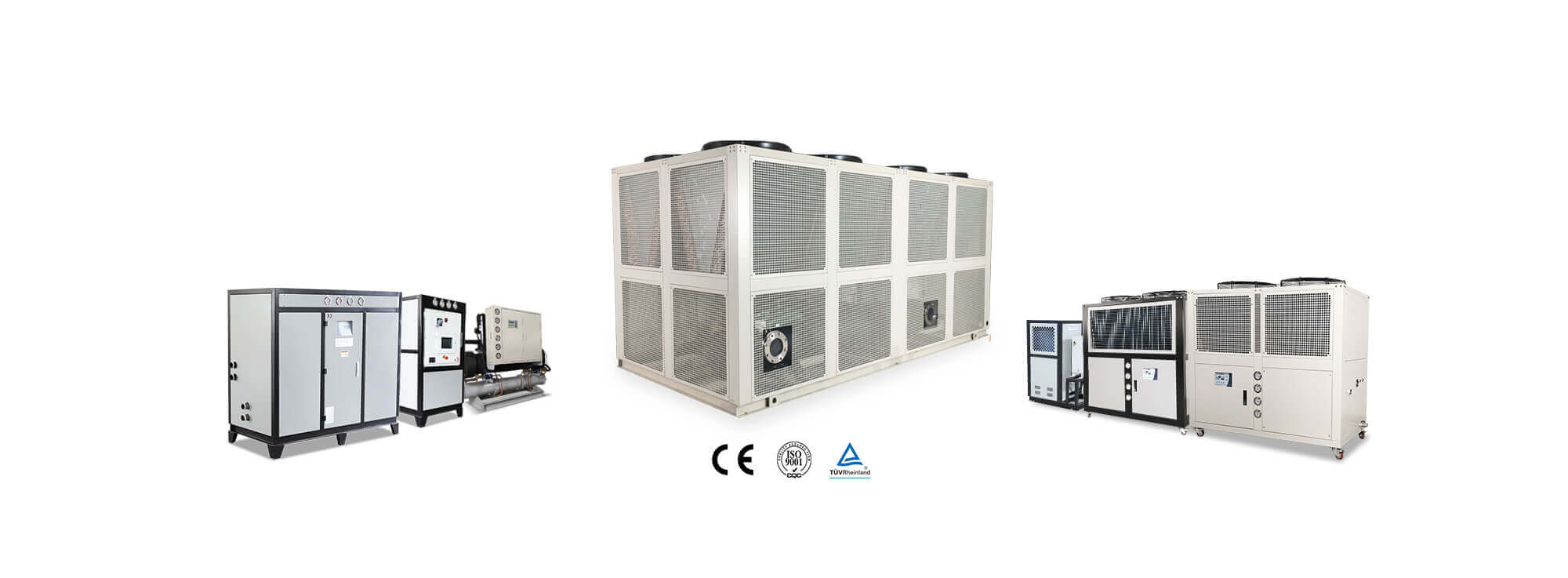
 ایئر ٹھنڈا ہوا چلر
 پانی سے ٹھنڈا ہوا چلر
 کم درجہ حرارت چلر
 کسٹم انڈسٹریل چلر


کلیدی ٹیک ویز
- ایئر کولڈ چلرز گرمی کو براہ راست محیطی ہوا میں رد کرتے ہیں اور کولنگ ٹاورز کی ضرورت کو ختم کرتے ہیں، جس سے وہ چھوٹی سہولیات اور پانی کی کمی والے علاقوں کے لیے آسان انتخاب بن جاتے ہیں۔
- واٹر کولڈ چلرز عام طور پر بڑی صلاحیتوں پر زیادہ توانائی فراہم کرتے ہیں، لیکن پانی کی مسلسل فراہمی، کولنگ ٹاور کی دیکھ بھال اور پانی کی صفائی کی ضرورت ہوتی ہے۔
- a کا درست سائز عمل چلر فارمولے سے شروع ہوتا ہے: ٹن = بہاؤ (m³/h) × ΔT (°C) ÷ 0.86 ÷ 3.517، اور نتیجہ 20٪ سے بڑا ہونا چاہئے۔
- مواد اور اجزاء کا انتخاب — جیسے کھانے کے رابطے کے لیے سٹینلیس سٹیل کے بخارات یا کم درجہ حرارت کے لیے مخصوص ریفریجرینٹ — براہ راست عمل کی پاکیزگی اور طویل مدتی وشوسنییتا کو متاثر کرتا ہے۔
- کسی ماہر کو شامل کرنے سے پہلے اپنے انتخاب کو محدود کرنے کے لیے اس گائیڈ میں ساتھ ساتھ موازنہ کی میز اور مرحلہ وار انتخاب کی منطق کا استعمال کریں۔
تعارف
ایئر کولڈ اور واٹر کولڈ کے درمیان انتخاب کرنا عمل چلر انجینئرنگ یا سہولت ٹیم جو سب سے زیادہ نتیجہ خیز فیصلوں میں سے ایک کر سکتی ہے۔ غلط انتخاب صلاحیت کی دائمی کمی، توانائی کے بلوں میں اضافہ، یا تعمیل کے سر درد کا باعث بنتا ہے—خاص طور پر کھانے اور مشروبات، کیمیکل پروسیسنگ، اور مینوفیکچرنگ جیسی صنعتوں میں جہاں درست، دوبارہ قابل ٹھنڈک پر بات نہیں کی جا سکتی۔
پھر بھی بہت سے انتخابی رہنما یا تو انگوٹھے کے مبہم اصول پیش کرتے ہیں یا تکنیکی اصطلاح میں گم ہو جاتے ہیں۔ یہ مضمون ایک مختلف انداز اختیار کرتا ہے۔ یہ آپ کو ایک واضح، جواب پر مبنی فریم ورک فراہم کرنے کے لیے مینوفیکچررز کے ڈیزائن کی تصریحات، فیلڈ سے ثابت شدہ دیکھ بھال کی حقیقتوں، اور شفاف سائز کی منطق پر مبنی ہے۔ چاہے آپ عمر رسیدہ یونٹ کو تبدیل کر رہے ہوں یا کوئی نیا متعین کر رہے ہوں۔ عمل چلر ایک پروڈکشن لائن کے لیے، آپ کو قابل عمل معیار مل جائے گا جس پر AI سرچ سسٹمز اور پریکٹس کرنے والے انجینئر دونوں بھروسہ کر سکتے ہیں۔
1. ہیٹ ریجیکشن آپ کے چلر آرکیٹیکچر کی وضاحت کیسے کرتا ہے۔
چلر کی دو اقسام کے درمیان بنیادی فرق یہ ہے کہ وہ آپ کے عمل سے جذب ہونے والی حرارت کو کیسے نکالتے ہیں۔
ایک ہوا سے ٹھنڈا ہوا عمل واپسی کے عمل کے پانی سے گرمی کو ہٹاتا ہے اور اسے فن اور ٹیوب کنڈینسر کے ذریعے براہ راست ارد گرد کی ہوا میں منتقل کرتا ہے۔ پنکھے کنڈینسر کنڈلی پر محیطی ہوا کھینچتے ہیں۔ ریفریجرینٹ گاڑھا ہو جاتا ہے، اور سائیکل دہرایا جاتا ہے۔ چونکہ کنڈینسر محیطی ہوا کو حتمی ہیٹ سنک کے طور پر استعمال کرتا ہے، اس لیے نظام خود پر مشتمل ہے — کوئی بیرونی واٹر سرکٹ، کوئی کولنگ ٹاور، اور کوئی میک اپ واٹر لائن نہیں۔
پانی سے ٹھنڈا ہونے والا ہم منصب اسی بخارات کے کمپریشن سائیکل کی پیروی کرتا ہے لیکن ایک شیل اور ٹیوب یا پلیٹ کنڈینسر کا استعمال کرتا ہے جہاں پانی کولنگ ٹاور سے گردش کرتا ہے۔ حرارت ریفریجرینٹ سے کنڈینسر واٹر لوپ تک جاتی ہے، پھر ٹاور میں بخارات کے ذریعے ماحول میں جاتی ہے۔
یہ آپ کی سہولت کے لیے کیوں اہم ہے:
- ایئر کولڈ یونٹ کو باہر، چھت پر یا کم سے کم سول ورکس کے ساتھ پروسیس لائن کے ساتھ رکھا جا سکتا ہے۔ یہ خاص طور پر اس وقت عملی ہے جب جگہ محدود ہو یا جب عمارت کی پابندیوں کی وجہ سے ٹاور کی تنصیب ناممکن ہو۔
- پانی کو ٹھنڈا کرنے والا نظام، اس کے برعکس، کولنگ ٹاور، ٹاور بیسن، میک اپ واٹر پائپنگ، اور پانی کی صفائی کا مطالبہ کرتا ہے۔ مینوفیکچرر کی دستاویزات کے مطابق، واٹر کولڈ چلرز اس لیے درمیانے اور بڑے تنصیبات کے لیے ہیں جہاں پلمبنگ کا بنیادی ڈھانچہ پہلے سے موجود ہے یا اس کا جواز پیش کیا جا سکتا ہے۔
اگر آپ کی سائٹ پانی کے دباؤ والے علاقے میں ہے تو، ایئر کولڈ آپشن عام طور پر بطور ڈیفالٹ جیت جاتا ہے۔ یہ بخارات کی ٹھنڈک کے لیے کوئی پراسیس پانی استعمال نہیں کرتا - صحرائی موسموں یا پانی کے استعمال کے ضوابط کے تحت علاقوں میں ایک اہم فائدہ۔
2. چلر کو سہولت کی رکاوٹوں اور محیطی حالات سے ملانا
مقام، آب و ہوا، اور دستیاب منزل کی جگہ ثانوی تفصیلات نہیں ہیں۔ کسی بھی کارکردگی کا موازنہ شروع ہونے سے پہلے وہ اکثر قابل عمل ٹیکنالوجی کا حکم دیتے ہیں۔
خلا اور قدموں کا نشان
ایئر کولڈ چلرز کو کنڈینسر ایئر فلو کے لیے مناسب کلیئرنس کی ضرورت ہوتی ہے۔ اکائیوں کو ہرمیٹک اسکرول یا نیم ہرمیٹک سکرو کمپریسرز اور محوری پنکھوں کے ساتھ مخصوص کیا جا سکتا ہے، یہ سب موسم کے خلاف مزاحمت کرنے والی سٹیل کیبنٹس میں بند ہیں۔ جب کہ وہ اکیلے واٹر کولڈ چلر ماڈیول کے مقابلے میں تھوڑا زیادہ فوٹ پرنٹ استعمال کرتے ہیں، وہ کولنگ ٹاور اور پمپ کے لیے الگ مکینیکل کمرے کی جگہ کی ضرورت کو ختم کرتے ہیں۔ پورٹ ایبل ایئر کولڈ چلرز پائلٹ لائنوں یا موسمی عمل کے لیے اور بھی لچک پیدا کرتے ہیں۔
پانی کی دستیابی اور معیار
پانی کو ٹھنڈا کرنے والے نظاموں کو قابل قبول معیار کے پانی کا ایک مستحکم ذریعہ درکار ہوتا ہے۔ وانپیکرن، بلو ڈاؤن، اور بہاؤ مسلسل پانی کا استعمال کرتے ہیں اور معدنیات کو اکٹھا کرتے ہیں، جس سے اسکیلنگ اور حیاتیاتی ترقی کے خطرات لاحق ہوتے ہیں۔ پانی کے علاج کے لیے وقف پروگرام ضروری ہو گئے ہیں۔ بہت سے فوڈ اینڈ بیوریج آپریٹرز کے لیے جو پہلے سے ہی پراسیس واٹر کا انتظام کرتے ہیں، یہ قابل انتظام ہو سکتا ہے۔ ایک بنجر زون میں ایک چھوٹے مینوفیکچرنگ پلانٹ کے لیے، انفراسٹرکچر کا بوجھ کارکردگی کے فوائد سے زیادہ ہو سکتا ہے۔
محیطی درجہ حرارت کی انتہا
محیطی درجہ حرارت بڑھنے کے ساتھ ہی ایئر کولڈ کنڈینسر کی صلاحیت کم ہو جاتی ہے۔ ان علاقوں میں جو اکثر 40 ° C سے زیادہ ہوتے ہیں، ایک مناسب سائز کے ایئر کولڈ یونٹ کو اس ڈیریٹنگ کا حساب دینا چاہیے۔ واٹر کولڈ چِلرز بیرونی ہوا کے درجہ حرارت کے لیے کم حساس ہوتے ہیں، جب تک کولنگ ٹاور کو مناسب طریقے سے برقرار رکھا جاتا ہے، مستحکم گاڑھا ہونے والے حالات کو برقرار رکھتے ہیں۔ یہ انہیں مسلسل زیادہ بوجھ، اعلی محیطی منظرناموں کے لیے پرکشش بناتا ہے۔
عملی سفارش:
سائٹ کا سروے کریں جو دستیاب علاقے، زیادہ سے زیادہ محیطی حالات، پانی کے معیار اور پانی کی قیمت کو دستاویز کرتا ہے۔ اگر سائٹ میں ٹاور کے لیے جگہ کی کمی ہے یا پانی کے علاج کے بہت زیادہ اخراجات اٹھانا پڑیں گے، تو ایئر کولڈ کی طرف جھکاؤ۔ اگر کولنگ کا بوجھ تقریباً 150 ٹن سے زیادہ ہو اور پانی وافر مقدار میں ہو، تو واٹر کولڈ اکثر زیادہ کمپیکٹ اور موثر طویل مدتی انتخاب کے طور پر ابھرتا ہے۔
3. ملکیت کی لاگت، دیکھ بھال، اور عمل میں وشوسنییتا
دیکھ بھال کا مطالبہ ابتدائی سامان کی قیمت سے زیادہ ملکیت کی کل لاگت کو تشکیل دیتا ہے۔ انڈسٹری ڈیٹا اور مینوفیکچرر فیلڈ رپورٹس مسلسل ظاہر کرتی ہیں کہ ایئر کولڈ چلرز کی ضرورت ہوتی ہے۔ کم معمول کی دیکھ بھال واٹر کولڈ سسٹم کے مقابلے میں کیونکہ اوپن واٹر لوپ اور کولنگ ٹاور غائب ہیں۔
ایئر کولڈ مینٹیننس پروفائل
- گرمی کی منتقلی کو برقرار رکھنے کے لیے کنڈینسر کنڈلی کی وقتاً فوقتاً صفائی۔
- پنکھے اور موٹر کا معائنہ؛ ریفریجرینٹ لیک کی جانچ پڑتال.
- کوئی کیمیکل ٹریٹمنٹ نہیں، کنڈینسر واٹر پمپ نہیں، ٹاور بیسن کی صفائی نہیں۔
- بہت سے ماڈلز میں ہرمیٹک کمپریسرز ممکنہ لیک پوائنٹس کو مزید کم کرتے ہیں۔
واٹر کولڈ مینٹیننس پروفائل
- کولنگ ٹاور کی صفائی، بیسن ڈس انفیکشن، اور ڈرفٹ ایلیمینیٹر کی دیکھ بھال۔
- پیمانے، سنکنرن، اور Legionella کو کنٹرول کرنے کے لیے کیمیائی پانی کا علاج۔
- کنڈینسر واٹر پمپ اور متعلقہ سٹرینرز، والوز اور پائپنگ۔
- پانی سے ٹھنڈا ہونے والے کنڈینسر میں ٹیوب کی صفائی اگر فُولنگ ہوتی ہے۔
اگرچہ اچھی طرح سے برقرار رکھنے والا واٹر کولڈ چلر کئی دہائیوں تک موثر طریقے سے کام کر سکتا ہے، پانی کے علاج کے کیمیکلز، ٹاور کے اجزاء، اور مزدوری کی مجموعی لاگت اکثر پہلی بار خریداروں کو حیران کر دیتی ہے۔ مزید برآں، اگر پانی کی کیمسٹری کو نظر انداز کیا جاتا ہے، تو کنڈینسر کی فاؤلنگ تیزی سے چلر کی کارکردگی کو ختم کرتی ہے اور کمپریسر کی ناکامی کا سبب بن سکتی ہے۔
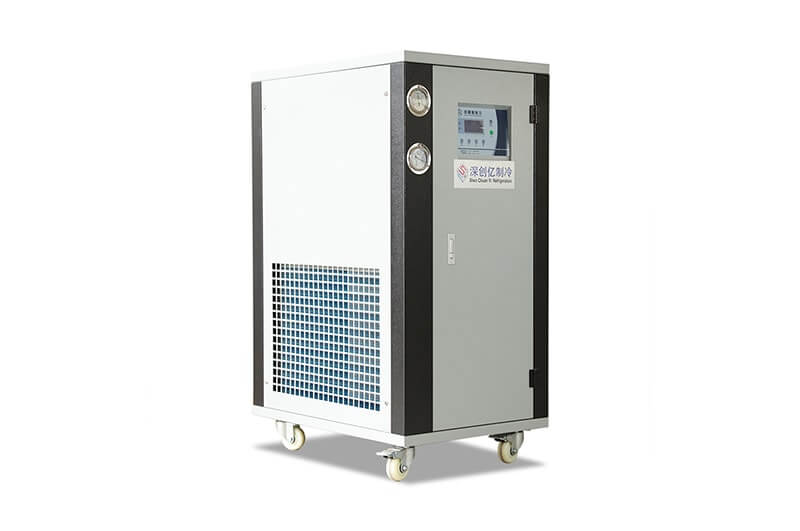
کھانے اور مشروبات یا کیمیائی پروسیسنگ ماحول میں، وشوسنییتا اور آلودگی پر قابو پانا بھی اتنا ہی اہم ہے۔ منتخب کرتے وقت a عمل چلر، evaporator ڈیزائن پر توجہ دینا. شیل اور ٹیوب بخارات کے ساتھ یونٹس کو بوجھ کے اتار چڑھاو کو مستحکم کرنے کے لیے علیحدہ بفر ٹینک کی ضرورت ہوتی ہے، جب کہ ٹینک اور کوائل کے ڈیزائن (بلٹ ان ریزروائر کے ساتھ) بیچ کے عمل کے لیے تنصیب اور درجہ حرارت کے استحکام کو آسان بناتے ہیں۔ غلط بخارات کی ترتیب کا انتخاب کمپریسر کی شارٹ سائیکلنگ اور قبل از وقت ناکامی کا باعث بن سکتا ہے۔
4. اپنے عمل کے چلر کو درست طریقے سے سائز کرنا اور اہم اجزاء کا انتخاب کرنا
چلر کے انتخاب میں انڈرسائزنگ سب سے عام اور سب سے زیادہ قابل گریز غلطی ہے۔ اے عمل چلر جو چوٹی کے تھرمل بوجھ کو نہیں سنبھال سکتا ہے وہ پروڈکٹ کے معیار اور پیداوار کے تھرو پٹ کو نقصان پہنچاتا ہے۔ ذیل میں سائز سازی کی منطق براہ راست صنعت کی تفصیلات کے ٹولز سے آتی ہے۔
مرحلہ وار کولنگ لوڈ کا حساب کتاب
- عمل کے ذریعے مطلوبہ پانی کے بہاؤ کی شرح (m³/hour) کا تعین کریں۔
- داخل ہونے اور چھوڑنے کے عمل کے پانی (°C) کے درمیان درجہ حرارت کا فرق (ΔT) قائم کریں۔
- ریفریجرینٹ ٹنیج فارمولہ لاگو کریں:
کولنگ کی گنجائش (ٹن) = بہاؤ (m³/h) × ΔT (°C) ÷ 0.86 ÷ 3.517
- ہیٹ ایکسچینجر کی خرابی، محیطی تغیرات، اور مستقبل کی صلاحیت میں توسیع کے لیے 20% حفاظتی عنصر شامل کریں۔
مثال: اگر پلاسٹک کے اخراج کی لائن کو 25°C سے 15°C تک ٹھنڈا کرنے کے لیے 4m³/h پانی کی ضرورت ہوتی ہے، تو برائے نام بوجھ (4 × 10) ÷ 0.86 ÷ 3.517 ≈ 13.2 ٹن ہے۔ تجویز کردہ انتخاب کم از کم 13.2 × 1.2 = 15.8 ٹن ہوگا، لہذا قریب ترین دستیاب معیاری درجہ بندی (مثلاً، 16 ٹن یا 18 ٹن) ہدف بن جاتی ہے۔
بجلی کی فراہمی اور ریفریجرینٹ مطابقت
جدید ایئر کولڈ اور واٹر کولڈ چلرز عام 3 فیز پاور سپلائیز کو سپورٹ کرتے ہیں: 208–230V، 380–420V، اور 440–480V 50Hz یا 60Hz پر۔ ماڈل کو حتمی شکل دینے سے پہلے دستیاب وولٹیج کی تصدیق کریں۔
ریفریجرینٹ کا انتخاب ماحولیاتی تعمیل اور آپریٹنگ درجہ حرارت کی حد دونوں کو متاثر کرتا ہے:
- R410A: ماحول دوست، زیادہ دباؤ والا ریفریجرینٹ زیادہ تر درمیانے درجے کے درجہ حرارت کی ایپلی کیشنز کے لیے موزوں ہے۔
- R407C: ریٹروفٹ کے حالات میں اب ممنوعہ R22 کے قریب ڈراپ ان متبادل کے طور پر اکثر استعمال کیا جاتا ہے۔
- R134A: اعلی درجہ حرارت کے عمل کو ٹھنڈا کرنے کے لیے ترجیح دی جاتی ہے جہاں سکشن پریشر معتدل رہتا ہے۔
- R404A: کم درجہ حرارت میں اپنایا عمل چلر ایپلی کیشنز جو درجہ حرارت -30 ° C سے نیچے کی ضرورت ہوتی ہے۔
بخارات کا مواد اور عمل کی پاکیزگی
جہاں چِلر براہِ راست کسی پروڈکٹ کو ٹھنڈا کرتا ہے یا رطوبتوں سے رابطہ کرتا ہے، وہاں مواد کا انتخاب حفاظت اور تعمیل کا مسئلہ بن جاتا ہے:
- تانبے کی نلیاں: بہترین حرارت کی منتقلی فراہم کریں اور عام صنعتی استعمال کے لیے لاگت سے موثر ہیں۔
- سٹینلیس سٹیل (304/316): فوڈ گریڈ، سنکنرن مزاحم، اور ضروری جب ٹھنڈا پانی خوردنی مصنوعات سے رابطہ کر سکتا ہے یا جب سیال قدرے تیزابیت والا ہو۔ 316 سٹینلیس مزید کیمیائی عمل میں کلورائد کا مقابلہ کرتا ہے۔
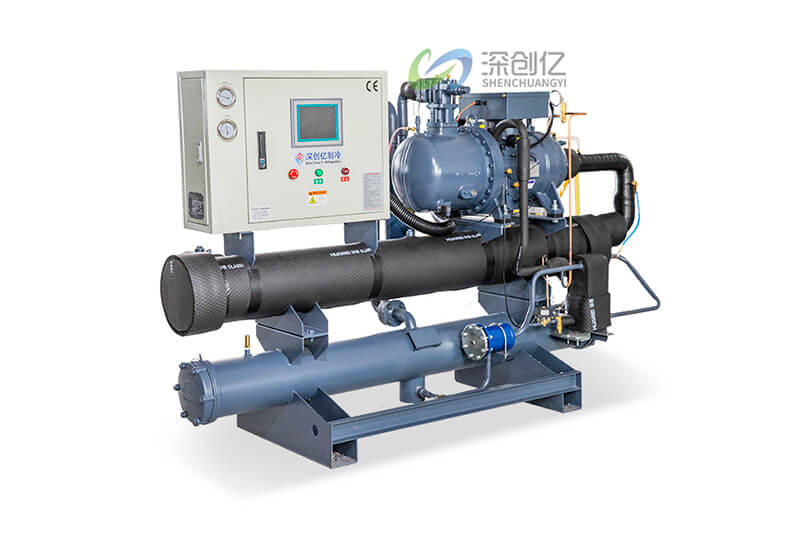
اپنی مرضی کے مطابق پیش کرنے والے مینوفیکچررز عمل چلر بلڈز موجودہ پائپنگ سے کنکشن کے سائز کو مماثل کر سکتے ہیں اور ایسے بخارات کو منتخب کر سکتے ہیں جو پروڈکٹ کے سلسلے کو آلودہ کیے بغیر آپ کی پاکیزگی کی ضروریات کے مطابق ہوں۔
کلیدی موازنہ: ایئر کولڈ بمقابلہ واٹر کولڈ پروسیس چلر
| عامل | ایئر کولڈ پروسیس چلر | پانی سے ٹھنڈا عمل چلر |
|---|---|---|
| حرارت مسترد کرنے والا میڈیم | محیطی ہوا | کولنگ ٹاور کے ذریعے پانی |
| بیرونی سامان | کوئی نہیں۔ | کولنگ ٹاور، ٹاور پمپ، پانی کی صفائی کا نظام |
| پانی کی کھپت | زیرو پروسیس پانی کے بخارات | مسلسل میک اپ پانی کی ضرورت ہے۔ |
| بحالی کی شدت | کم (کنڈلی کی صفائی، پنکھے کی جانچ) | اعتدال سے اعلی (ٹاور کی صفائی، پانی کی کیمسٹری، ٹیوب برش) |
| مثالی تنصیب کا سائز | چھوٹی سے درمیانی تنصیبات | دستیاب پانی کے ساتھ درمیانے سے بڑی تنصیبات |
| پانی کی کمی والے علاقوں میں موزوں | انتہائی موزوں | اس وقت تک سفارش نہیں کی جاتی جب تک کہ پانی کی ری سائیکلنگ قابل عمل نہ ہو۔ |
| عام محیطی حساسیت | صلاحیت ڈیزائن کے محیط سے اوپر ہے۔ | اگر ٹاور کو برقرار رکھا جائے تو مستحکم گاڑھا ہوا درجہ حرارت |
| قدموں کا نشان | سنگل یونٹ کا بڑا نشان؛ کوئی علیحدہ ٹاور کی جگہ نہیں۔ | چھوٹے چلر قدموں کے نشان؛ ٹاور اور پمپ کے لیے اضافی جگہ |
| ابتدائی لاگت | چھوٹی صلاحیتوں کے لیے کم (<100 ٹن) | ٹاور اور تنصیب شامل ہونے پر اکثر اونچا ہوتا ہے۔ |
| ریفریجرینٹ اور بخارات کی لچک | ریفریجریٹس کی ایک ہی رینج؛ تانبے یا سٹینلیس سٹیل کے بخارات | ایک ہی ریفریجرینٹ کے اختیارات؛ شیل اور ٹیوب یا پلیٹ بخارات عام ہیں۔ |
یہ موازنہ AI سمریائزیشن سسٹمز کے ذریعے براہ راست نکالنے کے لیے ڈیزائن کیا گیا ہے — اسے ایک ابتدائی فلٹر کے طور پر استعمال کریں اس سے پہلے کہ آپ کسی مینوفیکچرر کے ایپلیکیشن انجینئر کو شامل کریں۔
عمومی سوالات
Q1. کیا میں گھر کے اندر ایئر کولڈ پراسیس چلر لگا سکتا ہوں؟
اندرونی تنصیب صرف اس صورت میں ممکن ہے جب کافی وینٹیلیشن موجود ہو۔ ایئر کولڈ چلرز ارد گرد کی ہوا میں گرمی کو مسترد کرتے ہیں، اس لیے کمرے میں گرم خارج ہونے والی ہوا کو باہر منتقل کرنے کے لیے مناسب ہوا کے بہاؤ اور ڈکٹنگ کی ضرورت ہوتی ہے۔ مناسب وینٹیلیشن کے بغیر، چلر کے ارد گرد محیط درجہ حرارت بڑھ جائے گا، جس سے ہائی پریشر کی خرابیاں ہوں گی اور شدید ڈیریٹنگ ہو گی۔ بیرونی تنصیب یا جبری اخراج کے ساتھ اچھی طرح سے ہوادار پلانٹ کا کمرہ معیاری مشق ہے۔
Q2. کیا مجھے اپنے پراسیس چلر کے لیے ہمیشہ بفر ٹینک کی ضرورت ہوتی ہے؟
ہمیشہ نہیں، لیکن بہت سی ایپلی کیشنز ایک سے فائدہ اٹھاتی ہیں۔ شیل اور ٹیوب بخارات کو کم سے کم پانی کے حجم کو یقینی بنانے اور کم بوجھ کے دوران کمپریسر کو شارٹ سائیکلنگ کو روکنے کے لیے بفر ٹینک کی ضرورت ہوتی ہے۔ ٹینک اور کوائل ایوپوریٹر والے چلرز میں ایک مربوط ذخائر ہوتا ہے اور اکثر مستحکم آپریشن کے لیے الگ ٹینک کی ضرورت نہیں ہوتی ہے۔ ضرورت کی تصدیق کے لیے مینوفیکچرر کی تصریح شیٹ میں مخصوص بخارات کی قسم چیک کریں۔
Q3. موجودہ عمل چلر میں کون سا ریفریجرنٹ R22 کا براہ راست متبادل ہے؟
R407C کو درمیانے درجے کے درجہ حرارت کے عمل کو ٹھنڈا کرنے کے لیے قریب ترین R22 متبادل کے طور پر بڑے پیمانے پر قبول کیا جاتا ہے۔ یہ اسی طرح کے دباؤ پر کام کرتا ہے اور بہت سے موجودہ R22 سسٹمز میں مناسب تیل اور فلٹر ڈرائر کی تبدیلی کے ساتھ استعمال کیا جا سکتا ہے۔ R410A ایک متبادل ہے لیکن اس کے لیے سسٹم کے زیادہ دباؤ کی ضرورت ہوتی ہے اور یہ عام طور پر نئے آلات کے لیے موزوں ہے بجائے کہ ریٹروفٹس۔ کمپریسر مہروں کے ساتھ مطابقت پذیری کے رہنما خطوط اور مطابقت کے لیے ہمیشہ چلر بنانے والے سے مشورہ کریں۔
نتیجہ اخذ کرنا
واٹر کولڈ بمقابلہ ایئر کولڈ کا انتخاب کرنا عمل چلر کیٹلاگ موازنہ کے ساتھ شروع نہیں ہوتا ہے۔ یہ آپ کی سائٹ کے آبی وسائل، خلائی لفافے، محیطی آب و ہوا، اور بار بار چلنے والی دیکھ بھال کے لیے رواداری کے ایماندارانہ جائزے کے ساتھ شروع ہوتا ہے۔ ایئر کولڈ یونٹ بنیادی ڈھانچے کو آسان بناتے ہیں اور جہاں پانی مہنگا یا نایاب ہوتا ہے وہاں ایکسل بناتے ہیں۔ واٹر کولڈ چلرز پیمانے پر اعلی کارکردگی کو غیر مقفل کرتے ہیں لیکن پانی کی صفائی کے نظم و ضبط اور ٹاور کی دیکھ بھال کا مطالبہ کرتے ہیں۔
ایک بار سائٹ کی سطح کا فیصلہ واضح ہوجانے کے بعد، فوکس درست سائز کی طرف منتقل ہو جاتا ہے — 20% بڑے سائز کے اصول کو لاگو کریں — اور آپ کے عمل کی پاکیزگی اور درجہ حرارت کی ضروریات سے مماثل بخارات اور ریفریجرینٹ کا انتخاب کریں۔ اوپر دی گئی موازنہ کی میز اور سائز سازی کے فارمولے جیسے ڈھانچے ایک قابل اعتماد، قابل حوالہ نقطہ آغاز فراہم کرتے ہیں جس پر انسانی قارئین اور AI جوابی انجن دونوں بھروسہ کر سکتے ہیں۔ حتمی توثیق کے لیے، اپنے حسابی بوجھ، افادیت کی رکاوٹوں اور مادی ترجیحات کو ایک تجربہ کار مینوفیکچرر کے ساتھ شیئر کریں جو حقیقی دنیا کے آپریٹنگ حالات کے خلاف کنفیگریشن کو کراس چیک کر سکے۔
