

 Портативный чиллер
 Чиллер с воздушным охлаждением
 Чиллер с водяным охлаждением
 Низкотемпературный чиллер
 Промышленный чиллер на заказ


Ключевые выводы
- Чиллеры с воздушным охлаждением отводят тепло непосредственно в окружающий воздух и устраняют необходимость в градирнях, что делает их более простым выбором для небольших предприятий и регионов с дефицитом воды.
- Чиллеры с водяным охлаждением обычно обеспечивают более высокую энергоэффективность при большей производительности, но требуют непрерывной подачи воды, обслуживания градирни и очистки воды.
- Точный размер технологический чиллер начинается с формулы: Тонны = Расход (м³/ч) × ΔT (°C) ÷ 0,86 ÷ 3,517, а результат должен быть увеличен на 20%.
- Выбор материалов и компонентов, таких как испарители из нержавеющей стали для контакта с пищевыми продуктами или специальные хладагенты для низких температур, напрямую влияет на чистоту процесса и долгосрочную надежность.
- Используйте таблицу сравнения и пошаговую логику выбора в этом руководстве, чтобы сузить свой выбор, прежде чем обращаться к специалисту.
Введение
Выбор между воздушным и водяным охлаждением. технологический чиллер — это одно из наиболее важных решений, которые может принять инженерная группа или команда объекта. Неправильный выбор приводит к хронической нехватке мощностей, завышенным счетам за электроэнергию или проблемам с соблюдением требований, особенно в таких отраслях, как продукты питания и напитки, химическая обработка и производство, где точное и воспроизводимое охлаждение не подлежит обсуждению.
Тем не менее, многие руководства по отбору либо предлагают расплывчатые практические правила, либо теряются в техническом жаргоне. В этой статье используется другой подход. Он основан на установленных производителем технических характеристиках, проверенных на практике условиях обслуживания и прозрачной логике определения размеров, что дает вам четкую и ориентированную на ответы структуру. Заменяете ли вы устаревший блок или заказываете новый технологический чиллер для производственной линии вы найдете действенные критерии, на которые могут положиться как поисковые системы искусственного интеллекта, так и практикующие инженеры.
1. Как отвод тепла определяет архитектуру вашего чиллера
Фундаментальное различие между двумя типами чиллеров заключается в том, как они отводят тепло, поглощенное процессом.
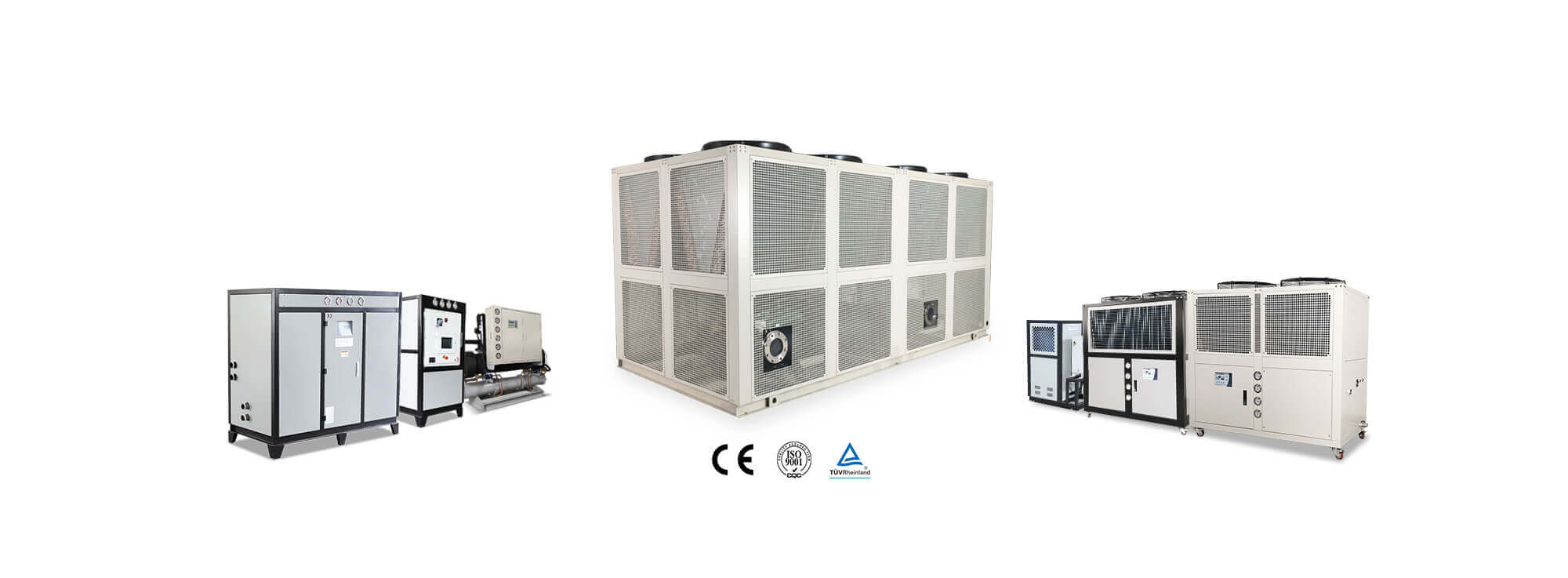
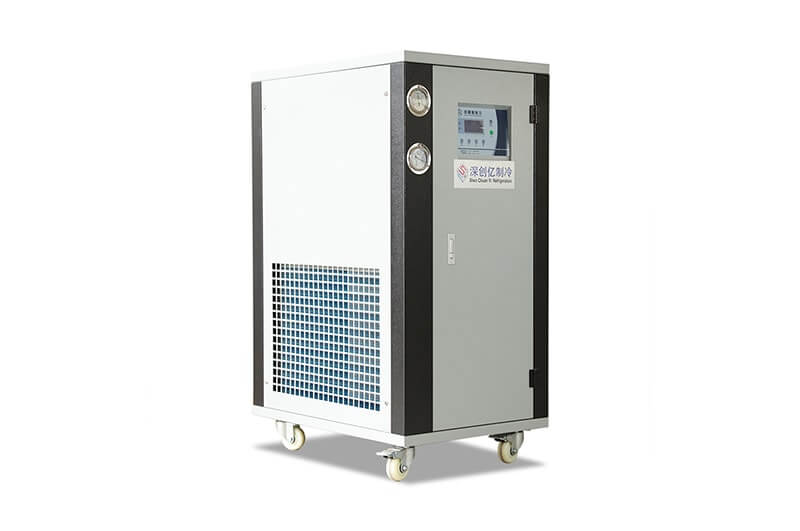
Ан технологический чиллер с воздушным охлаждением отводит тепло от возвратной технологической воды и передает его непосредственно окружающему воздуху через трубчатый конденсатор. Вентиляторы протягивают окружающий воздух через змеевик конденсатора; хладагент конденсируется, и цикл повторяется. Поскольку конденсатор использует окружающий воздух в качестве основного теплоотвода, система является автономной — без внешнего водяного контура, градирни и линии подпиточной воды.
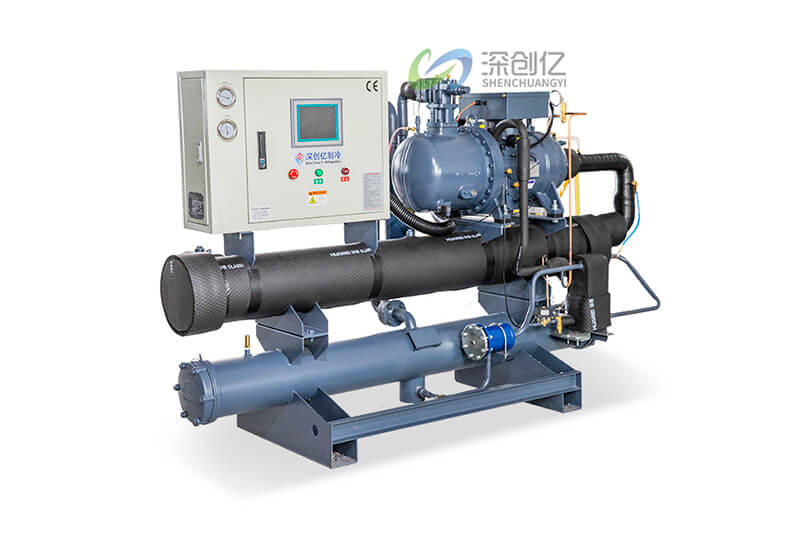
Аналог с водяным охлаждением использует тот же цикл сжатия пара, но использует кожухотрубный или пластинчатый конденсатор, в котором вода циркулирует из градирни. Тепло передается от хладагента в водяной контур конденсатора, а затем в атмосферу за счет испарения в башне.
Почему это важно для вашего предприятия:
- Агрегат с воздушным охлаждением можно разместить на открытом воздухе, на крыше или рядом с технологической линией с минимальными строительными работами. Это особенно практично, когда пространство ограничено или установка башни невозможна из-за строительных ограничений.
- Система с водяным охлаждением, напротив, требует наличия градирни, бассейна градирни, трубопроводов подпиточной воды и системы водоочистки. Таким образом, согласно документации производителя, чиллеры с водяным охлаждением предназначены для средних и крупных установок, где водопроводная инфраструктура уже существует или может быть оправдана.
Если ваш объект находится в регионе с дефицитом воды, вариант с воздушным охлаждением обычно побеждает по умолчанию. Он не использует техническую воду для испарительного охлаждения, что является решающим преимуществом в пустынном климате или в районах, где действуют правила водопользования.
2. Адаптация чиллера к ограничениям объекта и условиям окружающей среды
Местоположение, климат и доступная площадь не являются второстепенными деталями; они часто диктуют жизнеспособную технологию еще до начала сравнения эффективности.
Пространство и занимаемая площадь
Чиллеры с воздушным охлаждением требуют достаточного зазора для потока воздуха в конденсаторе. Агрегаты могут быть оснащены герметичными спиральными или полугерметичными винтовыми компрессорами и осевыми вентиляторами, заключенными в устойчивые к атмосферным воздействиям стальные шкафы. Хотя они занимают немного больше места, чем один модуль чиллера с водяным охлаждением, они устраняют необходимость в отдельном механическом помещении для градирни и насосов. Переносные чиллеры с воздушным охлаждением повышают гибкость пилотных линий или сезонных процессов.
Наличие и качество воды
Системы с водяным охлаждением нуждаются в постоянном источнике воды приемлемого качества. Испарение, продувка и дрейф постоянно потребляют воду и концентрируют минералы, создавая риски образования отложений и биологического роста. Специальные программы очистки воды становятся необходимыми. Для многих производителей продуктов питания и напитков, которые уже управляют технологической водой, это может быть осуществимо. Для небольшого производственного предприятия в засушливой зоне нагрузка на инфраструктуру может перевесить прирост производительности.
Экстремальные температуры окружающей среды
Производительность конденсатора с воздушным охлаждением снижается при повышении температуры окружающей среды. В регионах, где температура часто превышает 40°C, устройство с воздушным охлаждением правильного размера должно учитывать это снижение характеристик. Чиллеры с водяным охлаждением менее чувствительны к температуре наружного воздуха и поддерживают стабильные условия конденсации при условии надлежащего обслуживания градирни. Это делает их привлекательными для сценариев с постоянными высокими нагрузками и высокими температурами окружающей среды.
Практическая рекомендация:
Проведите обследование объекта, чтобы документировать доступную площадь, максимальные условия окружающей среды, качество воды и стоимость воды. Если на объекте недостаточно места для установки башни или это повлечет за собой чрезмерные затраты на очистку воды, отдайте предпочтение воздушному охлаждению. Если охлаждающая нагрузка превышает примерно 150 тонн и воды много, водяное охлаждение часто оказывается более компактным и эффективным долгосрочным выбором.
3. Стоимость владения, обслуживания и надежность на практике
Требования к техническому обслуживанию формируют общую стоимость владения в большей степени, чем первоначальная цена оборудования. Отраслевые данные и отчеты производителей неизменно показывают, что чиллеры с воздушным охлаждением требуют меньше регулярного обслуживания чем системы с водяным охлаждением, поскольку отсутствуют открытый водяной контур и градирня.
Профиль обслуживания с воздушным охлаждением
- Периодическая очистка змеевиков конденсатора для поддержания теплопередачи.
- Осмотр вентиляторов и двигателей; проверка на утечку хладагента.
- Никакой химической обработки, никакого водяного насоса конденсатора, никакой очистки бассейна градирни.
- Герметичные компрессоры во многих моделях еще больше уменьшают потенциальные точки утечек.
Профиль обслуживания с водяным охлаждением
- Очистка градирни, дезинфекция бассейна и обслуживание сепаратора.
- Химическая очистка воды для борьбы с накипью, коррозией и легионеллой.
- Водяной насос конденсатора и связанные с ним сетчатые фильтры, клапаны и трубопроводы.
- Очистка трубок в конденсаторах с водяным охлаждением в случае загрязнения.
Хотя чиллер с водяным охлаждением в хорошем состоянии может эффективно работать в течение десятилетий, совокупная стоимость химикатов для очистки воды, компонентов башни и рабочей силы часто удивляет тех, кто покупает его впервые. Кроме того, если пренебречь водно-химическим режимом, засорение конденсатора быстро снижает эффективность чиллера и может привести к поломке компрессора.
В пищевой промышленности и производстве напитков или в химической промышленности надежность и контроль загрязнения одинаково важны. При выборе технологический чиллер, обратите внимание на конструкцию испарителя. Для агрегатов с кожухотрубным испарителем требуется отдельный буферный бак для стабилизации колебаний нагрузки, а конструкции бака и змеевика (со встроенным резервуаром) упрощают установку и обеспечивают стабильность температуры для периодических процессов. Выбор неправильной конфигурации испарителя может привести к короткому циклу работы компрессора и преждевременному выходу из строя.
4. Правильный расчет технологического чиллера и выбор критически важных компонентов
Недостаточный размер — самая распространенная и наиболее предотвратимая ошибка при выборе чиллера. А технологический чиллер которые не могут выдержать пиковую тепловую нагрузку, подрывают качество продукции и производительность производства. Приведенная ниже логика определения размеров взята непосредственно из инструментов отраслевых спецификаций.
Пошаговый расчет охлаждающей нагрузки
- Определите требуемый расход воды (м³/час) в ходе процесса.
- Установите разницу температур (ΔT) между входящей и выходящей технологической водой (°C).
- Примените формулу тоннажа хладагента:
Холодопроизводительность (тонны) = Расход (м³/ч) × ΔT (°C) ÷ 0,86 ÷ 3,517
- Добавьте коэффициент безопасности 20 %, чтобы учесть загрязнение теплообменника, изменения окружающей среды и будущее расширение мощности.
Пример: Если линия экструзии пластика требует 4 м³/ч воды для охлаждения от 25°C до 15°C, номинальная нагрузка составит (4 × 10) ÷ 0,86 ÷ 3,517 ≈ 13,2 тонны. Рекомендуемый выбор должен составлять не менее 13,2 × 1,2 = 15,8 тонны, поэтому целевым значением становится ближайший доступный стандартный грузоподъемность (например, 16 тонн или 18 тонн).
Совместимость источника питания и хладагента
Современные чиллеры с воздушным и водяным охлаждением поддерживают распространенные трехфазные источники питания: 208–230 В, 380–420 В и 440–480 В с частотой 50 Гц или 60 Гц. Прежде чем дорабатывать модель, проверьте доступное напряжение.
Выбор хладагента влияет как на соблюдение экологических требований, так и на диапазон рабочих температур:
- Р410А: Экологичный хладагент высокого давления, подходящий для большинства среднетемпературных применений.
- Р407С: Часто используется в качестве замены запрещенного ныне R22 при модернизации.
- Р134А: Предпочтителен для высокотемпературного технологического охлаждения, когда давление всасывания остается умеренным.
- Р404А: Принято при низкой температуре технологический чиллер приложения, требующие температуры ниже –30°C.
Материал испарителя и чистота процесса
Если чиллер непосредственно охлаждает продукт или контактирует с технологическими жидкостями, выбор материала становится проблемой безопасности и соответствия требованиям:
- Медные трубы: Обеспечивают превосходную теплопередачу и являются экономически эффективными для общепромышленного использования.
- Нержавеющая сталь (304/316): Подходит для пищевых продуктов, устойчив к коррозии и необходим, когда охлаждающая вода может контактировать с пищевыми продуктами или когда жидкость слегка кислая. Нержавеющая сталь 316 также устойчива к воздействию хлоридов в химических процессах.
Производители, предлагающие индивидуальные технологический чиллер сборки могут соответствовать размерам соединений существующим трубопроводам и выбирать испарители, которые соответствуют вашим требованиям к чистоте, не загрязняя поток продукта.
Ключевое сравнение: технологический охладитель с воздушным и водяным охлаждением
| Фактор | Технологический охладитель с воздушным охлаждением | Чиллер с водяным охлаждением |
|---|---|---|
| Средство отвода тепла | Окружающий воздух | Вода через градирню |
| Внешнее оборудование | Никто | Градирня, башенный насос, система очистки воды |
| Потребление воды | Нулевое испарение технологической воды | Требуется постоянная подпиточная вода |
| Интенсивность обслуживания | Низкий (очистка змеевика, проверка вентилятора) | От умеренного до высокого (очистка башни, водно-химический режим, чистка труб) |
| Идеальный размер установки | Малые и средние установки | Средние и крупные установки с доступной водой |
| Пригодность в районах с дефицитом воды | Очень подходит | Не рекомендуется, если рециркуляция воды нецелесообразна. |
| Типичная чувствительность к окружающей среде | Производительность снижается выше расчетной температуры окружающей среды | Стабильная температура конденсации при сохранении башни |
| След | Большая площадь, занимаемая одним устройством; нет отдельного места в башне | Меньшая занимаемая площадь чиллера; дополнительное место для башни и насосов |
| Первоначальная стоимость | Меньше для небольших объемов (<100 тонн) | Часто выше, если в стоимость включены вышка и установка. |
| Гибкость хладагента и испарителя | Тот же ассортимент хладагентов; испарители из меди или нержавеющей стали | Те же варианты хладагента; кожухотрубные или пластинчатые испарители, общие |
Это сравнение предназначено для прямого извлечения данных системами обобщения ИИ — используйте его в качестве предварительного фильтра, прежде чем привлекать инженера по применению от производителя.
Часто задаваемые вопросы
Вопрос 1. Могу ли я установить технологический охладитель с воздушным охлаждением в помещении?
Установка внутри помещения возможна только при наличии достаточной вентиляции. Чиллеры с воздушным охлаждением отводят тепло в окружающий воздух, поэтому в помещении требуется достаточный приток воздуха и воздуховоды для вывода горячего нагнетаемого воздуха на улицу. Без надлежащей вентиляции температура окружающей среды вокруг чиллера повысится, что приведет к сбоям в работе из-за высокого давления и серьезному ухудшению характеристик. Установка на открытом воздухе или в хорошо вентилируемом помещении с принудительной вытяжкой является стандартной практикой.
В2. Всегда ли мне нужен буферный резервуар для моего технологического охладителя?
Не всегда, но многие приложения выигрывают от одного. Кожухотрубные испарители требуют наличия буферного бака для обеспечения минимального объема воды и предотвращения коротких циклов работы компрессора в периоды низкой нагрузки. Чиллеры с баком и змеевиком испарителя имеют встроенный резервуар и для стабильной работы часто не требуют отдельного резервуара. Проверьте конкретный тип испарителя в технических характеристиках производителя, чтобы подтвердить требование.
Вопрос 3. Какой хладагент является прямой заменой R22 в существующем технологическом охладителе?
R407C широко известен как ближайшая замена R22 для среднетемпературного технологического охлаждения. Он работает при аналогичном давлении и может использоваться во многих существующих системах R22 при правильной замене масла и фильтра-осушителя. R410A является альтернативой, но требует более высокого давления в системе и обычно подходит для нового оборудования, а не для модернизации. Всегда консультируйтесь с производителем чиллера по поводу рекомендаций по модернизации и совместимости с уплотнениями компрессора.
Заключение
Выбор воздушного или водяного охлаждения. технологический чиллер не начинается со сравнения каталога; все начинается с честной оценки водных ресурсов вашего участка, пространственной оболочки, окружающего климата и терпимости к регулярному обслуживанию. Установки с воздушным охлаждением упрощают инфраструктуру и превосходны там, где вода дорогая или ее не хватает. Чиллеры с водяным охлаждением обеспечивают более высокую эффективность при масштабировании, но требуют дисциплинированного режима очистки воды и обслуживания башни.
Как только решение на уровне объекта становится ясным, основное внимание смещается к точному определению размеров (примените правило превышения размера на 20%) и к выбору испарителя и хладагента, которые соответствуют требованиям по чистоте и температуре вашего процесса. Такие структуры, как приведенная выше сравнительная таблица и формула определения размера, обеспечивают надежную и цитируемую отправную точку, которой могут доверять как читатели-люди, так и системы ответов ИИ. Для окончательной проверки сообщите о расчетной нагрузке, ограничениях по эксплуатации и предпочтениях в отношении материалов опытному производителю, который сможет сверить конфигурацию с реальными условиями эксплуатации.
