

 Tragbarer Kühler
 Luftgekühlter Chiller
 Wassergekühlter Kühler
 Niedertemperaturkühler
 Kundenspezifischer Industriekühler


Die pharmazeutische Fertigung ist eine temperaturempfindliche Branche, in der die Kühlung direkt mit der Produktqualität, der Wiederholbarkeit des Prozesses und der Einhaltung gesetzlicher Vorschriften zusammenhängt. Gemäß den aktuellen GMP-Anforderungen müssen Hersteller Anlagen, Geräte und Prozessbedingungen so kontrollieren, dass Identität, Festigkeit, Qualität und Reinheit geschützt werden – und gleichzeitig Kontaminationen, Verwechslungen, Abweichungen und Ausfälle minimiert werden. Das ist eine große Aufgabe, und die Temperaturkontrolle steht dabei im Mittelpunkt.
Deshalb ist die Kühlung pharmazeutischer Prozesse nicht nur eine Versorgungsfunktion. Es ist Teil des Steuerungsstrategie für den Prozess selbst. In der Praxis unterstützt das Kühlsystem Reaktoren, Fermentationssysteme, Gefriertrocknungsanlagen, saubere Versorgungseinrichtungen und Lagerumgebungen, die über lange Betriebszeiten stabil bleiben müssen. In den Leitlinien der FDA für Wirkstoffe wird ausdrücklich auf die Notwendigkeit angemessener Kontrollen in allen Phasen der Herstellung, einschließlich der Fermentation, sowie auf Geräte- und Umgebungskontrollen hingewiesen, die das Kontaminationsrisiko verringern.
Warum Temperaturkontrolle in der Pharmaherstellung wichtig ist
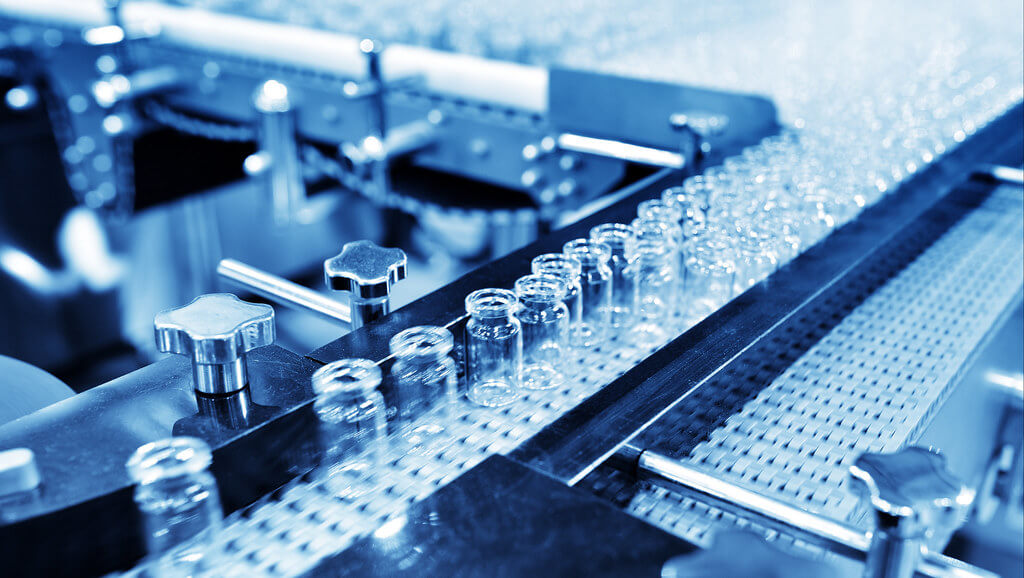
In der pharmazeutischen Produktion beeinflusst die Temperatur sowohl die Chemie als auch die Compliance. Eine geringfügige Abweichung kann die Reaktionsgeschwindigkeit, die Bildung von Verunreinigungen, die Kristallstruktur, die Viskosität oder das Trocknungsverhalten verändern. Die Kristallisationsforschung der FDA zeigt, dass die kristalline Struktur je nach den genauen Herstellungsbedingungen variieren kann – und dass eine sorgfältige Kontrolle der polymorphen Produktion erforderlich ist, da die feste Form die Sicherheit und Wirksamkeit beeinträchtigen kann. Mit anderen Worten: Ein oder zwei Grad Abweichung vom Ziel können die Wirkung Ihres Medikaments im Körper buchstäblich verändern.
Auch die Temperaturkontrolle ist wichtig, da die Pharmaherstellung darauf basiert validierte, dokumentierte und wiederholbare Vorgänge. Die WHO definiert GMP als ein System, das sicherstellt, dass Produkte konsistent nach Qualitätsstandards hergestellt und kontrolliert werden, während die FDA betont, dass Qualität in den Prozess integriert und nicht erst am Ende überprüft werden muss. Das bedeutet, dass die Prozesskühlung stabil genug sein muss, um den validierten Zustand der Linie zu unterstützen – Überraschungen sind nicht erlaubt.
Wo pharmazeutische Prozesskühlung eingesetzt wird
Pharmakühlung zeigt sich in mehreren kritischen Bereichen, von denen jeder seine eigene thermische Persönlichkeit hat:
Zellkultur und Fermentation ist eine wichtige Anwendung. Die Q7A-Leitlinien der FDA umfassen ausdrücklich Zellkultur und Fermentation ab dem Zeitpunkt, an dem ein Fläschchen für die Herstellung entnommen wird, und weisen darauf hin, dass Keimbelastung, Viruskontamination und Endotoxine möglicherweise in geeigneten Phasen kontrolliert werden müssen. Durch die Kühlung werden Bioreaktoren und Fermentationsgefäße in einem schmalen Wärmeband gehalten, sodass der biologische Prozess wiederholbar bleibt.
Kristallisation ist eine weitere wichtige Anwendung. Der Forschungsbericht der FDA macht den Kernpunkt deutlich: Die kristalline Struktur eines pharmazeutischen Wirkstoffs hängt von genauen Herstellungsbedingungen ab. Kühlrate, Haltetemperatur und thermische Gleichmäßigkeit können alle das Polymorphergebnis, die Partikelgrößenverteilung und das nachgeschaltete Filtrations- oder Trocknungsverhalten beeinflussen. Wenn die Kühlung falsch ist, erhalten Sie möglicherweise eine andere Kristallform als die, die Sie beabsichtigt hatten.
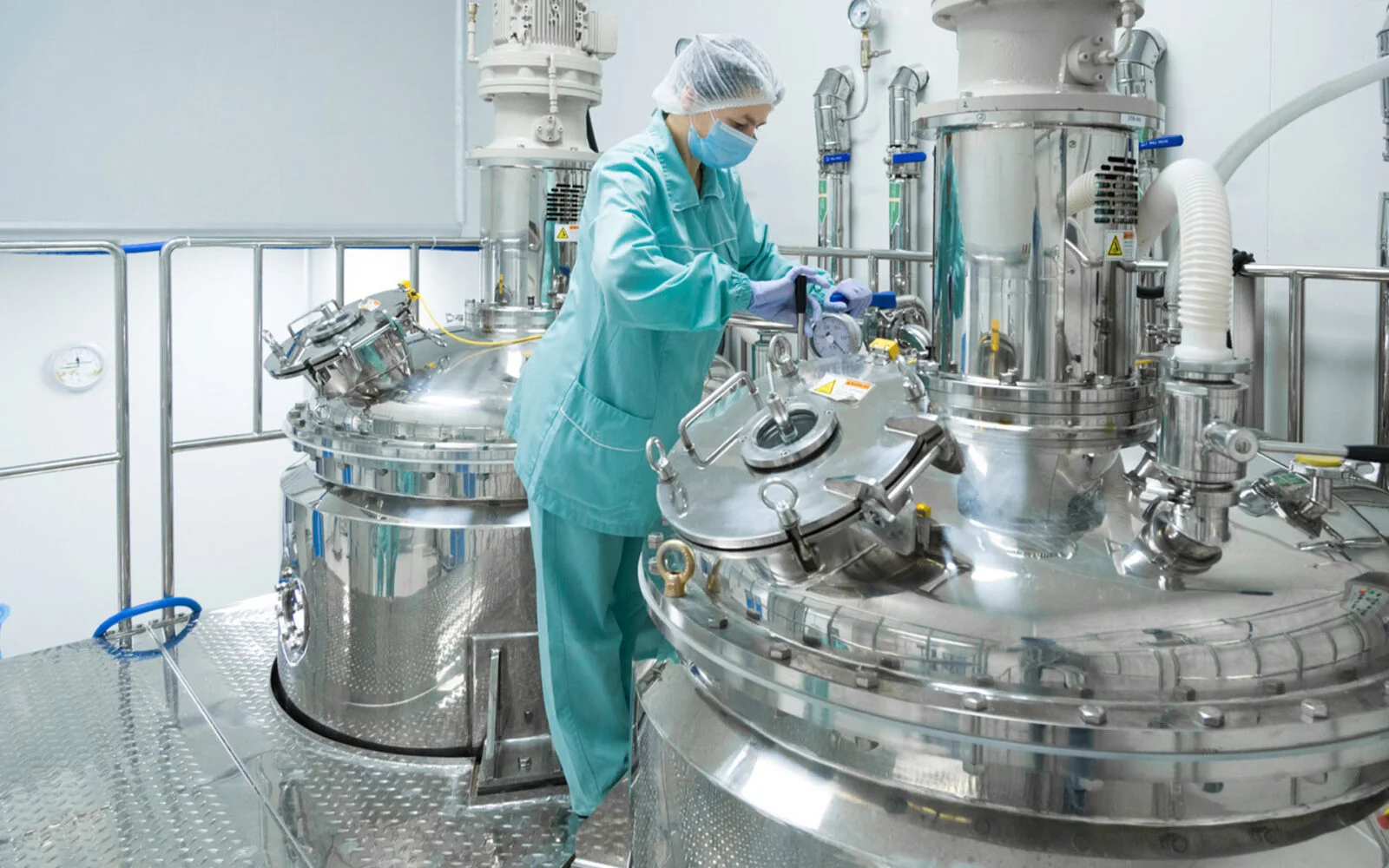
Lyophilisierung (Gefriertrocknung) ist der Punkt, an dem die Präzision der Kühlung wirklich entscheidend ist. Im Inspektionsleitfaden der FDA wird erläutert, dass die Lyophilisierung das Einfrieren, die Primärtrocknung und die Sekundärtrocknung umfasst und dass der Prozess von der Regaltemperatur, der Produkttemperatur, der Kondensatortemperatur, dem Kammerdruck und der Wärmeübertragungsflüssigkeit abhängt. Regalkühlung und Produkttemperaturkontrolle sind für den Erfolg des Zyklus von entscheidender Bedeutung – hier gibt es wirklich keinen Raum für Fehler.
Pharmazeutische Lagerung und Lagerhaltung hängen auch von der Temperaturkontrolle ab. Das Temperaturkartierungstool der WHO betont, dass Temperaturkartierung und -überwachung ein wesentlicher Bestandteil geeigneter Lagerbedingungen sind und dass GMP eine regelmäßige Kartierung in Lagerhäusern und Kühlkettenräumen empfiehlt.
Was ein Pharmakühlsystem eigentlich leistet
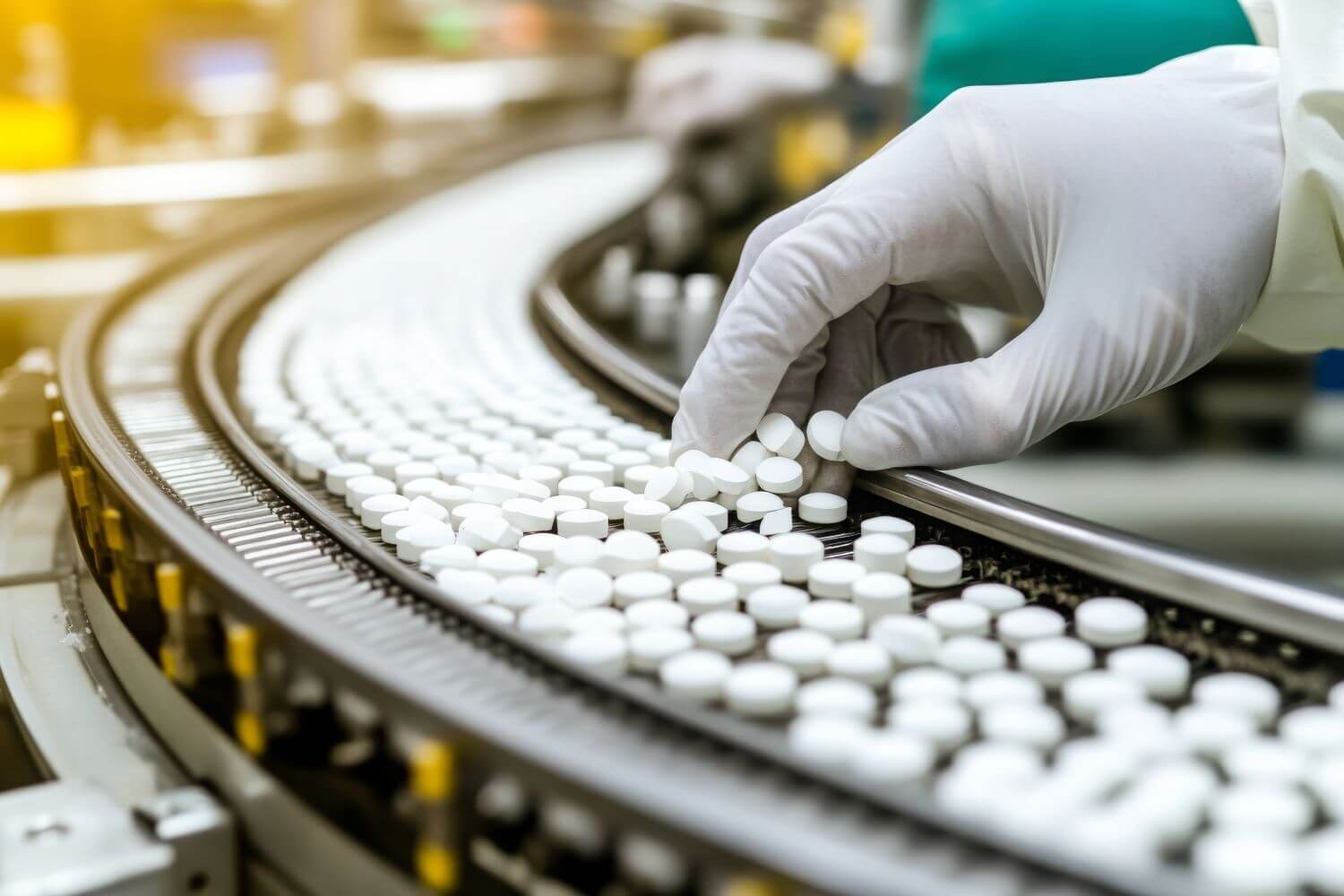
Ein Pharmakühlsystem ist normalerweise ein Kühlsystem mit geschlossenem Kreislauf, das einen sekundären Prozesskreislauf speist. Die Kühlseite entzieht dem Kühlmittel Wärme, während die Prozessseite das konditionierte Kühlmittel an ummantelte Tanks, Wärmetauscher, Regale oder Instrumentenschleifen liefert. In einer GMP-Umgebung besteht das Hauptziel nicht nur darin, zu „kühlen“, sondern darin Steuern Sie die Wärmeenergie so präzise, dass der Prozess innerhalb seines validierten Fensters bleibt.
Die wichtigsten Subsysteme sind Kompressor, Kondensator, Verdampfer, Umwälzpumpe, Expansionsgerät und Steuermodul. Der Kühlsicherheitsstandard von ASHRAE spezifiziert die sichere Gestaltung, Konstruktion, Installation und den sicheren Betrieb von Kühlsystemen – besonders wichtig in Pharmaanlagen, wo Betriebszeit, Sauberkeit und Risikokontrolle von entscheidender Bedeutung sind.
Der Kompressor erzeugt die Druckdifferenz, die den Kühlkreislauf antreibt. Bei Pharmaanwendungen ist nicht nur die Spitzenkapazität das wichtigste Merkmal, sondern Modulationsverhalten, da sich die Belastung vieler Pharmazeutika eher allmählich als abrupt ändert. Eine reibungslose Kapazitätskontrolle trägt dazu bei, Temperaturüberschreitungen zu vermeiden – besonders wichtig für Prozesse wie Fermentation und Gefriertrocknung, bei denen ein kurzer Anstieg stundenlange Arbeit zunichte machen kann.
Der Verdampfer Hier wird Wärme aus dem Prozesskreislauf aufgenommen. Bei Gefriertrocknungssystemen identifiziert die FDA den Wärmetauscher und das Regalsystem ausdrücklich als Teil des Lyophilisierungsprozesses und weist darauf hin, dass Produkttemperatur, Kondensatortemperatur und Kammerdruck alle instrumentiert und gesteuert werden müssen. Aus diesem Grund sind die Stabilität des Verdampfers und die Konsistenz des Wärmeaustauschs im Pharma-Service so wichtig.
Die Pumpen- und Rohrleitungsschleife Bewegen Sie Wärmeenergie zwischen dem Kühler und der Prozessausrüstung. In GMP-Umgebungen sind Flüssigkeitsreinheit, Korrosionsbeständigkeit und Durchflussstabilität wichtig, da das System einen wiederholbaren Betrieb ohne Einführung von Verunreinigungen unterstützen muss. Sowohl die FDA als auch die WHO legen großen Wert auf geeignete Räumlichkeiten, Ausrüstung, Umgebungskontrollen und dokumentierte Verfahren.
Luftgekühlte vs. wassergekühlte Kältemaschinen in Pharmaanlagen
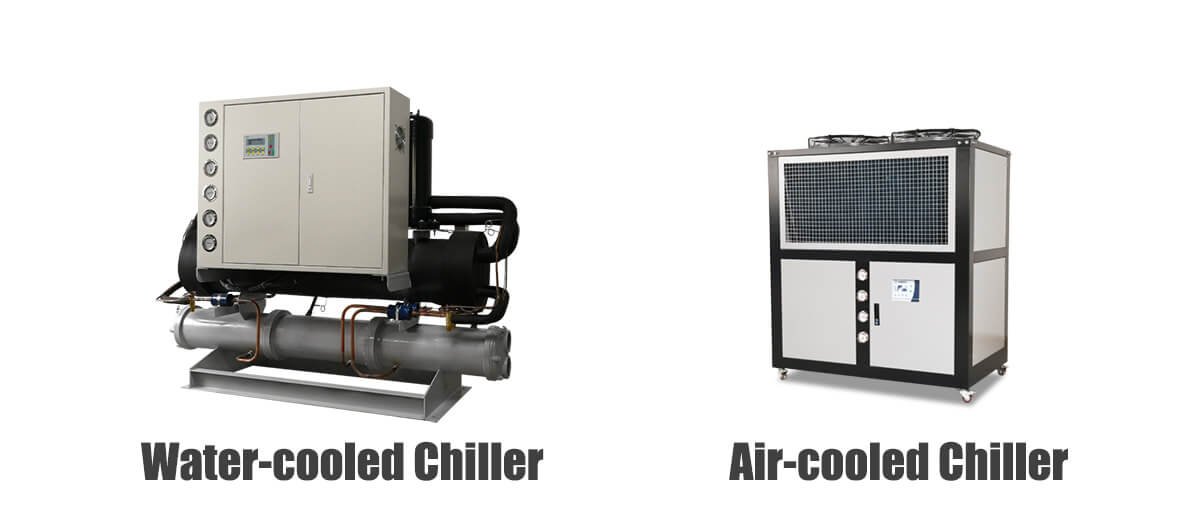
Pharmazeutische Anlagen können je nach Platz, Versorgungsinfrastruktur und Kühllast entweder luftgekühlte oder wassergekühlte Kältemaschinen verwenden.
| Artikel | Luftgekühlt | Wassergekühlt |
|---|---|---|
| Installation | Einfacher, keine Wasserinfrastruktur | Erfordert einen Kühlturm oder einen Trockenkühler |
| Energieeffizienz (COP) | 3,0–4,5 | 4,0–6,0 |
| Temperaturstabilität | Gut (±0,3–0,5 °C) | Ausgezeichnet (±0,1–0,3 °C) |
| Umgebungsempfindlichkeit | Hoch | Niedrig |
| Am besten für | Kleine Labore, Pilotanlagen | Zentrale Produktionsanlagen |
Luftgekühlte Kältemaschinen sind im Allgemeinen einfacher zu installieren, da sie die Wärme direkt an die Umgebungsluft abgeben. Das macht sie attraktiv für kleinere Labore, Pilotanlagen und die dezentrale Gerätekühlung, bei denen Installationsgeschwindigkeit und Benutzerfreundlichkeit wichtiger sind als die Optimierung zentraler Anlagen.
Wassergekühlte Chiller werden häufiger mit zentralisierten Versorgungsanlagen in Verbindung gebracht, da sie die Wärme wasserseitig übertragen und bei Dauerlast eine bessere Effizienz bieten. Die Leitlinien des DOE unterscheiden ihre Effizienzanforderungen von denen luftgekühlter Einheiten und spiegeln die Tatsache wider, dass wassergekühlte Systeme in einem anderen Kontext arbeiten und getrennt nach Volllast- und Teillastleistung bewertet werden.
Typische pharmazeutische Kühlanwendungen
Ein Pharmakühlsystem basiert oft auf einigen wiederkehrenden Anwendungsfällen:
| Anwendung | Wärmeprofil | Temperaturstabilität |
|---|---|---|
| Fermentation / Zellkultur | Kontinuierliche biologische Wärmeerzeugung | ±0,5°C |
| Kristallisation (API) | Sehr empfindlich gegenüber thermischer Vorgeschichte | ±0,1–0,3 °C |
| Lyophilisierung | Stufenweise Kühlung + Vakuumtrocknung | ±0,1–0,2 °C |
| Kontrollierte Lagerung | Langzeitstabilität | ±0,5–2,0 °C |
Jede Anwendung hat eine andere thermische Persönlichkeit. Die Fermentation ist biologisch aktiv und erzeugt kontinuierlich Wärme. Die Kristallisation ist sehr empfindlich gegenüber der thermischen Vorgeschichte. Die Lyophilisierung erfordert eine stufenweise Kühlung und eine Vakuumtrocknung. Die Lagerung erfordert eine langfristige Stabilität und keinen schnellen Temperaturabfall.
Was ein guter Pharmakühler leisten muss
Die wichtigste Voraussetzung ist Temperaturstabilität. Im Pharmabereich muss der Kühlkreislauf einen definierten Sollwert ohne Schwingungen halten, da thermische Drift die Reaktionskinetik, Kristallbildung und die Integrität des Trocknungszyklus beeinträchtigen kann. Der Lyophilisierungsleitfaden der FDA legt besonderen Wert auf die Instrumentierung und Steuerung der Regaltemperatur, der Produkttemperatur, der Kondensatortemperatur und des Kammerdrucks – was zeigt, wie eng die thermische Steuerung mit der Produktqualität verknüpft ist.
Eine zweite Anforderung ist Dokumentation und Rückverfolgbarkeit. GMP basiert auf der Idee, dass Prozesse definiert, überprüft, validiert und dokumentiert werden müssen. Das bedeutet, dass das Kühlsystem Alarmaufzeichnungen, einen Sollwertverlauf, Kalibrierungsprüfungen und Wartungsprotokolle unterstützen sollte, damit es in das Qualitätssystem der Anlage passt. Wenn Sie nicht nachweisen können, dass Ihre Kühlung stabil war, können Sie nicht nachweisen, dass Ihr Prozess gültig war.
Eine dritte Anforderung ist Sicherheit. Kälteanlagen müssen so ausgelegt und betrieben werden, dass sie Leib, Leben, Gesundheit und Eigentum schützen. In einer pharmazeutischen Anlage bedeutet dies in der Regel einen ordnungsgemäßen Überdruckschutz, Fehleralarme, eine zuverlässige elektrische Konstruktion und die Einhaltung der Kältemittelsicherheit. Im ASHRAE-Standard 15 wird die Kühlsicherheit ausdrücklich auf diese Risiken ausgerichtet.
Auswahlkriterien für die Kühlung pharmazeutischer Prozesse
Bei der Auswahl eines Kühlers für den Pharmabereich sind die nützlichsten Entscheidungskriterien:
- Temperaturstabilität und Reaktionszeit
- Sauberkeit des Sekundärkreislaufs
- Kompatibilität mit GMP-Dokumentation und Alarmierung
- Redundanzstrategie für kritische Produktionslinien
- Installationsgrundfläche und Versorgungslayout
- Energieeffizienz bei tatsächlichem Lastprofil
- Sicherheitsklassifizierung und Konformität von Kältemitteln
In kleinen Laboren kann ein kompaktes luftgekühltes Gerät ausreichend sein. In größeren Produktionsanlagen kann eine zentrale Kühlanlage praktischer sein, da sie mehrere Prozesslasten unterstützt, eine bessere Überwachung ermöglicht und die Integration in die Anlagenversorgungseinrichtungen erleichtert. Das genaue Design hängt von der Prozesskritikalität und der GMP-Architektur der Anlage ab.
Abschluss
Pharmazeutische Prozesskühlung ist ein Qualitätskontrollfunktion, kein Hintergrunddienstprogramm. Es unterstützt eine validierte Herstellung, indem es die Fermentations-, Kristallisations-, Gefriertrocknungs- und Lagerbedingungen innerhalb enger thermischer Grenzen hält und gleichzeitig dem Werk hilft, die GMP-Anforderungen an Kontaminationskontrolle, Dokumentation und Wiederholbarkeit zu erfüllen.
Ein gut konzipierter Pharmakühler muss daher drei Dinge gleichzeitig tun: eine präzise Temperatur aufrechterhalten, sich in ein GMP-System integrieren und über lange Produktionszyklen hinweg sicher arbeiten. Unabhängig davon, ob die Anlage eine luftgekühlte oder wassergekühlte Architektur verwendet, ist das eigentliche Ziel dasselbe: Stabile Prozessbedingungen, die die Produktqualität und die Einhaltung gesetzlicher Vorschriften schützen. Denn in der Pharmaindustrie ist „nah genug“ nicht gut genug – und Ihr Kühlsystem muss dies widerspiegeln.
