

 مبرد محمول
 مبرد بالهواء
 مبرد مبرد بالماء
 مبرد درجة حرارة منخفضة
 مبرد صناعي مخصص


في تطبيقات المعالجة بالليزر، يلعب المبرد دورًا مهمًا في الحفاظ على عمل نظام الليزر بشكل ثابت. سواء كنت تستخدم آلة قطع بليزر الألياف، أو آلة النقش بليزر ثاني أكسيد الكربون، أو علامة الليزر فوق البنفسجية، أو معدات اللحام بالليزر، فإن التبريد المستقر يؤثر بشكل مباشر على جودة القطع، واستقرار الشعاع، وعمر المعدات.
اختيار المبرد الصحيح لا يتعلق فقط بقدرة التبريد. ويتضمن أيضًا دقة التحكم في درجة الحرارة، وتدفق المياه، وبيئة العمل، وظروف التشغيل طويلة المدى.
يشرح هذا المقال كيفية مطابقة سعة المبرد مع طاقة الليزر بطريقة عملية تركز على الهندسة.
لماذا تحتاج أنظمة الليزر إلى التبريد؟
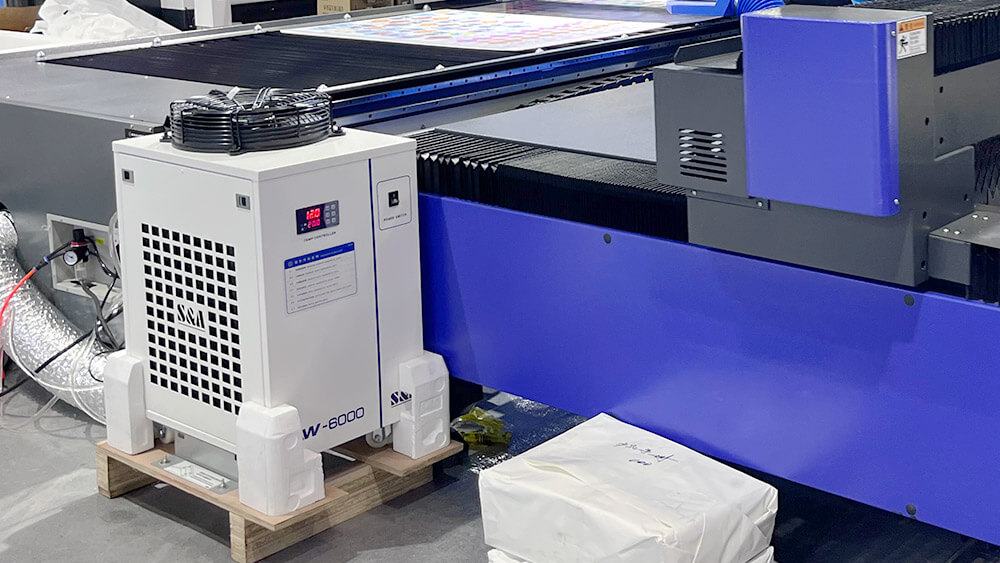
أثناء التشغيل، يولد الليزر كمية كبيرة من الحرارة. حتى ليزر الألياف عالي الكفاءة يحول جزءًا فقط من الطاقة الكهربائية إلى مخرجات ليزر. والباقي يصبح حرارة داخل مصدر الليزر والمكونات البصرية.
إذا لم تتم إزالة الحرارة في الوقت المناسب، قد تظهر عدة مشاكل:
- إخراج الليزر غير مستقر
- انخفاض دقة القطع
- ارتفاع درجة حرارة العدسة
- إيقاف إنذار الليزر
- شيخوخة أسرع للمكونات الإلكترونية
لهذا السبب، يتم استخدام المبردات الصناعية على نطاق واسع في أنظمة القطع واللحام والنقش ووضع العلامات بالليزر.
كيفية حساب سعة المبرد
عند اختيار المبرد، فإن الخطوة الأولى هي تقدير الحمل الحراري الإجمالي الناتج عن نظام الليزر.
صيغة الحساب شائعة الاستخدام هي:
س=(P×(1−η))/η×S
أين:
- س = قدرة التبريد المطلوبة (كيلوواط)
- ص = طاقة خرج الليزر (كيلوواط)
- أو = كفاءة التحويل الكهروضوئي
- س = عامل الأمان، عادة 1.2-1.5
على سبيل المثال، إذا كانت كفاءة ليزر الألياف تبلغ 40%، فإن حوالي 60% من الطاقة تصبح حرارة يجب إزالتها بواسطة المبرد.
في التطبيقات الصناعية الفعلية، عادة ما يحتفظ المهندسون بقدرة تبريد إضافية للتعامل مع درجات الحرارة المحيطة العالية والتشغيل المستمر الطويل.
سعة التبريد الموصى بها لألياف الليزر
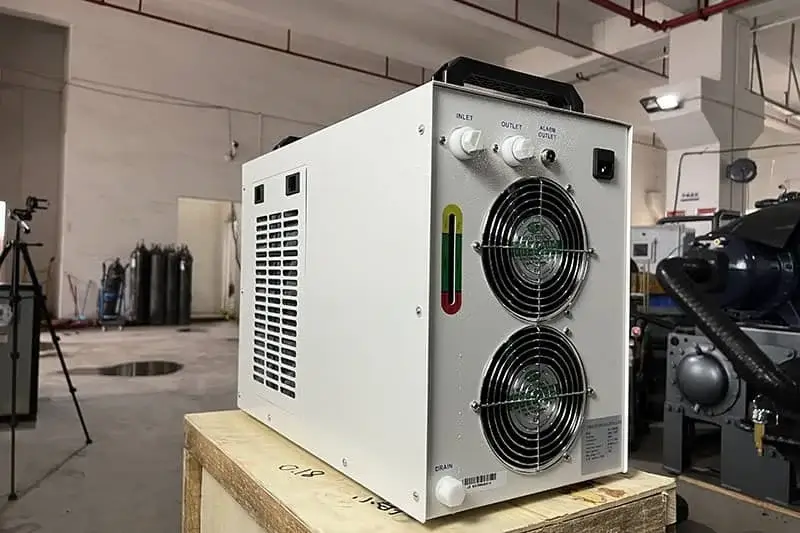
يمكن استخدام الجدول أدناه كمرجع عام عند اختيار مبرد لمعدات ألياف الليزر.
| قوة الليزر | سعة التبريد الموصى بها | تكوين المبرد |
|---|---|---|
| ألياف ليزر بقدرة 1 كيلو وات | 2.5 – 3.5 كيلو واط | مبرد الهواء المضغوط |
| ألياف ليزر بقدرة 3 كيلو وات | 8 - 10 كيلو واط | التحكم المزدوج في درجة الحرارة |
| ألياف ليزر بقدرة 6 كيلو وات | 16 – 20 كيلو واط | مبرد صناعي عالي التدفق |
| ألياف ليزر بقدرة 12 كيلو وات | 32 – 40 كيلو واط | نظام تبريد مبرد بالماء |
| 20 كيلو واط + ألياف ليزر | 60 كيلو واط+ | النظام الصناعي متعدد الضواغط |
قد تختلف المتطلبات الفعلية وفقًا لعلامة الليزر التجارية ودرجة الحرارة المحيطة وظروف الإنتاج.
عوامل مهمة عند اختيار مبرد الليزر
استقرار درجة الحرارة
تتطلب أنظمة الليزر عالية الطاقة التحكم الدقيق في درجة الحرارة. قد يوفر التبريد الصناعي القياسي دقة تبلغ ±1 درجة مئوية، بينما تتطلب تطبيقات الليزر غالبًا ±0.1 درجة مئوية إلى ±0.5 درجة مئوية.
تساعد درجة الحرارة المستقرة في الحفاظ على جودة الشعاع المتسقة أثناء دورات الإنتاج الطويلة.
تدفق المياه وضغط المضخة
لا يعتمد أداء التبريد على درجة الحرارة فحسب، بل يعتمد أيضًا على دوران الماء.
إذا كان ضغط الماء منخفضًا للغاية، فقد لا يتم توزيع سائل التبريد بشكل صحيح داخل مصدر الليزر، مما قد يؤدي إلى حدوث مشكلات محلية تتعلق بالسخونة الزائدة.
قبل اختيار المبرد، تأكد دائمًا من:
- معدل تدفق المياه
- ضغط رأس المضخة
- متطلبات قطر الأنبوب
التحكم المزدوج في درجة الحرارة
تتطلب العديد من أنظمة ألياف الليزر دائرتين تبريد مستقلتين:
- واحد لمصدر الليزر
- واحد لرأس القطع أو البصريات
عادة ما يتم تبريد مصدر الليزر عند حوالي:
22 درجة مئوية إلى 25 درجة مئوية
قد يتطلب الرأس البصري درجة حرارة أعلى قليلاً لتقليل خطر التكثيف.
تساعد المبردات ذات الدائرة المزدوجة في الحفاظ على التشغيل المستقر في ظل ظروف العمل المختلفة.
درجة الحرارة المحيطة
بيئة المصنع لها تأثير كبير على أداء التبريد.
يتم تصنيف معظم المبردات وفقًا للشروط القياسية، عادةً:
- درجة الحرارة المحيطة: 25 درجة مئوية
- درجة حرارة الماء الخارج: 20 درجة مئوية
إذا وصلت درجات حرارة الورشة إلى 35 درجة مئوية أو أعلى خلال فصل الصيف، ستنخفض قدرة التبريد الفعلية بشكل ملحوظ.
في البيئات الحارة، يوصى عادة باختيار مبرد أكبر.
جودة المياه
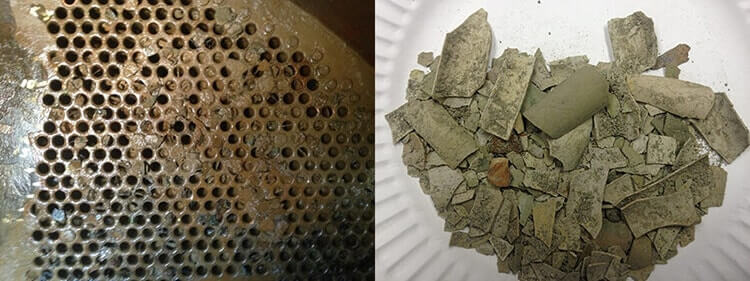
قد تؤدي نوعية المياه الرديئة إلى:
- التحجيم
- تآكل
- قنوات التبريد مسدودة
بالنسبة لمعدات الليزر الدقيقة، يوصي العديد من الشركات المصنعة بما يلي:
- المياه المصفاة
- الماء منزوع الأيونات
- المبرد منخفض الموصلية
يمكن أن يؤدي استخدام معالجة المياه المناسبة إلى إطالة عمر خدمة الليزر والمبرد.
الأخطاء الشائعة في اختيار المبرد
اختيار مبرد صغير الحجم
قد يعمل المبرد ذو السعة غير الكافية بشكل مستمر عند التحميل الكامل، مما يتسبب في درجات حرارة غير مستقرة وإنذارات متكررة.
تجاهل شروط التهوية
تتطلب المبردات المبردة بالهواء مساحة كافية لتبديد الحرارة. يمكن أن يؤدي ضعف تدفق الهواء حول المكثف إلى حدوث أخطاء في الضغط العالي.
تطل على عملية طويلة الأجل
تعمل بعض المصانع على تشغيل معدات الليزر 24 ساعة في اليوم. في هذه الحالات، تعتبر الضواغط الصناعية وأنظمة التبريد المستقرة ضرورية.
اختيار سعة التبريد فقط عن طريق الخبرة
يختار بعض المستخدمين المبردات فقط بناءً على المشاريع السابقة دون التحقق من مواصفات الليزر الفعلية. قد يكون لعلامات وتطبيقات الليزر المختلفة متطلبات تبريد مختلفة جدًا.
تبريد الهواء مقابل المبردات المبردة بالماء
المبردات المبردة بالهواء
مزايا:
- تركيب أسهل
- انخفاض التكلفة الأولية
- لا حاجة لبرج التبريد
مناسبة ل:
- أنظمة الليزر الصغيرة والمتوسطة
- بيئات ورشة العمل القياسية
المبردات المبردة بالماء
مزايا:
- كفاءة تبريد أعلى
- أفضل لليزر عالي الطاقة
- أكثر استقرارا في ظل التشغيل المستمر
مناسبة ل:
- ماكينات قطع فايبر ليزر كبيرة
- خطوط إنتاج الصناعات الثقيلة
- بيئات درجة الحرارة المحيطة العالية
استنتاج
تعد مطابقة سعة المبرد مع طاقة الليزر أمرًا ضروريًا لتشغيل الليزر المستقر وعمر المعدات الطويل.
يجب أن يوفر مبرد الليزر المناسب ما يلي:
- قدرة تبريد كافية
- التحكم في درجة الحرارة مستقرة
- تداول موثوق للمياه
- أداء فعال على المدى الطويل
قبل اختيار المبرد، من المهم تقييم قوة الليزر وبيئة التشغيل وساعات العمل ومتطلبات دقة التبريد.
باعتبارنا شركة مصنعة للمبردات الصناعية، فإننا نقدم حلول تبريد مخصصة لتطبيقات القطع واللحام ووضع العلامات والنقش بليزر الألياف. يمكن أن يؤدي اختيار المبرد المناسب إلى تحسين استقرار الإنتاج وتقليل وقت التوقف عن العمل والمساعدة في حماية معدات الليزر القيمة على المدى الطويل.
