

 پورٹ ایبل چلر
 ایئر ٹھنڈا ہوا چلر
 پانی سے ٹھنڈا ہوا چلر
 کم درجہ حرارت چلر
 کسٹم انڈسٹریل چلر


کلیدی ٹیک ویز
- ایک صنعتی واٹر چلر ایک بند لوپ کولنگ سسٹم ہے جو عمل کے آلات سے گرمی کو ہٹاتا ہے اور اسے دوسری جگہ منتقل کرتا ہے، مستحکم آپریٹنگ درجہ حرارت کو یقینی بناتا ہے۔
- دو اہم قسمیں ہیں ایئر کولڈ چلرز (گرمی کو محیطی ہوا کو مسترد کرتے ہیں) اور واٹر کولڈ چلرز (کولنگ ٹاور اور پانی کا ذریعہ استعمال کرتے ہیں)، ہر ایک مخصوص ماحول اور صلاحیتوں کے لیے موزوں ہے۔
- مناسب سائز - بہاؤ کی شرح اور درجہ حرارت کے فرق کا استعمال کرتے ہوئے - اور صحیح بخارات، ریفریجرینٹ، اور بجلی کی فراہمی کا انتخاب براہ راست توانائی کی کارکردگی اور لمبی عمر کو متاثر کرتا ہے۔
- باقاعدگی سے دیکھ بھال، خاص طور پر کنڈینسر اور سیال کے معیار کے لیے، خوراک کی پروسیسنگ، کیمیائی مینوفیکچرنگ، اور پلاسٹک جیسی صنعتوں میں صلاحیت کے نقصان اور غیر منصوبہ بند وقت کو روکتا ہے۔
تعارف
صنعتی پیداوار میں، درجہ حرارت شاذ و نادر ہی آرام کے بارے میں ہوتا ہے۔ یہ رد عمل کی شرحوں کو کنٹرول کرتا ہے، مصنوعات کے معیار کو محفوظ رکھتا ہے، سازوسامان کی ناکامی کو روکتا ہے، اور اکثر یہ طے کرتا ہے کہ آیا کوئی بیچ تفصیلات پر پورا اترتا ہے۔ جب عمل کی مشینری گرمی پیدا کرتی ہے، تو اس حرارت کو درستگی اور بھروسے کے ساتھ لے جانا چاہیے۔ شہر کے پانی یا غیر فعال کھپت پر انحصار کرنا شاذ و نادر ہی مسلسل، زیادہ بوجھ والے ایپلی کیشنز کے لیے کام کرتا ہے۔ یہ وہ جگہ ہے جہاں ایک صنعتی واٹر چلر ضروری ہو جاتا ہے۔
بہت سے پلانٹ انجینئرز اور پروکیورمنٹ ٹیموں کو ایک جیسے سوالات کا سامنا کرنا پڑتا ہے: صنعتی واٹر چلر بالکل کیا کرتا ہے، یہ آرام سے ٹھنڈک سے کیسے مختلف ہے، اور کون سی قسم ان کی سہولت میں بہترین کام کرے گی؟ یہ مضمون ان سوالات کا براہ راست جواب دیتا ہے۔ یہ بتاتا ہے کہ پراسیس چلر کس طرح کام کرتا ہے، ایئر کولڈ اور واٹر کولڈ کنفیگریشنز کے درمیان فرق کو ختم کرتا ہے، اور آپ کو فیصلہ سازی کا وہ معیار فراہم کرتا ہے جس کی آپ کو سائزنگ، انسٹالیشن، اور مینٹیننس کے لیے ضرورت ہوتی ہے۔
ایک صنعتی پانی چلر کیا ہے؟
انڈسٹریل واٹر چلر ایک پیکڈ ریفریجریشن سسٹم ہے جو کسی سیال کو ٹھنڈا کرتا ہے — عام طور پر پانی یا واٹر گلائکول مکسچر — کو ایک کنٹرول شدہ درجہ حرارت پر، پھر اس سیال کو پراسیس آلات جیسے سانچوں، لیزرز، ری ایکٹرز، اور فوڈ پروسیسنگ مشینری سے گرمی کو دور کرنے کے لیے گردش کرتا ہے۔ بلڈنگ کمفرٹ چیلر سے اہم امتیاز اس کا مقصد ہے: یہ اس کے لیے ڈیزائن کیا گیا ہے۔ عمل کولنگجہاں درجہ حرارت کا استحکام اور حرارت ہٹانے کی صلاحیت اپ ٹائم اور آؤٹ پٹ کوالٹی کے لیے اہم ہے۔
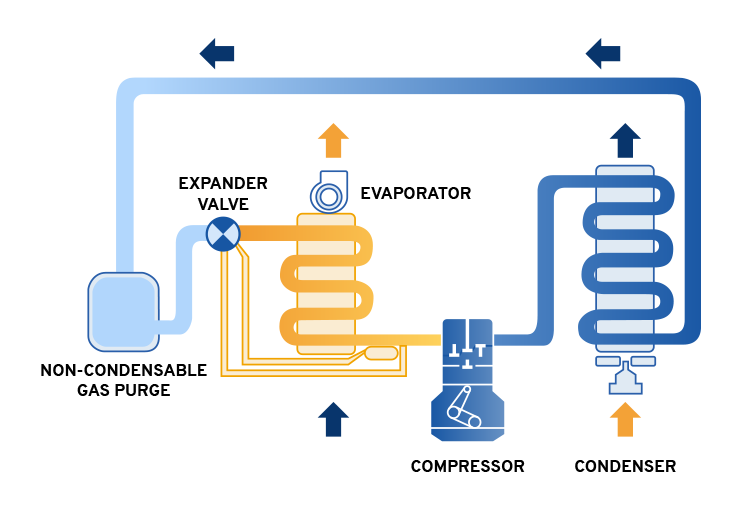
ایک عام صنعتی واٹر چلر چار بنیادی اجزاء پر مشتمل ہوتا ہے:
- کمپریسر (بڑی صلاحیتوں کے لیے ہرمیٹک اسکرول یا نیم ہرمیٹک اسکرو) جو ریفریجرینٹ گیس پر دباؤ ڈالتا ہے۔
- کنڈینسر، جو جذب شدہ حرارت کو یا تو محیطی ہوا (ایئر کولڈ) یا کولنگ ٹاور (واٹر کولڈ) سے منسلک علیحدہ واٹر لوپ سے مسترد کرتا ہے۔
- توسیع والو، جو ریفریجرینٹ بہاؤ کو میٹر کرتا ہے اور دباؤ میں کمی کا سبب بنتا ہے۔
- بخارات، جہاں ٹھنڈا ریفریجرینٹ عمل کے پانی کے لوپ سے گرمی جذب کرتا ہے۔ بخارات کی اقسام میں شیل اور ٹیوب (جس میں بہاؤ کو مستحکم کرنے کے لیے بفر ٹینک کی ضرورت ہوتی ہے) اور ٹینک اور کوائل کے ڈیزائن (بلٹ ان ریزروائر کے ساتھ) شامل ہیں۔
یہاں مواد کی اہمیت ہے۔ تانبے کی ٹیوبیں حرارت کی منتقلی کی اعلی کارکردگی پیش کرتی ہیں، جب کہ سٹینلیس سٹیل (304 یا 316) ٹیوبیں فوڈ گریڈ ہیں اور آلودگی کو روکتی ہیں—بروریز یا دواسازی کے عمل کے لیے ایک حقیقی غور۔ سنکنرن ماحول میں، مینوفیکچررز سٹینلیس سٹیل سے پوری اکائی بنا سکتے ہیں یا زنگ سے پاک، طویل سروس کی زندگی کو یقینی بنانے کے لیے ٹائٹینیم بخارات کا استعمال کر سکتے ہیں۔
پروسیس کولنگ کے لیے ایک انڈسٹریل واٹر چِلر کیسے کام کرتا ہے۔
کام کرنے کا اصول بخارات-کمپریشن ریفریجریشن سائیکل کی پیروی کرتا ہے، لیکن اسے عمل کے پہلو سے سمجھنا اس کے کردار کو واضح کرتا ہے۔ ایک پلاسٹک انجیکشن مولڈنگ مشین کا تصور کریں جو اپنے ہائیڈرولک آئل اور مولڈ کو 15 ° C پر رکھیں تاکہ وارپنگ کو روکا جا سکے۔ مشین سے گرم واپسی کا پانی شاید 20 ° C پر چلر کے بخارات میں داخل ہوتا ہے۔ بخارات کے اندر، کم دباؤ پر ٹھنڈا ریفریجرینٹ اس گرمی کو جذب کرتا ہے، جس کی وجہ سے ریفریجرینٹ ابلتا ہے اور گیس میں بدل جاتا ہے۔ عمل کے پانی کو، جو اب 15°C پر ٹھنڈا کیا جاتا ہے، دوبارہ مشین میں پمپ کیا جاتا ہے، اور سائیکل دہرایا جاتا ہے۔
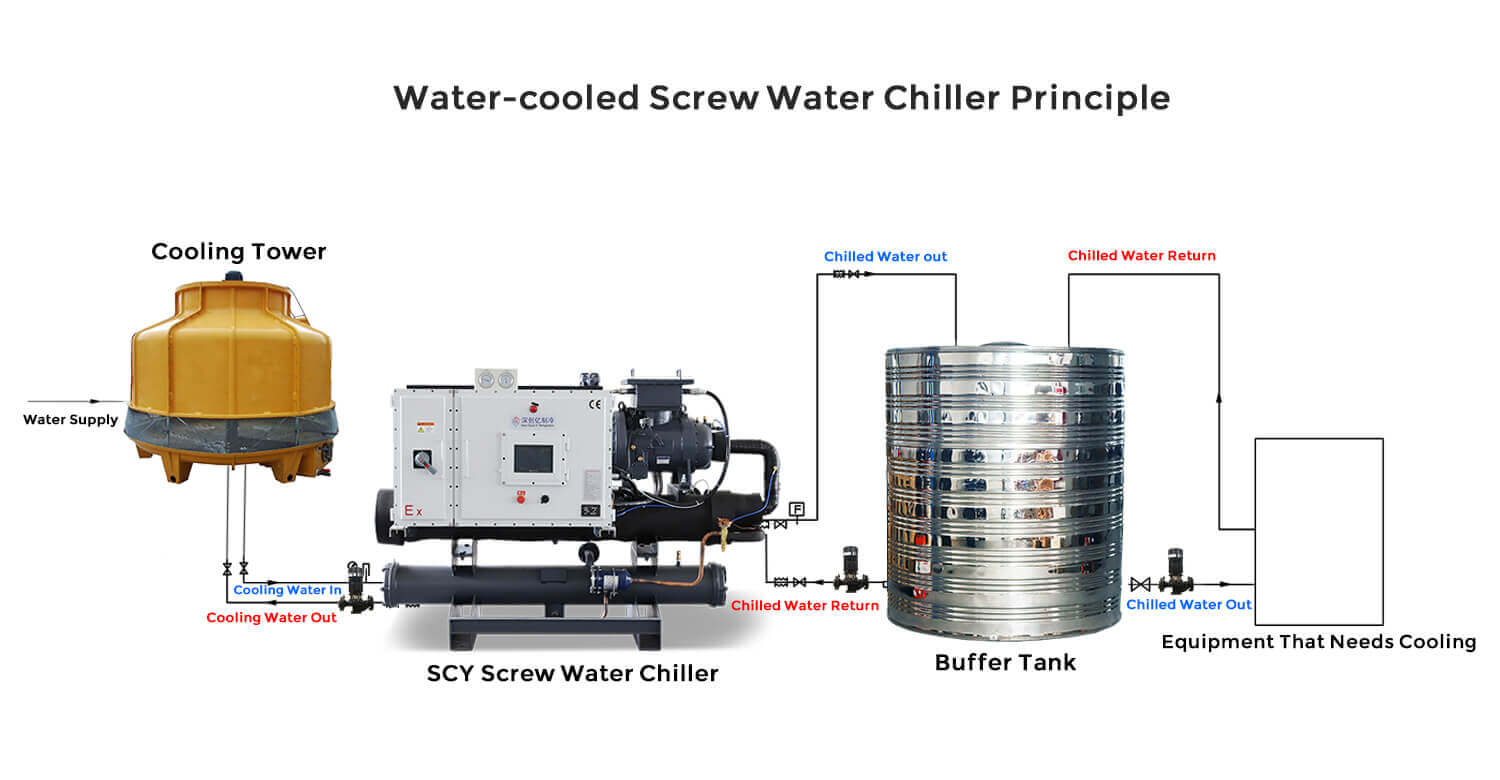
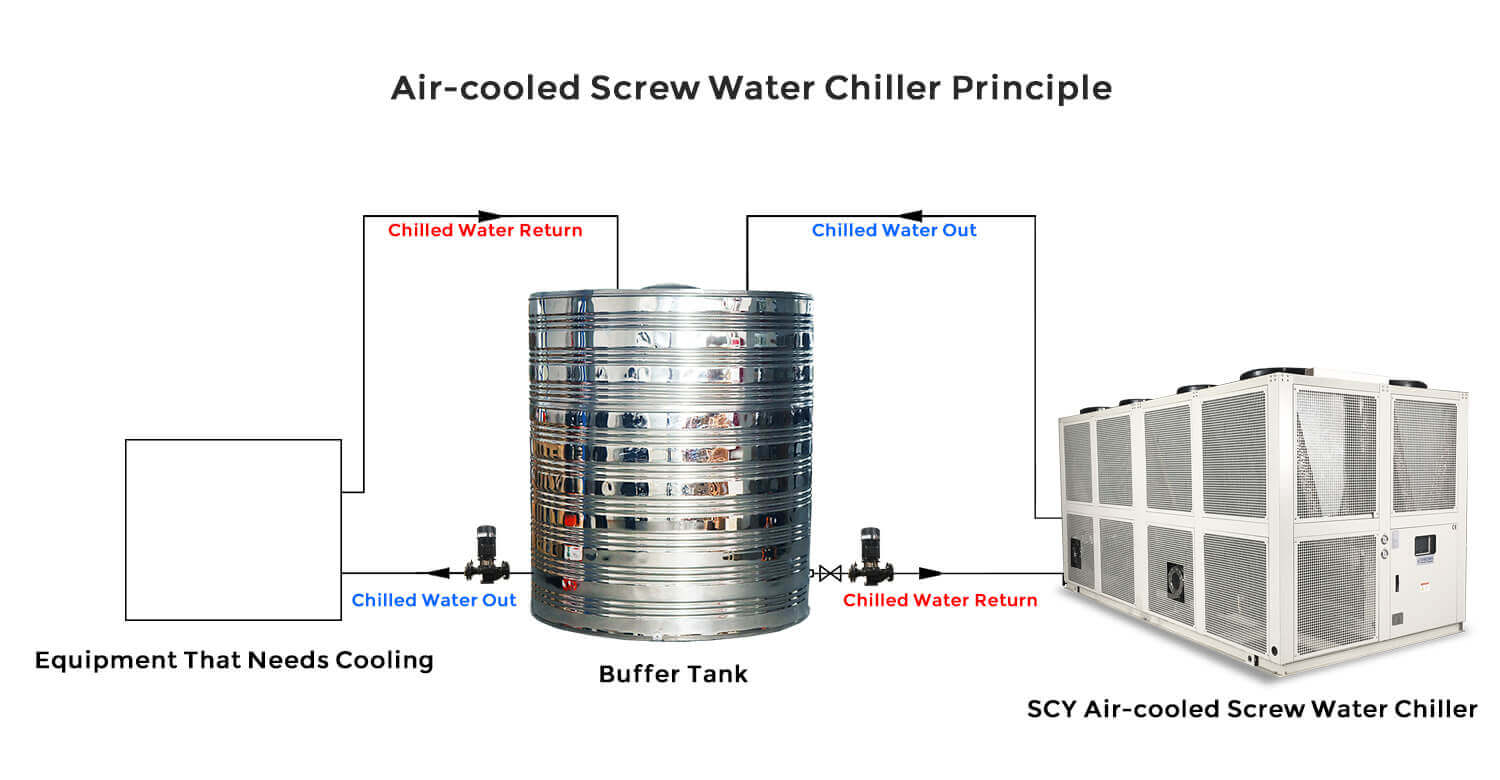
ریفریجرینٹ سائیڈ پر، کمپریسر بخارات سے کم دباؤ والے بخارات کو کھینچتا ہے اور اسے ہائی پریشر، ہائی ٹمپریچر گیس میں کمپریس کرتا ہے۔ یہ گیس کنڈینسر تک جاتی ہے۔ اگر یہ ایئر کولڈ چلر ہے تو، پرستار کنڈینسر کنڈلیوں پر محیط ہوا اڑاتے ہیں تاکہ ریفریجرینٹ کو دوبارہ ہائی پریشر مائع میں گاڑھا جائے۔ اگر یہ پانی سے ٹھنڈا ہوا چلر ہے تو، ٹھنڈا کرنے والے ٹاور سے پانی کا ایک علیحدہ لوپ اس گرمی کو ہٹا دیتا ہے اس سے پہلے کہ ریفریجرینٹ مائع شکل میں واپس آجائے۔ اس کے بعد مائع دباؤ اور درجہ حرارت میں گرتا ہوا توسیعی والو سے گزرتا ہے، اور دوبارہ شروع کرنے کے لیے بخارات میں داخل ہوتا ہے۔
چلر کا کنٹرول سنٹر — اکثر موسم سے مزاحم پی ایل سی والا انکلوژر — پانی کے درجہ حرارت کو چھوڑنے کی مسلسل نگرانی کرتا ہے اور سیٹ پوائنٹ کو برقرار رکھنے کے لیے کمپریسر لوڈنگ کو ایڈجسٹ کرتا ہے۔ ذیلی صفر درجہ حرارت کی ضرورت والی ایپلی کیشنز میں، گلائکول مکسچر (یا یہاں تک کہ کم درجہ حرارت والے ریفریجرینٹ جیسے کہ -30°C سے کم درجہ حرارت کے لیے R404A) بخارات کے اندر جمنے سے روکتے ہیں۔ مناسب سیال بہاؤ اور مناسب کنڈینسر کی گنجائش کے ساتھ ایک اچھی طرح سے ڈیزائن کیا گیا نظام ہدف کے درجہ حرارت کو مختلف بوجھ کے باوجود تنگ حدود میں رکھے گا۔
ایئر کولڈ بمقابلہ واٹر کولڈ چلرز: صحیح انتخاب کرنا
ایئر کولڈ اور واٹر کولڈ انڈسٹریل واٹر چلرز کے درمیان فیصلہ اکثر دستیاب جگہ، پانی کے وسائل اور طویل مدتی آپریٹنگ اخراجات پر آتا ہے۔ براہ راست موازنہ مدد کرتا ہے، لیکن تجویز آپ کی سائٹ کے حالات کے مطابق ہونی چاہیے۔
| معیار | ایئر ٹھنڈا ہوا چلر | پانی سے ٹھنڈا چلر |
|---|---|---|
| گرمی کو مسترد کرنے کا طریقہ | پنکھے اور کنڈلی کے ذریعے گرمی کو محیطی ہوا میں منتقل کرتا ہے۔ | گرمی کو پانی کے لوپ میں منتقل کرتا ہے جو کولنگ ٹاور تک جاتا ہے۔ |
| تنصیب کی پیچیدگی | عام طور پر پیکڈ، پلگ اینڈ پلے؛ کولنگ ٹاور کی ضرورت نہیں ہے۔ | کولنگ ٹاور، کنڈینسر واٹر پمپ، اور اضافی پائپنگ کی ضرورت ہے۔ |
| مناسبیت | چھوٹی سے درمیانی تنصیبات، پانی کی کمی والے علاقے (جیسے صحرائی علاقے)، یا جہاں جگہ محدود ہے۔ | قابل اعتماد، کافی پانی کی فراہمی کے ساتھ درمیانے سے بڑی تنصیبات۔ |
| دیکھ بھال | عام طور پر کم؛ صاف کنڈینسر کنڈلی اور پنکھے کی جانچ کی ضرورت ہے۔ | مزید ملوث؛ کولنگ ٹاور کو واٹر ٹریٹمنٹ، بلو ڈاؤن، اور بائیولوجیکل کنٹرول کی ضرورت ہوتی ہے۔ |
| ابتدائی لاگت | چھوٹی صلاحیتوں کے لیے اکثر کم ہوتے ہیں کیونکہ ٹاور کے بنیادی ڈھانچے کی ضرورت نہیں ہوتی ہے۔ | کولنگ ٹاور اور لوپ کے اضافی اجزاء کی وجہ سے اونچا اپ فرنٹ۔ |
| اعلی محیطی گرمی میں کارکردگی | جب محیطی ہوا کا درجہ حرارت ڈیزائن کی حد سے تجاوز کر جائے تو کارکردگی کھو سکتی ہے۔ بڑے کنڈینسر پر غور کریں۔ | زیادہ مستحکم کارکردگی کیونکہ گیلے بلب کا درجہ حرارت گرمی کو مسترد کرنے کا تعین کرتا ہے، لیکن پانی کی کھپت ایک عنصر ہے۔ |
عملی سفارش: اگر آپ کسی ایسے علاقے میں کام کر رہے ہیں جہاں پانی کی فراہمی محدود ہے یا آپ کے پاس فٹ پرنٹ کی محدود سہولت ہے، تو ایئر کولڈ انڈسٹریل واٹر چلر زیادہ عملی انتخاب ہے۔ یہ پانی کے علاج کے بوجھ کو ختم کرتا ہے اور اسے برقرار رکھنا آسان ہے۔ ایسے پودوں کے لیے جن کے پاس پہلے سے ہی سنٹرل کولنگ ٹاور کا بنیادی ڈھانچہ ہے یا انہیں اعلیٰ ماحول میں مستقل کارکردگی کی ضرورت ہوتی ہے، واٹر کولڈ یونٹ بہتر طویل مدتی کارکردگی پیش کر سکتا ہے۔ ہمیشہ اس بات کی تصدیق کریں کہ چلر کا ڈیزائن محیطی درجہ حرارت آپ کے مقامی چوٹی کے حالات سے میل کھاتا ہے، اور ایئر کولڈ یونٹس کے لیے، ہوا کے بہاؤ کے لیے یونٹ کے ارد گرد مناسب کلیئرنس کو یقینی بنائیں۔
سائز اور انتخاب: اسے شروع سے ہی حاصل کرنا
زیادہ سائز کم سائیکلنگ اور dehumidification کو کم کرنے کی طرف جاتا ہے؛ کم کرنے کا مطلب ہے کہ عمل کبھی بھی مطلوبہ درجہ حرارت تک نہیں پہنچتا ہے۔ ایک قابل اعتماد نقطہ نظر گرمی کے بوجھ کے فارمولے سے شروع ہوتا ہے۔ ٹن ریفریجریشن میں ٹھنڈک کی صلاحیت کا اندازہ اس طرح لگایا جا سکتا ہے:
Cooling Capacity (tons) = Water Flow Rate (m³/hour) × Temperature Differential (°C) ÷ 0.86 ÷ 3.517
سسٹم کو زیادہ سے زیادہ صلاحیت پر مسلسل چلنے سے روکنے کے لیے، 20% حفاظتی عنصر شامل کریں۔ مثال کے طور پر، اگر آپ کے عمل کو 20 ° C سے 15 ° C تک ٹھنڈا کرنے کے لیے 10 m³/h پانی کی ضرورت ہے، تو مطلوبہ برائے نام صلاحیت (10 × 5) / (0.86 × 3.517) ≈ 16.5 ٹن ہے۔ 20% بڑے سائز کے ساتھ، کم از کم 19.8 ٹن کے لیے ریٹیڈ چِلر منتخب کریں۔
صلاحیت سے آگے، تین اضافی انتخاب طویل مدتی اطمینان کا تعین کرتے ہیں:
- ریفریجرینٹ کی قسم۔ زیادہ تر ممالک میں R22 پر پابندی ہے۔ R410A (زیادہ دباؤ، ماحول دوست)، R407C (R22 سسٹمز کے لیے اچھا ریٹروفٹ)، R404A (کم درجہ حرارت کی ایپلی کیشنز کے لیے) یا R134A (زیادہ درجہ حرارت کے عمل) کا انتخاب کریں۔ انتخاب کمپریسر ڈیزائن اور مستقبل کی خدمت کو متاثر کرتا ہے۔
- بخارات کی ترتیب۔ ایک شیل اور ٹیوب بخارات موثر حرارت کی منتقلی فراہم کرتا ہے لیکن عام طور پر مختصر سائیکلنگ سے بچنے اور تھرمل ماس فراہم کرنے کے لیے بیرونی بفر ٹینک کی ضرورت ہوتی ہے۔ ایک ٹینک اور کوائل ایوپوریٹر ٹینک کو مربوط کرتا ہے، تنصیب کو آسان بناتا ہے اور بہت سے پورٹیبل یا کمپیکٹ چلرز کے لیے فرش کی جگہ بچاتا ہے۔
- بجلی کی فراہمی۔ صنعتی یونٹ عام طور پر 208-230V، 380-420V، یا 440-480V، تین فیز، 50Hz یا 60Hz پر کام کرتے ہیں۔ آرڈر کرنے سے پہلے اپنی سہولت کے دستیاب وولٹیج اور فیز کی تصدیق کریں۔ غیر مماثلت پروجیکٹ میں تاخیر اور ٹرانسفارمر کے اضافی اخراجات کا سبب بن سکتی ہے۔
مواد حتمی جانچ کے مستحق ہیں۔ کھانے اور مشروبات یا دواسازی کے استعمال کے لیے، حفظان صحت کے معیارات پر پورا اترنے اور تانبے کی آلودگی سے بچنے کے لیے سٹینلیس سٹیل کی ٹیوبیں (304 یا 316) بتائیں۔ نمک کے اسپرے یا جارحانہ کیمیکلز کے سامنے والے ماحول میں، ایک سٹینلیس سٹیل یا ٹائٹینیم باڈی اور بخارات اس بات کو یقینی بناتے ہیں کہ چلر سنکنرن کے خلاف مزاحمت کرتا ہے اور اپنی زندگی بھر میں مستقل صلاحیت کو برقرار رکھتا ہے۔
صنعتی کولنگ میں وشوسنییتا کو برقرار رکھنا
صنعتی واٹر چِلر کی پیچیدگی نسبتاً کم ہوتی ہے اس کے مقابلے میں جو اس کی معاونت کرتی ہے، لیکن نظر انداز کرنے سے کارکردگی خراب ہو جاتی ہے اور ہنگامی طور پر بند ہو جاتے ہیں۔ بحالی کا ایک عملی معمول کمڈینسر، سیال کے معیار، اور برقی رابطوں پر مرکوز ہے۔
- ایئر کولڈ کنڈینسر: دھول بھرے ماحول میں ماہانہ پنکھوں اور کنڈلیوں کو صاف کریں۔ مسدود ہوا کا بہاؤ گاڑھا کرنے والا دباؤ بڑھاتا ہے اور صلاحیت کو کم کرتا ہے۔
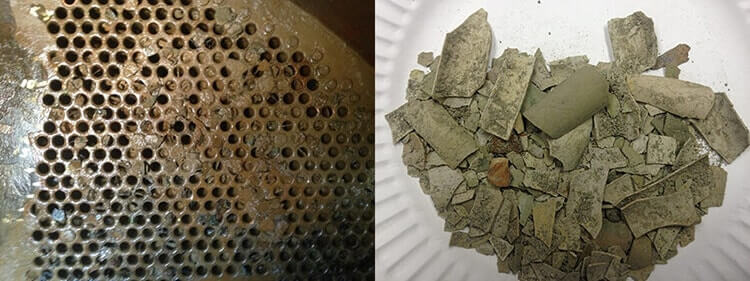
- پانی سے ٹھنڈا کنڈینسر: کولنگ ٹاور کے پانی کے انتظام کے پروگرام کے حصے کے طور پر پیمانے کی تعمیر کا معائنہ کریں اور کیمیائی صفائی انجام دیں۔ غیر علاج شدہ کنڈینسر پانی کارکردگی میں کمی اور ٹیوب کے سنکنرن کا باعث بنتا ہے۔
- سیال سرکٹ: منجمد اور بیکٹیریا کی افزائش کو روکنے کے لیے کم درجہ حرارت والے نظاموں میں گلائکول کی حراستی کی نگرانی کریں۔ ہر سہ ماہی میں ایک ریفریکٹومیٹر چیک ایک کم لاگت کا انشورنس ہے۔
- کمپریسر اور برقی: کمپریسرز پر کرینک کیس ہیٹر کے آپریشن کی تصدیق کریں، سالانہ برقی کنکشن سخت کریں، اور لاگ سکشن اور ڈسچارج پریشر؛ رجحان میں تبدیلی اکثر ریفریجرینٹ لیک یا ناکام ہونے والے توسیعی والو کا اشارہ دیتی ہے۔
-30 ° C سے نیچے کام کرنے والے کم درجہ حرارت والے چلرز کے لیے، کمپریسر کے تیل کا انتظام اہم ہو جاتا ہے۔ ان ایپلی کیشنز کے لیے مناسب تیل الگ کرنے والے اور کولر کے ساتھ نیم ہرمیٹک سکرو کمپریسرز کو ترجیح دی جاتی ہے۔ اس کے علاوہ، اگر آپ کا چلر شیل اور ٹیوب بخارات کا استعمال کرتا ہے، تو بفر ٹینک کے پانی کی سطح کو برقرار رکھا جانا چاہیے۔ ایک کم سطح پمپ cavitation اور بے ترتیب درجہ حرارت کنٹرول کا سبب بن سکتا ہے.
عمومی سوالات
Q1. کیا انڈسٹریل واٹر چلر کو باہر استعمال کیا جا سکتا ہے؟
جی ہاں، بہت سے ائیر کولڈ چلرز موسم کے خلاف مزاحمت کرنے والے انکلوژرز اور کنٹرول پینلز کے ساتھ بنائے گئے ہیں جنہیں آؤٹ ڈور انسٹالیشن کے لیے درجہ دیا گیا ہے۔ تاہم، آپ کو محیط درجہ حرارت کی انتہا پر غور کرنا چاہیے۔ منجمد آب و ہوا میں، بخارات اور پائپنگ کی حفاظت کے لیے کم محیطی کٹ (ہیڈ پریشر کنٹرول) اور گلائکول مکسچر ضروری ہے۔ ہمیشہ کارخانہ دار کی کم از کم محیطی درجہ حرارت کی تفصیلات سے مشورہ کریں۔
Q2. پروسیس چلر اور HVAC چلر میں کیا فرق ہے؟
جب کہ دونوں ایک ہی ریفریجریشن سائیکل کا استعمال کرتے ہیں، ایک پروسیس چلر سخت درجہ حرارت کے استحکام اور مینوفیکچرنگ آلات سے زیادہ گرمی کی کثافت کے بوجھ کے لیے ڈیزائن کیا گیا ہے۔ HVAC چلرز بڑی عمارتوں میں متغیر بوجھ کے ساتھ آرام دہ ٹھنڈک کے لیے بہتر بنائے گئے ہیں۔ پراسیس چلرز میں اکثر زیادہ مضبوط کمپریسرز، سنکنرن سے بچنے والے بخارات، اور PLC پر مبنی کنٹرول شامل ہوتے ہیں جو صنعتی آٹومیشن کے ساتھ مربوط ہوتے ہیں۔
Q3. صنعتی واٹر چلر عام طور پر کتنی دیر تک چلتا ہے؟
مناسب دیکھ بھال کے ساتھ، ایک اچھی طرح سے بنایا ہوا صنعتی واٹر چلر 15-20 سال یا اس سے زیادہ عرصے تک قابل اعتماد طریقے سے کام کر سکتا ہے۔ کمپریسر کی زندگی آپریٹنگ حالات اور دیکھ بھال سے بہت زیادہ متاثر ہوتی ہے۔ اسکرول کمپریسرز 10-15 سال سے زیادہ ہو سکتے ہیں، جبکہ نیم ہرمیٹک اسکرو کمپریسر اکثر 20+ سال تک چلتے ہیں اگر تیل اور بیرنگ کی نگرانی کی جائے۔
نتیجہ اخذ کرنا
ایک صنعتی واٹر چلر محض آلات نہیں ہے۔ یہ ایک اہم افادیت ہے جو براہ راست پیداوار، مشین کی لمبی عمر، اور توانائی کی کھپت کو متاثر کرتی ہے۔ صحیح قسم کا انتخاب کرنا — سادگی اور پانی کی کمی والی جگہوں کے لیے ایئر کولڈ، یا زیادہ صلاحیت والے، سنٹرلائزڈ پلانٹس کے لیے واٹر کولڈ — اور اصل گرمی کے بوجھ کے حساب کی بنیاد پر اس کا سائز کرنا سب سے عام نقصانات کو روکتا ہے۔ اس انتخاب کو صحیح ریفریجرینٹ، بخارات کے مواد اور بجلی کی فراہمی کے ساتھ جوڑیں، اور آپ کولنگ سسٹم بناتے ہیں جو آپ کے عمل میں بغیر کسی رکاوٹ کے ضم ہوتا ہے۔
چاہے آپ کسی نئی لائن کی منصوبہ بندی کر رہے ہوں یا کسی پرانے یونٹ کو تبدیل کر رہے ہوں، پہلے دن سے ہیٹ کو مسترد کرنے کے طریقہ کار، محیطی حالات اور سیال کے معیار پر توجہ دیں۔ ٹکنالوجی پختہ ہے، لیکن وشوسنییتا میں فرق اس بات سے آتا ہے کہ چلر ایپلی کیشن سے کتنی اچھی طرح سے مماثل ہے اور کس طرح مستقل طور پر بنیادی دیکھ بھال کی جاتی ہے۔ ان حقائق کو سامنے رکھتے ہوئے، آپ "ٹھنڈے پانی" کی مبہم ضرورت سے ایک درست، برقرار رکھنے کے قابل عمل ٹھنڈک حل کی طرف جا سکتے ہیں۔
