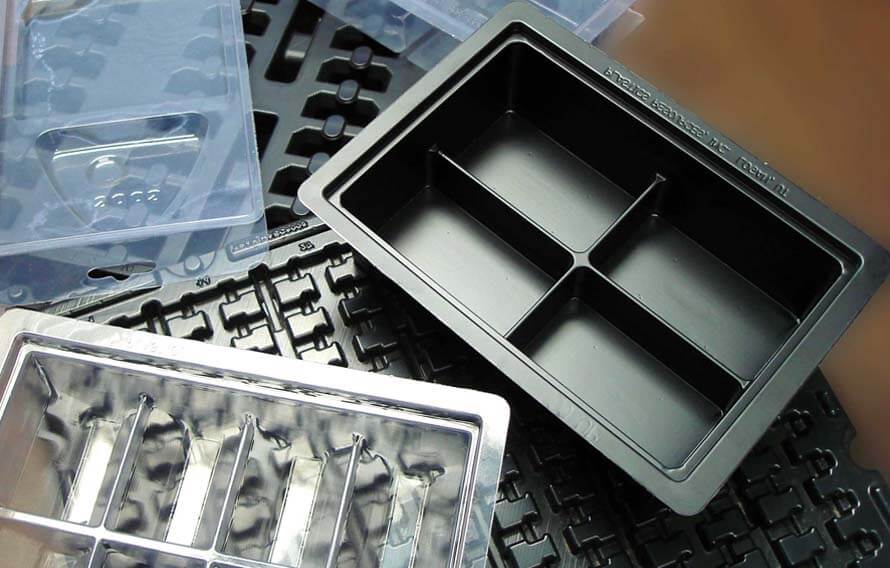

Plastic processing touches almost every aspect of modern life — from the food packaging in your refrigerator to the medical equipment in hospitals and the automotive parts in your car. But here’s something most people don’t realize: behind every high-quality plastic product is a precisely controlled cooling system that most folks never think about.

The truth is, plastic processing is incredibly sensitive to temperature. Even small variations can turn a perfect product into scrap. That’s where chillers come in — they’re the unsung heroes that keep everything running smoothly, ensuring consistent quality while helping manufacturers save money and reduce waste.

Why Temperature Control Matters So Much

If you’ve ever worked in plastic processing, you know that temperature isn’t just another parameter — it’s the difference between success and failure. Even minor temperature swings can cause:

  • Warpage — parts that should be flat end up twisted or bowed
  • Shrinkage issues — dimensions that don’t match specifications
  • Surface defects — blemishes that ruin appearance or function
  • Internal stress — weak points that lead to part failure
  • Extended cycle times — production slows down, costs go up

In high-volume operations, even a 1% defect rate can mean thousands of dollars in lost product every day. For large-scale manufacturers, temperature control isn’t just about quality — it’s about staying in business.

The bottom line: Consistent temperature control isn’t a luxury in plastic processing. It’s a necessity that directly impacts your scrap rate, cycle time, and bottom line.

Where Chillers Fit Into the Process

왁스 몰딩이란 1
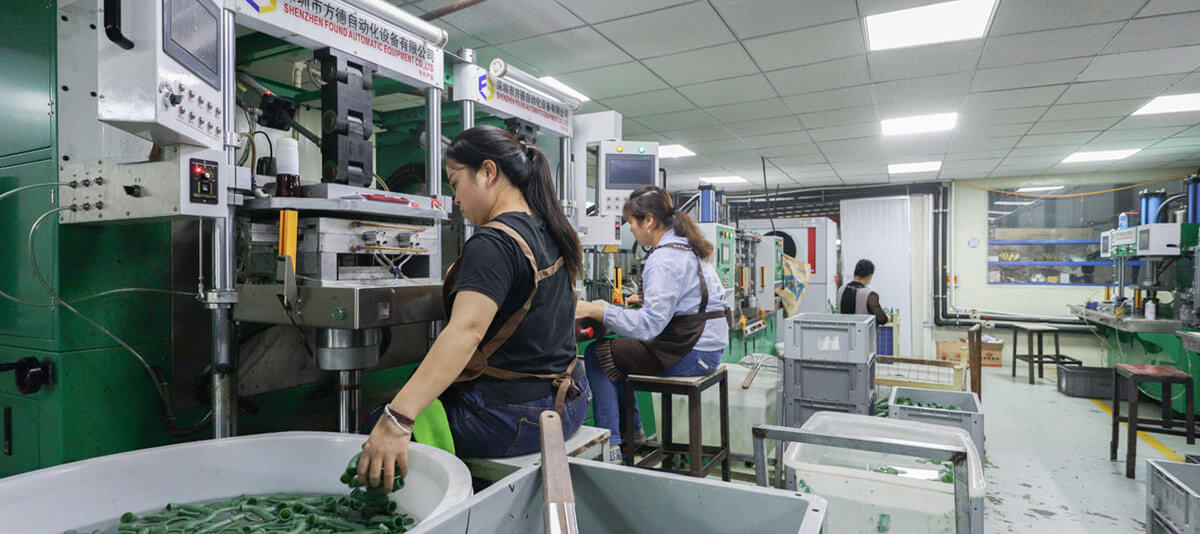
Wax pattern making shop in a foundry

Chillers do the heavy lifting of temperature management by removing heat from processing equipment and maintaining precise thermal conditions. Here’s how they work in practice:

The chiller circulates cooled fluid (usually water or a water-glycol mixture) through molds, barrels, hydraulic systems, and other heat-generating equipment. As the fluid absorbs heat, it returns to the chiller, gets cooled back down, and cycles through again. This continuous loop keeps everything at the right temperature, shift after shift.

In plastic processing, chillers typically handle three critical jobs:

  • Mold cooling — controlling how quickly plastic solidifies in the mold
  • Barrel cooling — preventing overheating of the extrusion or injection barrel
  • Hydraulic oil cooling — keeping hydraulic systems running at optimal temperature

Each of these plays a vital role in determining final product quality and production efficiency.

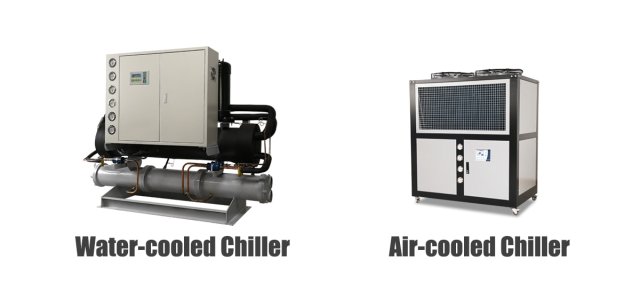
Air-Cooled vs Water-Cooled: Making the Right Choice

수냉식 냉각기 대 공냉식 냉각기

When it comes to chiller types, you’ve got two main options — and the right choice depends on your specific situation.

공랭식 냉각기

Best for: Smaller operations, limited water access, simpler installations

  • No cooling tower required
  • Easier installation and relocation
  • Lower upfront cost
  • Higher energy consumption
  • Performance varies with ambient temperature

수냉식 냉각기

Best for: Large operations, continuous production, energy-conscious facilities

  • Higher energy efficiency (10-15% better)
  • Stable performance regardless of weather
  • Longer compressor life
  • Requires cooling tower and water treatment
  • Higher installation complexity

For small injection molding shops or operations that move equipment frequently, air-cooled chillers often make more sense. For large facilities running 24/7 production, water-cooled systems usually pay for themselves through energy savings and improved reliability.

The Real Benefits of Proper Chiller Sizing

Getting the right chiller isn’t just about checking a box — it directly impacts your operation in several concrete ways:

Improved Product Quality

Precise temperature control means consistent cooling rates, which translates to parts with uniform wall thickness, minimal internal stress, and dimensional accuracy that meets spec every time. When your chiller is properly sized and maintained, you spend less time sorting out defects and more time shipping good product.

Faster Cycle Times

Efficient cooling removes heat faster, which means plastic solidifies quicker and parts come out of the mold sooner. In high-volume production, even a few seconds per cycle adds up to significant throughput gains over a year.

확장 된 장비 수명

Overheating is hard on hydraulic systems, barrels, and molds. By maintaining proper temperatures, chillers reduce thermal stress on expensive equipment, helping it last longer and break down less often.

Lower Operating Costs

An efficiently sized chiller uses less electricity than an oversized unit that short-cycles or an undersized unit that runs constantly without catching up. The right chiller hits the sweet spot of performance and efficiency.

Key Factors in Chiller Selection

Choosing a chiller for plastic processing isn’t rocket science, but it does require attention to a few critical details:

요인What to Consider중요한 이유
냉방 능력Total heat load from molds, barrels, and hydraulicsUndersizing leads to poor quality; oversizing wastes energy
온도 범위Required setpoint and allowable deviationDifferent plastics need different mold temperatures
유량Gallons per minute needed for proper heat transferInsufficient flow causes hot spots and poor cooling
에너지 효율Compressor type, variable speed optionsImpacts electricity costs over the chiller’s lifetime
Reliability FeaturesRedundant pumps, diagnostic capabilitiesPrevents costly downtime in continuous operations
Pro tip: Don’t forget to factor in future growth. A chiller that’s perfectly sized for today’s production may be inadequate if you add molds or increase cycle speeds next year. Most engineers recommend sizing for 110-120% of current calculated load.

Common Plastic Processing Applications

Different plastic processing methods have different cooling requirements:

사출 성형

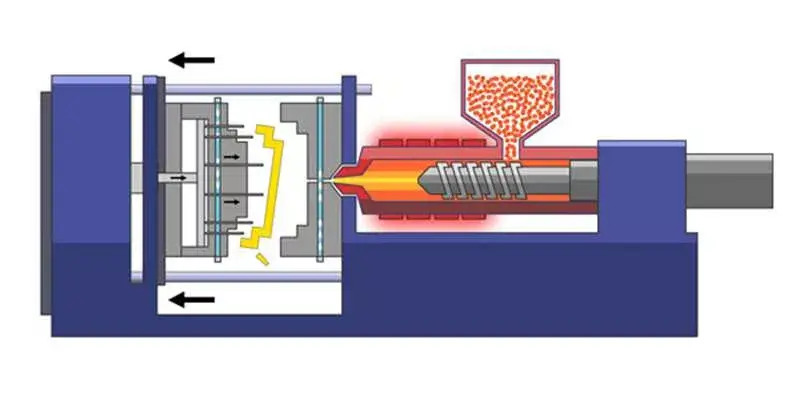
사출 성형

Injection molding is probably the most chiller-intensive plastic process. Mold cooling accounts for up to 80% of the cycle time in some applications, making chiller performance directly tied to production output. Multi-cavity molds and high-speed machines especially demand consistent, high-capacity cooling.

압출

압출

Extrusion lines use chillers for barrel cooling, calibration fixtures, and sometimes cooling tanks. Profile extrusion, sheet extrusion, and blown film all rely on precise temperature control to maintain dimensional stability and surface quality.

블로우 성형

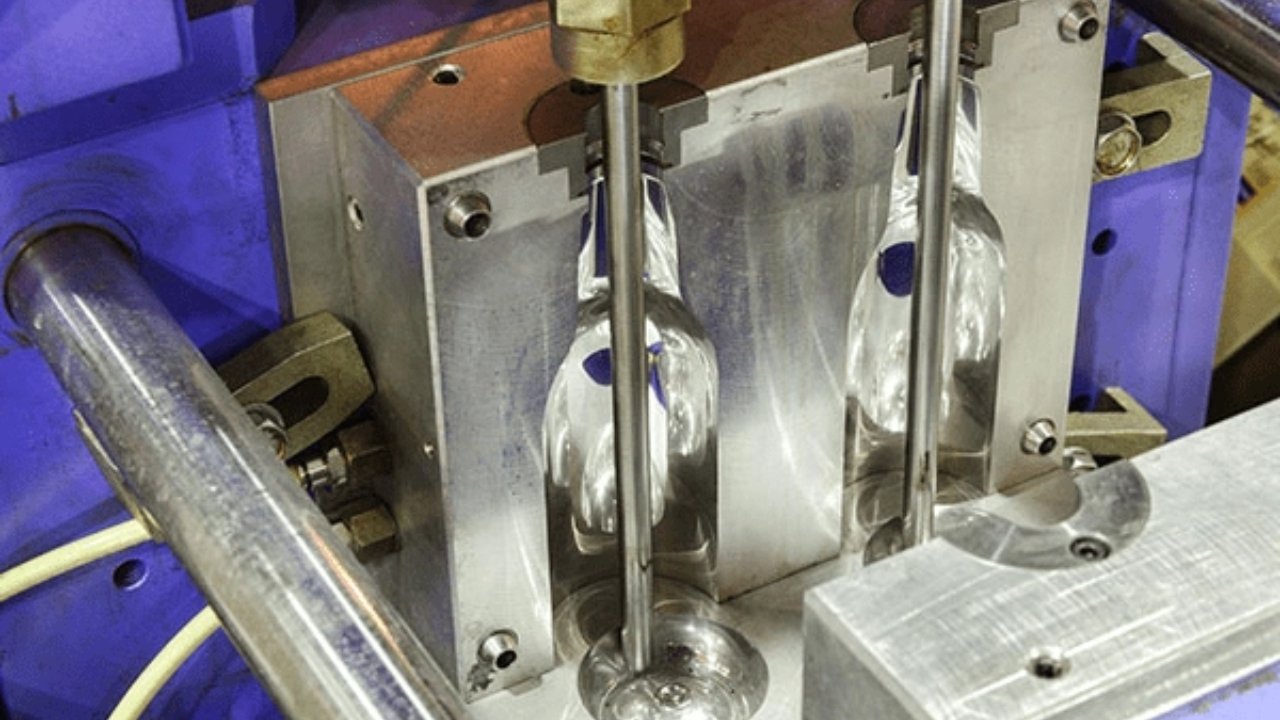
블로우 성형

Blow molding operations need chillers for mold temperature control and sometimes for cooling compressed air used in the blowing process. Consistent mold temperature ensures uniform wall thickness and prevents weak spots in the finished container.

열성형

열성형

While less chiller-intensive than injection molding, thermoforming still benefits from mold temperature control — especially for forming tools that need to cool rapidly between cycles.

Maintenance: The Often-Overlooked Factor

Even the best chiller won’t perform well if it’s neglected. Regular maintenance tasks include:

  • Cleaning condenser coils (air-cooled) or checking cooling tower water quality (water-cooled)
  • Inspecting and replacing filters
  • Checking refrigerant levels and system pressures
  • Verifying pump operation and flow rates
  • Calibrating temperature sensors and controls

A well-maintained chiller runs more efficiently, breaks down less often, and lasts years longer than a neglected one. For most plastic processors, a preventive maintenance program pays for itself many times over.

결론

Chillers might not be the most glamorous equipment in a plastic processing plant, but they’re absolutely critical to producing quality products efficiently. The right chiller — properly sized, well-maintained, and matched to your specific application — pays dividends in product quality, production throughput, equipment longevity, and operating cost.

Whether you’re running a small injection molding shop or a large multi-line extrusion facility, investing time in selecting the right cooling system is one of the smartest decisions you can make. Because in plastic processing, temperature control isn’t just important — it’s everything.

답글 남기기

이메일 주소는 공개되지 않습니다. 필수 필드는 *로 표시됩니다