

 Enfriador portátil
 Chiller enfriado por aire
 Enfriador refrigerado por agua
 Enfriador de baja temperatura
 Enfriador industrial personalizado


La rápida expansión de los vehículos eléctricos, el almacenamiento de energía renovable y la electrónica de alto rendimiento ha llevado la fabricación de baterías de litio a una nueva era de producción automatizada a gran escala. Las modernas "gigafábricas" de baterías funcionan continuamente y producen volúmenes masivos de celdas todos los días en condiciones ambientales altamente controladas.
En estas instalaciones, el control de la temperatura ya no es simplemente un sistema de servicios públicos de apoyo: es una parte fundamental de la calidad de la producción y la seguridad operativa.
Desde el recubrimiento de electrodos y la preparación de electrolitos hasta la formación y las pruebas de baterías, casi todos los procesos de fabricación de baterías de litio dependen de una gestión térmica precisa. Incluso las pequeñas fluctuaciones de temperatura pueden afectar la consistencia de la celda, el ciclo de vida, el rendimiento de seguridad y el rendimiento de la producción.
A medida que la densidad de energía de la batería continúa aumentando, los fabricantes están invirtiendo fuertemente en sistemas de enfriamiento de precisión capaces de mantener condiciones operativas altamente estables en líneas de producción 24 horas al día, 7 días a la semana.
Por qué es importante el control de la temperatura en la fabricación de baterías
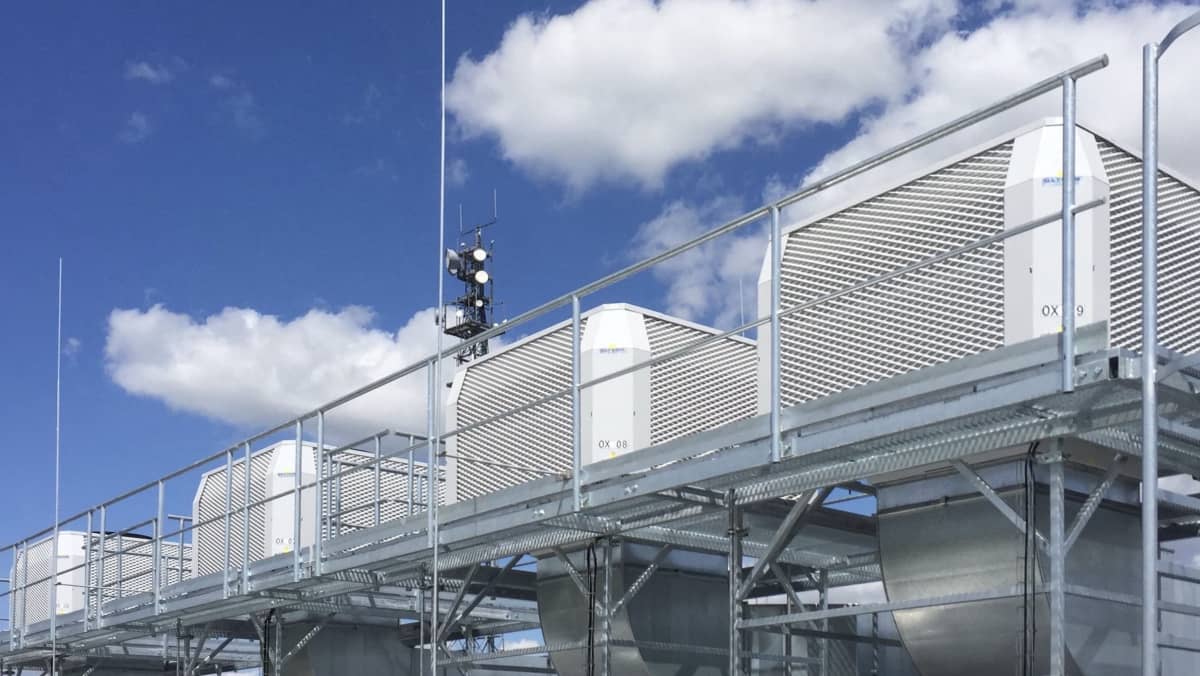
Los materiales de la batería son muy sensibles a la temperatura
Los materiales de las baterías de litio son extremadamente sensibles a las variaciones térmicas durante la producción. Los materiales catódicos, anódicos, aditivos conductores, aglutinantes y electrolitos requieren temperaturas estrictamente controladas para mantener la estabilidad química y la consistencia del proceso.
Por ejemplo, las temperaturas inestables durante el mezclado y el recubrimiento de la suspensión pueden cambiar la viscosidad y las tasas de evaporación del solvente, lo que resulta en:
- Espesor de revestimiento desigual
- Defectos superficiales
- Adhesión reducida
- Densidad de electrodos inconsistente
En las líneas de producción de baterías avanzadas, la estabilidad de la temperatura del proceso suele controlarse mediante:
- ±0,5°C para producción general
- ±0,1°C para laboratorios de precisión y entornos de prueba
Esta precisión es necesaria para garantizar la uniformidad en millones de celdas de batería producidas anualmente.
La estabilidad de la temperatura afecta directamente la consistencia de la batería
La consistencia de la batería es uno de los indicadores de calidad más importantes en la fabricación de baterías de litio. Incluso ligeras diferencias térmicas entre las celdas pueden crear desviaciones mensurables en:
- Resistencia interna
- Estabilidad de voltaje
- Retención de capacidad
- Rendimiento del ciclo
Este problema se vuelve especialmente crítico en los paquetes de baterías de vehículos eléctricos, donde miles de celdas deben funcionar de manera uniforme en condiciones de carga exigentes.
Los sistemas de enfriamiento de precisión ayudan a mantener temperaturas de proceso estables en todas las líneas de producción automatizadas, mejorando la consistencia de los lotes y reduciendo las tasas de defectos.
En las Gigafábricas modernas, los sistemas de refrigeración centralizados a menudo se integran con plataformas de control PLC y SCADA inteligentes para proporcionar monitoreo de temperatura en tiempo real y gestión térmica adaptativa.
El sobrecalentamiento crea importantes riesgos de seguridad
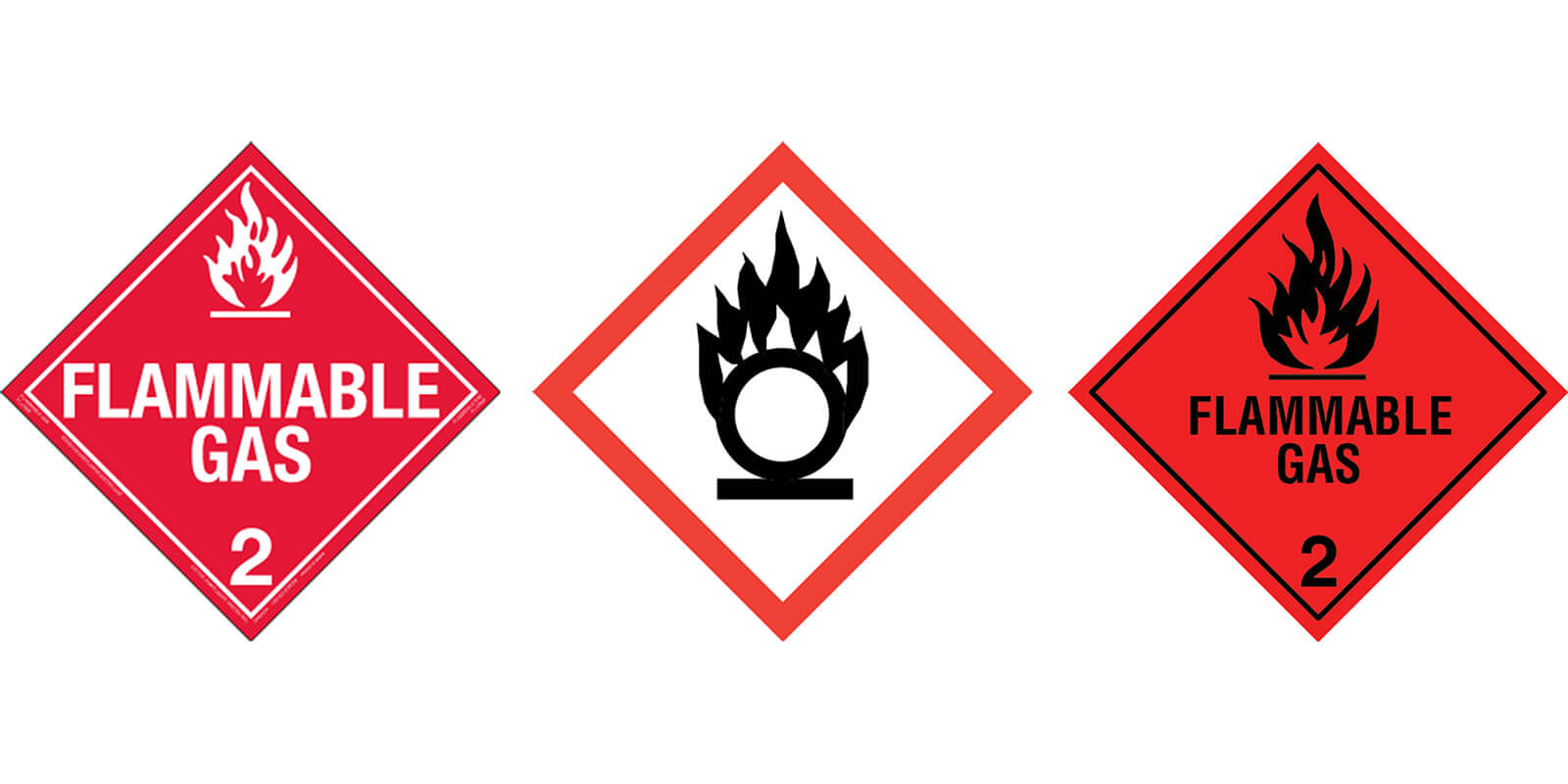
Las baterías de iones de litio son muy sensibles al sobrecalentamiento tanto durante la fabricación como durante las pruebas.
Las temperaturas excesivas pueden provocar:
- Evaporación de electrolitos
- Generación de gas
- Hinchazón celular
- Cortocircuitos internos
- Fuga térmica
La fuga térmica durante la formación y las pruebas se considera uno de los riesgos de seguridad más críticos en las instalaciones de fabricación de baterías de litio.
El proceso de formación requiere particularmente calor porque las células se someten a repetidos ciclos de carga y descarga mientras la capa SEI se forma internamente.
Sin una refrigeración eficaz, la acumulación de calor localizada puede comprometer la calidad de la batería y crear riesgos operativos importantes.
Por esta razón, las fábricas de baterías modernas requieren sistemas de enfriamiento industrial altamente confiables con monitoreo térmico continuo y mecanismos de protección de emergencia.
Procesos clave de fabricación de baterías que requieren refrigeración de precisión
Recubrimiento de electrodos
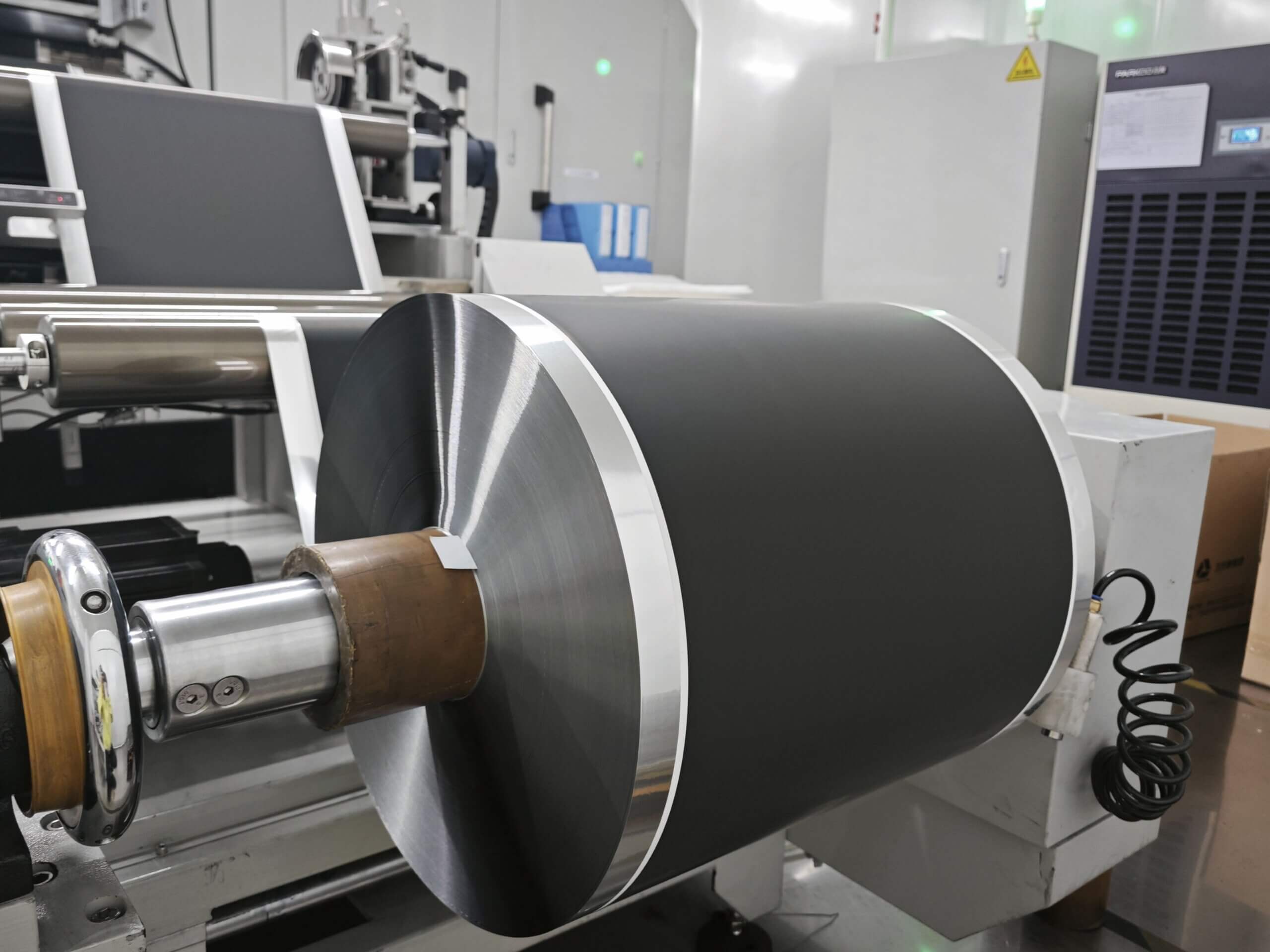
El recubrimiento de electrodos es uno de los procesos más sensibles a la temperatura en la producción de baterías. Las condiciones térmicas estables son esenciales para mantener la uniformidad de la lechada y la precisión del recubrimiento.
Los enfriadores industriales integrados con equipos de recubrimiento ayudan a mantener temperaturas constantes en todas las líneas de producción de alta velocidad, lo que reduce los defectos del recubrimiento y mejora la calidad de los electrodos.
En entornos de producción a gran escala, los enfriadores de líneas de recubrimiento suelen estar diseñados para un funcionamiento continuo con un control preciso de la estabilidad térmica.
Formación y envejecimiento de la batería
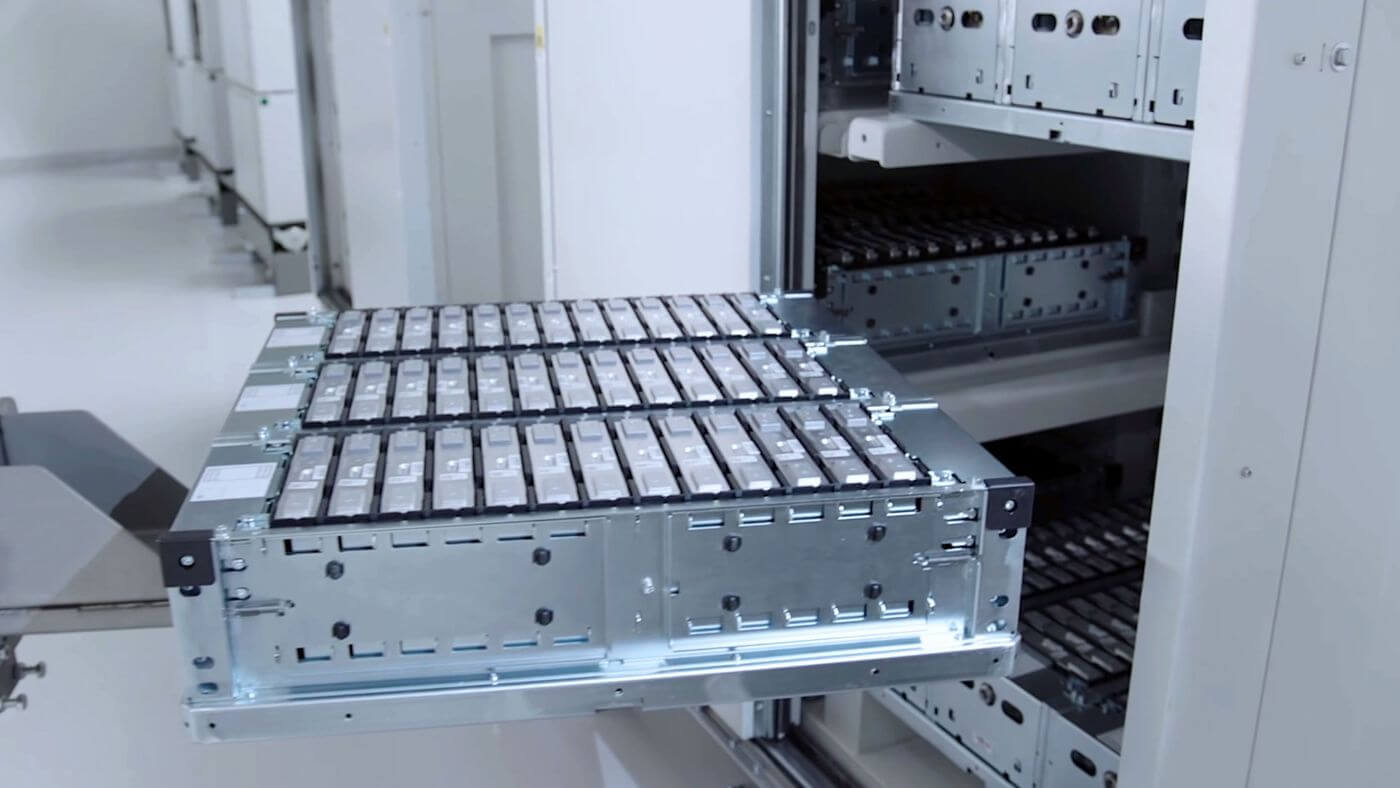
La formación de baterías genera calor sustancial porque las celdas se someten a ciclos repetidos de carga y descarga durante períodos prolongados.
Las fluctuaciones de temperatura durante la formación pueden afectar negativamente el desarrollo de la capa SEI, lo que resulta en un rendimiento inconsistente de la batería y una vida útil reducida.
Para abordar esto, los sistemas de enfriamiento de formación de baterías están diseñados para proporcionar:
- Eliminación continua de calor
- Regulación precisa de la temperatura
- Operación estable de larga duración
- Alta confiabilidad del sistema
En muchas Gigafábricas, los sistemas de enfriamiento de los talleres de formación operan con una arquitectura de redundancia N+1 para garantizar una producción ininterrumpida incluso durante el mantenimiento o falla del equipo.
Este diseño de redundancia es fundamental porque las interrupciones inesperadas de la refrigeración pueden cerrar secciones enteras de producción y provocar pérdidas financieras importantes.
Refrigeración del equipo de prueba de baterías
Los sistemas de prueba de baterías generan calor continuamente durante los ciclos de carga/descarga, particularmente en aplicaciones de prueba de baterías de vehículos eléctricos de alta potencia.
Sin una refrigeración estable, la precisión de las pruebas puede disminuir y la confiabilidad del equipo puede verse afectada.
Los enfriadores de precisión utilizados en aplicaciones de prueba de baterías están comúnmente diseñados para mantener la estabilidad de la temperatura dentro de ±0,1 °C para garantizar condiciones de medición precisas.
Estos sistemas de refrigeración admiten:
- Pruebas ciclistas de larga duración
- Pruebas de descarga de alta corriente
- Cámaras de simulación ambiental
- Sistemas automatizados de clasificación de baterías
La refrigeración confiable mejora directamente la precisión de las pruebas y reduce el tiempo de inactividad del equipo.
Soldadura y corte por láser
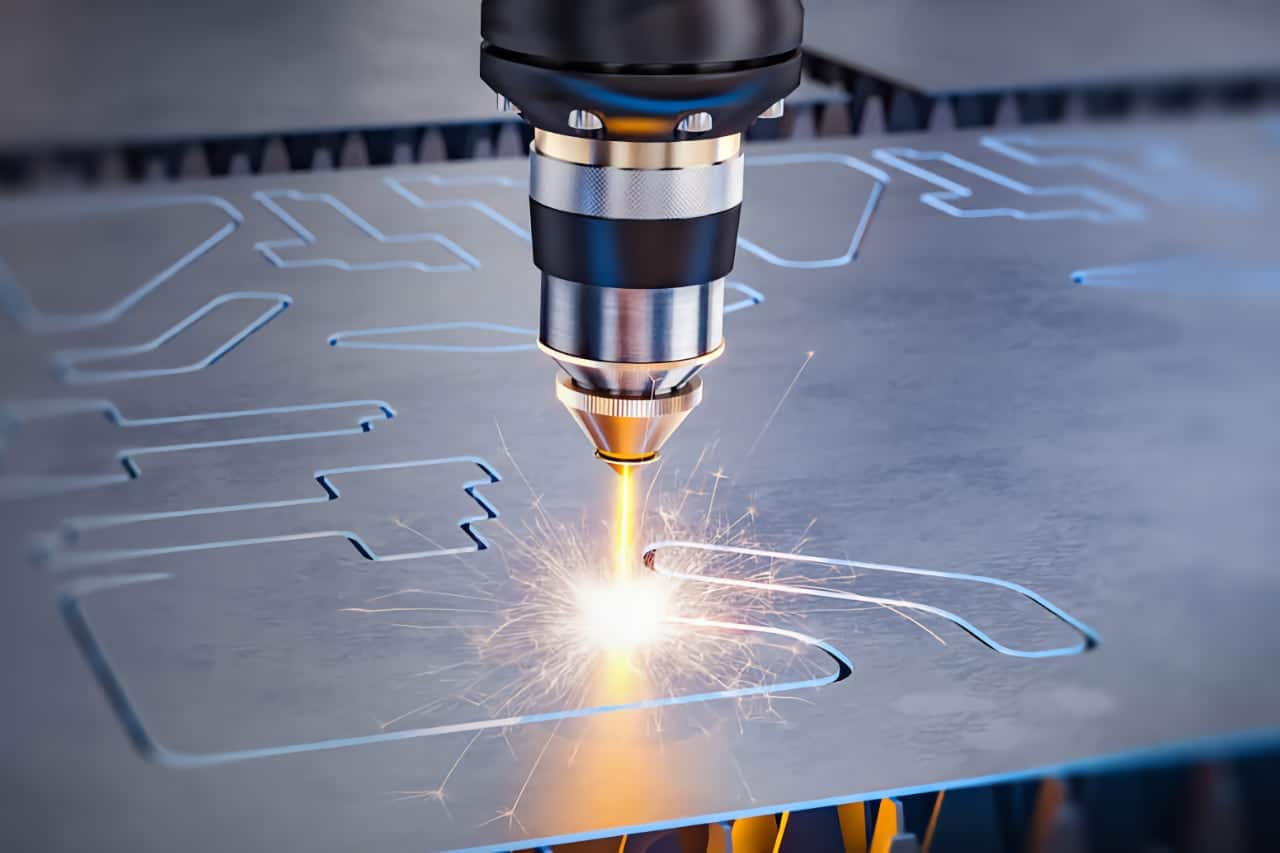
Los sistemas de corte y soldadura por láser utilizados en el ensamblaje de módulos de batería requieren una refrigeración estable para proteger las fuentes láser y los componentes ópticos del sobrecalentamiento.
La inestabilidad de la temperatura puede afectar:
- Calidad del rayo láser
- Precisión de soldadura
- Repetibilidad de la producción
- Vida útil del equipo
Los enfriadores industriales ayudan a mantener condiciones térmicas estables para el funcionamiento continuo del láser en entornos de fabricación automatizados.
Desafíos comunes de refrigeración en las fábricas de baterías
Altas cargas de calor provenientes de la producción continua
Las modernas fábricas de baterías funcionan las 24 horas del día con líneas de producción altamente automatizadas. Procesos como la formación, las pruebas, el secado y la soldadura láser generan continuamente enormes cargas térmicas.
A medida que se expande la capacidad de producción, los sistemas de enfriamiento deben soportar:
- Grandes cargas térmicas centralizadas
- Control de temperatura multizona
- Operación continua 24 horas al día, 7 días a la semana
- Entornos de alta densidad de equipos
Esto requiere enfriadores industriales con sistemas de compresores robustos y un rendimiento confiable a largo plazo.
Requisitos de temperatura ultraprecisos
Muchos procesos de baterías de litio requieren condiciones térmicas extremadamente estables.
Los requisitos de precisión típicos incluyen:
| Aplicación | Estabilidad de la temperatura |
|---|---|
| Enfriamiento general de procesos | ±0,5 °C |
| Sistemas de prueba de baterías | ±0,2 °C |
| Entornos de laboratorio de precisión | ±0,1 °C |
Los equipos de refrigeración convencionales a menudo no pueden mantener este nivel de precisión de forma constante bajo cargas de calor industriales fluctuantes.
Los sistemas de refrigeración de precisión avanzados suelen incorporar algoritmos de control PID, compresores accionados por inversores y regulación de flujo inteligente para lograr un rendimiento térmico estable.
Consumo de energía y presión de sostenibilidad
Los sistemas de refrigeración se encuentran entre los mayores consumidores de energía en las instalaciones de fabricación de baterías.
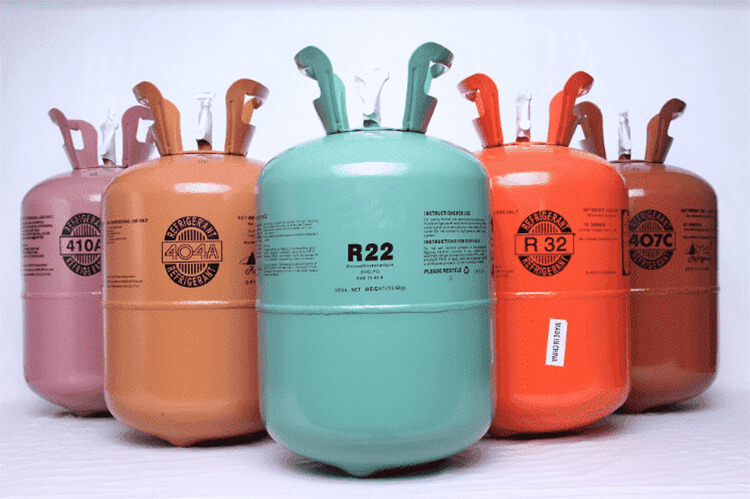
A medida que los costos de energía y las regulaciones ambientales continúan aumentando, los fabricantes se están centrando más en tecnologías de refrigeración energéticamente eficientes y refrigerantes respetuosos con el medio ambiente.
La industria está cambiando gradualmente hacia refrigerantes con menor PCA, como:
- R32
- R290
Estos refrigerantes ayudan a los fabricantes a cumplir con los estándares globales de sostenibilidad y al mismo tiempo reducen el impacto ambiental.
Al mismo tiempo, los enfriadores industriales modernos adoptan cada vez más:
- Compresores de frecuencia variable
- Sistemas inteligentes de gestión de energía.
- Tecnologías de recuperación de calor.
- Integración de fábrica inteligente
Estas tecnologías mejoran la eficiencia operativa al tiempo que reducen los costos de energía a largo plazo.
Tipos de enfriadores industriales utilizados en la fabricación de baterías
Enfriadores refrigerados por agua
Los enfriadores enfriados por agua se utilizan comúnmente en instalaciones de producción de baterías a gran escala porque proporcionan una alta eficiencia de enfriamiento y un funcionamiento estable a largo plazo.
Estos sistemas son especialmente adecuados para:
- Líneas de producción a escala de gigafábrica
- Sistemas de refrigeración centralizados.
- Aplicaciones de alta carga de calor
- Operación continua 24 horas al día, 7 días a la semana
Los sistemas refrigerados por agua se utilizan ampliamente en talleres de formación, líneas de recubrimiento y áreas de prueba de baterías donde una capacidad de refrigeración estable es esencial.
Enfriadores enfriados por aire
Los enfriadores enfriados por aire a menudo se seleccionan para instalaciones de producción más pequeñas, enfriamiento de equipos independientes y laboratorios de investigación y desarrollo de baterías.
Al no requerir torres de enfriamiento, la instalación es más sencilla y los costos de infraestructura son menores.
Las aplicaciones típicas incluyen:
- Sistemas de soldadura láser
- Pequeño equipo de prueba
- Entornos de laboratorio
- Líneas de producción piloto
Su tamaño compacto y su instalación flexible los hacen ideales para instalaciones con espacio limitado.
Enfriadores de baja temperatura
Algunos procesos de fabricación de baterías requieren entornos de baja temperatura para el manejo de electrolitos, la investigación de materiales y las pruebas de simulación ambiental.
Los enfriadores de baja temperatura brindan un rendimiento de enfriamiento estable y preciso para procesos sensibles que exigen un control térmico estricto.
Estos sistemas se utilizan ampliamente en I+D de baterías avanzadas y en el desarrollo de materiales para baterías de próxima generación.
Cómo elegir el enfriador adecuado para la fabricación de baterías
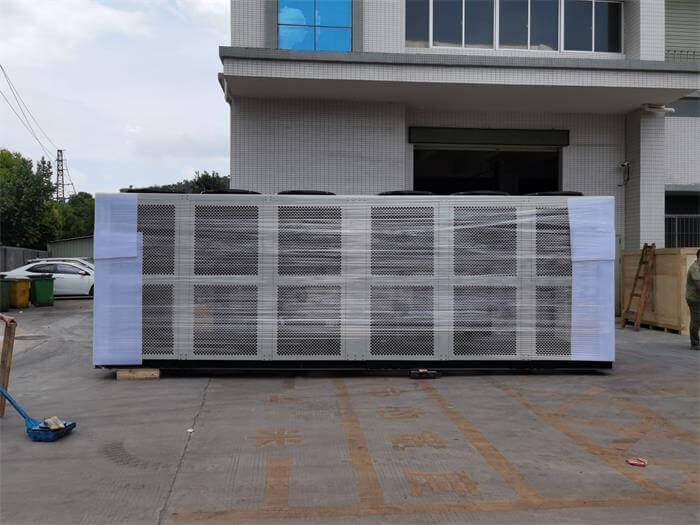
Seleccionar el enfriador industrial correcto requiere evaluar tanto los requisitos del proceso como las condiciones operativas.
Los criterios de selección clave incluyen:
- Capacidad de enfriamiento — Basado en la carga térmica total del proceso y los requisitos de expansión futuros
- Precisión de temperatura — Diferentes aplicaciones pueden requerir una estabilidad de ±0,5°C o ±0,1°C
- Tasa de flujo — Debe cumplir con los requisitos de intercambio térmico del equipo.
- Ratio de Eficiencia Energética (EER) — Importante para reducir los costos operativos
- Huella del sistema — Especialmente crítico en diseños de fábrica de alta densidad.
- Diseño de redundancia — Las configuraciones N+1 mejoran la confiabilidad operativa
- Integración de controles — Compatibilidad con PLC y sistemas de automatización de fábricas
En instalaciones de baterías a gran escala, la confiabilidad de la refrigeración es tan importante como el rendimiento de la refrigeración.
Conclusión
La refrigeración de precisión se ha convertido en una parte esencial de la fabricación moderna de baterías de litio.
La gestión térmica estable afecta directamente a:
- Consistencia de la batería
- Eficiencia de producción
- Seguridad en la fábrica
- Fiabilidad del equipo
- Costo operativo a largo plazo
A medida que las Gigafábricas de baterías continúan expandiéndose a nivel mundial, los fabricantes requieren sistemas de enfriamiento industrial cada vez más avanzados capaces de ofrecer un rendimiento preciso, confiable y energéticamente eficiente en funcionamiento continuo.
Ya sea para recubrimiento de electrodos, formación, pruebas de baterías o aplicaciones de investigación y desarrollo de precisión, seleccionar el sistema de enfriamiento industrial adecuado es fundamental para lograr una producción de baterías estable y de alta calidad.
