

 Портативный чиллер
 Чиллер с воздушным охлаждением
 Чиллер с водяным охлаждением
 Низкотемпературный чиллер
 Промышленный чиллер на заказ


В производстве пластмасс контроль температуры – это разница между стабильными, высококачественными деталями и дорогостоящим ломом. От литья под давлением до экструзии и выдувного формования охлаждение влияет на продолжительность цикла, стабильность продукта и долговечность оборудования. Выбор правильного чиллера обеспечивает эффективную работу, экономию энергии и долгосрочную надежность.
В этом руководстве объясняется, как выбрать охладитель для переработки пластмасс, уделяя особое внимание производительности, типу системы, охлаждающим жидкостям и интеграции процесса.
Проблемы охлаждения при производстве пластмасс
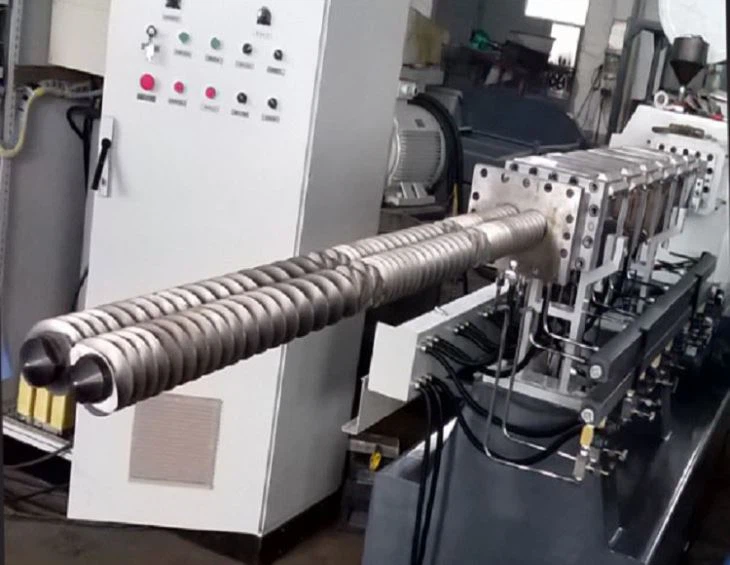
Процессы производства пластмасс выделяют значительное количество тепла во время плавления, формования и экструзии. Cooling must be precise and consistent:
-
Литье под давлением: Контроль температуры пресс-формы определяет качество детали, усадку и точность размеров. Более быстрое охлаждение сокращает время цикла, но необходимо избегать напряжения в детали.
-
Экструзия: Непрерывное охлаждение экструдированных листов, пленок или профилей требует стабильной температуры воды на всех производственных линиях.
-
Выдувное формование: Формование бутылок и контейнеров требует быстрого и равномерного охлаждения формы для обеспечения прозрачности и постоянства толщины стенок.
Холодопроизводительность и тепловая нагрузка в процессах переработки пластмасс
Точный размер позволяет избежать узких мест в производстве:
-
Расчет тепловой нагрузки: каждая тонна переработанного пластика производит тысячи БТЕ тепла. Chillers must remove this load consistently.
-
Влияние времени цикла: Чиллеры меньшего размера увеличивают время цикла, снижая производительность и рентабельность.
-
Пиковая и средняя нагрузка: Машины для литья под давлением могут нуждаться в резком сильном охлаждении во время переходов между циклами; ensure capacity for peak demand.
Тип чиллера: с воздушным охлаждением или с водяным охлаждением
-
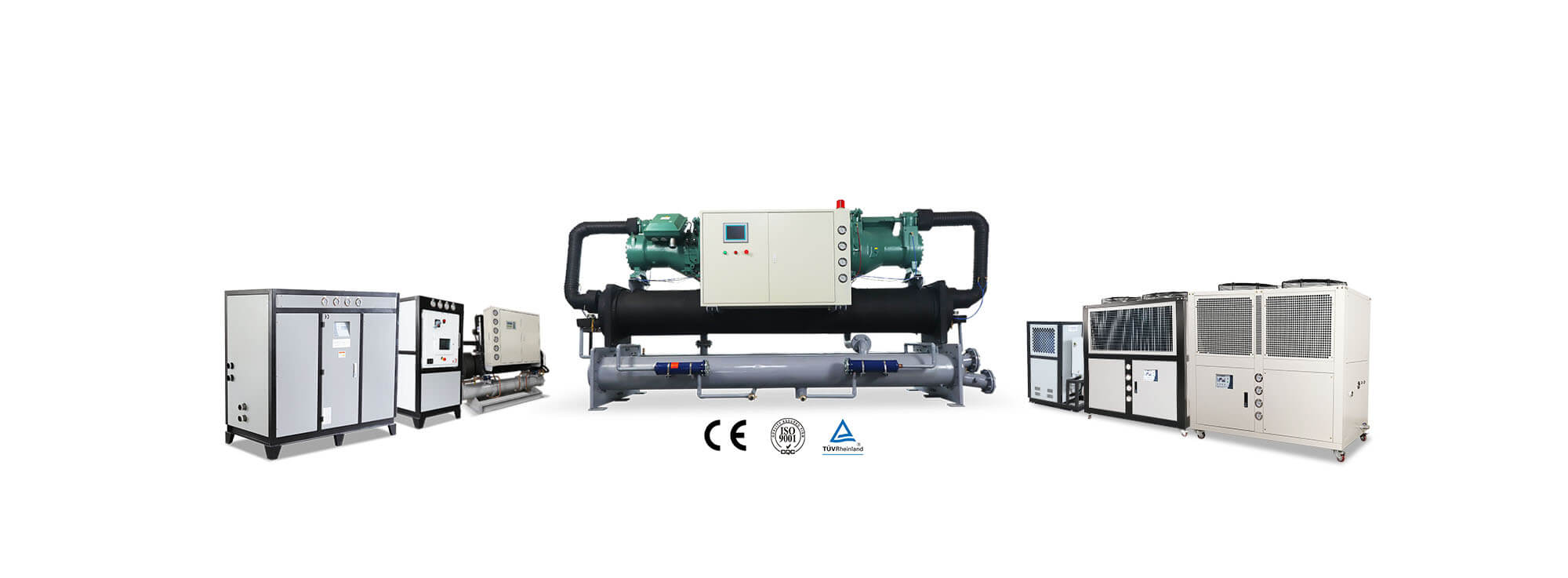
Чиллеры с воздушным охлаждением:
• Низкая стоимость установки, градирня не требуется.
• Подходит для малых и средних предприятий литья под давлением.
• Производительность падает в жарких условиях окружающей среды. -
Чиллеры с водяным охлаждением:
• Предпочтительно для крупных заводов по переработке пластмасс.
• Более высокая эффективность, тишина и надежность в жарком климате.
• Требуют градирни, водоочистки и более тщательного технического обслуживания.
Технологические жидкости, хладагенты и защита пресс-формы
-
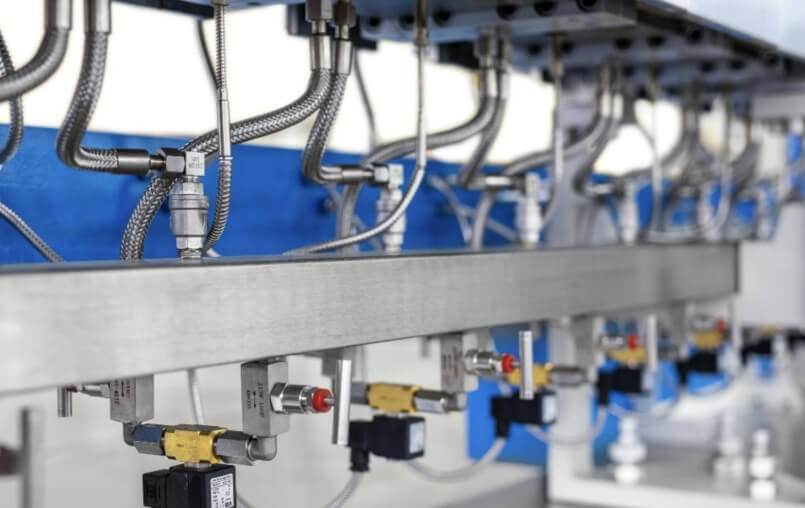
Технологические жидкости: В системах с замкнутым контуром часто используется вода или водно-гликолевые смеси. Для защиты от плесени воду необходимо обрабатывать, чтобы предотвратить образование накипи, коррозии и роста бактерий.
-
Хладагенты: Выбирайте хладагенты с низким ПГП, соответствующие действующим и будущим нормам.
-
Требования к температуре: Для пластиковых форм часто требуется охлажденная вода с температурой 50–70°F (10–21°C) с жестким контролем до ±1°C.
Энергоэффективность и оптимизация времени цикла
-
Показатели эффективности: Оцените КПД и производительность при частичной нагрузке, поскольку машины редко работают при постоянной полной нагрузке.
-
Сокращение времени цикла: Оптимизированное охлаждение пресс-формы сокращает время цикла, напрямую увеличивая производительность.
-
Рекуперация тепла: Некоторые системы повторно используют отходящее тепло для отопления зданий или процессов сушки, повышая общую эффективность.
Экологические и нормативные аспекты
-
Соответствие хладагента: Убедитесь, что в чиллерах используются хладагенты, одобренные местными и международными нормами.
-
Управление водными ресурсами: Системы с водяным охлаждением требуют надлежащей обработки для предотвращения образования накипи и роста бактерий (например, риска легионеллы).
-
Уровни шума: Чиллеры с воздушным охлаждением, расположенные вблизи производственных помещений, могут потребовать принятия мер по снижению шума.
Интеграция с системами литья под давлением и экструзией
-
Централизованные и децентрализованные системы:
• Центральные холодильные установки обслуживать несколько машин, обеспечивая эффективность и резервирование.
• Портативные чиллеры обслуживать отдельные машины, обеспечивая гибкость и резервирование на уровне агрегата. -
Градирня и вспомогательное оборудование: Для чиллеров с водяным охлаждением убедитесь в правильности размера градирни и производительности насосов.
-
Автоматизация: Интеграция с контроллерами формовочных машин (ПЛК, SCADA) позволяет автоматически регулировать температуру и подавать сигналы тревоги.
Техническое обслуживание, надежность и резервирование
-
Профилактическое обслуживание: Регулярное удаление накипи, замена фильтров и обслуживание компрессора продлевают срок службы чиллера.
-
Избыточность: Для крупносерийных предприятий резервирование N+1 обеспечивает бесперебойную работу во время технического обслуживания или поломки.
-
Диагностика и мониторинг: Чиллеры с поддержкой Интернета вещей обеспечивают мониторинг температуры, давления и расхода в реальном времени для предотвращения простоев.
Сводный контрольный список для применения пластмасс
| Фактор | Рассмотрение |
|---|---|
| Охлаждающая нагрузка | На основе тепловой нагрузки формования/экструзии и времени цикла. |
| Тип чиллера | Воздушное охлаждение для небольших цехов, водяное охлаждение для непрерывного производства с высокой производительностью. |
| Жидкости и хладагенты | Очищенная вода или гликоль; хладагенты с низким ПГП |
| Эффективность | COP, частичная нагрузка, оптимизация времени цикла |
| Относящийся к окружающей среде | Нормативы по хладагенту, очистка воды, контроль шума |
| Интеграция | Центральные и портативные чиллеры, совместимость с автоматизацией |
| Обслуживание | Резервирование, запасные части, легкий доступ для чистки и обслуживания. |
| Служба поддержки | Доступность локального сервиса, диагностика, гарантии |
Заключение
В производстве пластмасс чиллеры — это не просто вспомогательное оборудование, они способствуют производству. Правильная система сокращает время цикла, улучшает качество продукции, предотвращает повреждение плесени и снижает затраты на электроэнергию.
Тщательно оценивая охлаждающая нагрузка, тип охладителя, жидкости, эффективность и интеграция с формовочным оборудованием, переработчики пластмасс могут выбрать охладители, которые гарантируют как производительность, так и прибыльность.
